
 8.9 out of 10 based on 74566 reviews







.svg)
.svg)
.svg)
.svg)
.svg)
.svg)


 Menu
Menu
-
 Vaporshop
All Categories
Vaporshop
Vaporshop
All Categories
Vaporshop
- Top 10 Vaporizers
- Spare Parts & Accessories
- AirVape XS GO (2021)
- Arizer Air MAX
- Arizer Extreme Q
- Arizer Solo 2
- Arizer V-Tower
- Arizer XQ2
- Boundless CFC 2.0 Vaporizer
- Boundless CFX
- Boundless TERA (V3)
- CRAFTY+
- DaVinci IQC
- Dr. Dabber Boost EVO
- DynaVap VapCap "M" PLUS 2023
- DynaVap VonG (i) Titanium
- Flowermate Aura
- Flowermate Cap Pro
- Flowermate Slick
- Flowermate V5.0S Pro
- G Pen Elite II
- G Pen Micro+
- G Pen Roam
- Hyer Big-E Rig
- MIGHTY+
- PAX Mini
- PAX Plus
- PLENTY
- Puffco Peak Smart Rig
- Puffco Plus
- Storm Vaporizer
- The Proxy (Puffco)
- VOLCANO CLASSIC
- VOLCANO HYBRID
- Vapman 2.0
- Vapman Click
-
 Smartshop
All Categories
Smartshop
Smartshop
All Categories
Smartshop
- Top 10 Smartshop
- Zamnesia Gift Cards
- After Party
- Aphrodisiacs
- Aromatherapy
- Blue Lotus
- CBD Vape Juice
- Capsule Machines
- Crystals, Gemstones & Minerals
- Dream Herbs
- Drug Tests
- Extracts
- Happy Caps
- Herbal Tea
- Herbs & Seeds
- Incense
- Kanna
- Kratom
- LSA Seeds
- Mescaline Cacti
- Microdosing
- Nootropics
- Relaxing
- Salvia divinorum
- Smart Seeds
- Stimulants
- Supplements
- Tinctures
- Vape Herbs
-
 TRIBE
All CategoriesTRIBE
TRIBE
All CategoriesTRIBE
- My Membership
- Spend Gift Points
- TRIBE Sale
- Exclusive products
- Earn Extra Gift Points
- Early Access
- Refer a Friend
- Information
 Mushroom Dosage Calculator


 Contact
 United States
Plant Seeds
Discover our diverse range of plant seeds, categorized for your gardening convenience. From chili and pepper seeds to exotic varieties, our selection ensures you find the perfect match for your green thumb. Explore subcategories like edible and vegetable seeds for your culinary adventures, or wellness and companion plants to enrich your garden’s ecosystem. Delve into the intriguing world of psychoactive seeds or start an indoor garden with our interior plant seeds. Every seed promises quality and the potential for vibrant growth.
Subcategories









Monster Bud Mix - Living Soil
Our Monster Bud Mix has long helped growers achieve great results, be it cultivating cannabis, growing fruits and vegetables, or caring for ornamentals. Now, we've released an enhanced formula that will bring the health and diversity of your soil life to new heights! Introducing Monster Bud Mix Living Soil—the perfect product for growers looking to take their garden to the next level.
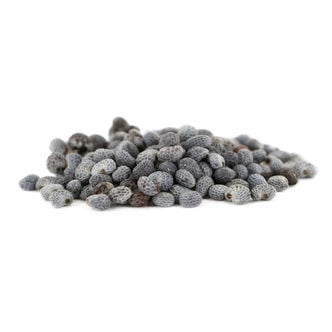
Poppy (Papaver somniferum) 5 grams
Poppy (Papaver somniferum) is the plant from which opium, morphine, and heroin are made. The poppy seeds themselves don’t contain any alkaloids. With Zamnesia Poppy Seeds, you can grow your own poppy plants at home with ease!
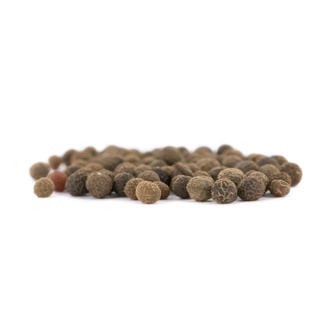
California Poppy (Eschscholzia californica) 100 seeds
California poppy makes a stunning addition to many ornamental gardens, earning attention due to its bright and vibrant orange shades.
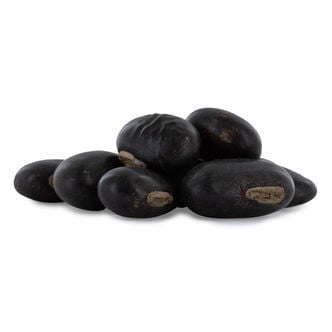
Velvet bean | Mucuna pruriens
The Velvet bean (Mucuna pruriens) is a tropical plant that has long been used in many cultures around the world.
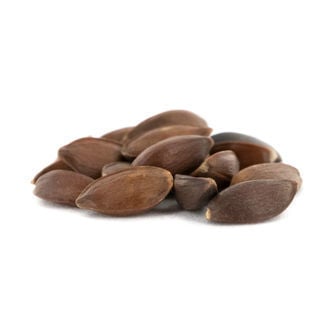
Green Mormon Tea | Ephedra viridis Seeds
Green Mormon tea (Ephedra viridis), also known as green ephedra or Indian tea, is a shrub that grows in dry areas of the Western United States. 20 seeds
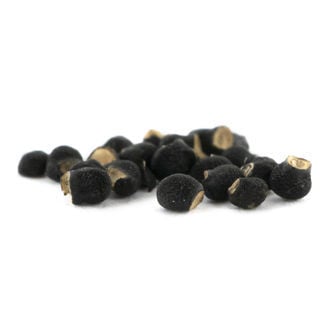
Peyote (Lophophora williamsii) 20 seeds
With our freshly harvested high quality Lophophora williamsii (Peyote) seeds you can now grow your own Peyote cacti at home. As compared to fully grown Peyote cacti plants, cultivating your own Peyote can be more economic because you can grow them at relatively low cost. Plus, being able to watch your Peyote seeds grow to full-grown flowering plants can make for a fascinating hobby all on its own!
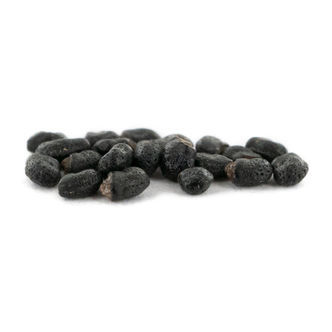
San Pedro (Echinopsis pachanoi) 20 seeds
Echinopsis pachanoi, the original San Pedro cactus is one of the sacred cacti of South America. For centuries, this cactus has played an important role in Shamanic culture. The cactus is a native to Bolivia and contains psychoactive compounds, the most important one Mescaline. With our fresh Echinopsis pachanoi (San Pedro) seeds you can now easily grow your own San Pedro cacti at home!
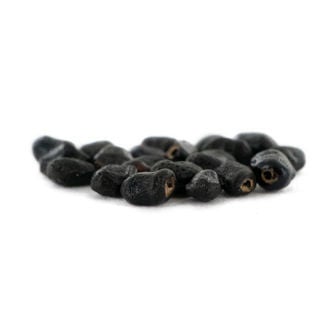
Echinopsis macrogona (Trichocereus macrogonus) 20 seeds
Echinopsis macrogona (AKA Trichocereus macrogonus) is a sacred cactus. Like the Peruvian torch cactus, Echinopsis macrogona contains mescaline which gives it powerful psychedelic and hallucinogenic properties. With the Echinopsis macrogona seeds available at Zamnesia you can now grow this sacred cactus at home!
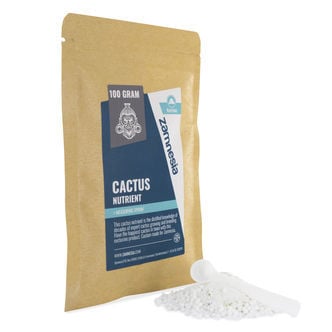
Cactus Nutrient
This cactus nutrient is the distilled knowledge of decades of expert cactus growing and breeding. Have the happiest cactus in town with this exclusive product. Custom made for Zamnesia.
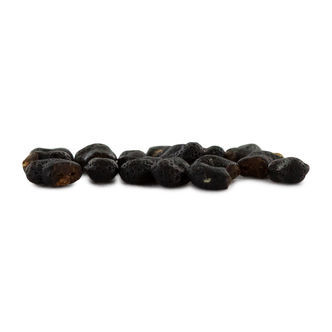
Peruvian Torch (Echinopsis peruviana) 20 seeds
Echinopsis peruviana, better known as the Peruvian Torch cactus is another of the hallucinogenic cacti that is native to South America. The Peruvian Torch contains the psychoactive alkaloid mescaline which makes for powerful, altered states of consciousness. With our fresh Peruvian Torch (Trichocereus peruvianus) seeds you can now grow this sacred cactus easily at home.
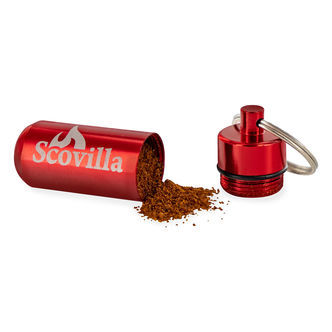
Portable Pepper Bomb (Scovilla) 1.5g
These Portable Pepper Bombs from Scovilla allow you to carry 1.5 grams of your favourite chilli powder with you everywhere you go. If you regularly find yourself disappointed at the mildness of your "spicy" meals, be disappointed no longer! Now, you can spice things up to your heart's content.

Ghost Pepper Edition Hot Sauce (Mad Dog 357)
Made from one of the hottest chillies in the world—the Bhut Jolokia, or Ghost Pepper—rest assured that this sauce by Mad Dog is extremely hot. On the Scoville scale, it comes in around 150,000 SHU. Suitable for adding to dishes or fiery dipping, get your heat fix here!

Hot Sauce (Mad Dog 357)
Featured on Hot Ones, Mad Dog 357's hot sauce is an extremely powerful chilli sauce made in Sudbury, Massachusetts. With a Scoville rating of 357,000, Mad Dog 357 hot sauce packs serious heat and is made only for true chilli-heads. Try a recommended dose of 1 drop and strap yourself in the fire literally takes your breath away, sending shivers across your entire body.
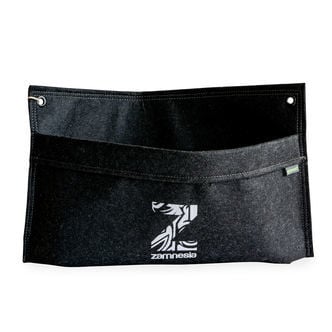
Geotextile Fabric Wall Planter (10L)
These 10L geotextile Wall Planters from Gronest are made from 100% recycled material and are perfect for flowers and plants that love to hang. The fabric has many benefits and it allows for great aeration and run off, leading to healthy roots for your plants. Go vertical and create a garden right on your wall with Gronest's eco-friendly Wall Planters.
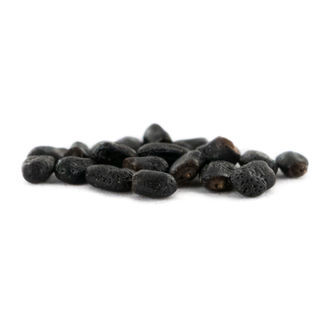
Bolivian Torch (Echinopsis lageniformis) 20 seeds
The Bolivian Torch (Echinopsis lageniformis) is one of the psychedelic cacti of South America that plays an important role in Shamanic rituals. It is similar in appearance to the San Pedro cactus but with fewer and wider ribs. Like the San Pedro cactus, the Bolivian Torch contains a number of psychoactive alkaloids including the powerful psychedelic compound Mescaline.
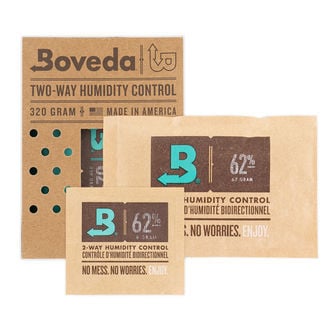
Boveda Humidipak
Say goodbye to fluctuating humidity inside your storage containers and the CVault containers in particular. The Boveda Humidipak keeps the relative humidity of the air at 62% or 58% by adding or removing moisture. There are no chemicals in the Boveda humidity packs; the contained elements are completely natural and food-safe: Salt and purified water. No maintenance or refilling required.
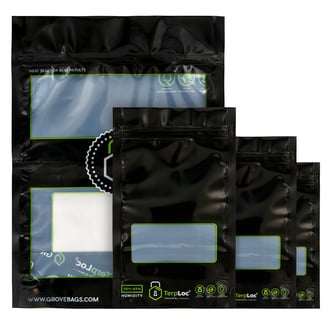
TerpLoc Window Pouch (Grove Bags)
Stop losing terps—Grove Bags preserve 37% more terpenes and 7% more cannabinoids than traditional stash bags. Made from proprietary TerpLoc film, these pouches let your bud continue curing while stored, using its own moisture and micro-gas exchange to create the perfect terpene-rich environment. Grab yours now and cure like a pro.

Ultra Fine Misting Bottle (Zamnesia)
The Zamnesia Ultra Fine Misting Bottle is a premium-quality watering tool designed for the meticulous care of your home growing projects, from plants to magic mushrooms and beyond. Boasting a sleek blue design featuring the distinctive Zamnesia logo, this misting bottle ensures that your upkeep is not only effective but also stylish. It's easy to use and has many applications.
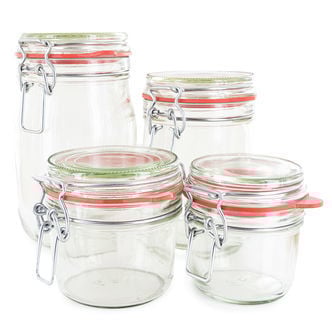
Weed Curing Jar
You probably won’t find better weed curing jars than these quality mason jars “Made in Germany”. The jars are made from extra thick glass and feature a rubber ring and galvanized wire bracket for a 100% airtight seal. Available in 4 sizes: Small (255ml), Medium (400ml), Large (800ml) and Xtra Large (1140ml).

Humidity Control Pack (Zamnesia)
Maintain the perfect moisture level for your stash with Zamnesia Humidity Packs. Available in 8 g and 67 g sizes, these easy-to-use packs regulate humidity effortlessly—no activation required! Just remove the outer plastic and place a pack in your container. Once it feels dry, swap it out for a fresh one; it's that simple! Enjoy flavourful, perfectly cured buds with zero effort.

TerpLoc Opaque Pouch (Grove Bags)
Keep your stash at its prime with Grove Bags' signature TerpLoc Pouches—made from proprietary film that allows microscopic gas exchange while harnessing the natural humidity of your flower to create the perfect storage and curing conditions. Enjoy harvests that retain their flavour, aroma, and potency—get your TerpLoc Pouches today.
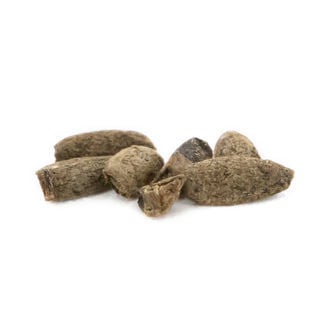
Klip Dagga (Leonotis nepetifolia) Seeds
Native to Africa and Southern India, klip dagga is a colourful plant with a unique appearance. Fortunately, it's also pretty simple to grow. Sow the seeds indoors at the end of April in moist soil, and keep the same conditions until they germinate. Then, move them outside so they can flourish. Provide them with plenty of light and warmth, and harvest leaves and flowers when ready.
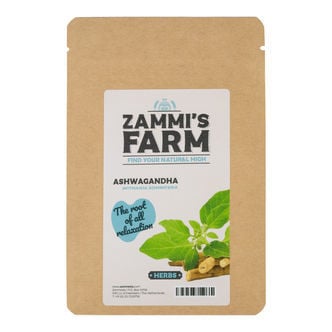
Ashwagandha (Withania somnifera) 20 seeds
Ashwagandha (Withania somnifera) is a shrub native to India, and it has been used for many years in the Ayurvedic tradition. Attractive and easy to cultivate, why not try growing it in your very own garden?
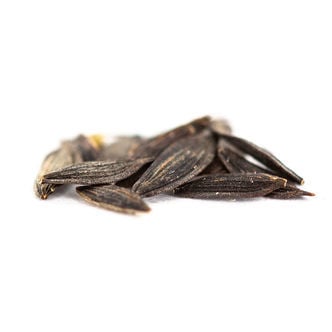
Wild Lettuce (Lactuca virosa) 20 seeds
Wild lettuce (Lactuca virosa) thrives in cool and cold conditions and produces edible leaves throughout most of the year, even into winter. Plus, it's full of nutrients. Get growing!
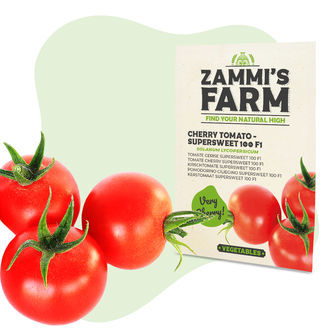
Cherry Tomato 'Supersweet 100 F1' (Solanum lycopersicum) Seeds
The Supersweet 100 cherry tomato hybrid is one of those plant hybrids that says it all in its name: these plants produce extremely sweet fruit and, in the right conditions, can grow into long vines capable of producing 100 or more tomatoes at once. Note that this is a tall tomato variety that needs full sun, support from stakes/trellises, plenty of care, and a lot of natural fertilizer to thrive.
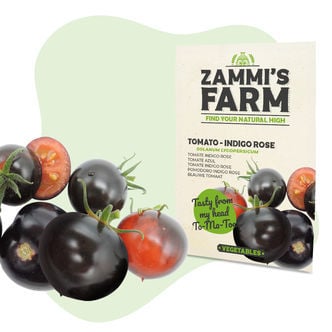
Indigo Rose Tomatoes (Solanum lycopersicum) Seeds
Indigo Rose is a heirloom tomato variety (Solanum lycopersicum) that produces stunning purple/black fruit. Like other tomato varieties, Indigo Rose is best grown in full sun and highly fertile soil, regularly pruned/pinched, and supported with stakes/towers/trellises. Harvest when the shade-facing side of the tomatoes are a soft pinkish-red colour and the sun-facing side a deep purple/black.
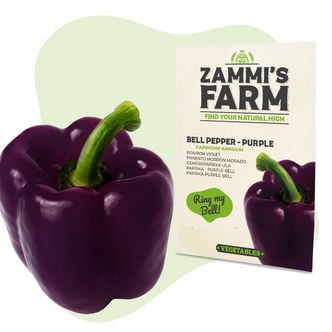
Paprika Purple Bell (Capsicum annuum) Seeds
Add some vibrant violet colours to your garden! Paprika Purple Bell is the way to go. Get these seeds sown and started under glass between March and May, and you'll be greeted with a bevvy of purple peppers come summertime. Just house them in moist soil with a consistent temperature of around 20-25°C; you can't go wrong. With sweet flavours, they make the perfect addition to all kinds of dishes.

Grandian Strawberry F1 (Fragaria x ananassa) Seeds
Few things are as rewarding as picking your own strawberries. These Granadian F1 strawberries produce large, plump, and deliciously sweet fruits. Start them off early in a protected seedbed when temperatures reach 20°C and transplant them into large pots or an open field in early summer. Pick your berries when they're plump and red, and resow your seeds every year.
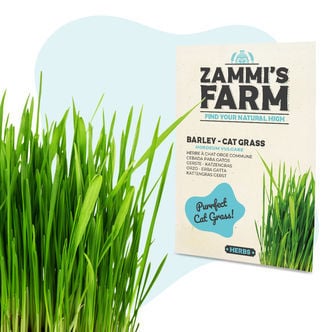
Barley - Cat Grass (Hordeum vulgare) Seeds
Barley - Cat Grass (Hordeum vulgare) Seeds are, as the name suggests, purrfect for your cat. It works as a digestive aid for them and may also prevent hairballs! The plant is effortless to grow and care for and can be sown between the months of April and September. Pick a light spot for them to flourish in, but ensure it doesn't get too much direct sunlight. This is one fast plant to grow!


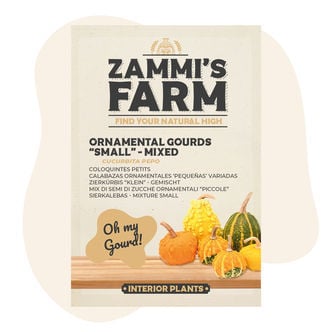
Small Ornamental Gourds Seed Mixture
Ornamental gourds are beautiful decorations, ideal for flower arrangements, centrepieces, and more. With this seed mix, you can grow a wide variety of ornamental gourds at home with ease. Simply sow seeds in spring directly in the ground. If need be, you can transplant plants after 5-6 weeks. Remember to slowly dry the harvested fruits for long-lasting, beautiful gourds.

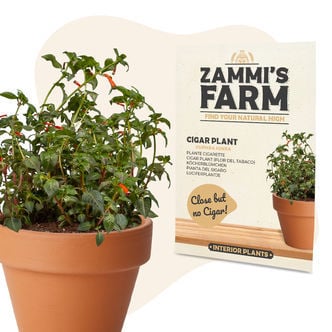
Cigar Plant (Cuphea ignea) Seeds
Known as the Mexican Cigar Plant or Firecracker Plant, Cuphea ignea gets its name from its bold, orange, tubular flowers. It makes for a beautiful houseplant indoors, requiring direct sunlight, warm temperatures, and well-draining soil. When growing from seed, separate seedlings when they're roughly 8-10cm tall and plant them in small-to-medium pots.
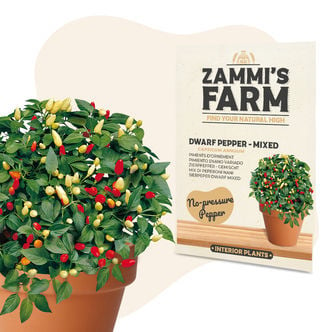
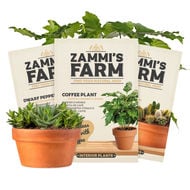
Dwarf Pepper 'Mixed' (Capsicum annuum) Seeds
Add some colour to your home! These peppers aren't really suitable to eat due to their acquired taste that isn't super flavourful. But what they lack in flavour, they more than makeup for their outstanding appearance. Simply pot these seeds indoors in February and let them flourish throughout the year as they showcase massively appealing red and yellow colours, brightening any space.
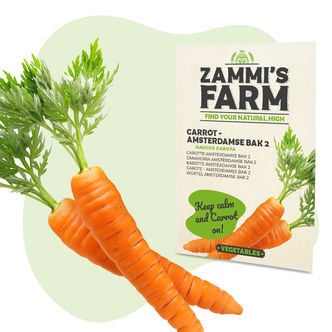
Carrot Amsterdamse Bak 2 (Daucus carota) Seeds
Getting your hands on some sweet, delicious carrots has never been easier with our Carrot Amsterdamse Bak 2 (Daucus carota) Seeds. Start these seeds off under glass indoors in early Spring and then move outdoors so they can soak up the warmth and light that Summer provides. Just ensure they're well looked after, and they can't do you wrong. Enjoy large yields of sweet-tasting carrots come Summer.
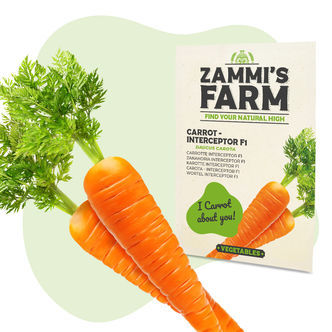
Carrot - Interceptor F1 (Daucus carota) Seeds
These slimline carrots make for a healthy snack and have a sweet, satisfying taste. What's more, is that these seeds are effortless to cultivate and are unlikely to give even the most novice of growers a hard time. Sow these seeds directly into the ground and provide them with a little maintenance and upkeep and they'll deliver a bevvy of bright orange beauties come July-October. Perfect.
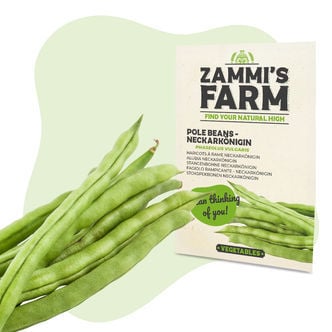
Pole Bean Neckarkönigin (Phaseolus vulgaris) Seeds
For an effortless growing project, look no further than Pole Bean Neckarkönigin (Phaseolus vulgaris). Sow these seeds directly into the ground in mid-May and let them do their thing. All it takes is a little maintenance, sunlight and moist soil, and this plant will perform. Able to produce plenty of veggies with very minimal effort makes Pole Bean an excellent choice for all growers.
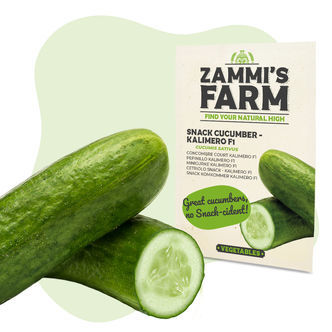
Kalimero F1 Snack Cucumber (Cucumis sativus) Seeds
Whether pickled, as part of a salad or just a healthy treat, our Kalimero F1 Snack Cucumber is an incredibly simple veg to cultivate, not to mention extremely fast too! Get them going indoors around March and bring them outside for them to flourish over Summer. They're so quick to grow that you can actually get a few harvests from the same plant at the end of Summer. Versatile and accessible!
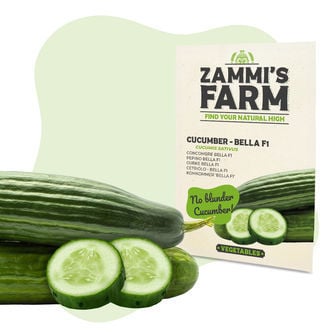
Cucumber Bella F1 (Cucumis sativus) Seeds
Bella F1 cucumber seeds (Cucumis sativus) produce long, sweet, and crisp fruit and are resistant to mildew. Start seeds outdoors in early-mid Spring and remember to water your plants generously while taking care not to wet their leaves (which attracts moulds and other pathogens). Use trellises to support the long vines and save space, and enjoy continuous harvest all throughout summer.
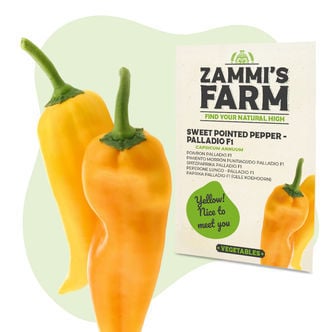
Sweet Pointed Pepper Palladio F1 (Capsicum annuum) Seeds
Get these bright yellow beauties going from mid-March, and give them plenty of light, sun and moist soil, and they'll flawlessly perform. These sweet and mild peppers will be ready come late Summer. They require very little in the way of maintenance and are extremely versatile. Whether you add them to salad, tacos or any other savoury dish, these yellow peppers are sure to brighten your plate.

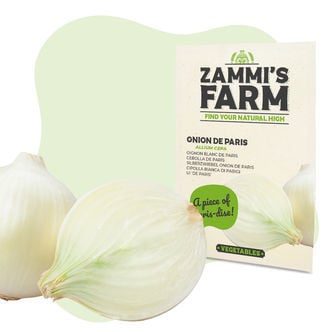
Onion de Paris (Allium cepa) Seeds
How do you get your hands on some great-tasting onions? Easy, simply sow these seeds in early Spring under glass and then move them outside in late April. This will give them plenty of time over the summer to mature and be ready for the picking! These onions are perfect for pickling or including as tiny veg on your plate or as part of a summer salad. The options are plentiful, and so is the yield!
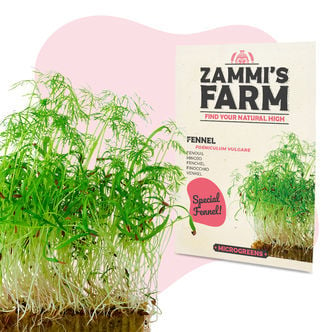
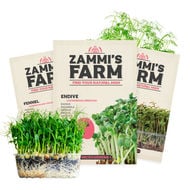
Microgreens Fennel (Foeniculum vulgare) Seeds
Peppery, mild and sweet, Microgreens Fennel takes just 7-14 days to germinate and just another 2 weeks on top until the earliest greens are ready to harvest and use in a multitude of dishes. Just provide them with plenty of light and warmth and keep the surrounding soil moist, and you simply can't go wrong! This is one fast-to-grow plant that delivers in all areas. Get some in your home today!
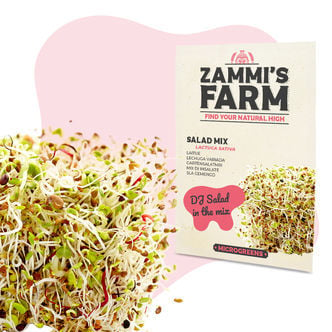
Microgreens Salad Mix (Lactuca sativa) Seeds
With a selection of great greens available here, the vibrant Microgreens Salad Mix is ideal for adding to salads and can actually be grown all year round. Quick to flourish, sow the seeds when it works for you; just be sure to keep the soil moist but not waterlogged, and this plant will deliver delicious, moreish leaves and work perfectly in plenty of dishes. Ideal for all growers!
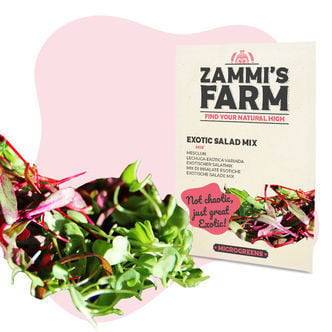
Microgreens Exotic Salad Mix - Seeds
Take your salad game to the new level with Exotic Salad Mix. It's really easy, just scatter the seeds on top of the soil and press gently. Cover with a thin layer of soil and spray with water. Use the mister once or twice a day to keep soil most. Harvest after 2–3 weeks, when you see the first set of true leaves. Microgreens thrive in sunny environments, think windowsills or balconies.
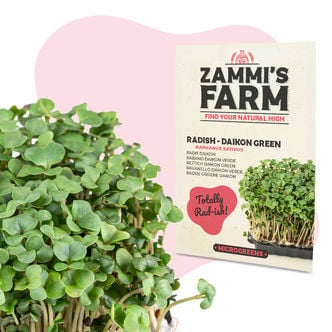
Microgreens Radish - Daikon Green (Raphanus sativus) Seeds
Green Daikon Radish is delicious and highly nutritious, used typically as a garnish in Japanese cuisine. Daikon Green Microgreens, however, are just as packed with flavor yet with much higher nutrient density. To grow them, simply sow seeds at a high density in a propagator and harvest the sprouts after roughly 1 week. With a fresh, tangy flavour, they go great in fresh and cooked Asian dishes.
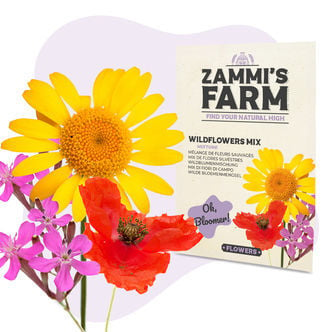
Wildflowers Seed Mixture
Upgrade your garden with this fine selection of wildflower seeds. This mixture of both annual and perennial flowers means that your garden is completely cared for, for the entirety of the year and well beyond. All varieties have been carefully chosen to provide the finest colours and aromas that are eye-catching not only to humans but also butterflies, bees and a host of other insects.
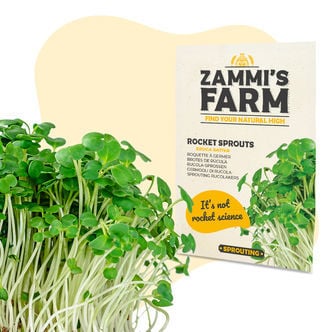
Rocket Sprouts (Eruca sativa) Seeds
The peppery leaves of Rocket Sprouts make for the ideal addition to a wide variety of dishes; what's more, is that the path to this tasty produce is an extremely easy one, regardless of your prior expertise! Rocket Sprouts can be grown in indoor, outside, and greenhouse settings and require very little in the way of maintenance. Sow seeds in early Spring and enjoy great flavours come Summer.
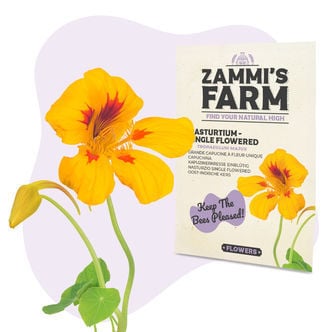
Nasturtium 'Single Flowered' (Tropaeolum majus) Seeds
Boasting deep red, orange, and yellow hues, nasturtium flowers are surrounded by rich green leaves, making for a visually appealing plant. Able to reach heights of around 3m, this climbing plant is ideal for walled gardens and spacious areas. Not only boasting great looks, the flowers are also edible, making a vibrant addition to various dishes.

Cornflower 'Blue Ball' (Centaurea cyanus) Seeds
The Blue Ball cornflower is a great-looking flower that's ideal for a whole host of gardening set-ups. Sow the seeds directly into the ground in a place of your choosing in late spring, and they'll mostly take care of themselves throughout the summer. Without much needed in the way of maintenance, these flowers undoubtedly appeal to all levels of expertise. Colourful and vibrant, perfect for all.

Corn Poppy 'Single Red' (Papaver rhoeas) Seeds
Add some colour to your garden with these bright red poppies. Sow seeds in late spring and watch them flourish. Come June–September, you'll be met with beautiful deep red hues. Low-maintenance and accessible to all levels, just give them plenty of light, warmth, and water.
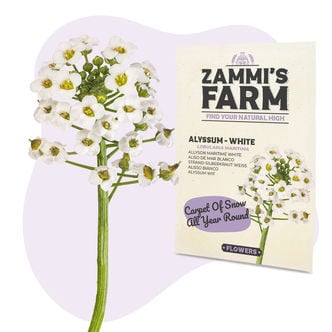
Alyssum (Lobularia maritima) Seeds
Otherwise known as Sweet Alison, alyssum is an all-white flower that's suitable for all gardens. Whether positioned in flower beds, rockeries or pots, allow alyssum to provide some subtle beauty to your garden. Sow them in early April under glass and then fully transplant them roughly 5–6 weeks later. Once outdoors, they'll flourish in the sunlight and warmth for the summer. Loved by bees.
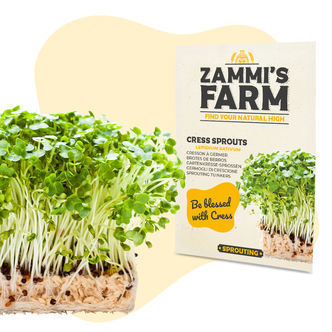
Cress Sprouts (Lepidium sativum) Seeds
Cress Sprouts make for an easygoing and hugely rewarding growing project. Whether situated on a windowsill or as part of your garden, it'll perform with very little maintenance required. This is a fast-growing plant that can be sown and grown all year round. Just be sure to provide temperatures of around 20-22°C and a little upkeep, and you can enjoy tasty cress rich in vitamins A, B and C.
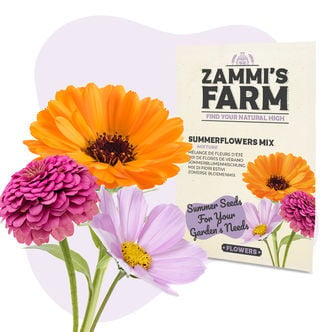
Summer Flowers Seed Mixture
The Summer Flowers Mixture features a wide variety of flower seeds that will brighten up any garden you place them in. Sow them in early April, and by the time summer rolls around, your garden will be hugely colourful, vibrant and aromatic. Once fully grown, you can marvel at your handiwork and enjoy the fruits of your labour. With little upkeep required, they are ideal for all—including bees!

Forget-me-not 'Indigo Blue' (Myosotis alpestris) Seeds
A truly unforgettable flower, the forget-me-not, otherwise known as Myosotis alpestris, is a plant that's native to Europe and is a vibrant blue flower that's suitable for any garden. Sow them in open ground in July and let them flourish in a shady spot. Keep the ground moist throughout the growing cycle, and you'll be rewarded with a bevvy of beautiful flowers to brighten up your garden or home.
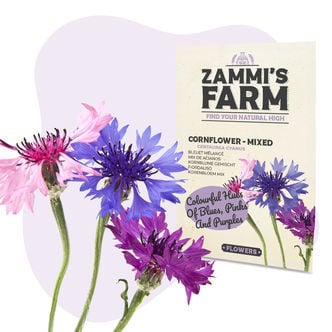
Cornflower 'Mixed' (Centaurea cyanus) Seeds
With an abundance of purple, blue, pink, and white hues, the cornflower (Centaurea cyanus) is one of the best options for brightening up your garden. Pleasing to the eye but overall undemanding, these plants will appeal to gardeners of all skill levels. Whether planted in borders or as wildflowers, these flowers will attract bees and other beneficial insects to your garden.
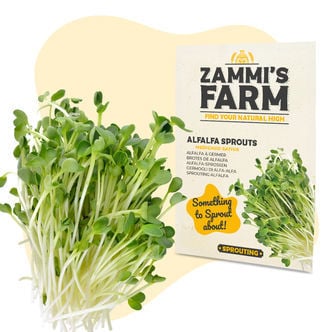
Alfalfa Sprouts (Medicago sativa) Seeds
It takes about 5 days to grow alfalfa sprouts. Use a sprouting jar, soak the seeds in cool water for 8–10 hours, drain well. Spread seeds out in the jar and leave for 10 hours at room temperature, away from direct light. Repeat the rinse/dry process until sprouts reach preferred size. Alternatively, place sprouts between damp paper towels after soaking. Add to salads, sandwiches, or stir-fries.
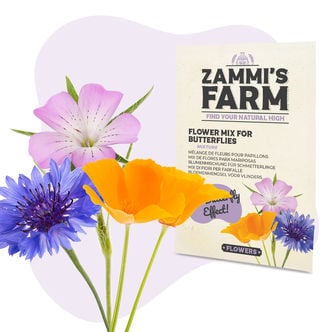
Butterfly Flower Seed Mix
This seed mix contains seeds from a variety of vibrant flower species and has been specially formulated to attract butterflies into your garden or home and add a wild touch. Sow the seeds from early to late Spring outdoors directly where you want the flower to grow. All the flower varieties in this seed pack are annuals, like full-sun, and can be grown in the ground or pots/garden beds.
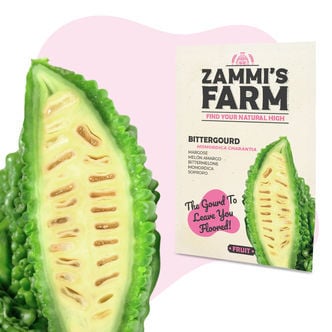
Bitter Gourd (Momordica charantia) Seeds
The bitter gourd, otherwise known as bitter melon or balsam pear, is a fruit that originally comes from Africa and Asia. However, now you can grow it right at home! Start it off in a greenhouse or indoors for 4 weeks, then move it outdoors to flourish in the summer months. Typically, it'll be ready to harvest come October. Pair it with fish or meat, and you simply can't go wrong.
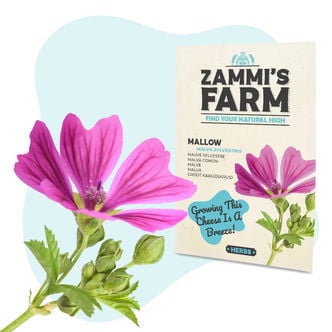
Mallow (Malva sylvestris) Seeds
The mallow, or Malva sylvestris as it's otherwise known, is a plant that's commonly found in the warmer climes of Iran and North Africa. However, now you can grow this colourful companion at home. Sow these seeds in April, and you'll see that come September, you'll have some fully formed flowers at your disposal. Mallow is a particular favourite for use in soups.
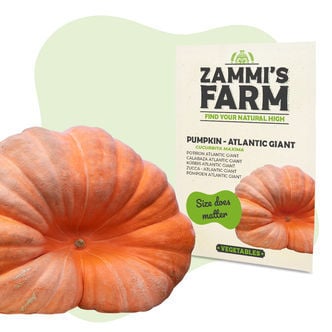
Atlantic Giant Pumpkin (Cucurbita maxima) Seeds
Try your hand at growing Atlantic Giant Pumpkin which can weigh 100kg and more. This vegetable thrives in warm and sunny spots, and you can sow your seeds indoors in mid-spring or early summer outdoors. Ensure your plants have fertile soil and are sheltered from cold winds and you will be able to sit back and watch this vigorous grower. Harvest in September/October, right for Halloween!
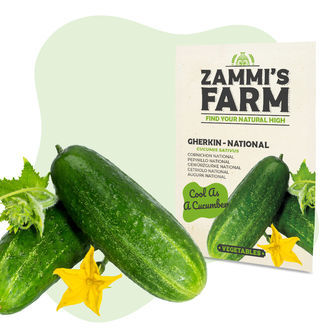
Gherkin 'National' (Cucumis sativus) Seeds
Grow these gherkins in your garden and you'll have a fine selection of small fruits to pick from. Get them going in early April indoors or in a greenhouse, and then take them outside to plant in May. Provide them with shelter and sun, and you'll have a harvest of gherkins-goodness in no time. Perfect for pickling, they will add some flair and flavour to your food.
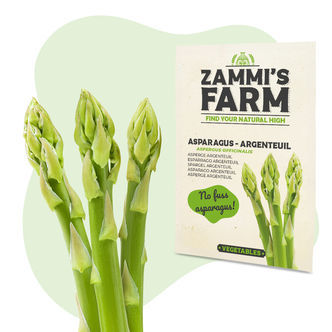
Asparagus 'Argenteuil' (Aspergus officinalis) Seeds
Asparagus plants might take time to get to harvest, but they are well worth the wait. Plant asparagus seeds in rows directly in nursery seed beds 4 weeks before the Ice Saints in sandy soil. Seeds can take 3 weeks to germinate, and young plants should be kept in nurseries for 1 year before moving them to their final spot. Transplant mature plant crowns into trenches, adding soil regularly.
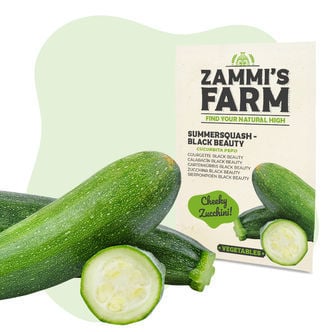
Summer Squash 'Black Beauty' (Cucurbita pepo) Seeds
Whether you know it as courgette or summer squash, this adaptable vegetable lends itself well to all kinds of cuisines. Able to produce a huge harvest, make the most of your plants by starting them under glass, and then move them outside to flourish in the summer months. Give them the perfect balance of sunlight, warmth, and shade, and you'll be rewarded with plenty of delicious veggies.
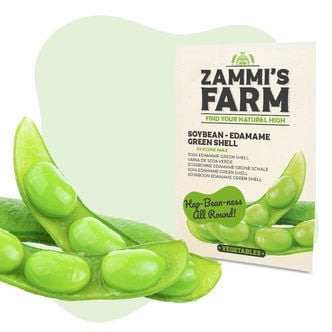
Soybean 'Edamame Green Shell' (Glycine max) Seeds
Perfect in Asian cuisines and as a healthy snack, edamame has plenty of uses. You'll be pleased to know that it's also pretty easy to cultivate from home too! Get plants started indoors or in a greenhouse in early May, and then once the seedlings are big enough, move them outdoors to soak up the sunlight and warmth. Come October, you'll have a bevy of soybeans ready to go.
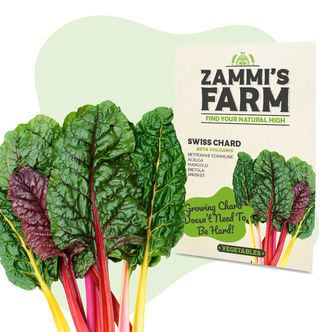
Red Swiss Chard (Beta vulgaris) Seeds
A robust year-round plant, Red Swiss Chard, otherwise known as Beta vulgaris, is a plant that can sprout rhubarb-like stems with leaves that can all be utilised in plenty of different culinary dishes. With a sowing period of March until July, enjoy the fruits of your labour come September/October time. With bright red colouring, this will brighten up both your garden and dinner plate.
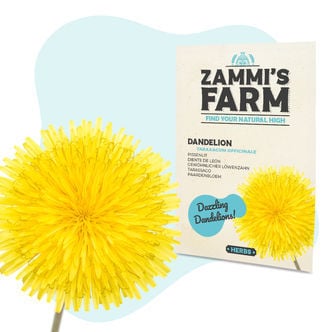
Dandelion (Taraxacum officinale) Seeds
Taraxacum officinale, aka the dandelion, is a herbaceous perennial plant that's perfect for all kinds of growing setups. Allow the beautiful yellow colour to brighten up your life. Sow in spring, and allow plants to flourish over the summer months. Provide well-draining soil and plenty of light and warmth, and you'll be rewarded with a plant boasting numerous culinary and herbal uses.
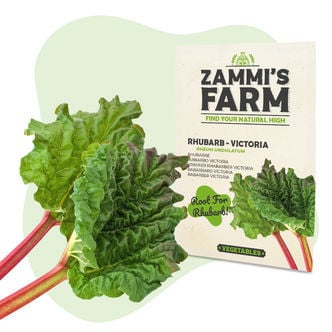
Victoria Rhubarb (Rheum undulatum) Seeds
Victoria rhubarb (Rheum undulatum) likes sunny locations and needs exceptionally well-draining soil (waterlogging or overwatering can greatly impact the growth of rhubarb plants or cause them to rot). Rhubarb also doesn't like extremely hot conditions, which can stunt it or stop plant growth altogether. Fertilise in spring and summer for improved growth. Harvest a few stalks at a time in autumn.
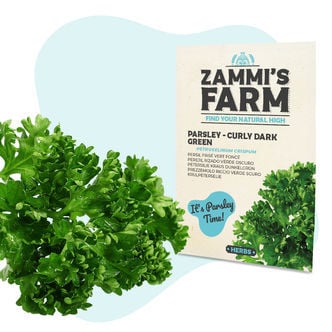
Parsley 'Curly Dark Green' (Petroselinum crispum) Seeds
Unlike most herbs, Petroselinum crispum (parsley) likes fertile soil. Parsley plants can be started indoors in a propagator or on a warm, sunny windowsill. Alternatively, sow directly outdoors after the last frost. Parsley plants like full sun, regular watering, and occasional, balanced fertilisation. Harvest fresh leaves and stems to promote bushier growth, and use in the kitchen as you please.
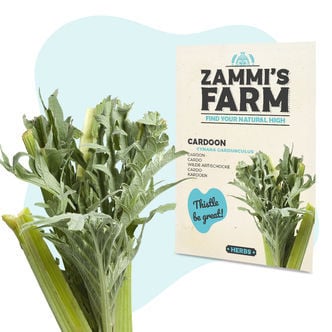
Cardoon (Cynara cardunculus) Seeds
Cynara cardunculus (cardy, cardoon, or artichoke thistle) is a very hardy and somewhat invasive plant. It grows best in soil rich in organic matter (including dung and decomposing plant matter) and in locations with warm conditions and full sunlight. The spiked flowers can be eaten like artichokes, while the stalks are best protected from the sun (using dirt mounds) and served boiled or braised.
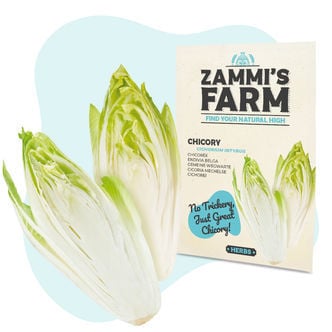
Chicory (Cichorium intybus) Seeds
Sow chicory seeds in spring, after the last frost, in a spot with at least 6hrs of direct sunlight. Take care not to bury the seeds deeper than 0.5cm beneath the soil. Seedlings will sprout after 2–3 weeks in moist (but not wet) soil and should be thinned to leave roughly 30cm between plants. Harvest fresh leaves and blanched buds to eat raw. Dried, ground chicory roots can substitute coffee.

Rue (Ruta graveolens) Seeds
Ruta graveolens, or simply rue, is very hardy and can tolerate poor soil fertility and droughts. Plant established rue specimens in full sun and water sparingly, especially in dense soils. Use mulch to insulate rue plants during winter, and cut back plants entirely to their old wood in spring to encourage new growth. While previously used in various cuisines, rue is best grown as an ornamental.
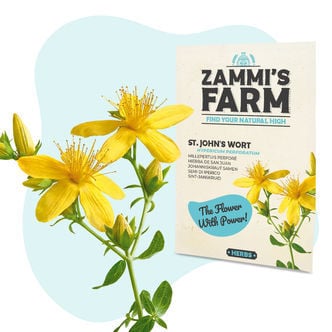
St. John's Wort (Hypericum perforatum) Seeds
Hypericum perforatum, or St. John's wort, is an easy-to-grow perennial with beautiful star-shaped flowers. It grows best in full sun or partial shade, and can tolerate loamy or sandy soils, drought, and even flooding. Plant outdoors from early to mid-summer, and propagate St. John's wort from seed, division, or by taking soft-wood cuttings. Harvested flowers have a long history of holistic use.
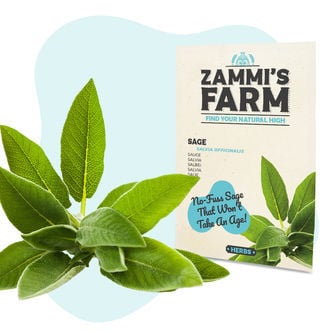
Sage (Salvia officinalis) Seeds
Germinate sage in late fall/early spring in an indoor propagator. Bring seedlings outside after the last frost, once they've developed their first set of true leaves. Plant in pots or garden beds in a sunny spot with well-draining soil. Regularly cut back plants and harvest their fresh leaves (which have the best taste) to encourage new growth. Use sage in cooking or to make herbal teas.
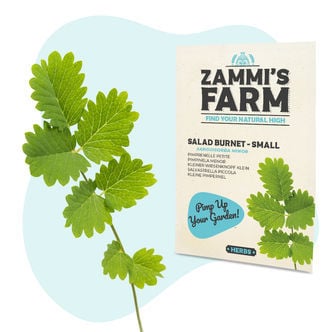
Salad Burnet (Sanguisorba minor) Seeds
Salad burnet thrives in well-draining soil and is a hardy and robust plant whose leaves will be ready to harvest in late summer. Provide ample light, warmth, and water, and it'll reach heights of around 60cm. A plant favoured by such figures as Francis Bacon and Thomas Jefferson, it has a flavour that's perfect for sauces, dressings, and even summer drinks.

Oregano (Origanum vulgare) Seeds
Grow oregano in well-draining pots or planters in full sun. Oregano plants suffer in moist soil, so water them only when their soil has dried out, and plant them in a light soil mix. Shelter oregano plants during long wet spells, and harvest fresh leaves regularly to encourage new growth. Use liberally in Mediterranean and Latin American cuisine for an intense, earthy, and warm flavour.
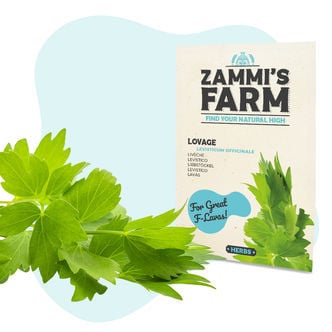
Lovage (Levisticum officinale) Seeds
Lovage seeds are best germinated indoors during spring, then brought outside once they have developed 2 sets of leaves and the last frost has passed. Transplant seedlings into fertile, deep, well-draining soil in full sun. Where possible, keep the soil slightly acidic (roughly 6.5 pH) and partly sandy/loamy with plenty of organic matter. Cook lovage leaves/roots or eat them raw in salads.
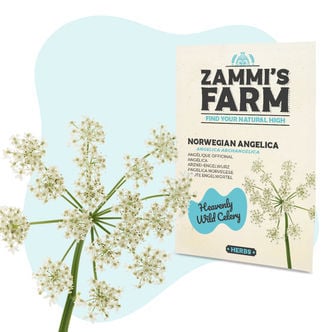
Norwegian Angelica (Angelica archangelica) Seeds
Norwegian angelica is a plant that originates from the Scandinavian region of Northern Europe. Producing edible stems that are similar to celery, it has plenty of uses in cooking, and the roots can even be used in gin distillation. Norwegian angelica requires consistently moist soil to flourish. Plant in spring, and it'll be ready to harvest come autumn.
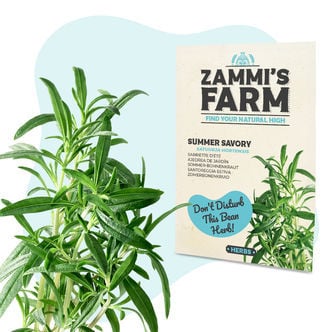
Summer Savory (Satureja hortensis)
Summer savory (Satureja hortensis) belongs to the mint family and is a close relative of thyme and rosemary. It grows well in light, loamy soil with good drainage and plenty of sunlight. Leaves can be harvested as soon as plants reach 12.5–15cm tall, and are best consumed before the plants flower for a sweeter flavour. Summer savory makes a great seasoning for dressings, sauces, stews, and pies.
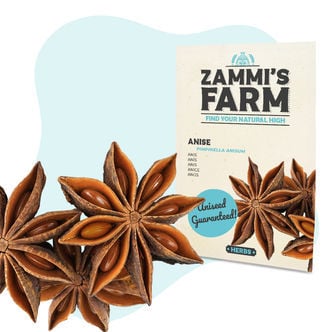
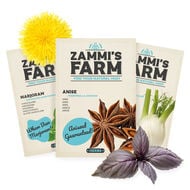
Anise (Pimpinella anisum) Seeds
Anise is best sown in early–mid spring in a sunny but sheltered spot. Germination can take between 3–4 weeks, but may be sped up by soaking seeds in water for a few days prior to planting. Pimpinella anisum hates cold and wet conditions, and likes well-draining, slightly acidic soil. Anise seeds can be harvested in late summer/early autumn and used in a variety of sweet and savoury dishes.
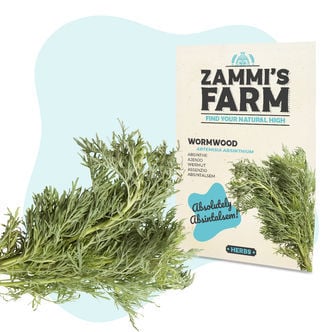
Wormwood (Artemisia absinthium) Seeds
Artemisia absinthium (wormwood) seeds are best germinated in a propagator in early spring, or in garden beds between mid-spring and early summer. Remember to thin out your crop and grow absinth in full sun and well-draining soil. Avoid overwatering; Artemisia absinthium has a high tolerance for drought. It can be used to flavour alcoholic beverages, control garden pests, and make herbal tonics.
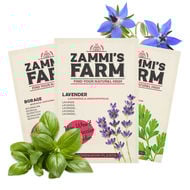
Kitchen Herbs Seed Pack - Zammi's Farm
Have a selection of practical and tasty herbs at your disposal with the Kitchen Herbs Seed Pack from Zamnesia. This curated selection of high-quality herbs is perfect for adding to a variety of dishes, and for using as a garnish on your plate too. These herbs are effortless to grow and can be cultivated on a kitchen windowsill for convenient placement when the time comes to use them.
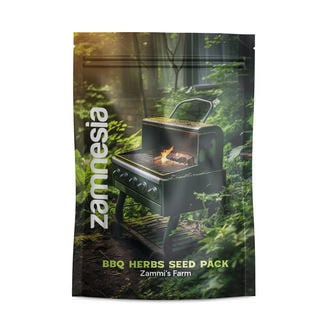
BBQ Herbs Seed Pack - Zammi's Farm
Prepare for BBQ season in the best way possible by growing your very own selection of herbs and plants. Whether you're making side dishes or looking to create rubs, marinades, or sauces, nothing's better than using ingredients you've grown yourself. The BBQ Herbs Seed Pack contains everything you need to make not only the BBQ foods of your dreams, but many other dishes too.
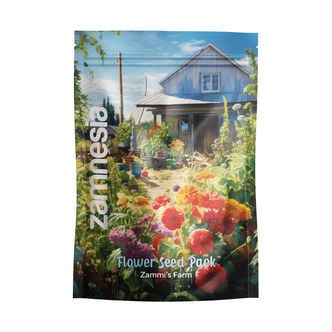
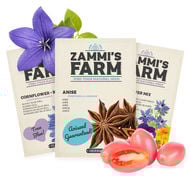
Flower Seed Pack - Zammi's Farm
This Flower Seed Pack contains a variety of seeds from Zammi's Farm that will make your garden absolutely beautiful. Distribute in a garden bed or on your lawn, and then just sit back and wait for this veritable meadow to flourish. Whether you want excessive beauty or food for pollinators, it's all in here.
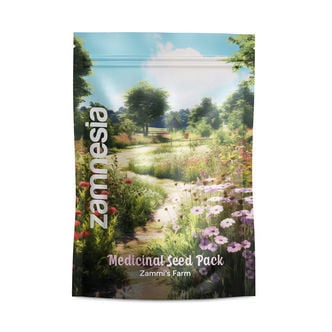
Wellness Seed Pack - Zammi's Farm
This pack of wellness plant seeds allows you to grow traditional botanicals in your very own garden! With a variety of seeds, you can cultivate a selection of plants that you can use in a range of different situations. How good will it feel to head out to your garden and pick some leaves or flowers to use in your own holistic preparations? Well, you'll soon find out.
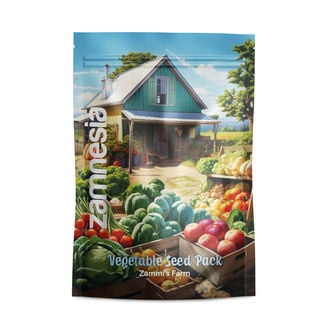
Vegetable Seed Pack - Zammi's Farm
This variety pack of vegetable seeds has everything you need to sow a vegetable patch and then harvest a bountiful array of delicious veg! Whether you want to make fresh salads or cook warming stews, there are seeds in this pack to meet all of your needs. Get growing now!
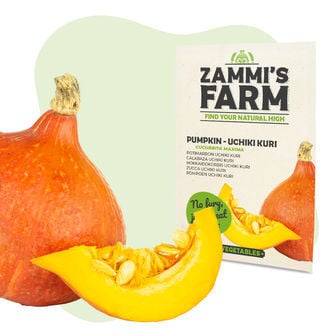
Pumpkin Uchiki Kuri (Cucurbita maxima) Seeds
Uchiki Kuri, also known as Red Kuri, is a bright orange squash variety. Seeds can be sown in spring outdoors directly in seed beds. Mature plants like rich organic soil, so prepare the soil with compost or manure or fertilize regularly. Besides being very decorative, Uchiki Kuri squash boasts sweet flesh that goes great in sweet and savoury recipes.
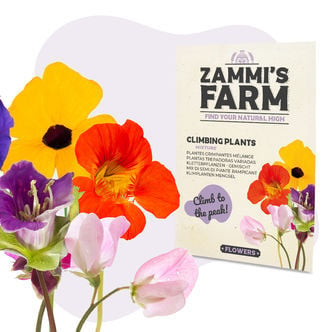
Climbing Flowers Seed Mix
Got a fence or trellis that you want to decorate with some colour? This seed mix contains a wide variety of climbing flowering plants. Sow them between mid and late spring in thin rows directly where you want the flowers to grow. As they grow, gently coax the growth onto/around the trellises/fences in your garden and watch them shine with colour in no time!
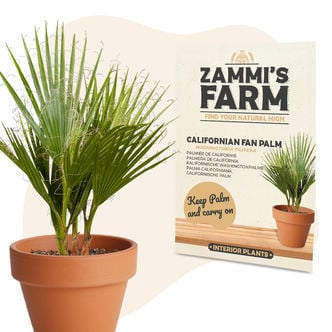
Californian Desert Fan Palm (Washingtonia filifera) Seeds
As the name suggests, the Californian Desert Fan Palm is from the far southwestern USA and Mexico, where it grows naturally in, you guessed it, the desert. Indoors, it grows well in sunny, warm spots to small sizes. In summer, feel free to bring your palm outside in the full sun to encourage further growth. Indoors, keep its soil moist and give her as much sun as possible.
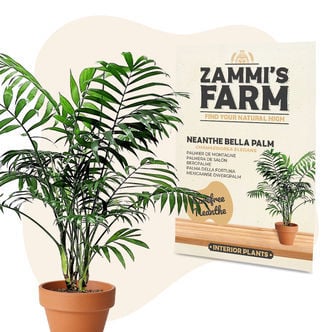
Neanthe Bella Palm (Chamaedorea elegans) Seeds
Commonly known as the Parlor Palm, Chamaedorea elegans may be native to Central America but has since taken over homes all over the globe. With their deep green foliage, these palms are stunning all year round. Start your seeds when it's warm (25º) in moist seed trays and be patient—Parlor Palm seeds can take up to 100 days to germinate! Parlor Palms like bright spaces away from direct sunlight.
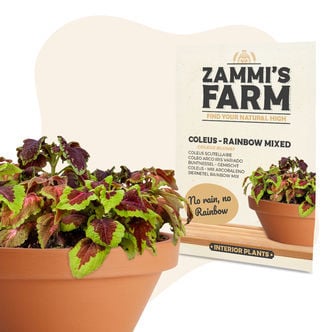
Coleus - Rainbow Mixed (Coleus blumei) Seeds
Rainbow coleus adds lively colour to the home throughout all the seasons. Start these vigorous Coleus seeds off indoors in trays using well-draining, moist soil. Transplant your coleus plants to larger flower pots once they are 5-6cm tall. While the are intended to be grown indoors, Coleus blumei plants can be brought outside into a sunny spot during summer.
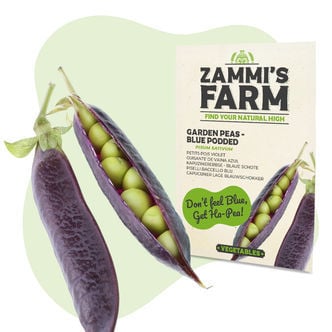
Blue Podded Pea (Pisum sativum) Seeds
These veggies are ideal for all kinds of dishes and deliver great flavours each time. Growing the Blue Podded Pea is also a cinch, regardless of your environment. Sow the seeds as early as February and watch as they flourish through to June-July. Once at this stage, they're ready for the picking. Just be sure to keep the soil moist but not overly and provide plenty of light. You can't lose.
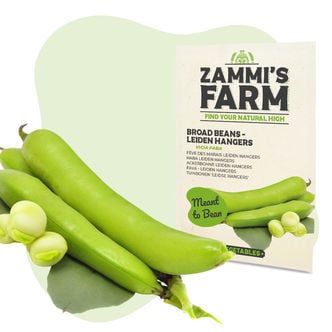
Broad Bean Leidse Hangers (Vicia faba) Seeds
Broad beans are not only delicious but also super healthy. This fast-growing and resistant variety can be planted in early spring or fall and produce plentiful harvests of long, sweet beans filled with 5-6 pods. Blanched, stir-fried, or in soups and stews, these delicious beans make a great addition to a variety of meals. Plus, they can also be frozen fresh and keep for months in the freezer.
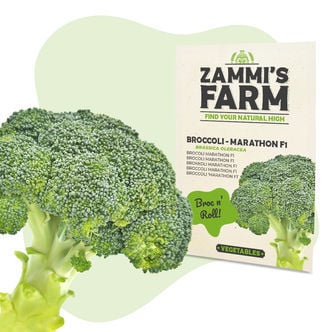
Broccoli Marathon F1 (Brassica oleracea) Seeds
Marathon F1 Broccoli (Brassica oleracea) seeds produce hardy plants that yield large, tender, and delicious Broccoli heads. Start your seeds in early to mid-spring for a summer crop, and in late summer for an autumn harvest. Remember that broccoli likes full sun but hates the heat, which causes it to bold and produce flowers rather than luscious heads.
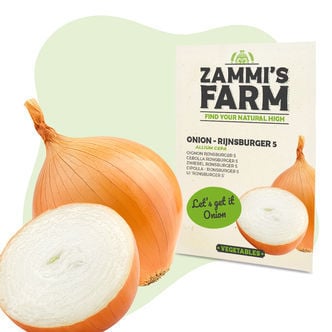
Onion - Rijnsburger 5 (Allium cepa) Seeds
If there's a vegetable that has got to be a staple in every kitchen, it is the noble onion (Allium cepa). For the best results, start onions off indoors during late winter, and trim their tips when they're about 7–8cm long. Bring them outside in spring to grow in the sun till the end of summer, when they'll start focusing their energy on bulb production.
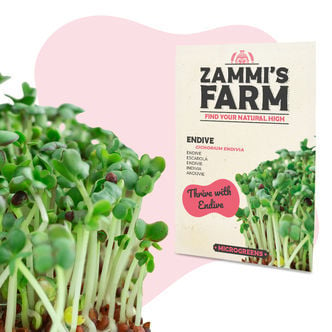
Microgreens Endive (Cichorium endivia) Seeds
Ideal for being added to salads, soups and a variety of dishes, the Microgreens Endive have long been used since the days of ancient Greece! Rich in vitamins K and C, you too can now enjoy the great flavours. Seeds take 2–3 days to germinate, and the earliest leaves that sprout around the 8–15 day mark are perfect for picking. Give them moist soil, some sunlight and warmth, and they'll perform.
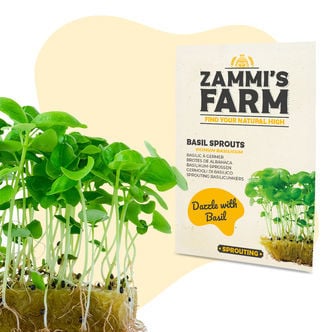
Basil Sprouts (Ocimum basilicum) Seeds
Basil (Ocimum basilicum) is a beloved, highly fragrant herb. But did you know that basil sprouts are equally delicious yet much more nutritious? To grow yours, simply sow seeds at a high density in a propagator and harvest your sprouts after roughly 10 days. Use just as you would normal basil, with the same great taste but much more nutrients!
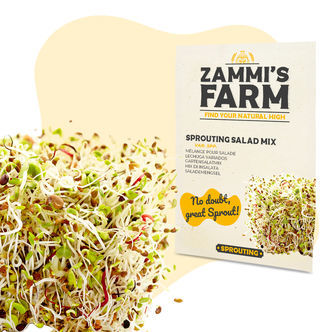
Sprouting Salad Mix Seeds
Jump on the bandwagon and grow sprouts at home with the Sprouting Salad Mix—healthy and delicious mung bean, alfalfa, lentil, fenugreek and yellow mustard sprouts. Grow them in a sprouting jar or one with muslin tied over the top. Soak your seeds for about 8 hours and drain thoroughly. Rinse and drain twice a day, when you see sprouts, leave in a well-lit area until they reach the desired size.
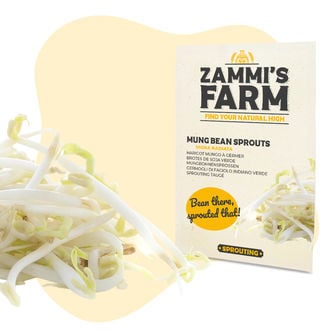
Mung Bean Sprouts (Vigna radiata) Seeds
Vigna radiata, commonly known as the mung bean, is a delicious and highly nutritious legume ideal for stewing or slow cooking. Mung bean sprouts, on the other hand, are fresh and watery, ideal for summer salads or stir-frying. Plus, growing them couldn't be easier; just sprout the beans in damp paper towels and use them when they're about 4–5cm long!
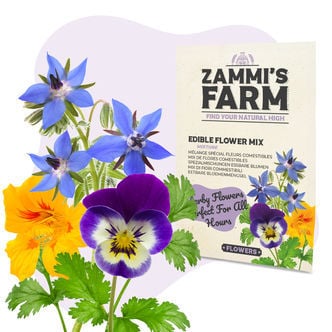
Edible Flower Mix Seeds
Ideal for garnishing dishes and adding beauty to any garden, this Edible Flower Mix is just the ticket. Consisting of a selection of edible flowers such as Althea rosea, borage, Viola, and Aztec marigold, among others, sow the seeds in early March and provide regular sunlight, water, and upkeep. Soon, you'll be rewarded with a bevy of beautiful flowers you can use however you’d like.
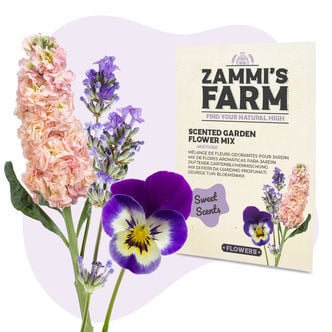
Scented Garden Flower Mix
Consisting of 15 flower varieties, this mix of seeds provides the perfect way to add fragrant aromas and a bevy of beautiful colours to your garden. Effortless to grow and resilient, simply sow your seeds in a place of your choosing, provide sufficient water, sun, and warmth, and they'll flourish with the greatest of ease. Thanks to their great aromas, insects will do the work of pollination.
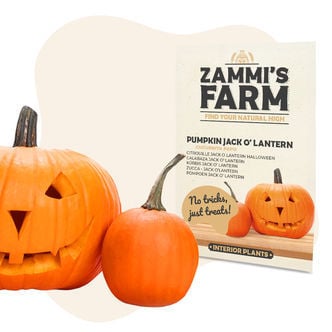
Pumpkin Jack O' Lantern (Cucurbita pepo) Seeds
Bred especially to be carved into Jack O' Lanterns, this beautiful orange, oblong Cucurbita pepo variety produces pumpkins that are very decorative yet still tasty, too. Sow your Jack O' Lantern seeds indoors in late winter, or directly outside in early spring. Like other pumpkin varieties, Jack O' Lanterns are best grown in fertile soil with stakes or trellises to accommodate their long vines.
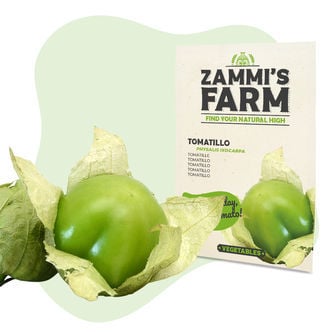
Tomatillo (Physalis ixocarpa) Seeds
The Tomatillo or Mexican Husk Tomato dates back to the pre-Columbian era. It produces a spherical fruit with a green/purplish colour that looks similar to tomatoes but has a different flavour and texture. Tomatillo seeds are best sown indoors, and plants can be brought outside in Spring after the last frost. Tomatillo plants like well-draining soil, full sun, and regular organic fertilisation.
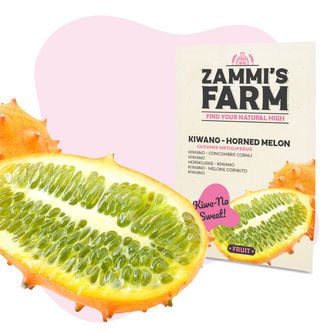
Kiwano (Cucumis metuliferus) Seeds
Looks can be deceiving with this prickly fruit. It might look a little intimidating, but it's what's inside that counts. The Kiwano houses a sweet taste that's reminiscent of lemons and bananas. Perfect for fruit salads and desserts. Start your plants out in a greenhouse and then place them outside for full sun. A little hands-on grow-wise but manageable, it needs a warm climate or location.
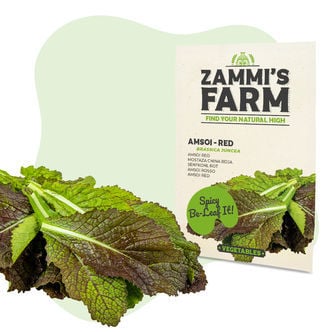
Amsoi Red (Brassica juncea var.rugosa) Seeds
Amsoi, also known as Indian Mustard, has a spicy flavour making it ideal for use in salads and Asian cuisine. Able to be cultivated in both indoor and outside environments, amsoi is highly resilient and can withstand frost and colder climes effortlessly, making it a great choice for all levels of growers. Quick to grow and can be harvested many times.
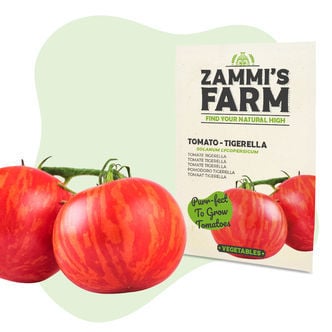
Tigerella Tomato (Solanum lycopersicum) Seeds
Boasting deep red skin with bright orange streaks, Tigerella tomatoes are a real sight for the eyes. This heirloom tomato variety (Solanum lycopersicum) is also very hardy and low-maintenance. Tigerella tomatoes grow well in full sun, and hold up well to mould and pests, though regular pest control is still recommended, as with all tomatoes. They produce aromatic, sweet fruit in 55-60 days.
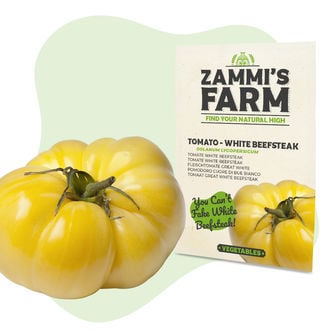
Great White Beefsteak Tomato (Solanum lycopersicum) Seeds
The Great White beefsteak tomato is a real sight for the eyes, producing big, yellowish-white fruit. Pioneered by Thomas Jefferson in his garden in Monticello, these plants are best sown indoors 8 weeks before the last frost and brought outside once the threat of frost has passed. Grow Great White beefsteak tomatoes in full sun, fertilise regularly, and use stakes to support their heavy vines.
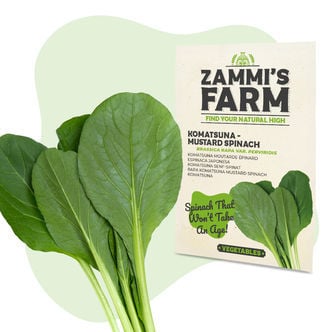
Komatsuna (Brassica rapa var. perviridis) Seeds
Komatsuna is a unique variety of Mustard Spinach (Brassica rapa), also known as Japanese Mustard Spinach. Like other spinach varieties and leafy greens, Komatsuna seeds are best sown outdoors in nitrogen-rich, moisture-retentive soil. Mulching is recommended to help the soil retain more moisture. Seeds can be sown from early spring to autumn. Harvested leaves can be eaten fresh or cooked.
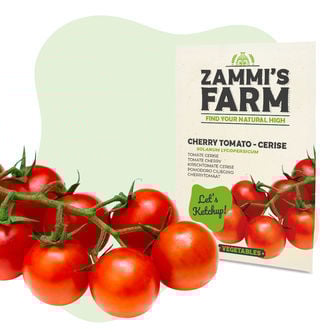
Cherry Tomato - Cerise (Lycopersicon esculentum) Seeds
Who doesn't love nice, fresh cherry tomatoes to enjoy? No matter the weather, you can have a bevy of bright-red beauties in next to no time. Sow seeds in early spring indoors or outside (if living in a warm climate), and they'll be ready come late summer. Give them moist soil and plenty of light and warmth, and you'll be rewarded with a great yield. Perfect for salads and all kinds of cooking.
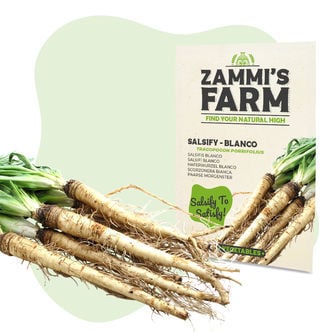
Salsify 'Blanco' (Tragopogon porrifolius) Seeds
Salsify (Tragopogon porrifolius) has long been cultivated in England, Belgium, and France. Sow salsify seeds directly outdoors, leaving 8-10cm between plants and 30-40cm between rows. Salsify likes deep, loose, and fertile soil with plenty of organic material, full sun, and regular watering (especially in warm climates). Harvest roots before plants bloom, followed by shoots and flowers.
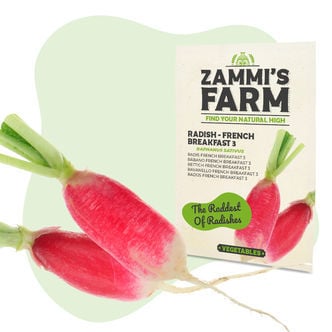
Radish 'French Breakfast 3' (Raphanus sativus) Seeds
Crisp and crunchy are just words to describe the French Breakfast 3 variety of radish. They offer up a great "snap" when eaten and have a fresh flavour that's perfect for blending with other vegetables. In fact, it's even recommended that these seeds are sown next to carrots or lettuce to give them a good biological balance. Begin them in March, and they'll be good later in the summer.