
 8.6 out of 10 based on 80606 reviews







.svg)
.svg)
.svg)
.svg)
.svg)
.svg)



 Menu
Menu
-
 Vaporshop
All Categories
Vaporshop
Vaporshop
All Categories
Vaporshop
- Top 10 Vaporizers
- Spare Parts & Accessories
- AirVape XS GO (2021)
- Arizer Air MAX
- Arizer Extreme Q
- Arizer Solo 2
- Arizer V-Tower
- Arizer XQ2
- Boundless CFC 2.0 Vaporizer
- Boundless CFX
- Boundless TERA (V3)
- CRAFTY+
- DaVinci IQC
- Dr. Dabber Boost EVO
- DynaVap VapCap "M" PLUS 2023
- DynaVap VonG (i) Titanium
- Flowermate Aura
- Flowermate Cap Pro
- Flowermate Slick
- Flowermate V5.0S Pro
- G Pen Elite II
- G Pen Micro+
- G Pen Roam
- Hyer Big-E Rig
- MIGHTY+
- PAX Mini
- PAX Plus
- PLENTY
- Puffco Peak Smart Rig
- Puffco Plus
- Storm Vaporizer
- The Proxy (Puffco)
- VOLCANO CLASSIC
- VOLCANO HYBRID
- Vapman 2.0
- Vapman Click
-
 Smartshop
All Categories
Smartshop
Smartshop
All Categories
Smartshop
- Top 10 Smartshop
- Zamnesia Gift Cards
- After Party
- Aphrodisiacs
- Aromatherapy
- Blue Lotus
- Capsule Machines
- Crystals, Gemstones & Minerals
- Dream Herbs
- Drug Tests
- Extracts
- Happy Caps
- Herbal Tea
- Herbs & Seeds
- Incense
- Kanna
- Kratom
- LSA Seeds
- Mescaline Cacti
- Microdosing
- Nootropics
- Relaxing
- Salvia divinorum
- Smart Seeds
- Stimulants
- Supplements
- Tinctures
- Vape Herbs
-
 TRIBE
All CategoriesTRIBE
TRIBE
All CategoriesTRIBE
- My Membership
- Spend Gift Points
- TRIBE Sale
- Exclusive products
- Earn Extra Gift Points
- Early Access
- Refer a Friend
- Information
 Mushroom Dosage Calculator


 Help
Help United States
Sprouting Seeds for Fresh Jar and Tray Sprouts
Seven seeds on this sprouting seeds list and every one of them is for eating: Rocket (Eruca sativa), Cress (Lepidium sativum), Basil (Ocimum basilicum), a Sprouting Salad Mix, Mung Bean (Vigna radiata), Alfalfa (Medicago sativa) and Broccoli (Brassica oleracea). Sprouting is the low-effort end of growing, so a clean jar, water twice a day, and you've got greens in under a week. To be clear, these are edible sprouting seeds for a jar or tray, not seed for germinating cannabis.


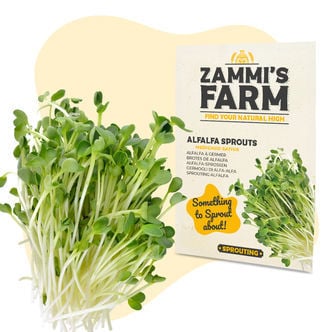
Alfalfa Sprouts (Medicago sativa) Seeds
It takes about 5 days to grow alfalfa sprouts. Use a sprouting jar, soak the seeds in cool water for 8–10 hours, drain well. Spread seeds out in the jar and leave for 10 hours at room temperature, away from direct light. Repeat...

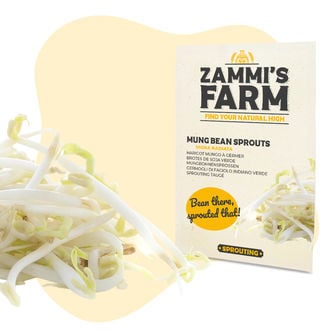
Mung Bean Sprouts (Vigna radiata) Seeds
Vigna radiata, commonly known as the mung bean, is a delicious and highly nutritious legume ideal for stewing or slow cooking. Mung bean sprouts, on the other hand, are fresh and watery, ideal for summer salads or stir-frying. Plus, growing them couldn't be easier; just sprout the beans in damp paper towels and use them when they're about 4–5cm long!
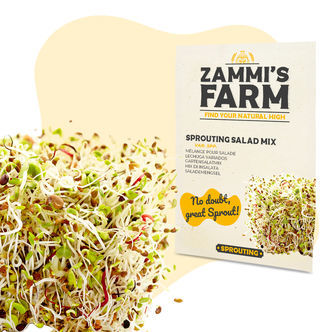
Sprouting Salad Mix Seeds
Jump on the bandwagon and grow sprouts at home with the Sprouting Salad Mix—healthy and delicious mung bean, alfalfa, lentil, fenugreek and yellow mustard sprouts. Grow them in a sprouting jar or one with muslin tied over the top. Soak your
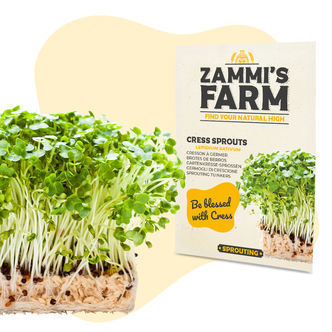
Cress Sprouts (Lepidium sativum) Seeds
Cress Sprouts make for an easygoing and hugely rewarding growing project. Whether situated on a windowsill or as part of your garden, it'll perform with very little maintenance required. This is a fast-growing plant that can be sown and grown all year round. Just be sure to provide temperatures of...
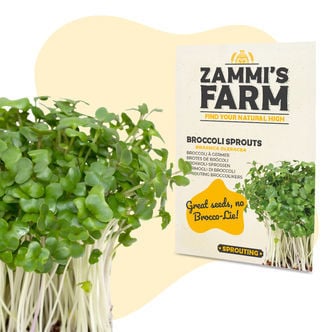
Broccoli Sprouts (Brassica oleracea) Seeds
Whether you like them in your smoothie, salad or sandwich, there's no denying the rich antioxidants and tasty flavours of Broccoli Sprouts. They're also incredibly simple to cultivate. Sow the seeds in a pot in early Spring and give them plenty of sun, warmth and a little water now and again, and...
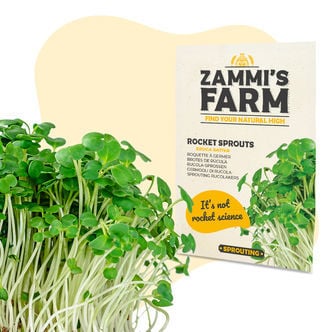
Rocket Sprouts (Eruca sativa) Seeds
The peppery leaves of Rocket Sprouts make for the ideal addition to a wide variety of dishes; what's more, is that the path to this tasty produce is an extremely easy one, regardless of your prior expertise! Rocket Sprouts can be grown in indoor, outside, and greenhouse settings and require very little in the way of maintenance. Sow
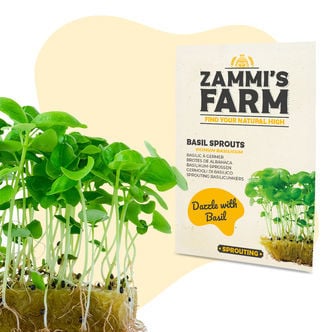
Basil Sprouts (Ocimum basilicum) Seeds
Basil (Ocimum basilicum) is a beloved, highly fragrant herb. But did you know that basil sprouts are equally delicious yet much more nutritious? To grow yours, simply sow seeds at a high density in a propagator and harvest your sprouts after roughly 10 days. Use just as you would normal basil, with the...
From Dry Seed to Crunchy Sprout on Your Kitchen Counter
Say it's February, you want something crunchy in a sandwich, and you don't have a garden. One jar, a spoonful of seed and about five days is the entire setup. If you can't decide where to start, the Sprouting Salad Mix seeds put mung bean, alfalfa, lentil, fenugreek and yellow mustard in the same jar, so one batch gives you five flavours instead of one.
Your First Jar of Sprouts, Start to Plate
Soak time and rinse-and-drain cycle
With the salad mix, soak the seeds for about 8 hours and drain thoroughly, then rinse and drain twice a day. Once sprouts show, park the jar somewhere well lit until they reach the size you want. Alfalfa sprouts seeds (Medicago sativa) work the same way: soak 8-10 hours in cool water, drain well, spread the seeds out in the jar, then leave them for 10 hours at room temperature away from direct light before the next rinse. Draining is the step people rush, and it's the one that matters most, so tip the jar at an angle and keep water off the crown.
Germination rate and days to harvest
Alfalfa takes around 5 days and comes out fine and grassy. Basil sprouts seeds (Ocimum basilicum) get sown thick in a propagator and are ready in roughly 10 days, with that same sweet aniseed smell you get off the full-grown herb. Mung bean sprouts seeds (Vigna radiata) sprout happily between damp paper towels and are best used at about 4-5 cm, when they still snap and taste watery-fresh. Rocket sprouts seeds (Eruca sativa) bring the peppery bite, cress sprouts seeds (Lepidium sativum) are the fastest of the lot and grow all year round at around 20-22°C, and broccoli (Brassica oleracea) is the one exception here: sow those in a pot in early spring with plenty of sun and a little water, and you're picking in August. Germination rate is the other half of the timing, and it slips with old or damp seed, so buy the amount you'll actually get through.
Seed hulls and hull rinsing
Sprouts get eaten whole, seed and all, so hull rinsing is part of the job. As alfalfa and rocket push up, the papery seed hulls come loose and float, and a swirl of water at each rinse carries most of them away. Rinse with clean drinking water, wash the jar and lid between batches, and wash your hands before you handle wet seed. Watch out for standing water: leave a puddle in there overnight and the whole batch smells sour by morning, and at that point it goes in the bin, not on your plate. Keep the bag dry and cool and it stays viable for a long while.
Jar, Tray or Paper Towel, and Which Seed We'd Buy First
Sprouting tray and stackable sprouter, or just a jar
A jar with a mesh lid, or a jar with muslin tied over the top, handles alfalfa, mung bean and the salad mix without any fuss. A sprouting tray and stackable sprouter are the usual step up for the leafier ones, basil and cress especially, because you snip them off rather than tip them out, though we don't sell sprouting equipment on this shelf. Paper towels are the cheapest way in and fine for mung beans, but they dry out if you forget a rinse, so a jar is more forgiving. One thing worth separating: Microgreens are their own Zamnesia category, not these. Sprouts spend a few days in water and are eaten whole, seed included, while microgreens grow on in substrate and get cut above the seed. The honest gap in this shelf: no radish, pea shoot or red clover, just the seven types listed above. If it's your first go, get cress for speed and the Sprouting Salad Mix for variety, and keep single-variety alfalfa for when you know which one you actually eat most.
Frequently asked questions
- Which seeds can I sprout at home?
On this shelf: Rocket (Eruca sativa), Cress (Lepidium sativum), Basil (Ocimum basilicum), Mung Bean (Vigna radiata), Alfalfa (Medicago sativa), Broccoli (Brassica oleracea) and a Sprouting Salad Mix that combines mung bean, alfalfa, lentil, fenugreek and yellow mustard. All seven are food seeds meant for eating as sprouts. Cress and basil do better in a tray or propagator, the rest are happy in a jar.
- How do you sprout seeds in a jar?
Soak the seeds first, roughly 8 hours for the salad mix and 8-10 hours for alfalfa, then drain them thoroughly. Spread the seeds around the jar, cover it with mesh or muslin, and rinse and drain twice a day. Once you see sprouts, move the jar somewhere well lit and harvest when they hit the size you like.
- Which sprouts grow the fastest?
Cress is the quickest starter and can be sown all year round at around 20-22°C. Alfalfa takes about 5 days in a jar, mung beans are ready when they reach roughly 4-5 cm, and basil needs around 10 days sown thick in a propagator. Broccoli is the slow one here, since it goes in a pot in early spring and gets picked in August.
- Are these seeds for sprouting cannabis?
No. Everything in this category is edible sprouting seed for a jar or tray, the kind you rinse for a few days and put in a salad or a stir-fry. Rocket, cress, basil, mung bean, alfalfa, broccoli and the salad mix are all food crops and nothing here relates to cannabis in any way.