
 8.6 out of 10 based on 80578 reviews







.svg)
.svg)
.svg)
.svg)
.svg)
.svg)



 Menu
Menu
-
 Vaporshop
All Categories
Vaporshop
Vaporshop
All Categories
Vaporshop
- Top 10 Vaporizers
- Spare Parts & Accessories
- AirVape XS GO (2021)
- Arizer Air MAX
- Arizer Extreme Q
- Arizer Solo 2
- Arizer V-Tower
- Arizer XQ2
- Boundless CFC 2.0 Vaporizer
- Boundless CFX
- Boundless TERA (V3)
- CRAFTY+
- DaVinci IQC
- Dr. Dabber Boost EVO
- DynaVap VapCap "M" PLUS 2023
- DynaVap VonG (i) Titanium
- Flowermate Aura
- Flowermate Cap Pro
- Flowermate Slick
- Flowermate V5.0S Pro
- G Pen Elite II
- G Pen Micro+
- G Pen Roam
- Hyer Big-E Rig
- MIGHTY+
- PAX Mini
- PAX Plus
- PLENTY
- Puffco Peak Smart Rig
- Puffco Plus
- Storm Vaporizer
- The Proxy (Puffco)
- VOLCANO CLASSIC
- VOLCANO HYBRID
- Vapman 2.0
- Vapman Click
-
 Smartshop
All Categories
Smartshop
Smartshop
All Categories
Smartshop
- Top 10 Smartshop
- Zamnesia Gift Cards
- After Party
- Aphrodisiacs
- Aromatherapy
- Blue Lotus
- Capsule Machines
- Crystals, Gemstones & Minerals
- Dream Herbs
- Drug Tests
- Extracts
- Happy Caps
- Herbal Tea
- Herbs & Seeds
- Incense
- Kanna
- Kratom
- LSA Seeds
- Mescaline Cacti
- Microdosing
- Nootropics
- Relaxing
- Salvia divinorum
- Smart Seeds
- Stimulants
- Supplements
- Tinctures
- Vape Herbs
-
 TRIBE
All CategoriesTRIBE
TRIBE
All CategoriesTRIBE
- My Membership
- Spend Gift Points
- TRIBE Sale
- Exclusive products
- Earn Extra Gift Points
- Early Access
- Refer a Friend
- Information
 Mushroom Dosage Calculator


 Help
Help United States
Vape Herbs: Dried Herbs to Vape and Blend
Vape herbs are dried botanicals you can vaporize on their own or blend together, from soft floral lavender to sharp, savoury thyme. They contain no tobacco and no nicotine, and because a vaporizer heats rather than burns, you get the aromatic compounds without the smoke. Each herb has its own sweet spot on the dial, so below you will find our full range, what each one smells and tastes like, and the temperature to set.
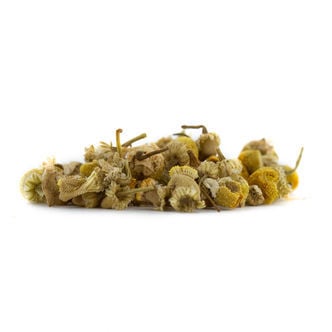
Chamomile (50 grams)
The history of chamomile reaches back to ancient Egypt, Greece and Rome. The "chamomile" stems from the Greek term "chamaimēlon", which translates to "earth-apple", attributable to the apple-like scent the plant gives off.
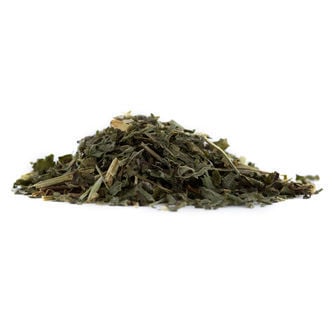
Lemon Balm (Melissa officinalis) 20g
Lemon Balm (Melissa officinalis) is a fragrant herb from the mint family, native to the Mediterranean and south-central Europe. Its leaves release a fresh lemon scent when touched. This 20g pack contains dried lemon balm leaves, suited for use as a loose-leaf herbal infusion.
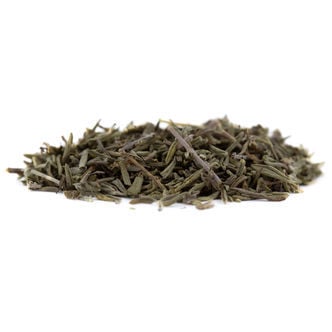
Thyme (Thymus vulgaris) 20g
Thyme (Thymus vulgaris) is a familiar herb from the Lamiaceae family, native to southern Europe and prized for its warm, savoury aroma. These shredded dried leaves suit culinary use, herbal infusions, and homemade cosmetic preparations. 20g.
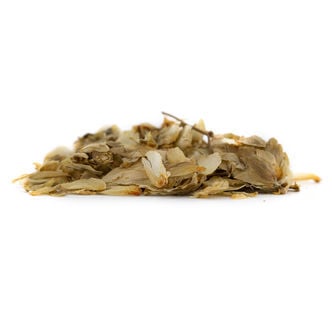
Hops Flowers (Humulus lupulus) 20g
Hops Flowers (Humulus lupulus) are the dried cone-shaped strobiles of a climbing vine in the Cannabaceae family. Best known from brewing, the plant has a long history of traditional household use. Sourced from Europe, this 20g pack contains dried strobiles ready for tea preparation.
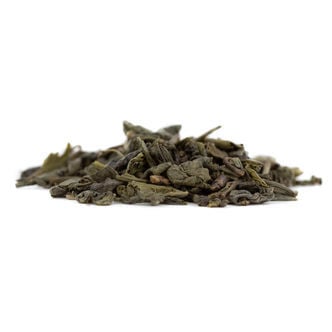
Gunpowder Tea (Camellia sinensis) 100g
Gunpowder Tea (Camellia sinensis) is a green tea from Zhejiang Province, China, hand-rolled into small, dense pellets that unfurl when brewed. Nutty and smoky in flavour with an intensely earthy aroma. Supplied as 100g loose leaf.
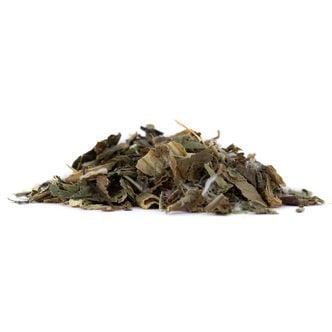
Wild Lettuce (Lactuca virosa)
Wild Lettuce (Lactuca virosa) is a dried, shredded leaf herb native to South and Central Europe, known colloquially as opium lettuce, a folk name rooted in its long history of traditional use across the continent. The dried leaf has a distinctly bitter, slightly earthy taste. Brew it as a tea or reduce it slowly into a thick dark extract.
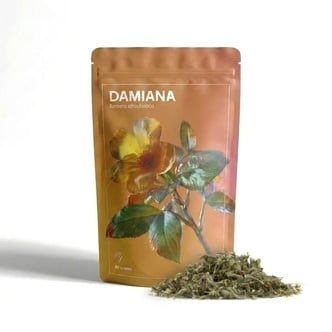
Damiana | Turnera afrodisiaca
Damiana (Turnera afrodisiaca) has a relaxing effect with a euphoric high for 1-2 hours after taking, and like its Latin name suggests, is a mild but effective aphrodisiac.
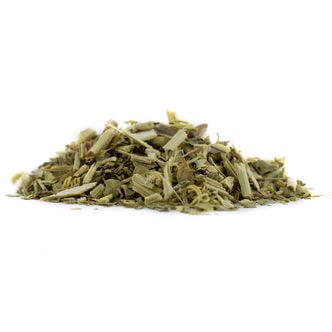
Passionflower (80 grams)
Passionflower is a soothing plant that can be enjoyed in numerous ways. It can be made into a tea, tincture, or capsules—the possibilities are nearly endless. Traditionally used for holistic purposes in the Americas and Europe, passionflower has found its place in the modern day.
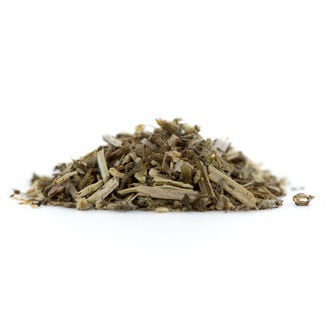
Catnip (Nepeta cataria)
Catnip (Nepeta cataria), also known as catmint, is a dried herb from the mint family (Lamiaceae) native to Europe and southwestern and central Asia. The leaves and flowering tops carry a pungent, thyme-and-oregano scent and a mint-like taste. Widely known as a feline intoxicant, it has a long history of traditional use as a botanical tea herb.
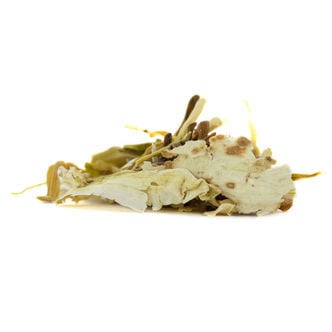
White Lotus (20 grams)
White Lotus is extremely similar to Blue Lily and can produce a sense of floating and euphoria when ingested. The dried buds and petals can be prepared as a tea or concoction. Content: 20 grams
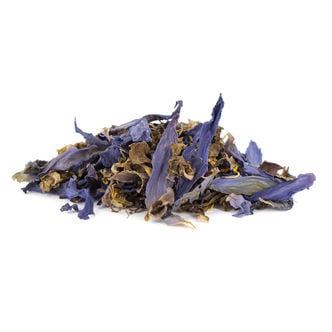
Blue Lotus (Nymphaea caerulea)
Blue Lotus (Nymphaea caerulea) is first mentioned in the Egyptian Book of the Dead; blue and white lotuses were the most important ritual plants in ancient Egypt. The flowers were worn in the hair of the living and the dead, and were an important ornamental element in Egyptian art.
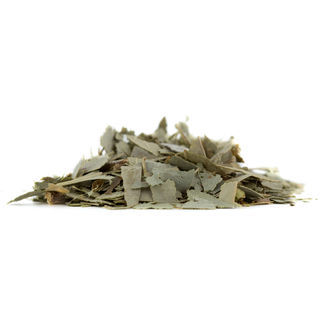
Eucalyptus globulus 20g
Eucalyptus (Eucalyptus globulus) is an evergreen tree native to Tasmania and southern Victoria, Australia. These shredded dried leaves carry a strong, camphoraceous aroma that is immediately recognisable. Supplied as 20g of shredded dried leaf, ready for loose-leaf infusion.
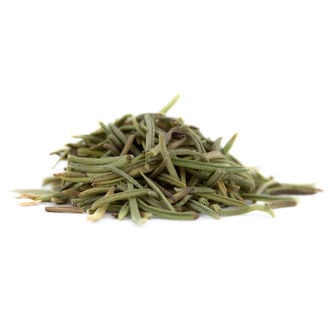
Rosemary (Rosmarinus officinalis) 20 grams
Rosemary is aromatic, flavourful, and extremely versatile. Whether you're looking to brew a tea, add a little to a blended smoothie, bake it into bread, or even place some in an aroma lamp, there's plenty to get out of this perennial plant. This 20-gram pack is ideal for adding a little rosemary into your daily life.
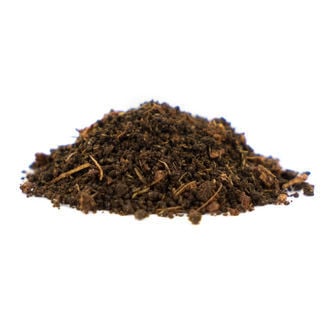
Kanna Extract UB40
The relaxing properties of Kanna, a narcotic plant that is native to South Africa are known for more than 300 years. Tribesmen used the plant as a mild recreational drug for pleasure and for relaxation. The Kanna UB40 extract is especially made for vaporizing. While the effect doesn’t...
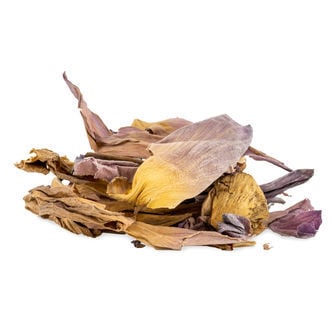
Pink Lotus (20 grams)
Used for many centuries, pink lotus still has a place in the modern world. By brewing up a batch of pink lotus tea, it's never been easier to experience all of the aromatic nuances that this flower provides.
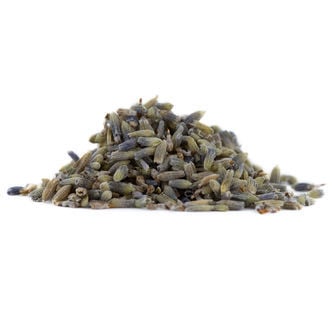
Lavender (Lavandula angustifolia) 20g
Lavender (Lavandula angustifolia) is a fragrant Mediterranean herb from the Lamiaceae family, with one of the longest documented histories of use of any cultivated plant. Its dried flowers carry a softly floral, subtly sweet aroma and translate easily into tea, culinary preparations, and cosmetic use. Supplied as 20g of dried flowers.
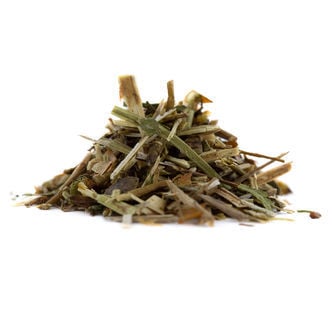
St. John's Wort (Hypericum perforatum) 20g
St. John's Wort (Hypericum perforatum) is a herbaceous perennial in the family Hypericaceae, native across Europe, central Asia, and northern Africa. It is recognised by its bright yellow five-petalled flowers and leaves that show small perforations when held to the light, the feature that gives the species its botanical name. This pack contains 20g of dried herb.
Vape herbs: what to vape and at what temperature
Seventeen dried herbs, one dial, and a lot of room to experiment. Here is what they are, which to pick, and the temperature each one wants.
What are vape herbs?
Vape herbs are simply dried plant material chosen for aroma rather than nicotine. A dry herb vaporizer warms the material to the point where its essential oils turn to vapour but stops short of combustion, which is the line that separates vaping from smoking. Technically it sits closer to aromatherapy than to anything else, and most of these plants have centuries of use behind them: lemon balm has been documented for over 2,000 years, and lavender appears in ancient Greek writing under the name Nardus.
Which herbs can you vape?
Lavender and Lemon Balm
Both belong to the Lamiaceae family, the same one as mint. Lavender is floral and slightly sweet and runs coolest of everything here at 130 C. Lemon balm is brighter and citrus-edged at 140 C. They are the two most forgiving herbs to start with because low temperatures are hard to scorch.
Thyme, Rosemary and Eucalyptus
The savoury, resinous end of the range. Thyme is warm and immediately recognisable, and it takes a high 190 C. Rosemary brings needle-like Mediterranean leaves, and eucalyptus, grown in Tasmania and southern Victoria, is the sharpest and coldest-smelling of the three. Use these sparingly in a blend unless you want them to dominate.
Chamomile and Hops Flowers
Chamomile is the apple-sweet one, an Asteraceae daisy relative used since ancient Egypt, and it wants a full 190 C. Hops is the interesting one botanically: Humulus lupulus belongs to Cannabaceae, the same plant family as cannabis, and the dried cones are the same strobiles that go into beer. It vaporizes at 160 C.
Gunpowder Tea
Yes, you can vape tea. Gunpowder is Camellia sinensis rolled into dense pellets in Zhejiang province, and at 180 C it gives a light, grassy vapour. The 100 g pack is by far the largest here, which makes it the cheapest way to bulk out a blend.
Wild Lettuce, Damiana and Passionflower
The traditional trio. Wild lettuce carries the folk alias opium lettuce through European herbal writing, damiana grows across the southern USA and South America and once appeared in a wine made by the inventor of Coca-Cola, and passionflower comes from a genus of roughly 550 American species. Damiana runs hot at 190 C, passionflower cool at 145 C. Alongside them sit Catnip at 150 C and the three lotus flowers, including Blue Lotus, which despite the name is a water lily.
What temperature to vape herbs at
This is the part most people get wrong, and it matters more than the herb you choose. Too low and nothing happens; too high and you scorch the material and lose the flavour you paid for. Our own vaping temperature guide breaks it into three bands: under 150 C for the delicate florals, 150 to 190 C for the middle of the range, and above 190 C for the herbs that need real heat to release anything.
| Herb | Vaporizing temperature |
|---|---|
| Lavender | 130 C |
| Lemon Balm | 140 C |
| Passionflower | 145 C |
| Catnip | 150 C |
| Hops Flowers | 160 C |
| Gunpowder Tea | 180 C |
| Chamomile | 190 C |
| Damiana | 190 C |
| Thyme | 190 C |
Rosemary, eucalyptus, wild lettuce, the lotus flowers and the kanna extract have no published figure, so treat the bands above as your starting point and work upwards in small steps. Start low. You can always turn the dial up, but you cannot un-scorch a bowl.
How to build a blend
Blending works best with three roles in mind. A base herb makes up the bulk and should be something neutral and voluminous, which is where the 100 g of gunpowder tea earns its place. A supporting herb carries the character you actually want. A flavouring herb goes in last and in small amounts, because thyme, rosemary and eucalyptus will take over a blend given half a chance. Grind everything to a similar consistency so it heats evenly, and note that Kanna Extract UB40 is the one product here made specifically for vaporizing rather than dried leaf.
Do you need a dry herb vaporizer?
Yes, and it needs to be one built for dry material rather than e-liquid. Conduction devices heat the herb against a hot surface and are quicker off the mark; convection devices pass hot air through the material and are gentler and more even, which suits the delicate florals. If you are still choosing, the vaporizers section covers portable and desktop units, and CBD vape juice is there if you would rather vape a liquid than a leaf.
Choosing and storing your herbs
Dried botanicals lose their aromatics to light, heat and air, which is the whole reason a jar beats a bag. Keep them somewhere cool and dark and they will hold their character for months; leave them on a sunny shelf and thyme turns to hay. Pack sizes here run from 20 g for most of the range up to 50 g of chamomile and 100 g of tea. For more ideas on what to pair, our guides on relaxing vape herbs, energising vape herbs and aphrodisiac vape herbs go deeper than we can here.
Vape herbs: common questions
- What temperature should I vape herbs at?
It depends on the herb. Lavender is happiest around 130 C and lemon balm around 140 C, while chamomile, thyme and damiana need roughly 190 C. As a rule, start below 150 C and work up in small steps until you get good vapour without any burnt taste.
- Can you vape herbs in any vaporizer?
You need a dry herb vaporizer. Devices built for e-liquid or concentrates will not heat loose plant material properly. Convection models pass hot air through the herb and tend to suit delicate flowers better, while conduction models heat faster.
- Do vape herbs contain nicotine or tobacco?
No. Everything in this range is dried plant material with no tobacco and no nicotine added.
- Can I mix vape herbs together?
That is where most of the fun is. Use a neutral, bulky herb such as gunpowder tea as your base, add one herb for character, and finish with a small pinch of something strongly aromatic like thyme or eucalyptus. Grind everything to a similar size so it heats evenly.
- How should I store dried vape herbs?
In an airtight jar, somewhere cool and dark. Light, warmth and open air strip out the volatile oils that give each herb its aroma, so a sealed container in a cupboard will keep them usable far longer than the bag on a windowsill.