
 8.6 out of 10 based on 80488 reviews








.svg)
.svg)
.svg)
.svg)
.svg)
.svg)



 Menu
Menu
-
 Vaporshop
All Categories
Vaporshop
Vaporshop
All Categories
Vaporshop
- Top 10 Vaporizers
- Spare Parts & Accessories
- AirVape XS GO (2021)
- Arizer Air MAX
- Arizer Extreme Q
- Arizer Solo 2
- Arizer V-Tower
- Arizer XQ2
- Boundless CFC 2.0 Vaporizer
- Boundless CFX
- Boundless TERA (V3)
- CRAFTY+
- DaVinci IQC
- Dr. Dabber Boost EVO
- DynaVap VapCap "M" PLUS 2023
- DynaVap VonG (i) Titanium
- Flowermate Aura
- Flowermate Cap Pro
- Flowermate Slick
- Flowermate V5.0S Pro
- G Pen Elite II
- G Pen Micro+
- G Pen Roam
- Hyer Big-E Rig
- MIGHTY+
- PAX Mini
- PAX Plus
- PLENTY
- Puffco Peak Smart Rig
- Puffco Plus
- Storm Vaporizer
- The Proxy (Puffco)
- VOLCANO CLASSIC
- VOLCANO HYBRID
- Vapman 2.0
- Vapman Click
-
 Smartshop
All Categories
Smartshop
Smartshop
All Categories
Smartshop
- Top 10 Smartshop
- Zamnesia Gift Cards
- After Party
- Aphrodisiacs
- Aromatherapy
- Blue Lotus
- Capsule Machines
- Crystals, Gemstones & Minerals
- Dream Herbs
- Drug Tests
- Extracts
- Happy Caps
- Herbal Tea
- Herbs & Seeds
- Incense
- Kanna
- Kratom
- LSA Seeds
- Mescaline Cacti
- Microdosing
- Nootropics
- Relaxing
- Salvia divinorum
- Smart Seeds
- Stimulants
- Supplements
- Tinctures
- Vape Herbs
-
 TRIBE
All CategoriesTRIBE
TRIBE
All CategoriesTRIBE
- My Membership
- Spend Gift Points
- TRIBE Sale
- Exclusive products
- Earn Extra Gift Points
- Early Access
- Refer a Friend
- Information
 Mushroom Dosage Calculator


 Help
Help United States
Smart Seeds: Mescaline Cactus and Ethnobotanical Plant Seeds
Cleared a bright windowsill and want something on it that your mates won't recognise? Smart Seeds is our shelf of ethnobotanical and psychoactive plant seeds: mescaline cacti like San Pedro (Echinopsis pachanoi) and Peruvian Torch, the mint-family daggas, ephedras, poppies, tobaccos, and climbing vines such as Hawaiian Baby Woodrose. These are seeds for growing and collecting, sold in fresh batches and posted in plain packaging. Bring patience for the cacti and you'll be fine.

Trippy Garden Pack - Smart Seeds
This Trippy Garden Pack contains a range of different seeds that will flourish into plants containing legal psychoactive compounds. If a herb garden doesn't quite cut it for you, then these seeds will give you a real project. Experiment with a range of psychoactive plants and see which you like the best.
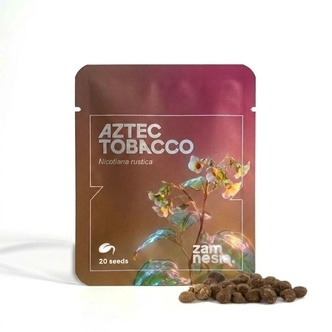
Aztec Tobacco (Nicotiana rustica) 20 seeds
Aztec Tobacco (nicotina rustica), also known as Mapacho, is a wild tobacco plant from the southern part of Mexico and the Yucatan peninsula. What makes this tobacco variety different from others is its strength. This tobacco can have up to twenty times more nicotine than regular tobacco. With our fresh Mapacho seeds you can now grow your own Mapacho tobacco plants at home!

Green Mormon Tea Seeds (Ephedra viridis) 20 Seeds
Green Mormon Tea (Ephedra viridis) is a striking desert shrub native to the rocky slopes and canyon walls of the western United States. This pack contains 20 seeds for growing this unusual, slow-growing evergreen at home.

Velvet Bean Seeds (Mucuna pruriens)
Velvet Bean (Mucuna pruriens) is a fast-growing tropical climbing legume native to Africa and Asia. A member of the Fabaceae family, it produces large pods covered in fine irritating hairs and has a long history of traditional use across Ayurvedic and other botanical traditions.
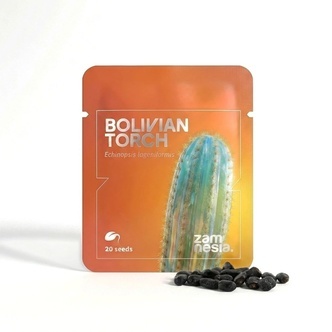
Bolivian Torch (Echinopsis lageniformis) 20 seeds
The Bolivian Torch (Echinopsis lageniformis) is one of the psychedelic cacti of South America that plays an important role in Shamanic rituals. It is similar in appearance to the San Pedro cactus but with fewer and wider ribs....
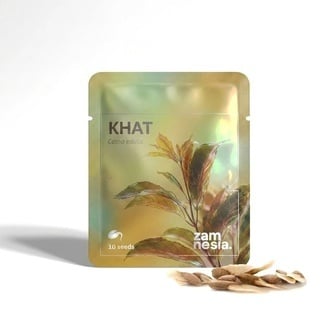
Khat (Catha edulis) 10 seeds
Khat (Qat aka “Flower of Paradise”) is an evergreen shrub that is native to Arabia and East Africa. In these regions of the world, Khat is cultivated and widely consumed as a chew because of the plant’s effect that can cause slight excitement and euphoria. With our fresh Khat seeds you can grow your own genuine Khat plants easily at home!

Ma Huang Seeds (Ephedra sinica) 20 Seeds
Ma Huang (Ephedra sinica) is a perennial shrub native to northern China, recognised by its slender, jointed green stems and long history of traditional use. Each pack contains 20 seeds to grow this rare desert-adapted plant at home.

Morning Glory Seeds (Ipomoea tricolor) 10g
Morning Glory (Ipomoea tricolor) is a fast-growing annual vine native to tropical America, with a long history of ceremonial use among the ancient Maya. Seeds contain lysergic acid amide (LSA), a documented indole alkaloid of the species. Supplied as a 10g pack.
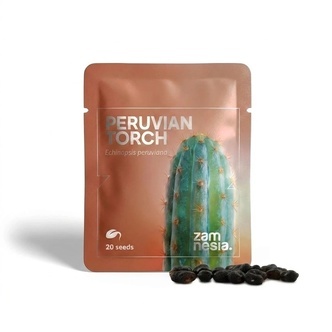
Peruvian Torch (Echinopsis peruviana) 20 seeds
Echinopsis peruviana, better known as the Peruvian Torch cactus is another of the hallucinogenic cacti that is native to South America. The Peruvian Torch contains the psychoactive alkaloid mescaline which makes for powerful, altered states of consciousness. With our fresh Peruvian Torch (Trichocereus peruvianus) seeds you can now grow this sacred cactus easily at home.
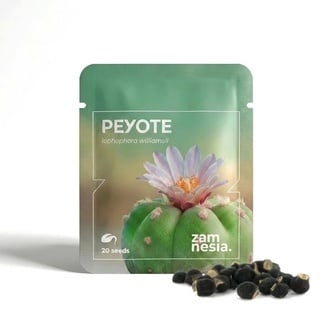
Peyote (Lophophora williamsii) 20 seeds
With our freshly harvested high quality Lophophora williamsii (Peyote) seeds you can now grow your own Peyote cacti at home. As compared to fully grown Peyote cacti plants, cultivating your own Peyote can be more economic because you can grow them at relatively low cost. Plus, being able to watch your Peyote seeds grow to full-grown flowering plants can make for a fascinating hobby all on...
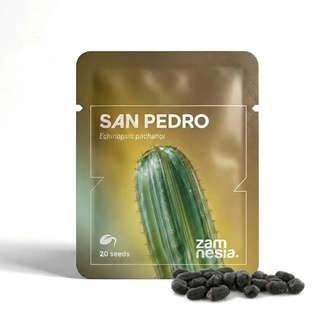
San Pedro (Echinopsis pachanoi) 20 seeds
Echinopsis pachanoi, the original San Pedro cactus is one of the sacred cacti of South America. For centuries, this cactus has played an important role in Shamanic culture. The cactus is a native to Bolivia and contains psychoactive compounds, the most important one Mescaline. With our fresh Echinopsis pachanoi...
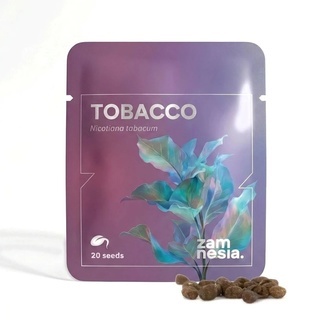
Tobacco (Nicotiana tabacum) 20 seeds
Christopher Columbus, when he set out to find the New World was the first Westerner that came in contact with a plant that the natives called Tobacco. The peoples of the newly discovered land dried the leaves, lit them and engaged in a strange ritual of “smoking” for recreational purposes. Tobacco (Nicotiana tabacum) is now cultivated everywhere and you too can grow Tobacco with our fresh...
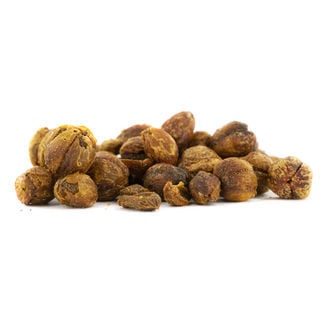
Black Oil Plant Seeds (Celastrus paniculatus) 5 grams
Celastrus paniculatus, also known as Black oil plant, climbing staff tree and intellect tree is a woody, fruit-bearing vine from India.
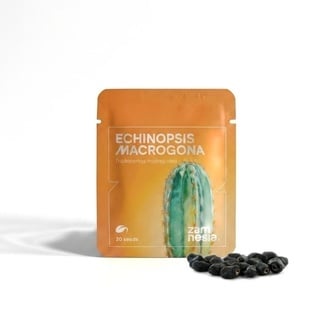
Echinopsis macrogona (Trichocereus macrogonus) 20 seeds
Echinopsis macrogona (AKA Trichocereus macrogonus) is a sacred cactus. Like the Peruvian torch cactus, Echinopsis macrogona contains mescaline which gives it powerful psychedelic and hallucinogenic properties. With the Echinopsis macrogona seeds available at Zamnesia you can now grow this sacred cactus at home!

Hawaiian Baby Woodrose Madagascar (Argyreia nervosa) 10 seeds
Due to popular demand, we've added this Madagascar variety of Hawaiian Baby Woodrose Seeds, which is reportedly stronger than other varieties.
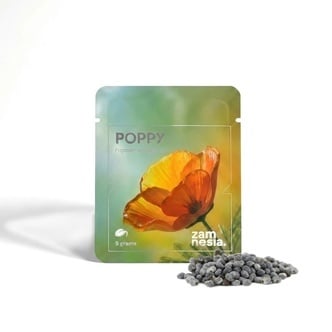
Poppy (Papaver somniferum) 5 grams
Poppy (Papaver somniferum) is the plant from which opium, morphine, and heroin are made. The poppy seeds themselves don’t contain any alkaloids. With Zamnesia Poppy Seeds, you can grow your own poppy plants at home with ease!
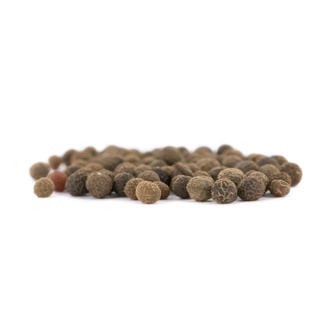
California Poppy (Eschscholzia californica) 100 seeds
California poppy makes a stunning addition to many ornamental gardens, earning attention due to its bright and vibrant orange shades.
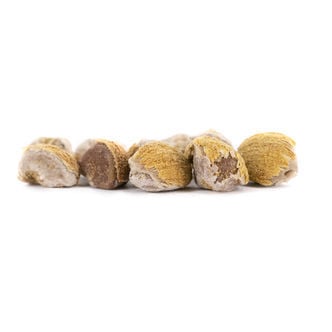
Hawaiian Baby Woodrose (Argyreia nervosa) 10 seeds
Hawaiian baby woodrose (Argyreia nervosa) is a perennial climbing vine with large heart-shaped leaves and white trumpet-shaped flowers. Originally native to India, it now grows around the world, including Hawaii. Its large furry seeds grow in seedpods and contain the psychedelic LSA.
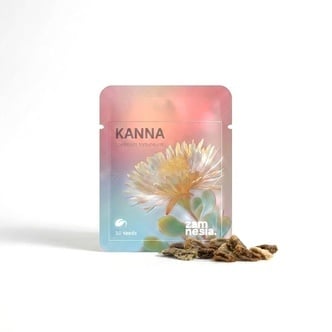
Kanna (Sceletium tortuosum) 10 seeds
Sceletium tortuosum, commonly known as Kanna, is a succulent plant native to South Africa. Local people chew it for mood elevation. The plant is carefree and makes a great houseplant, but is hard to find in garden centers, so you need a seed supplier.

Prickly Pack - Mescaline Cacti Seeds
This variety pack of cactus seeds contains everything you need to start cultivating your own mescaline cacti at home! There are numerous species of mescaline-containing cacti, and each one has a slightly different combination of alkaloids, giving each distinct effects. With this pack, you have a range of mescaline...
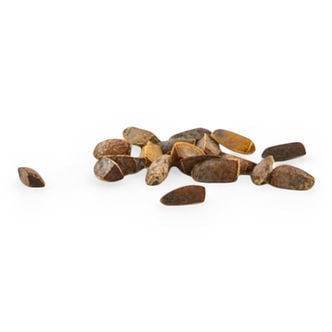
Marihuanilla (Leonurus sibiricus) Seeds
A beautiful plant with a tall central stem and enchanting purple/pink flowers, marihuanilla (Leonurus sibiricus) can easily take centre stage in any garden. Its smell is similar to that of a cannabis plant and it attracts plenty of helpful pollinators. Plants enjoy sunny spots and well-drained soil, and overall, they are not excessively demanding.
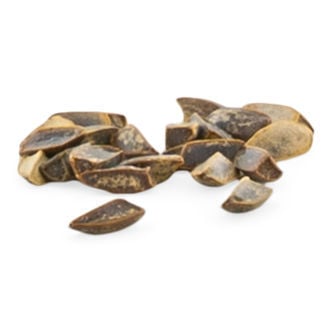
Wild Dagga (Leonotis leonurus) Seeds
Originating from South Africa, wild dagga makes for an eye-catching plant, thanks to its bright orange colouring. Not only appealing to the eye, this plant is also easy to cultivate, making it appropriate for growers of all levels. The seeds can be sown anytime, but perform best between February and May. A little upkeep is required, and they'll deliver year-round.
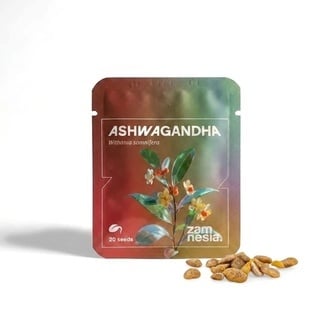
Ashwagandha (Withania somnifera) 20 seeds
Ashwagandha (Withania somnifera) is a shrub native to India, and it has been used for many years in the Ayurvedic tradition. Attractive and easy to cultivate, why not try growing it in your very own garden?
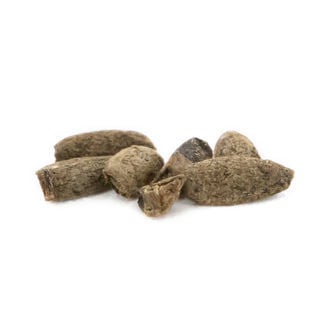
Klip Dagga (Leonotis nepetifolia) Seeds
Native to Africa and Southern India, klip dagga is a colourful plant with a unique appearance. Fortunately, it's also pretty simple to grow. Sow the seeds indoors at the end of April in moist soil, and keep the same conditions until they germinate. Then, move them outside so they can flourish. Provide them with...
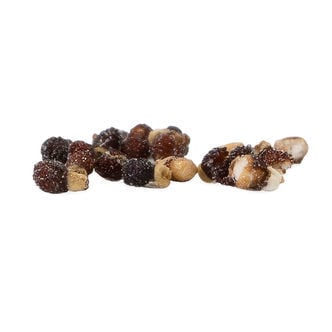
Aztec Cactus (Aztekium ritteri) 20 seeds
Aztekium ritteri is native to the Nuevo Leon region of north-east Mexico. It was a sacred plant to the Tarahamara Indians. Much in the same way San Pedro or Peyote are sacred in other regions of Mexico and South America. Aztekium was named after its resemblance to the distinctive shapes of Aztec pyramids.
Two Trays, One Windowsill: What Actually Grows From These Seeds
Picture two seed trays going by spring. One is a gritty mineral mix with cactus seed dusted over the top, a pot you'll still own in ten years. The other is soft potting soil with poppies and daggas in it, filling a border by August. That's the honest split on this smartshop shelf: species that make you wait, and species that get on with it. Both are worth a tray, and most people end up with one of each. Nothing here turns around in three weeks the way a magic mushroom grow kit does. These are botanical projects measured in seasons, and what you get at the end is a living plant with a documented place in the ethnobotany of the Andes, the Chihuahuan desert, the South African Karoo or the Indian subcontinent.
What Are Smart Seeds?
Smart seeds is simply the shelf name for seed of ethnobotanical species: plants with a documented history of traditional use somewhere in the world, sold as seed for you to grow. There is no single family or growth habit involved, which is why a columnar Andean cactus sits next to a Mediterranean poppy and a South African mint relative. What they share is a paper trail in the ethnographic and botanical literature, and a place on a windowsill or in a border. Think of them as garden and collection projects first, with the reading you do around them as part of the appeal.
Echinopsis pachanoi, peruviana, lageniformis: The Mescaline Cacti
Mescaline is the principal alkaloid associated with this group, and it is the reason the columnar Trichocereus species of the Andes and the small globular Lophophora of Mexico turn up side by side in the archaeological and ethnographic record, from Chavin-period stonework in Peru to Huichol accounts in Mexico. As seed, though, they are simply cacti: fine, light-hungry, and slow.
The Columnar Andean Trichocereus Group
San Pedro (Echinopsis pachanoi) is the one people search for by name, and it's the quickest of the columnar cacti here. In the wild it grows on Andean slopes in Peru and Ecuador between roughly 2,000 and 3,000 metres, forming ribbed blue-green columns with widely spaced spines that branch from the base and can pass 3 metres in old specimens. It tolerates more water and more humidity than desert cacti, which is why a peat-based cactus and succulent soil suits it, and why seedlings appreciate high humidity under a lid while they germinate. Established plants can put on 20 to 30 cm in a good summer, so a bright windowsill will hold one for several years before it wants a greenhouse or a sheltered patio in summer. Peruvian Torch (Echinopsis peruviana) comes from the western Peruvian slopes and has a more silvery blue-grey skin with longer honey-coloured spines; it likes sharper drainage and full sun and is a touch slower. Bolivian Torch (Echinopsis lageniformis) comes from the dry valleys of Bolivia, is a glaucous green, spines freely, branches early and is one of the more vigorous growers once past the seedling stage. Echinopsis macrogona (Trichocereus macrogonus) sits in the same group of tall Andean species, with thicker stems and fewer, blunter ribs.
Each of those comes as 20 seeds, and the seed itself is barely bigger than ground pepper, so sow it on the surface and resist the urge to bury it; it needs light as well as warmth of around 20 to 25C to break dormancy. The Prickly Pack bundles Peyote, Peruvian Torch, San Pedro, Bolivian Torch and Echinopsis macrogona seeds together with cactus nutrients, which is the easier route into all five than buying them one by one. Because seedlings need three or four years before they read as a proper column, plenty of growers run a tray and keep a rooted specimen alongside it as a reference point: the same species are available as established live plants, whether that's San Pedro, Peruvian Torch or the Bolivian Torch.
Peyote (Lophophora williamsii) and Aztec Cactus (Aztekium ritteri)
Peyote is a native of the Chihuahuan desert, from southern Texas down to San Luis Potosi, and it grows as a pale blue-green globular button rather than a column: no spines, tufts of white wool at the areoles, a fat taproot below and pink or white flowers from the crown once the plant is several years old. It wants very mineral soil, a mix of roughly 50% sand, 25% grit or bims and 25% regular potting soil, a minimum of 10C, a dry winter rest and as much direct sun as you can give it. Growth is measured in millimetres a year, so a seed-raised plant may take the better part of a decade to fill a 6 cm pot, and it will never outgrow a windowsill. Growers who want a mature button to look at while the tray ticks over often keep a live Peyote plant as well. Aztec Cactus (Aztekium ritteri) is the collector's item on this shelf: a tiny wrinkled grey-green rosette from limestone cliffs in Nuevo Leon, Mexico, and one of the slowest-growing cacti anyone bothers to raise from seed. It prefers bright shade to scorching midday sun, an almost entirely mineral substrate, and years of being left alone. Watch out for the timescale, because both of these spend their first couple of years looking like something you spilled. If you want visible height in one season, sow San Pedro instead.
Daggas, Vines, Ephedras and Poppies
The Daggas and Their Mint-Family Relatives
Wild Dagga (Leonotis leonurus) is a South African shrub from the Eastern Cape, growing woody at the base and throwing up square stems to 2 metres topped with whorls of furry orange tubular flowers that pull in birds and bees. Seed germinates readily at around 20C, usually inside three weeks, and the plant flowers in its first or second year; treat it as a tender perennial, keep it in a large pot and move it somewhere frost free over winter. Klip Dagga (Leonotis nepetifolia) is its tropical African cousin, now naturalised across the tropics, and behaves as a fast annual: a single ramrod stem to 3 metres carrying spherical spiky flower heads stacked one above the other. Marihuanilla (Leonurus sibiricus) is the Asian member of the same mint family, from Siberia, Mongolia and northern China, an annual or biennial with finely cut leaves and small pink flowers that is the hardiest and easiest of the three and will self-seed happily in a border.
Vines, Climbers and Legumes
Hawaiian Baby Woodrose (Argyreia nervosa) is a woody perennial climber from the Indian subcontinent with big heart-shaped leaves that are silvery-felted underneath, and it is genuinely large: give it 3 metres of trellis, a warm conservatory or a greenhouse in a temperate climate. It's sold as 10 seeds, and there's a Madagascar variety too with smaller, darker seed. The seeds are hard-coated and woolly, need sustained warmth above 25C, and germinate unevenly over weeks rather than days. Morning Glory (Ipomoea tricolor) from Mexico and Central America is the opposite: a fast annual climber that runs 2 to 4 metres in a season and covers itself in sky-blue funnel flowers, sown direct once frosts have passed. Black Oil Plant (Celastrus paniculatus) is a scrambling Indian climbing shrub long recorded in Ayurvedic texts, with hard seed that benefits from scarification and warmth and is slow to establish.
Mucuna pruriens
Velvet Bean (Mucuna pruriens) is a vigorous twining annual legume of tropical Africa and Asia that fixes nitrogen, germinates quickly from large seed, and carries pods covered in fine hairs that itch fiercely on contact, so wear gloves at harvest. Give it warm ground and something solid to climb, because it will smother a flimsy cane in a season. The seed is big enough to handle one at a time, which makes it a relief after a tray of dust-fine cactus seed. It also has a long-standing reputation across West Africa and India as a natural aphrodisiac.
Other Ethnobotanical Seeds: Shrubs, Ephedras and Karoo Succulents
Khat (Catha edulis) is an evergreen shrub or small tree of the Ethiopian highlands and the Arabian Peninsula, with glossy leaves and reddish new growth; its seed is best sown fresh, germinates slowly and irregularly, and the plant is frost-tender, so a deep pot indoors suits it. The ephedras Ma Huang (Ephedra sinica), from the Mongolian and north Chinese steppe, and Green Mormon Tea (Ephedra viridis), from the Great Basin and Colorado Plateau, form stiff broom-like clumps of jointed yellow-green stems with almost no true leaves, cope with poor sandy ground and cold winters, and grow slowly in their first year. Ashwagandha (Withania somnifera), from India and the drier Mediterranean, behaves as a bushy annual to about 1 metre in cooler climates and carries orange berries inside papery calyces; it germinates easily in warmth and is one of the simplest plants here. Kanna (Sceletium tortuosum) is a low creeping succulent from the South African Karoo with fleshy leaves and fringed white to pale pink flowers, recorded in early accounts of San and Khoikhoi plant use. Its seed is dust-fine and needs surface sowing, light and warmth, and the seedlings rot in cold damp compost, so a shallow wide pot on a sunny windowsill is ideal.
Papaver somniferum and California Poppy
Poppy (Papaver somniferum) is a hardy annual from the western Mediterranean and southwest Asia, reaching around 1 metre with grey-green lobed leaves, broad papery flowers and a distinctive glaucous seed capsule. It resents transplanting, so scatter it where it is to grow and thin the seedlings rather than moving them. California Poppy (Eschscholzia californica) is a west-coast North American species with feathery blue-green foliage and silky orange cups, handles thin dry soil better than its Papaver relative, and self-seeds year after year. Between them they cover both ends of a border: one for the sculptural capsules, one for colour on ground nothing else likes.
Tobaccos
Tobacco (Nicotiana tabacum) is a South American native grown as a tall annual with broad sticky leaves to 2 metres and pink trumpet flowers; the seed is dust-fine, needs surface sowing under light at 22 to 25C, and the seedlings must be pricked out early. Aztec Tobacco (Nicotiana rustica) is shorter, coarser and faster, with yellow-green bell flowers, and carries a long ceremonial history in Mesoamerica and Amazonia. The Trippy Garden Pack gathers several of these quick-growing garden species into one bundle.
Sowing, Warmth and Waiting
Cactus seed goes on top of a gritty mix, gets a clear lid for humidity, bright indirect light and steady warmth, then a slow weaning off the lid once the seedlings are the size of a pinhead. Everything else here is more forgiving. Ephedra viridis goes no deeper than 5 mm in sandy, well-drained soil and usually sprouts in about two weeks, though germination is irregular, so don't bin a tray early. Papaver somniferum gets scattered on fertilised soil between September and April and is normally up within a week; overwatering it invites rot faster than anything else. California Poppy prefers a south-facing spot and poor ground. The tropical climbers and the Nicotiana species all want bottom heat to start, while the daggas and Ashwagandha are happy on any warm windowsill. First time out, we'd sow San Pedro and California Poppy on the same afternoon: one gives you a seedling in a fortnight, the other teaches you to leave a pot completely alone for a year.
Seed Freshness and Storage
Cactus seed loses vigour sitting around, so ours is freshly harvested batch by batch rather than warehouse-aged. Khat is in the same camp and is best sown fresh, while hard-coated seed such as Hawaiian Baby Woodrose and Celastrus paniculatus keeps better but still repays sowing sooner rather than later. If you are not sowing straight away, leave the seed in its packet somewhere cool, dark and dry, and keep it off the warm damp windowsill where the trays live. A labelled packet in a sealed tub at the back of a cupboard beats a loose envelope on the potting bench every time.
Frequently asked questions
- Do you sell San Pedro cactus seeds?
Yes, San Pedro (Echinopsis pachanoi) is on this shelf as a pack of 20 seeds, and it also comes inside the Prickly Pack alongside Peyote, Peruvian Torch, Bolivian Torch and Echinopsis macrogona. Echinopsis pachanoi germinates best in humid conditions on a peat-based cactus and succulent soil. Of the columnar species here, it's the one that puts on visible growth fastest.
- How slow are mescaline cacti from seed, really?
Slow. The columnar Echinopsis species are the quickest of the bunch and still spend their first season as a green pinhead in a tray. Peyote (Lophophora williamsii) and Aztec Cactus (Aztekium ritteri) are slower again, which is exactly why grown specimens are collector's plants. If you want something in flower this summer, pair the tray with Wild Dagga or California Poppy.
- What comes in the Prickly Pack?
The Prickly Pack is a variety pack of mescaline cactus seeds: Peyote (Lophophora williamsii) 20 seeds, Peruvian Torch (Echinopsis peruviana) 20 seeds, San Pedro (Echinopsis pachanoi) 20 seeds, Bolivian Torch (Echinopsis lageniformis) 20 seeds and Echinopsis macrogona (Trichocereus macrogonus) 20 seeds, plus cactus nutrients. It's the easiest way to compare all five species side by side in the same gritty mix.
- Does Zamnesia ship to the US?
Pop your address in at checkout and you'll see the shipping options and delivery times available for your destination. Everything goes out in plain, discreet packaging with no hint of what's inside. Seeds are small and light, so postage rarely adds much to an order.