
 8.6 out of 10 based on 80823 reviews







.svg)
.svg)
.svg)
.svg)
.svg)
.svg)



 Menu
Menu
-
 Vaporshop
All Categories
Vaporshop
Vaporshop
All Categories
Vaporshop
- Top 10 Vaporizers
- Spare Parts & Accessories
- AirVape XS GO (2021)
- Arizer Air MAX
- Arizer Extreme Q
- Arizer Solo 2
- Arizer V-Tower
- Arizer XQ2
- Boundless CFC 2.0 Vaporizer
- Boundless CFX
- Boundless TERA (V3)
- CRAFTY+
- DaVinci IQC
- Dr. Dabber Boost EVO
- DynaVap VapCap "M" PLUS 2023
- DynaVap VonG (i) Titanium
- Flowermate Aura
- Flowermate Cap Pro
- Flowermate Slick
- Flowermate V5.0S Pro
- G Pen Elite II
- G Pen Micro+
- G Pen Roam
- Hyer Big-E Rig
- MIGHTY+
- PAX Mini
- PAX Plus
- PLENTY
- Puffco Peak Smart Rig
- Puffco Plus
- Storm Vaporizer
- The Proxy (Puffco)
- VOLCANO CLASSIC
- VOLCANO HYBRID
- Vapman 2.0
- Vapman Click
-
 Smartshop
All Categories
Smartshop
Smartshop
All Categories
Smartshop
- Top 10 Smartshop
- Zamnesia Gift Cards
- After Party
- Aphrodisiacs
- Aromatherapy
- Blue Lotus
- Capsule Machines
- Crystals, Gemstones & Minerals
- Dream Herbs
- Drug Tests
- Extracts
- Happy Caps
- Herbal Tea
- Herbs & Seeds
- Incense
- Kanna
- Kratom
- LSA Seeds
- Mescaline Cacti
- Microdosing
- Nootropics
- Relaxing
- Salvia divinorum
- Smart Seeds
- Stimulants
- Supplements
- Tinctures
- Vape Herbs
-
 TRIBE
All CategoriesTRIBE
TRIBE
All CategoriesTRIBE
- My Membership
- Spend Gift Points
- TRIBE Sale
- Exclusive products
- Earn Extra Gift Points
- Early Access
- Refer a Friend
- Information
 Mushroom Dosage Calculator


 Help
Help United States
Vegetable Seeds for Every Grower
Vegetable seeds split neatly into two camps: the ones that feed you in a week and the ones that make you wait a year. Basil sprouts are ready about ten days after sowing. Asparagus spends a full year in a nursery bed before it even reaches its final spot. This page holds all 74 varieties in between, from cherry tomatoes and four different carrots to microgreens you cut on a windowsill.
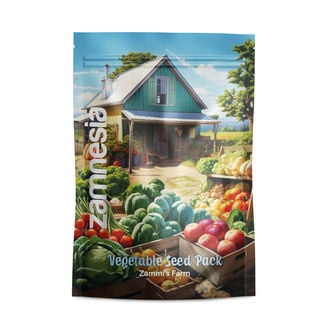
Vegetable Seed Pack - Zammi's Farm
This variety pack of vegetable seeds has everything you need to sow a vegetable patch and then harvest a bountiful array of delicious veg! Whether you want to make fresh salads or cook warming stews, there are seeds...

Exotic Seed Pack - Zammi's Farm
This pack of exotic plant seeds contains a range of seeds that will allow you to grow a weird and wonderful array of fruit and veg in your garden! If you want to grow plants that look great, and taste great come harvest time, you're in luck! Impress yourself and your friends with the Exotic Seed Pack.


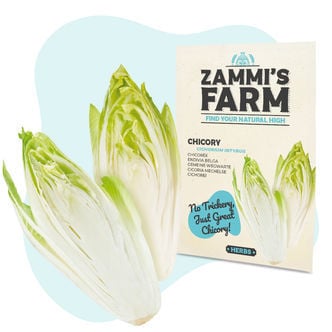
Chicory (Cichorium intybus) Seeds
Sow chicory seeds in spring, after the last frost, in a spot with at least 6hrs of direct sunlight. Take care not to bury the seeds deeper than 0.5cm beneath the soil. Seedlings will sprout after 2–3 weeks in moist (but not wet) soil and should be thinned to leave roughly 30cm between plants. Harvest...

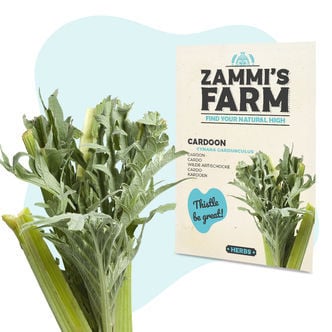
Cardoon (Cynara cardunculus) Seeds
Cynara cardunculus (cardy, cardoon, or artichoke thistle) is a very hardy and somewhat invasive plant. It grows best in soil rich in organic matter (including dung and decomposing plant matter) and in locations with warm conditions and full sunlight. The spiked flowers can be eaten like artichokes, while the...
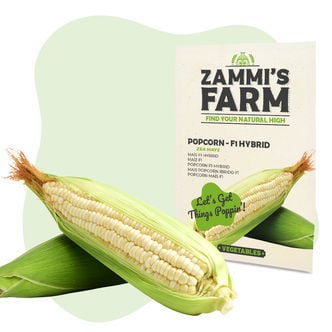
Popcorn (Zea mays) Seeds - F1 Hybrid
Zea mays, sweet corn, or popcorn is an ancient crop that grows well in home gardens. It loves full sun and well-draining, moist, and fertile soil (preferably with a neutral or slightly acidic pH). Sow Zea mays in blocks to ensure effective wind pollination to harvest full cobs. Harvest Zea mays when the tassels at the end of the
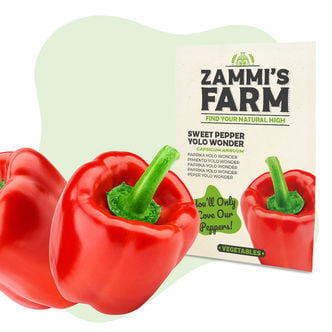
Sweet Pepper Yolo Wonder (Capsicum annuum) Seeds
Related to the famous California Wonder, Yolo Wonder peppers are very resistant to disease and produce an abundance of sweet, crunchy peppers. Plant Yolo Wonder seeds in full sun in well-draining, fertile soil rich in organic matter, and roughly 45–60cm apart. Water regularly and feed flowering plants...
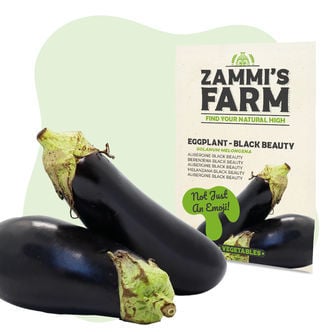
Eggplant 'Black Beauty' (Solanum melongena) Seeds
Whether you know it as eggplant or aubergine, one thing's for sure; this is a hugely versatile and tasty vegetable, no matter how you use it. Named Black Beauty for its dark skin, all it takes is a matter of months for ripe fruits to be ready for the picking. Start in a
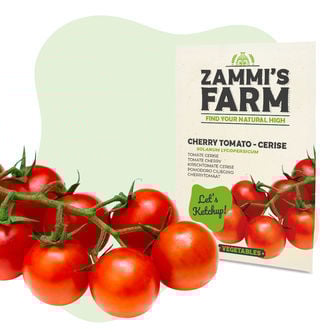
Cherry Tomato - Cerise (Lycopersicon esculentum) Seeds
Who doesn't love nice, fresh cherry tomatoes to enjoy? No matter the weather, you can have a bevy of bright-red beauties in next to no time. Sow seeds in early spring indoors or outside (if living in a warm climate), and they'll be ready come late summer. Give them moist soil and plenty of light and...
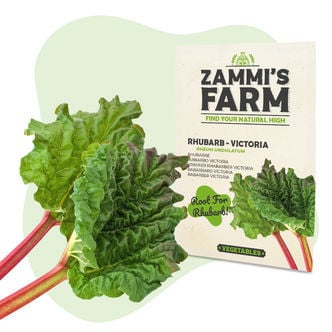
Victoria Rhubarb (Rheum undulatum) Seeds
Victoria rhubarb (Rheum undulatum) likes sunny locations and needs exceptionally well-draining soil (waterlogging or overwatering can greatly impact the growth of rhubarb plants or cause them to rot). Rhubarb also doesn't like extremely hot conditions, which can stunt it or stop plant growth...
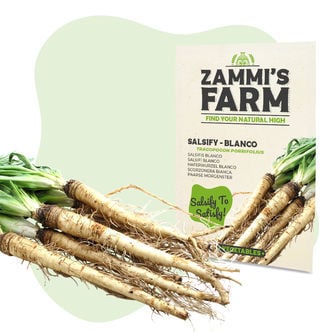
Salsify 'Blanco' (Tragopogon porrifolius) Seeds
Salsify (Tragopogon porrifolius) has long been cultivated in England, Belgium, and France. Sow salsify seeds directly outdoors, leaving 8-10cm between plants and 30-40cm between rows. Salsify likes deep, loose, and fertile soil with plenty of organic material, full sun, and regular watering (especially...
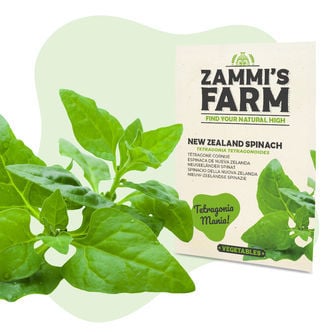
New Zealand Spinach (Tetragonia tetragonoides) Seeds
New Zealand spinach can be harvested over a long period, which makes it ideal for continual use in cooking once ready. Be sure to soak the seeds in a bowl of water overnight before sowing to make sure they germinate. Able to be sown inside in early April or plant outdoors in May-August. Provide warmth...
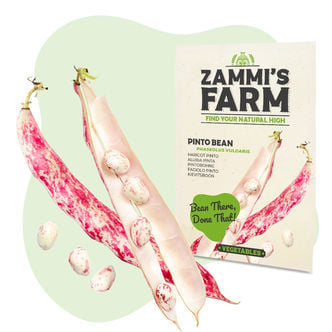
Pinto Bean (Phaseolus vulgaris) Seeds
Pinto bean plants (Phaseolus vulgaris) grow like all other bean varieties but produce unique speckled beans. They like moist, fertile, loamy soil and full sun. Propagate your seeds after the last frost directly, roughly 4-6cm between each seed and use a pole, stake, trellis, or fence to guide the...
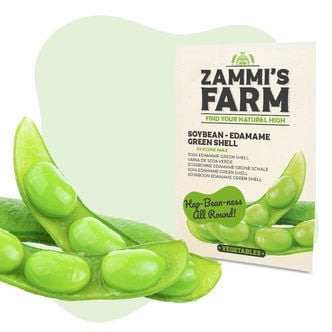
Soybean 'Edamame Green Shell' (Glycine max) Seeds
Perfect in Asian cuisines and as a healthy snack, edamame has plenty of uses. You'll be pleased to know that it's also pretty easy to cultivate from home too! Get plants started indoors or in a greenhouse in early May, and then once the seedlings are big enough, move them outdoors to soak up the...
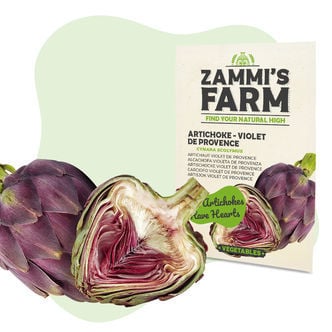
Artichoke 'Violet de Provence' (Cynara Scolymus) Seeds
Not only mindblowing in the flavour department, but Violet de Provence artichokes also showcase amazing looks that make it a must for any garden. Sow the seeds indoors between February and April, and place them outside in early summer. This is a perennial plant that will just keep going as long as you...
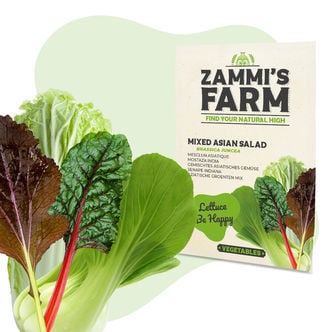
Mixed Asian Greens Seeds
Get your seeds sown in early March, and by the end of August, the young leaves of the greens will be ready to harvest. A versatile combination of pak choi, taisai, tatsoi, turnip greens, chard, Chinese cabbage, leaf mustard and purple frills. All of these combine great flavours in a variety of dishes....
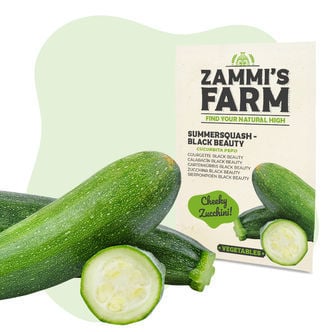
Summer Squash 'Black Beauty' (Cucurbita pepo) Seeds
Whether you know it as courgette or summer squash, this adaptable vegetable lends itself well to all kinds of cuisines. Able to produce a huge harvest, make the most of your plants by starting them under glass, and...
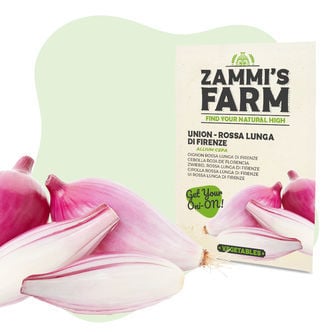
Onion 'Rossa lunga di Firenze' (Allium cepa) Seeds
Rossa lunga di Firenze is a unique onion cultivar originating from Tuscany, Italy. It is best sown in rows outdoors during spring in fertile, well-draining soil and full sun. Thin seedlings after 6 weeks. Where possible, keep soil pH between 6 and 6.8 (though not crucial). The "Long Red of Florence"...
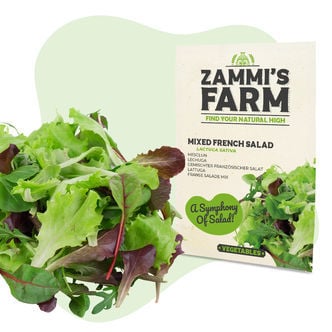
Mixed French Salad (Lactuca sativa) Seeds
Perfect for a light summer meal, Mixed French Salad seeds grow into a mixture of red oak leaf lettuce, endive, radicchio, frisée, and arugula. Great for salads and undeniably tasty. Sow around May, and plants will be ready come September. Grow in moist, loamy soil with plenty of light and warmth for...
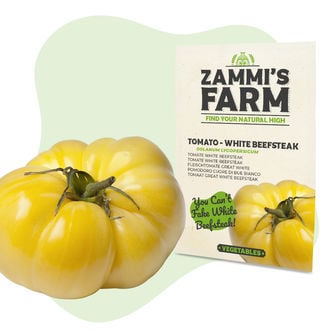
Great White Beefsteak Tomato (Solanum lycopersicum) Seeds
The Great White beefsteak tomato is a real sight for the eyes, producing big, yellowish-white fruit. Pioneered by Thomas Jefferson in his garden in Monticello, these plants are best sown indoors 8 weeks before the last frost and brought outside once the threat of frost has passed. Grow Great White...
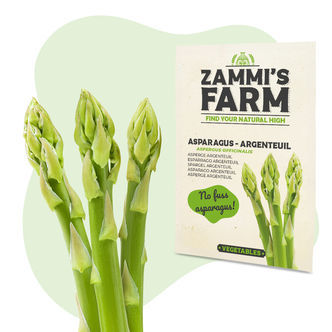
Asparagus 'Argenteuil' (Aspergus officinalis) Seeds
Asparagus plants might take time to get to harvest, but they are well worth the wait. Plant asparagus seeds in rows directly in nursery seed beds 4 weeks before the Ice Saints in sandy soil. Seeds can take 3 weeks to germinate, and young plants should be kept in nurseries for 1 year before moving them to their...
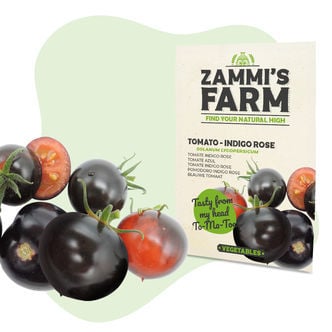
Indigo Rose Tomatoes (Solanum lycopersicum) Seeds
Indigo Rose is a heirloom tomato variety (Solanum lycopersicum) that produces stunning purple/black fruit. Like other tomato varieties, Indigo Rose is best grown in full sun and highly fertile soil, regularly pruned/pinched, and supported with stakes/towers/trellises. Harvest when the shade-facing side of the tomatoes are a soft pinkish-red colour and the sun-facing side a deep...
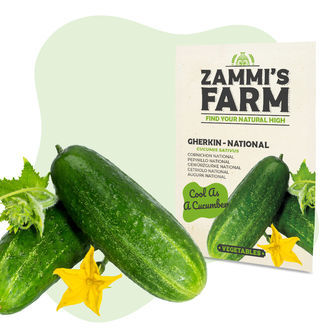
Gherkin 'National' (Cucumis sativus) Seeds
Grow these gherkins in your garden and you'll have a fine selection of small fruits to pick from. Get them going in early April indoors or in a greenhouse, and then take them outside to plant in May. Provide them with shelter and sun, and you'll have a harvest of gherkins-goodness in no time. Perfect...
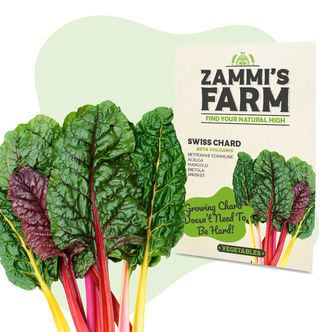
Red Swiss Chard (Beta vulgaris) Seeds
A robust year-round plant, Red Swiss Chard, otherwise known as Beta vulgaris, is a plant that can sprout rhubarb-like stems with leaves that can all be utilised in plenty of different culinary dishes. With a sowing period of March until July, enjoy the fruits of your labour come September/October time....
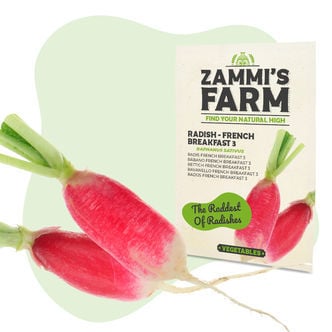
Radish 'French Breakfast 3' (Raphanus sativus) Seeds
Crisp and crunchy are just words to describe the French Breakfast 3 variety of radish. They offer up a great "snap" when eaten and have a fresh flavour that's perfect for blending with other vegetables. In fact, it's even recommended that these
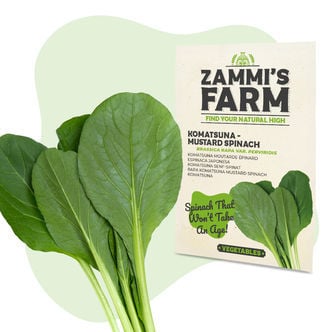
Komatsuna (Brassica rapa var. perviridis) Seeds
Komatsuna is a unique variety of Mustard Spinach (Brassica rapa), also known as Japanese Mustard Spinach. Like other spinach varieties and leafy greens, Komatsuna seeds are best sown outdoors in nitrogen-rich, moisture-retentive soil. Mulching is recommended to help the soil retain more moisture. Seeds...
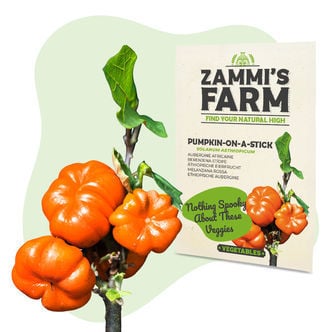
Pumpkin on a Stick (Solanum aethiopicum) Seeds
What can we say about pumpkin on a stick? The name is the biggest clue! These veggies are perfect for adding to cooking, as both the fruit and leaves can be eaten. However, some even opt to use pumpkin on a stick as part of a flower arrangement, giving it plenty of applications for all. Get them started early indoors, and then let them bask in the summer sun. Easy.
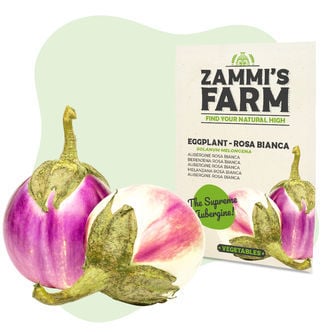
Eggplant 'Rosa Bianca' (Solanum melongena) Seeds
The Rosa Bianca eggplant variety (Solanum melongena) produces large, globe-shaped white fruit with beautiful lavender-purple streaks. Like other eggplant varieties, Rosa Bianca grows best in warm conditions and full sun. It likes fertile, moist, and acidic soil, occasional watering, and a hearty dose of phosphorus during flowering. Remember to mist
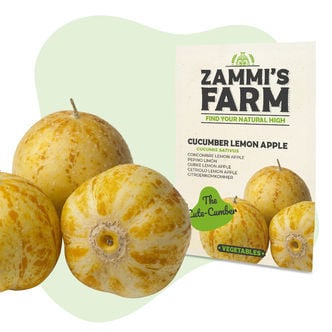
Lemon Apple Cucumber (Cucumis sativus) Seeds
Perfect for salads, the lemon apple cucumber has a slightly sweet flavour that's refreshing and moreish. All it takes is a little gardening know-how, and you'll have some fantastic fruits at your disposal. Get the seeds started under glass, and allow the plants to flourish until late summer. Then, you...
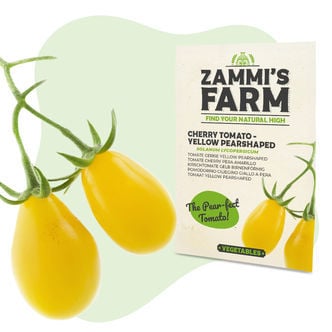
Yellow Pear Cherry Tomato (Solanum lycopersicum) Seeds
Besides their vibrant yellow colour, Yellow Pear Cherry Tomatoes (Solanum lycopersicum) boast a deliciously sweet, slightly acidic flavour. Sow your seeds in spring after the last frost and enjoy an endless supply of sweet cherry tomatoes all through summer. Yellow Pear tomatoes grow best in full sun...
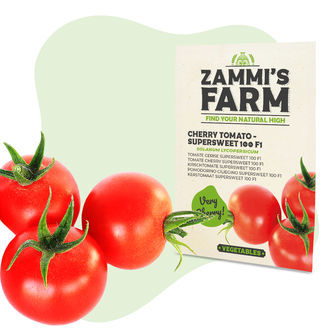
Cherry Tomato 'Supersweet 100 F1' (Solanum lycopersicum) Seeds
The Supersweet 100 cherry tomato hybrid is one of those plant hybrids that says it all in its name: these plants produce extremely sweet fruit and, in the right conditions, can grow into long vines capable of producing 100 or more tomatoes at once. Note that this is a tall tomato variety that needs...
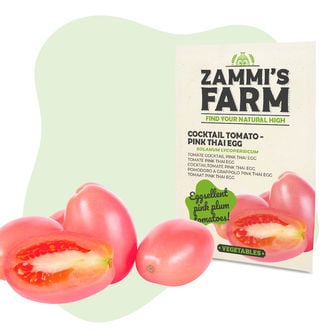
Cocktail Tomato 'Thai Pink Egg' (Solanum lycopersicum) Seeds
Thai Pink Egg Tomatoes originate from Thailand where they're treasured for their bright colour and deliciously sweet flesh. While they grow very similarly to other tomato (Solanum lycopersicum) varieties, Thai Pink Egg tomatoes like a little more water than usual, and hold up better in rainy climates as well as heat waves. Remember to prune and fertilize tomatoes regularly for bountiful...
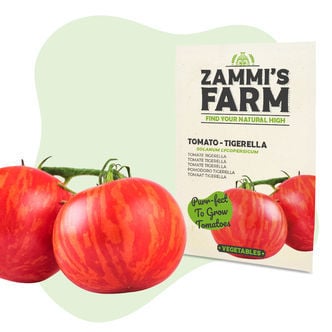
Tigerella Tomato (Solanum lycopersicum) Seeds
Boasting deep red skin with bright orange streaks, Tigerella tomatoes are a real sight for the eyes. This heirloom tomato variety (Solanum lycopersicum) is also very hardy and low-maintenance. Tigerella tomatoes grow well in full sun, and hold up well to mould and pests, though regular pest control is still recommended, as with all tomatoes. They produce aromatic, sweet fruit in 55-60 days.
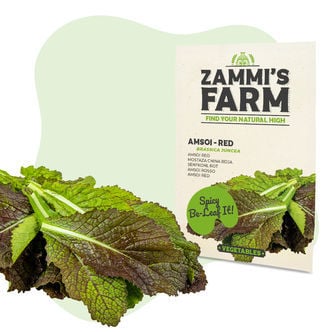
Amsoi Red (Brassica juncea var.rugosa) Seeds
Amsoi, also known as Indian Mustard, has a spicy flavour making it ideal for use in salads and Asian cuisine. Able to be cultivated in both indoor and outside environments, amsoi is highly resilient and can withstand frost and colder climes effortlessly, making it a great choice for all levels of growers. Quick to grow and can be harvested many times.
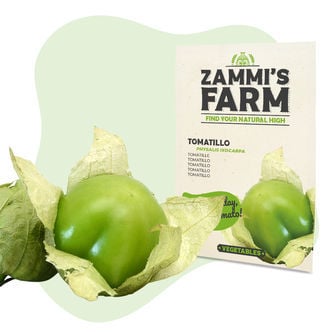
Tomatillo (Physalis ixocarpa) Seeds
The Tomatillo or Mexican Husk Tomato dates back to the pre-Columbian era. It produces a spherical fruit with a green/purplish colour that looks similar to tomatoes but has a different flavour and texture. Tomatillo seeds are best sown indoors, and plants can be brought outside in Spring after the last...

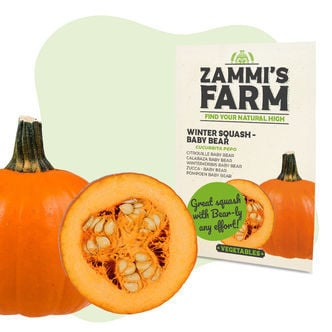
Winter Squash Baby Bear (Cucurbita maxima) Seeds
Baby Bear Winter Squash (Cucurbita maxima) is a must-have for every veggie patch. Germinate your seeds indoors and bring them outside in the spring. Plant Baby Bear squash in soil with plenty of manure or compost to ensure healthy growth and the production of large, sweet fruit. Use tutors, stakes, or...
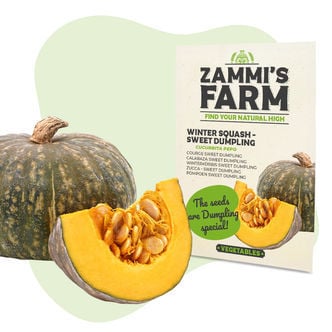
Winter Squash Sweet Dumpling (Cucurbita pepo) Seeds
Sweet Dumpling is a delicious variety of winter squash (Cucurbita pepo) with a hard, cream-coloured rind and tender, sweet flesh. Growing to roughly the size of a grapefruit, Sweet Dumpling squash make a great addition to any veggie patch. Start seedlings off indoor in late winter or directly outdoors...
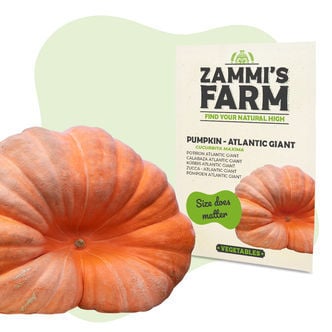
Atlantic Giant Pumpkin (Cucurbita maxima) Seeds
Try your hand at growing Atlantic Giant Pumpkin which can weigh 100kg and more. This vegetable thrives in warm and sunny spots, and you can sow your seeds indoors in mid-spring or early summer outdoors. Ensure your...
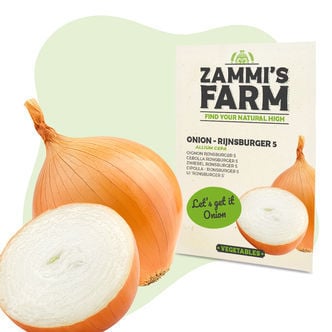
Onion - Rijnsburger 5 (Allium cepa) Seeds
If there's a vegetable that has got to be a staple in every kitchen, it is the noble onion (Allium cepa). For the best results, start onions off indoors during late winter, and trim their tips when they're about 7–8cm long. Bring them outside in spring to grow in the sun till the end of summer, when...
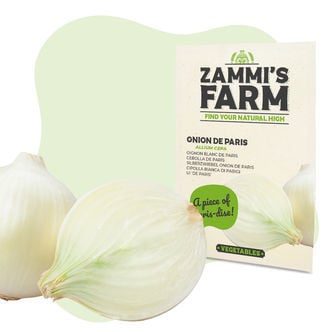
Onion de Paris (Allium cepa) Seeds
How do you get your hands on some great-tasting onions? Easy, simply sow these seeds in early Spring under glass and then move them outside in late April. This will give them plenty of time over the summer to mature and be ready for the picking! These onions are perfect for pickling or including as...
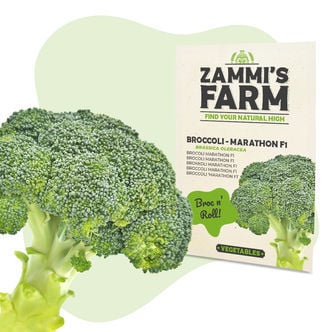
Broccoli Marathon F1 (Brassica oleracea) Seeds
Marathon F1 Broccoli (Brassica oleracea) seeds produce hardy plants that yield large, tender, and delicious Broccoli heads. Start your seeds in early to mid-spring for a summer crop, and in late summer for an autumn harvest. Remember that broccoli likes full sun but hates the heat, which causes it to...
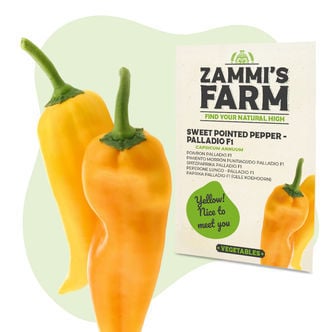
Sweet Pointed Pepper Palladio F1 (Capsicum annuum) Seeds
Get these bright yellow beauties going from mid-March, and give them plenty of light, sun and moist soil, and they'll flawlessly perform. These sweet and mild peppers will be ready come late Summer. They require very little in the way of maintenance and are extremely versatile. Whether you add them to salad, tacos or any other savoury dish, these yellow peppers are sure to brighten your...

Sweet Pointed Pepper Kapiya (Capsicum annuum) Seeds
Looking for something genuinely vibrant both in colour and flavour? Allow us to introduce the Sweet Pointed Pepper Kapiya. It's believed this pepper is originally from Bulgaria but has been used widely throughout Europe and the rest of the world. Sow these seeds in early Spring and repot as soon as the...
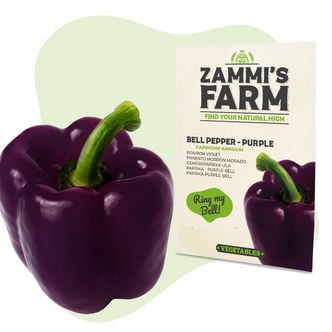
Paprika Purple Bell (Capsicum annuum) Seeds
Add some vibrant violet colours to your garden! Paprika Purple Bell is the way to go. Get these seeds sown and started under glass between March and May, and you'll be greeted with a bevvy of purple peppers come summertime. Just house them in moist soil with a consistent temperature of around 20-25°C;...
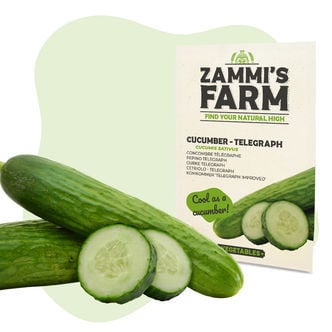
Telegraph Cucumber (Cucumis sativus) Seeds
There's nothing quite like the refreshing flavours of cucumbers. Whether added to salads or as a snack, Telegraph Cucumber (Cucumis sativus) is one versatile veg. Get these seeds started under glass from mid-March,...
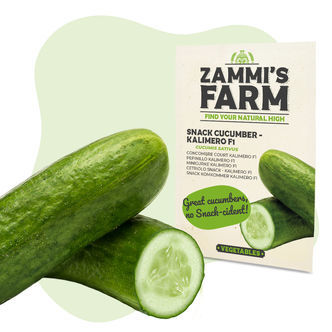
Kalimero F1 Snack Cucumber (Cucumis sativus) Seeds
Whether pickled, as part of a salad or just a healthy treat, our Kalimero F1 Snack Cucumber is an incredibly simple veg to cultivate, not to mention extremely fast too! Get them going indoors around March and bring them outside for them to flourish over Summer. They're so quick to grow that you can...
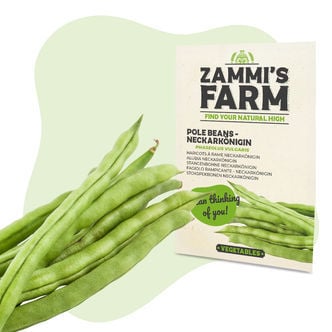
Pole Bean Neckarkönigin (Phaseolus vulgaris) Seeds
For an effortless growing project, look no further than Pole Bean Neckarkönigin (Phaseolus vulgaris). Sow these seeds directly into the ground in mid-May and let them do their thing. All it takes is a little maintenance, sunlight and moist soil, and this plant will perform. Able to produce plenty of...
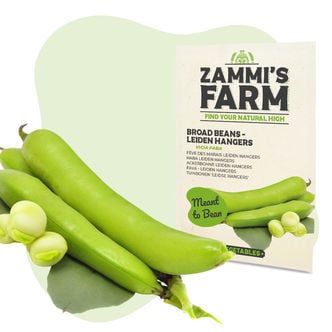
Broad Bean Leidse Hangers (Vicia faba) Seeds
Broad beans are not only delicious but also super healthy. This fast-growing and resistant variety can be planted in early spring or fall and produce plentiful harvests of long, sweet beans filled with 5-6 pods. Blanched, stir-fried, or in soups and stews, these delicious beans make a great addition to...
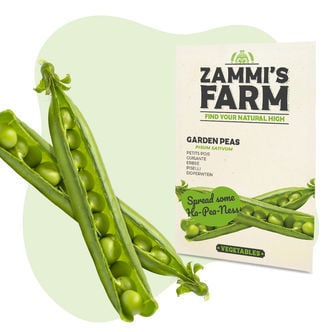
Garden Peas (Pisum sativum) Seeds
Sow these delicious peas in early to mid-spring directly outdoors. These hardy plants will grow roughly 150cm tall with many tendrils, so they're best supported with trellises and stakes. Harvest your peas while they are still juicy and enjoy them fresh or cooked in everything from salads and...
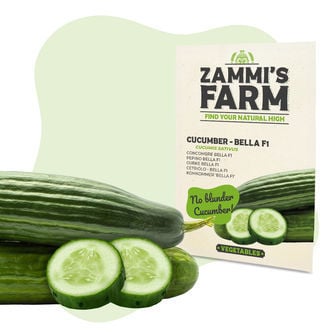
Cucumber Bella F1 (Cucumis sativus) Seeds
Bella F1 cucumber seeds (Cucumis sativus) produce long, sweet, and crisp fruit and are resistant to mildew. Start seeds outdoors in early-mid Spring and remember to water your plants generously while taking care not to wet their leaves (which attracts moulds and other pathogens). Use trellises to...
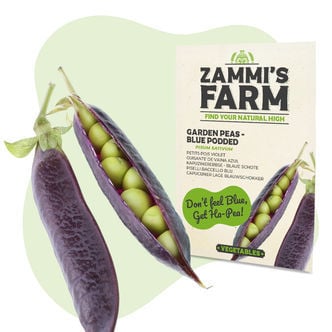
Blue Podded Pea (Pisum sativum) Seeds
These veggies are ideal for all kinds of dishes and deliver great flavours each time. Growing the Blue Podded Pea is also a cinch, regardless of your environment. Sow the seeds as early as February and watch as they flourish through to June-July. Once at this stage, they're ready for the picking. Just...
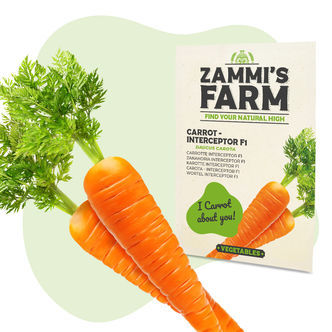
Carrot - Interceptor F1 (Daucus carota) Seeds
These slimline carrots make for a healthy snack and have a sweet, satisfying taste. What's more, is that these seeds are effortless to cultivate and are unlikely to give even the most novice of growers a hard time. Sow these seeds directly into the ground and provide them with a little maintenance and...
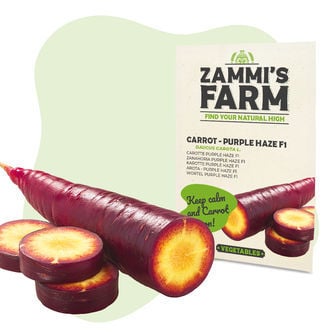
Purple Haze F1 Carrot (Daucus carota L.) Seeds
Get yourself in a purple haze with these plum-coloured carrots! Purple on the outside and orange in the centre, these veggies are certainly eye-catching, but they're also sweet and suitable for salads, as a side or as a snack. They're versatile not just in the kitchen but in the garden too. Sow these easygoing
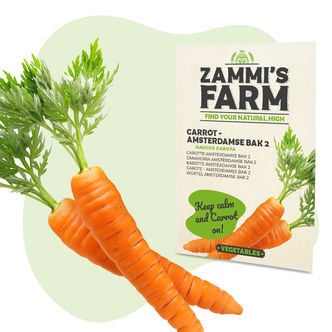
Carrot Amsterdamse Bak 2 (Daucus carota) Seeds
Getting your hands on some sweet, delicious carrots has never been easier with our Carrot Amsterdamse Bak 2 (Daucus carota) Seeds. Start these seeds off under glass indoors in early Spring and then move outdoors so they can soak up the warmth and light that Summer provides. Just ensure they're well...
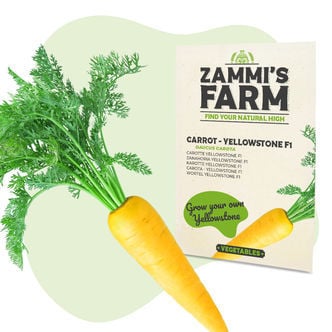
Yellowstone F1 Carrot (Daucus carota) Seeds
Add some bright yellow magic to your garden with these Yellowstone F1 Carrot (Daucus carota) Seeds. Simply sow these seeds directly into the ground in March and keep the soil moist throughout their growing cycle. When August rolls around, you'll be met with a whole bunch of yellow carrots that are...
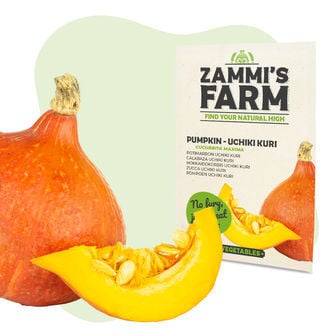
Pumpkin Uchiki Kuri (Cucurbita maxima) Seeds
Uchiki Kuri, also known as Red Kuri, is a bright orange squash variety. Seeds can be sown in spring outdoors directly in seed beds. Mature plants like rich organic soil, so prepare the soil with compost or manure or fertilize regularly. Besides being very decorative, Uchiki Kuri squash boasts sweet...
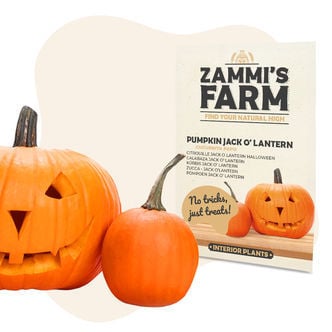
Pumpkin Jack O' Lantern (Cucurbita pepo) Seeds
Bred especially to be carved into Jack O' Lanterns, this beautiful orange, oblong Cucurbita pepo variety produces pumpkins that are very decorative yet still tasty, too. Sow your Jack O' Lantern seeds indoors in late winter, or directly outside in early spring. Like other pumpkin varieties, Jack O' Lanterns are best grown in fertile soil with stakes or trellises to accommodate their long...
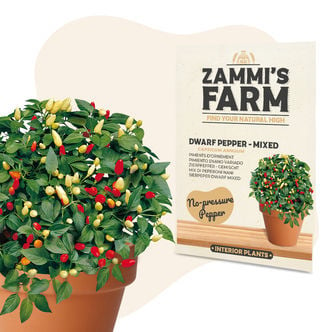
Dwarf Pepper 'Mixed' (Capsicum annuum) Seeds
Add some colour to your home! These peppers aren't really suitable to eat due to their acquired taste that isn't super flavourful. But what they lack in flavour, they more than makeup for their outstanding appearance. Simply pot these seeds indoors in February and let them flourish throughout the year as they...
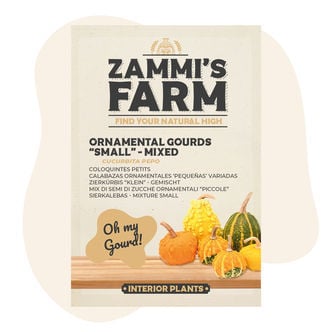
Small Ornamental Gourds Seed Mixture
Ornamental gourds are beautiful decorations, ideal for flower arrangements, centrepieces, and more. With this seed mix, you can grow a wide variety of ornamental gourds at home with ease. Simply sow seeds in spring directly in the ground. If need be, you can transplant plants after 5-6 weeks. Remember to slowly...
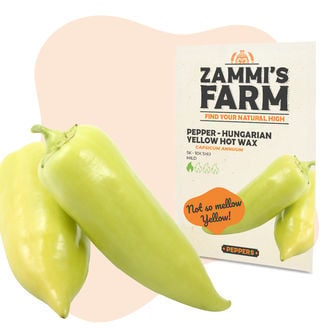
Hungarian Yellow Hot Wax Pepper (Capsicum annuum) Seeds
Sow your seeds in Springtime under glass and then migrate them outdoors when the time is right. Hungarian Yellow Hot Wax peppers are famously unfussy regarding maintenance and can perform well even in colder conditions, making them the ideal pepper partner for newcomers and experienced alike. Come...
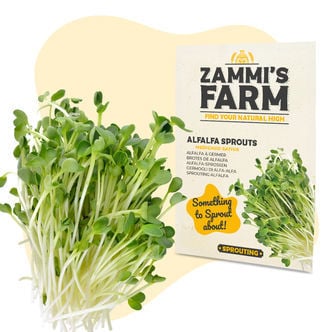
Alfalfa Sprouts (Medicago sativa) Seeds
It takes about 5 days to grow alfalfa sprouts. Use a sprouting jar, soak the seeds in cool water for 8–10 hours, drain well. Spread seeds out in the jar and leave for 10 hours at room temperature, away from direct light. Repeat...
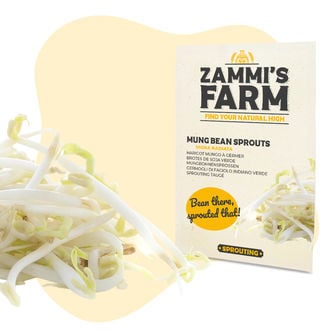
Mung Bean Sprouts (Vigna radiata) Seeds
Vigna radiata, commonly known as the mung bean, is a delicious and highly nutritious legume ideal for stewing or slow cooking. Mung bean sprouts, on the other hand, are fresh and watery, ideal for summer salads or stir-frying. Plus, growing them couldn't be easier; just sprout the beans in damp paper towels and use them when they're about 4–5cm long!
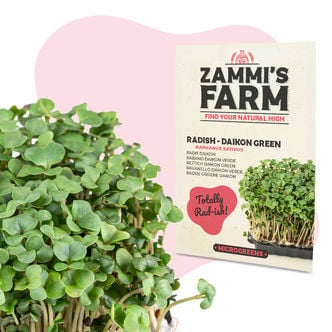
Microgreens Radish - Daikon Green (Raphanus sativus) Seeds
Green Daikon Radish is delicious and highly nutritious, used typically as a garnish in Japanese cuisine. Daikon Green Microgreens, however, are just as packed with flavor yet with much higher nutrient density. To grow them, simply sow seeds at a high density in a propagator and harvest the sprouts...
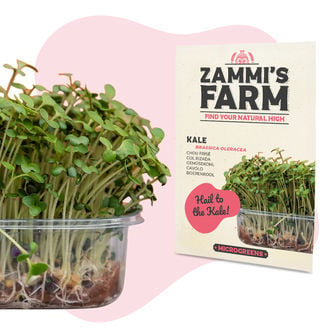
Microgreens Kale (Brassica oleracea) Seeds
Kale (Brassica oleracea) is in the spotlight for being one of the most nutritious greens on the market. But did you know that kale sprouts are even more packed with nutrients than fully mature kale plants? Sow kale seeds in a propagator at high density, and harvest your sprouts after 7–10 days for a...
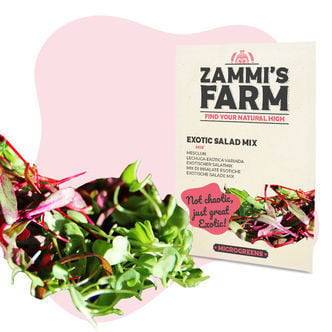
Microgreens Exotic Salad Mix - Seeds
Take your salad game to the new level with Exotic Salad Mix. It's really easy, just scatter the seeds on top of the soil and press gently. Cover with a thin layer of soil and spray with water. Use the mister once or twice a day to keep soil most. Harvest after 2–3 weeks, when you see the first set of...
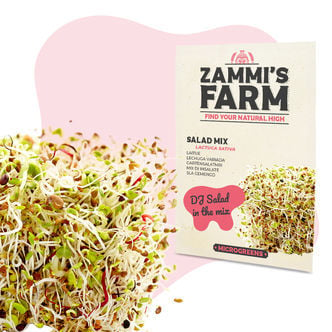
Microgreens Salad Mix (Lactuca sativa) Seeds
With a selection of great greens available here, the vibrant Microgreens Salad Mix is ideal for adding to salads and can actually be grown all year round. Quick to flourish, sow the seeds when it works for you; just be sure to keep the soil moist but not waterlogged, and this plant will deliver...
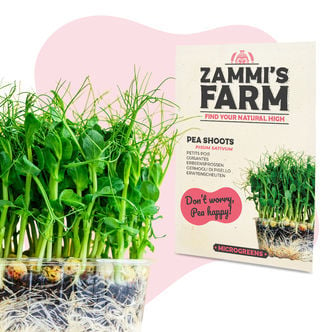
Microgreens Pea Shoots (Pisum sativum) Seeds
To get the best out of your Microgreens Pea Shoots, simply sow the seeds in early Spring, and they'll be fast to flourish. Able to be grown in warm outdoor spaces or in a small windowsill or balcony space, keep the soil moist throughout but not waterlogged, and these sweet leaves will begin to appear...
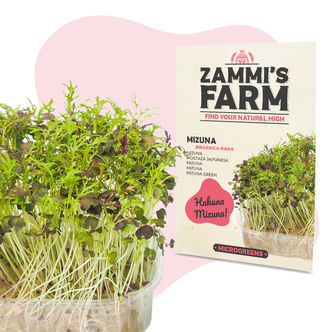
Microgreens Mizuna (Brassica rapa) Seeds
These fast-to-flower Asian leaves can be cultivated in a wide variety of settings and environments. They are typically low maintenance and suit growers of all skill sets. Sow the seeds in early Spring and enjoy them after just a few weeks of flourishing. Microgreens Mizuna has a mustard-like flavour...
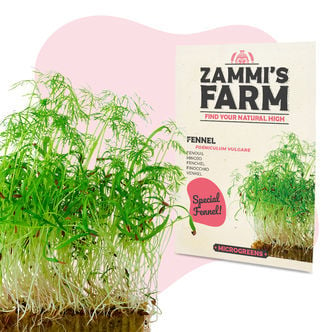
Microgreens Fennel (Foeniculum vulgare) Seeds
Peppery, mild and sweet, Microgreens Fennel takes just 7-14 days to germinate and just another 2 weeks on top until the earliest greens are ready to harvest and use in a multitude of dishes. Just provide them with plenty of light and warmth and keep the surrounding soil moist, and you simply can't go wrong! This is one fast-to-grow
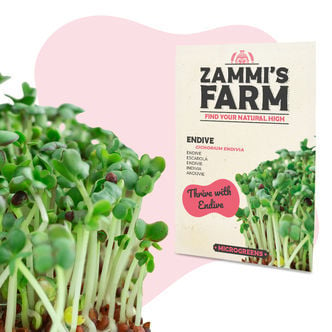
Microgreens Endive (Cichorium endivia) Seeds
Ideal for being added to salads, soups and a variety of dishes, the Microgreens Endive have long been used since the days of ancient Greece! Rich in vitamins K and C, you too can now enjoy the great flavours. Seeds take 2–3 days to germinate, and the earliest leaves that sprout around the 8–15 day mark...
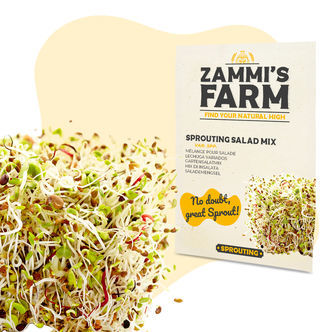
Sprouting Salad Mix Seeds
Jump on the bandwagon and grow sprouts at home with the Sprouting Salad Mix—healthy and delicious mung bean, alfalfa, lentil, fenugreek and yellow mustard sprouts. Grow them in a sprouting jar or one with muslin tied over the top. Soak your
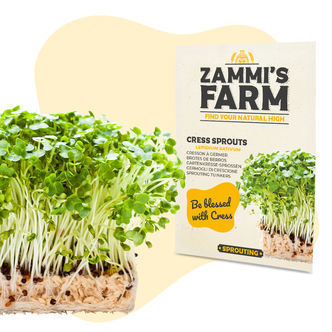
Cress Sprouts (Lepidium sativum) Seeds
Cress Sprouts make for an easygoing and hugely rewarding growing project. Whether situated on a windowsill or as part of your garden, it'll perform with very little maintenance required. This is a fast-growing plant that can be sown and grown all year round. Just be sure to provide temperatures of...
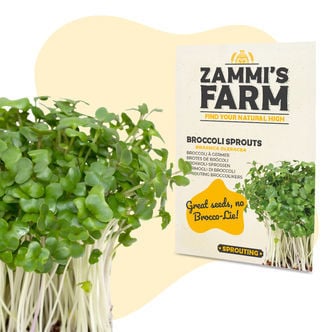
Broccoli Sprouts (Brassica oleracea) Seeds
Whether you like them in your smoothie, salad or sandwich, there's no denying the rich antioxidants and tasty flavours of Broccoli Sprouts. They're also incredibly simple to cultivate. Sow the seeds in a pot in early Spring and give them plenty of sun, warmth and a little water now and again, and...
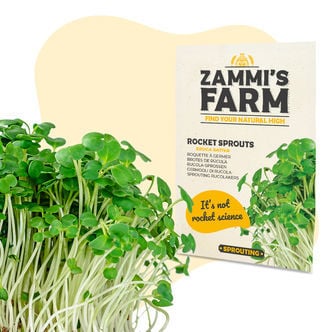
Rocket Sprouts (Eruca sativa) Seeds
The peppery leaves of Rocket Sprouts make for the ideal addition to a wide variety of dishes; what's more, is that the path to this tasty produce is an extremely easy one, regardless of your prior expertise! Rocket Sprouts can be grown in indoor, outside, and greenhouse settings and require very little in the way of maintenance. Sow
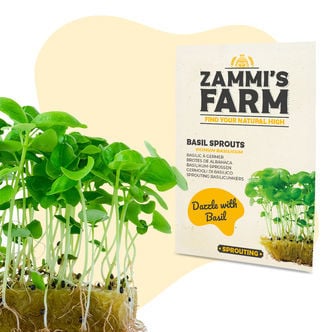
Basil Sprouts (Ocimum basilicum) Seeds
Basil (Ocimum basilicum) is a beloved, highly fragrant herb. But did you know that basil sprouts are equally delicious yet much more nutritious? To grow yours, simply sow seeds at a high density in a propagator and harvest your sprouts after roughly 10 days. Use just as you would normal basil, with the...
Sowing, waiting and picking: how this range works
The 74 packets on this page cover a very wide range of patience. Worth knowing which end you are buying into before you order.
Our vegetable seed range
Peppers, carrots and the kitchen-garden classics
Six peppers run from the sweet Yolo Wonder, a relative of California Wonder that wants 45 to 60 cm between plants and a potassium feed once it flowers, to the Hungarian Yellow Hot Wax, which shrugs off cold better than most and gives a moderate heat. Four carrots (Daucus carota) sit side by side: Amsterdamse Bak 2 is the sweet orange standard, Purple Haze F1 is purple outside and orange in the core, Yellowstone F1 comes up yellow, and Interceptor F1 is the slim snacking one, ready July to October. Seven tomatoes, five cucumbers, six squash and a row of peas and beans fill out the rest. Proper heat lives next door on the chilli and pepper shelf.
Microgreens and sprouting seeds
This is the shortcut. Alfalfa needs a jar, an 8 to 10 hour soak and about five days. Basil sprouts take roughly ten. Daikon radish microgreens are cut after about a week, kale after 7 to 10 days, and endive germinates in 2 to 3 days with the first pickable leaves at 8 to 15. Eight microgreen varieties and seven sprouting seeds between them, all of which work on a windowsill in January.
When to sow your vegetable seeds
Germination rate depends mostly on warmth and steady moisture, but timing decides whether you get a crop at all. Rough guide, from the packets themselves:
| What | Start | Ready |
|---|---|---|
| Sprouts and microgreens | Any month, indoors | 5 to 15 days |
| Peppers and tomatoes | Indoors, Feb to March | Late summer |
| Carrots and radish | Direct, March on | July to October |
| Squash and pumpkin | Indoors mid-spring | September, October |
| Asparagus | Nursery bed, spring | A year in the nursery first |
Picking varieties that suit your space
Tigerella is the tomato we would hand a first-timer: heirloom, hardy, resists mould reasonably well and fruits in 55 to 60 days. Supersweet 100 F1 will out-produce it by a mile, over a hundred tomatoes on one vine, but only if you stake it properly and keep feeding. Great White Beefsteak has the best story of the lot, pioneered by Thomas Jefferson at Monticello, and needs sowing indoors eight weeks before the last frost.
Two honest warnings. Dwarf Pepper Mixed looks superb on a windowsill and is not really worth eating, so treat it as a house plant. Cardoon is hardy to the point of being invasive, so give it a corner you do not mind losing. And Atlantic Giant Pumpkin can pass 100 kg, which is a set of scales rather than a dinner: for something you actually cook, take Uchiki Kuri. Fruit rather than veg is on the fruit seed page, and the whole plantshop sits under all seeds.
Vegetable seed questions
- When should I sow vegetable seeds?
It depends on the crop and it is printed on every packet. As a rule: sprouts and microgreens any month indoors, peppers and tomatoes started inside in February or March, carrots and radish direct from March, squash indoors mid-spring and out after the last frost.
- Which vegetables are easiest to grow from seed?
Cress, rocket sprouts and the microgreen trays, which need nothing but warmth and damp compost. In soil, radish French Breakfast 3 and Pole Bean Neckarkonigin are the least demanding. Tigerella is the tomato we would give a beginner.
- How long do seed packets keep?
Stored cool, dry and dark in a closed packet, most of these will still germinate next spring. We rotate stock so they go out fresh to begin with.
- Can I grow any of these without a garden?
Yes. Microgreens, sprouts and dwarf peppers all work on a windowsill, and peppers, cherry tomatoes and lettuce do fine in pots. Squash is the one to skip: Atlantic Giant alone can pass 100 kg.
 Filter