
 8.6 out of 10 based on 80997 reviews








.svg)
.svg)
.svg)
.svg)
.svg)
.svg)



 Mushroom Dosage Calculator


 Help
Help United States
 5 min
5 min
Landrace Strains: The Oldest Cannabis Strains



From Durban Poison to Afghani, explore why these original weed strains still matter, how “pure” lines vary, and what to look for when sourcing seeds.
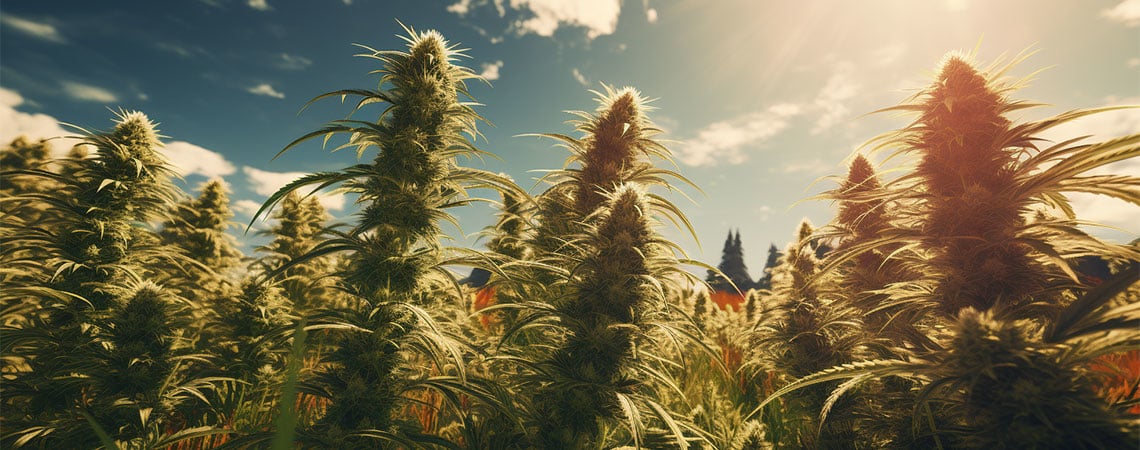
Before there were dessert-flavoured hybrids and lab-tuned THC monsters, cannabis evolved in the wild, shaped by altitude, climate, soil, and generations of local cultivation. Those locally adapted populations are what landrace strains are, and they still matter because they’re the genetic roots that breeders keep returning to when they want resilience, structure, and “classic” effects.
Many of today’s favourites trace their lineage back to these original weed strains, whether it’s Afghan influence inheavy indicas or equatorial sativas that bring soaring, energetic profiles. Understanding that family tree also helps explain why certain aromas, flowering times, and growth habits show up again and again.
In the sections below, you’ll find a curated landrace strains list focused on names with real-world recognition and commercial relevance, varieties you’ll see referenced by reputable breeders, and genetics that continue to shape modern cannabis.
What are landrace strains?
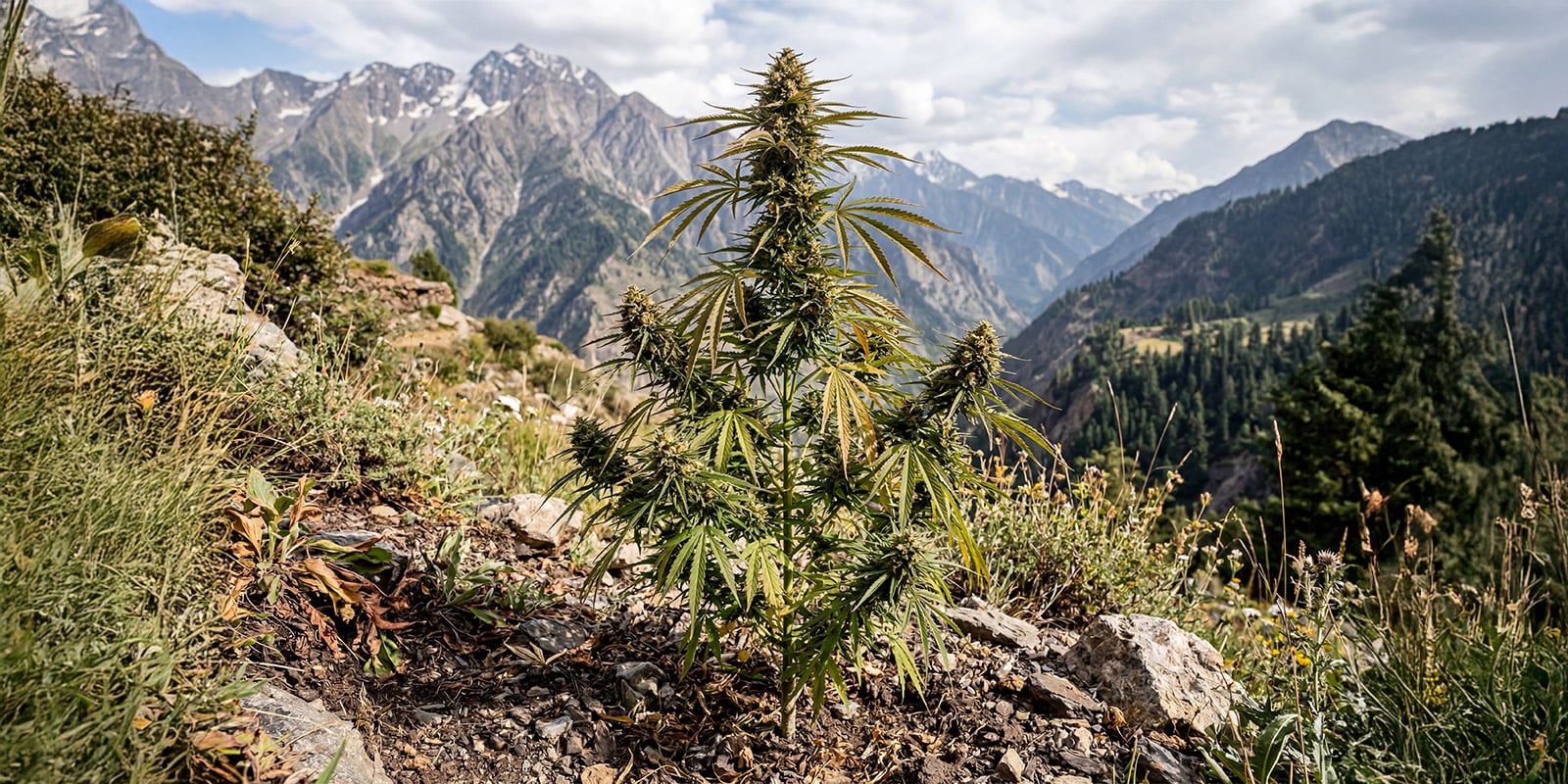
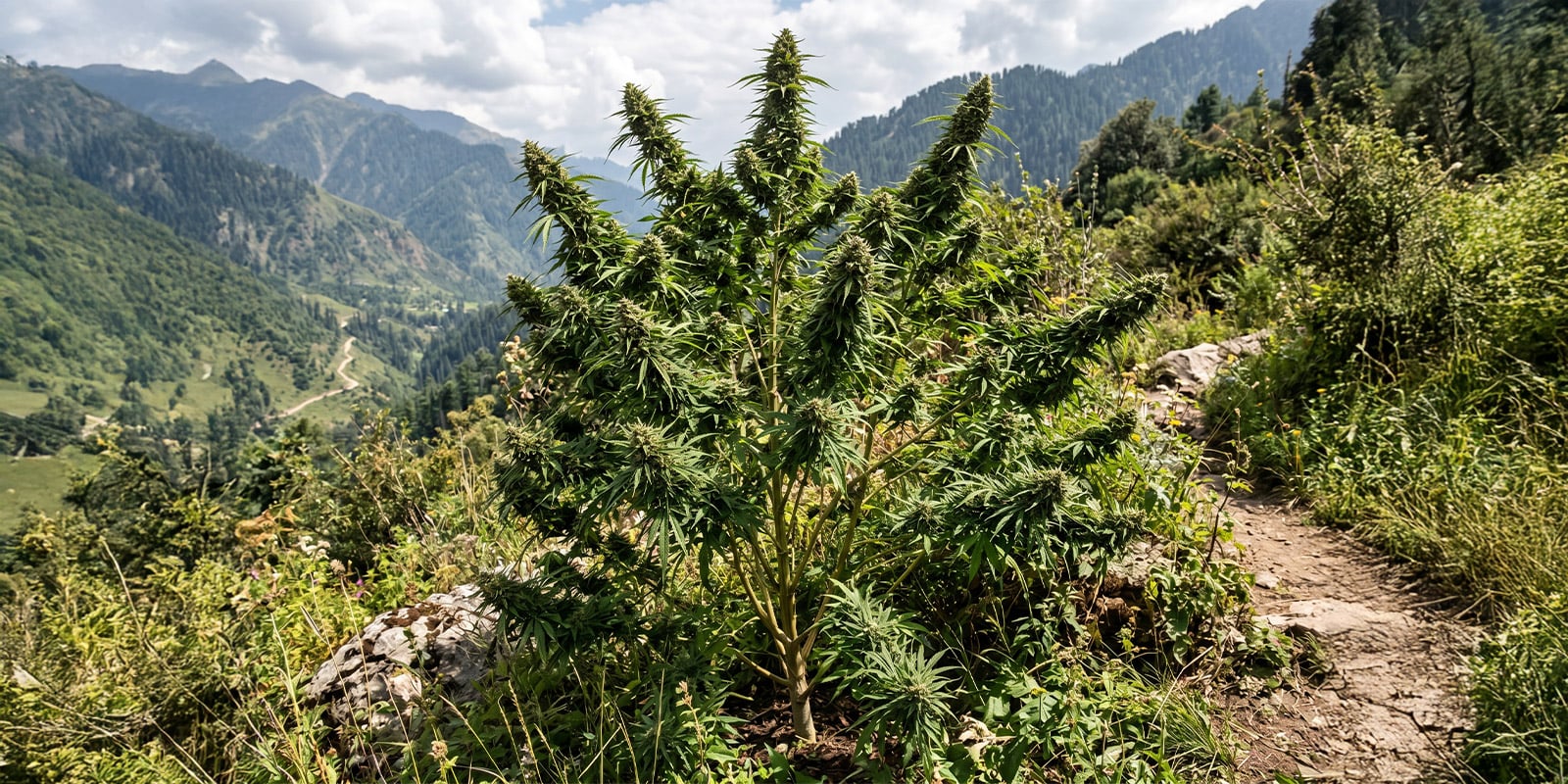
Landrace strains are traditional cannabis varieties that developed in relative isolation within a specific geographic region. Rather than being “created” by modern breeding programmes, they were shaped over time by local conditions: think intense sun near the equator, thin mountain air, seasonal rainfall, and the cultivation practices of local farmers.
Because of that slow, natural selection, landraces tend to show stable, recognisable traits: predictable growth structure, flowering behaviour, and terpene profiles that reflect their environment. You’ll often see them referenced as the backbone of countless breeding projects.
Modern hybrids, on the other hand, are deliberate crosses made to combine traits from multiple lineages, such as higher yields, shorter flowering times, or specific flavours. In a single sentence, landrace strains are locally adapted originals that predate the hybrid era.
Why landrace strains are considered the oldest weed strains
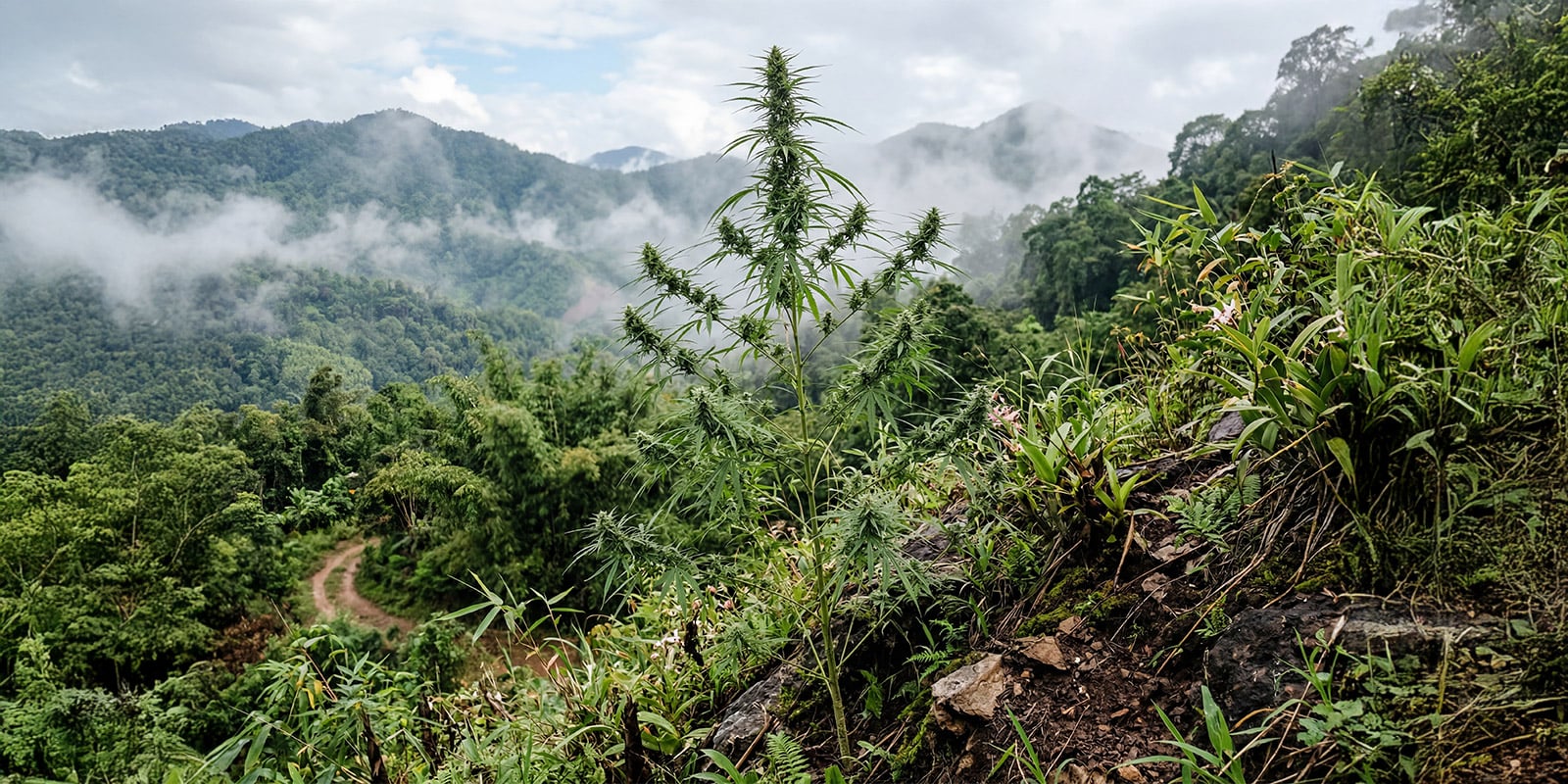
Landraces are often described as the oldest weed strains because they reflect cannabis before modern, intentional crossbreeding took over. Long before seedbanks and stabilised hybrids, communities selected and replanted from the plants that performed best in their valley, mountain range, or coastline, creating region-specific lines that stayed relatively “pure” over generations.
Beyond botany, these strains carry cultural weight. They’re tied to historic trade routes, local rituals, and the practical realities of farming in harsh environments. Studying them gives a glimpse into how humans and cannabis co-evolved, and why certain traits became prized in different parts of the world.
How many landrace strains are there?
An exact count isn’t really possible. When people ask how many landrace strains there are, they’re often imagining a fixed catalogue, but landraces were never formally registered; many existed as broad regional populations with lots of variation from village to village.
On top of that, plenty have been lost or diluted over time. Modern farming, prohibition-era disruption, tourism, and large-scale hybridisation have all changed local genetics, sometimes replacing traditional seed lines entirely. At the same time, dedicated collectors and preservation-minded breeders have worked to keep specific lines alive, often by maintaining them in smaller, controlled grows.
So rather than a definitive number, it’s more useful to focus on the most well-known landraces, names that consistently show up in breeding histories and seed catalogues today.
Landrace strains list: The most famous original weed strains
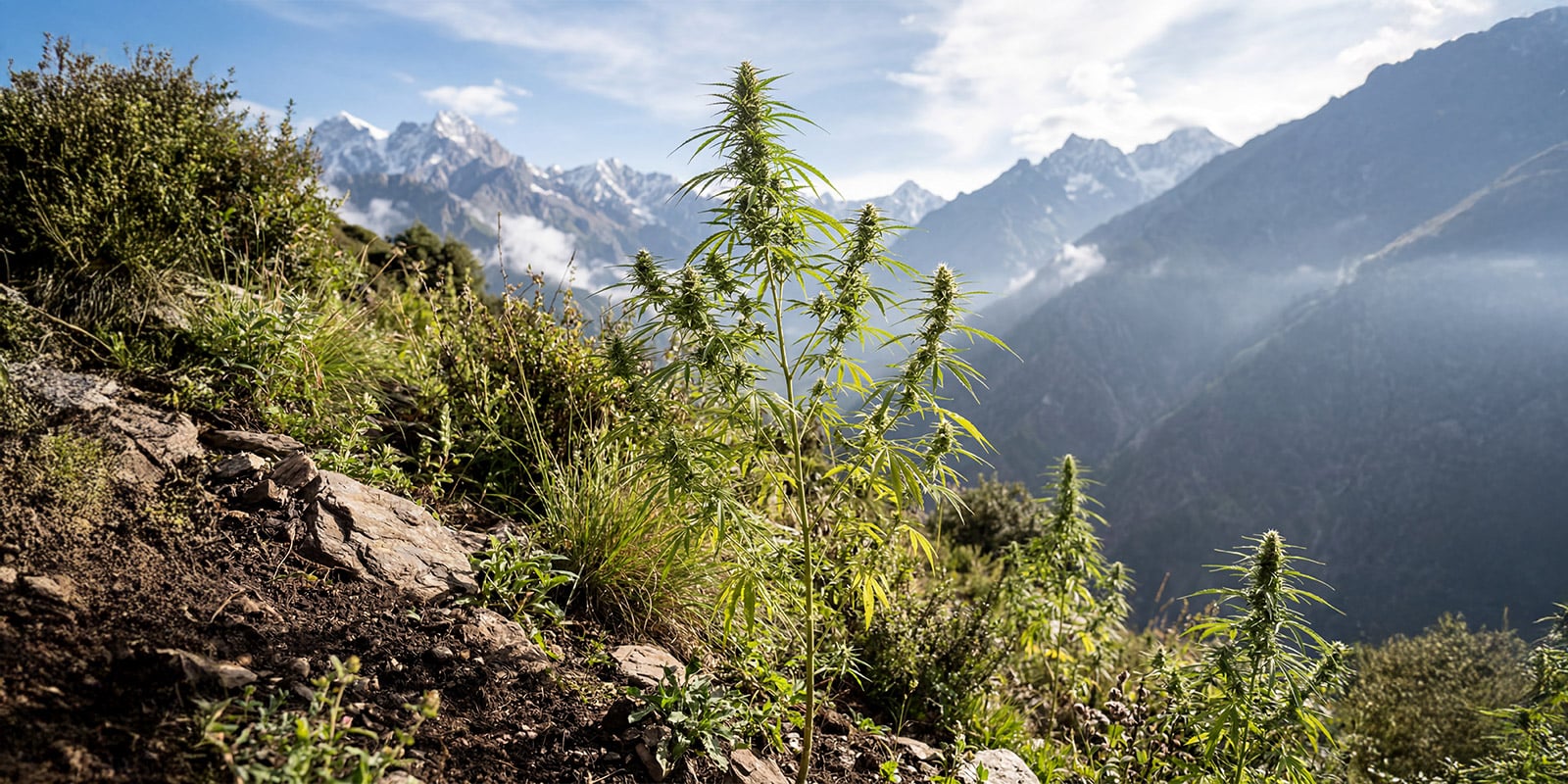
Below is our curated list of landrace strains: classic genetics that repeatedly show up in cannabis history, have strong global name recognition, and have influenced countless breeding lines. Rather than trying to be exhaustive, this selection focuses on strains that remain relevant to growers and collectors today, either in preserved form or as the foundation for modern favourites.
To keep expectations realistic, remember that landraces are populations, not uniform “products”. Even within the same region, effects, aroma, and plant structure can vary from one phenotype to the next, especially when seeds have been reproduced under different conditions.
With that in mind, the following original landrace strains are among the most widely referenced and sought-after.
Sativa landrace strains
Sativa-leaning landraces typically come from warmer, equatorial regions where long seasons encouraged tall plants, longer flowering times, and bright, clear-headed effects. The “pure” originals can be hard to find today, but the names below remain the best-known reference points for authentic heritage sativas.
- Thai: A broad category tied to Southeast Asia, known for airy buds, distinctive herbal-citrus notes, and a long, electric high, plus the kind of stretch growers either love or fear.
- Colombian Gold: A classic uplifting sativa with serious breeding influence, valued for its sunshine mood and the way its lineage helped shape many “Haze-era” hybrids.
- Malawi Gold: A standout African landrace with a reputation for surprising potency and a vivid, soaring effect that has kept it in collector conversations for decades.
- Panama Red: Historically popular for its racy, euphoric vibe, and notably scarce today, making it one of the most mythologised names in vintage sativa lore.
Indica landrace strains
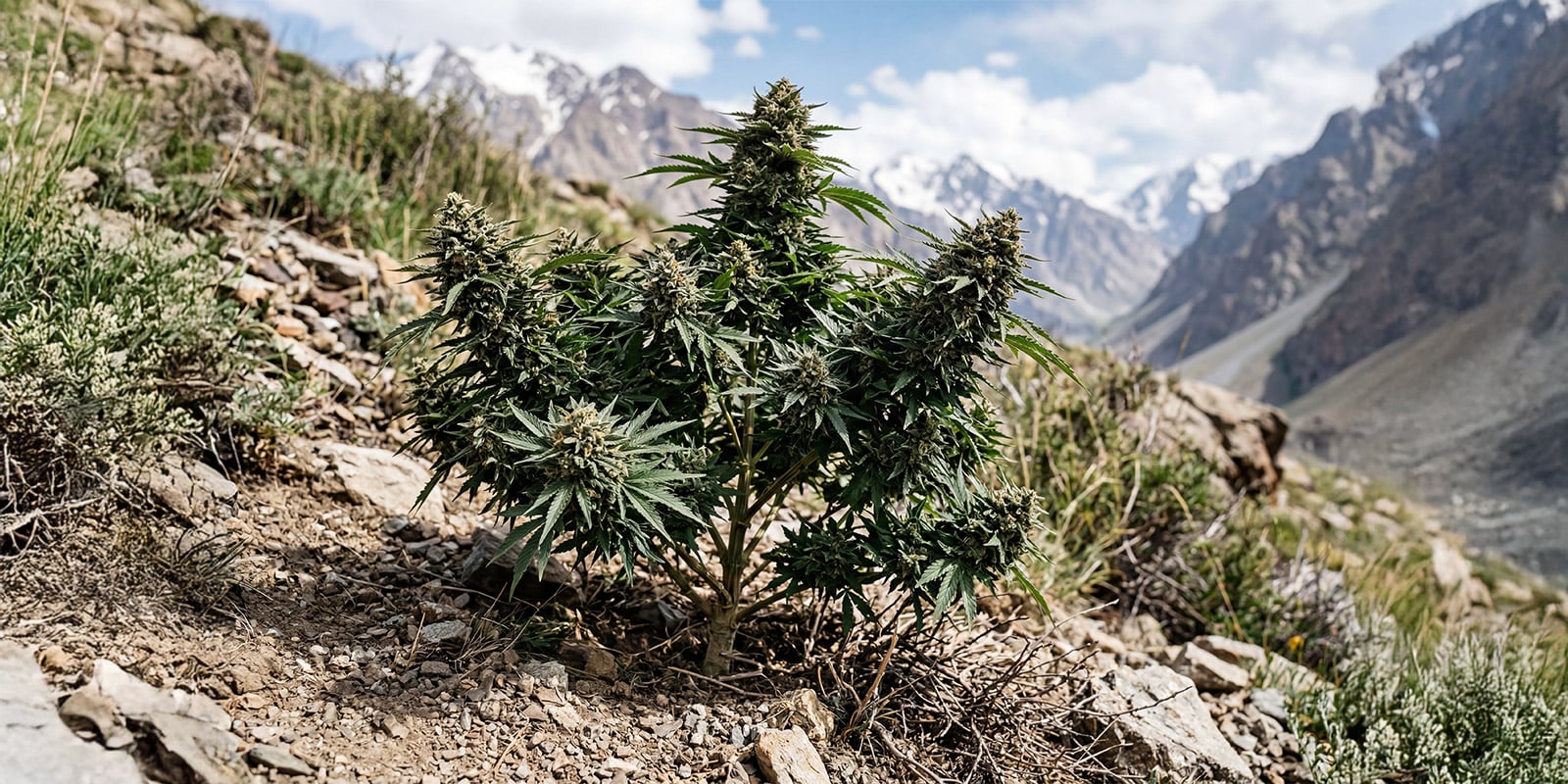
Indica landraces are closely associated with Central and South Asia, where tough climates and shorter seasons helped shape compact, hardy plants with dense flowers and a distinctly resinous character. These genetics underpin a considerable portion of today’s indica-leaning breeding, especially when it comes to structure, robustness, and that classic “old-school” weight.
- Herat: A landrace indica from southwestern Afghanistan, selected and offered by Afghan Seed Connection, an ideal pick for growers looking to explore classic Afghan structure and resin-heavy heritage.
- Paktia: An eastern Afghan landrace-style offering with a robust reputation, often described as sweet, nutty, and gently spicy in flavour, paired with soothing, deeply relaxing effects.
- Hindu Kush: Born in harsh mountain terrain, it’s prized for resilience and a pungent, earthy profile that feels unapologetically traditional. Feminized, regular and autoflowering takes on this landrace all live in our Hindu Kush seeds range.
- Afghani: Often treated as the blueprint for modern indica lines, with deep resin production and a reputation for soothing, full-bodied effects.
- Shiskaberry: Not a strict landrace, but a modern indica-leaning hybrid with strong Afghan heritage in its background, popular for its resilience, manageable growth, and punchy potency.
Original weed strains and their influence on modern cannabis
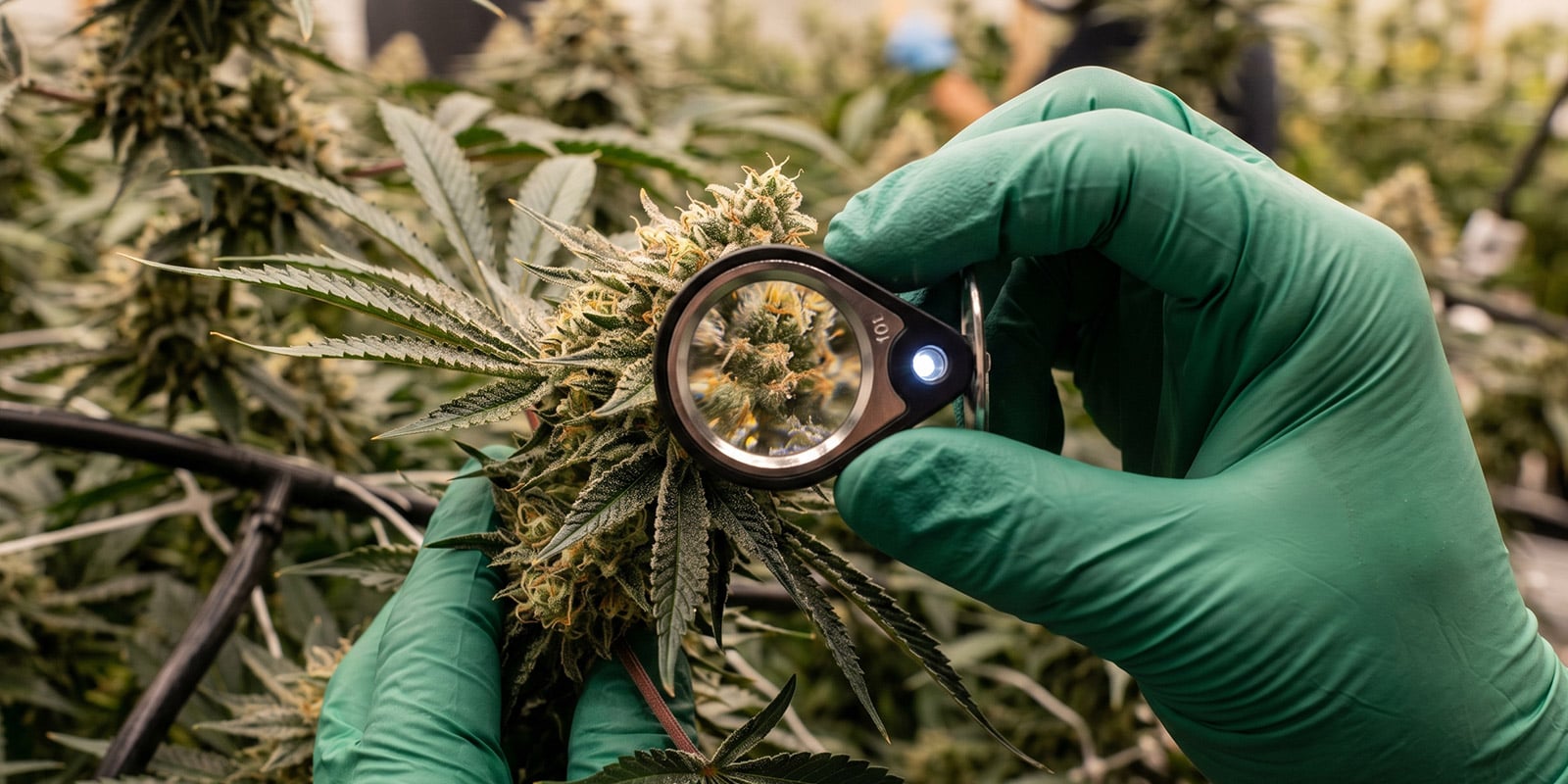
Modern cannabis is, in many ways, a remix of older genetics. Breeders have long used original weed strains as building blocks to create more predictable plants, shorter flowering times, higher yields, specific terpene profiles, or tighter cannabinoid ratios, while still keeping the spark that made certain regions famous.
For seed banks, landrace-derived lines are a kind of genetic toolkit: they add diversity, introduce resilience to heat or cold, and help preserve rare traits that might otherwise disappear from the commercial pool.
Growers still seek out original landrace strains for similar reasons. Some want the closest thing to a “classic” experience, while others value their vigour and adaptability. Even then, it’s worth remembering that effects and structure can still shift depending on phenotype and growing conditions.
Landrace strains and seeds: Breeders known for authentic genetics
Once you’ve explored the classics, the next step is working out where to find seeds that stay as close as possible to traditional genetics. Because true landraces are variable by nature, reputable breeders tend to be transparent about origin, selection, and whether a line is preserved, open-pollinated, or landrace-derived.
Zamnesia offers a mix of landrace and heritage-inspired options, including curated bundles such as the Landrace Pack, which is a practical way to sample multiple lineages without hunting them down one by one.
ACE Seeds is widely respected for a preservation-first mindset, with projects that focus on keeping regional character intact rather than “modernising” everything into the same cookie-cutter profile. Afghan Seed Connection is another name that often comes up for regional authenticity, particularly when you’re interested in Afghan and neighbouring mountain genetics.
Beyond these, specialist outfits and small-batch collectors can be worth exploring. Just prioritise provenance and honest documentation.


Landrace strains today: Availability, preservation, and rarity
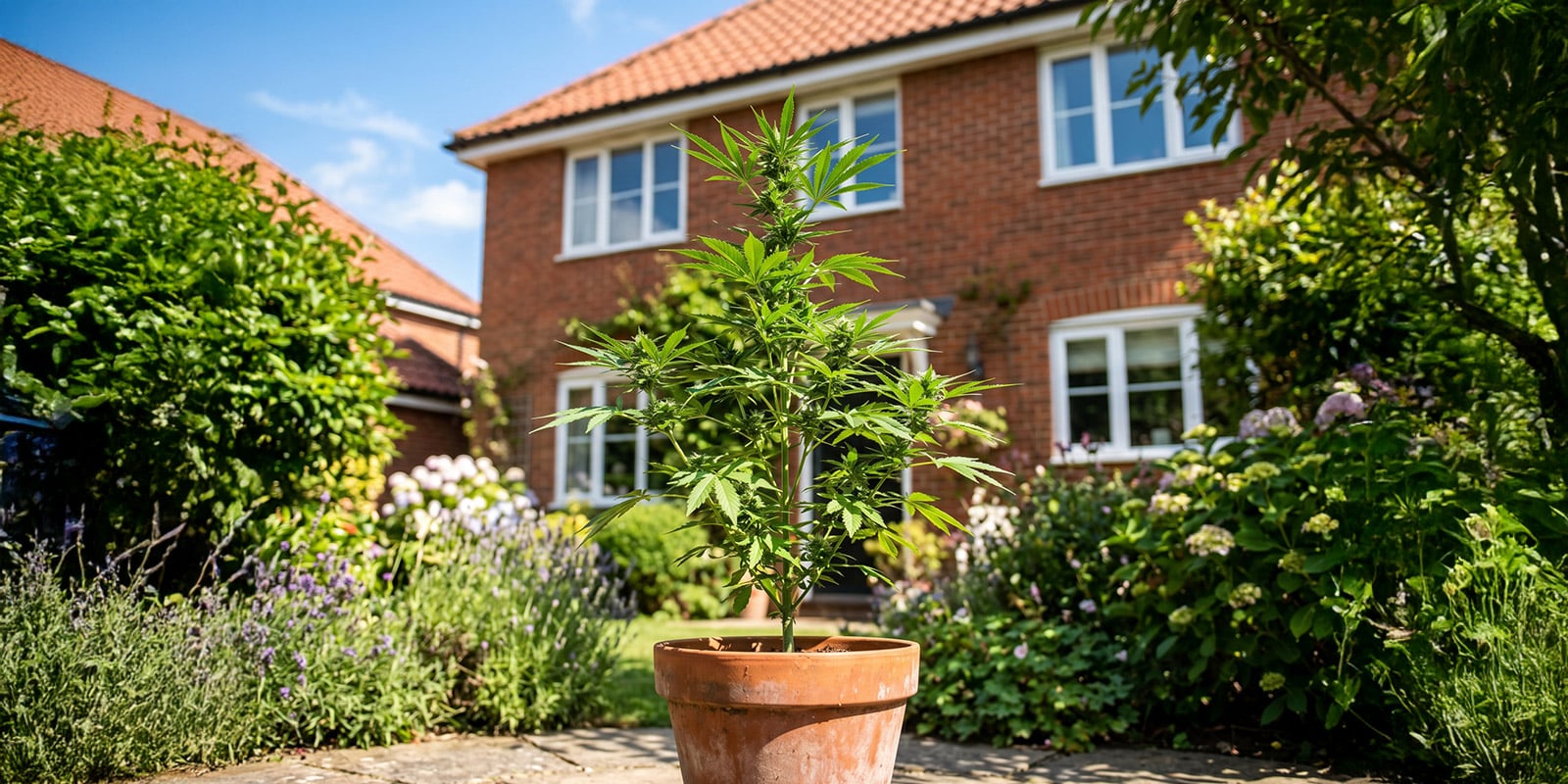
Pure landraces are increasingly rare. Decades of global seed sharing, commercial hybridisation, and changing local cultivation have blurred many regional gene pools, and in some places, traditional lines have been displaced altogether.
That’s why preservation efforts matter. Ethical sourcing, careful reproduction, and clear documentation help protect these plants without exploiting the communities and environments they come from. When done well, preservation keeps diversity alive and gives breeders a living library of traits that might be vital in the future.
For consumers, realistic expectations are key. Many offerings are best understood as preserved selections or landrace-derived lines rather than untouched originals, and natural variation between plants is part of the deal, not a flaw.
Back to the roots: Why landrace strains still matter
Landrace strains aren’t just nostalgia; they’re the reference points that explain where today’s flavours, effects, and growth traits actually come from. For growers, they offer a chance to work with hardy, characterful genetics and to appreciate natural variation rather than chasing uniformity.
For anyone curious about cannabis history, these plants are living heritage: they connect regions, cultures, and cultivation traditions that shaped the modern scene. Explore with clear expectations, choose sources that document provenance, and treat original genetics with the respect they deserve, because once diversity is lost, it’s hard to bring back.
Fancy growing a piece of this history yourself? Our classic cannabis strains gather the landraces and legends in one place.
-
 5 min
15 June 2026
Top 10 Best Regular Cannabis Seeds Of 2026
Regular seeds mean males and females in one pack. Here are 10 standout strains from varied breeders, chosen for genetics, classic character and hunt-worthy potential.
5 min
15 June 2026
Top 10 Best Regular Cannabis Seeds Of 2026
Regular seeds mean males and females in one pack. Here are 10 standout strains from varied breeders, chosen for genetics, classic character and hunt-worthy potential.
-
 3 min
6 January 2026
10 most popular strains by Zamnesia
A feel-good run-through of the Zamnesia strains people keep coming back for. Expect a balanced mix of autoflowers and photoperiods, with notes on flavour, potency, and overall vibe, ideal whether...
3 min
6 January 2026
10 most popular strains by Zamnesia
A feel-good run-through of the Zamnesia strains people keep coming back for. Expect a balanced mix of autoflowers and photoperiods, with notes on flavour, potency, and overall vibe, ideal whether...
-
 6 min
6 February 2018
Top 7 Original Cannabis Strains And Their Creators
In this article, we take a close look at the origins of 7 of the most iconic cannabis strains to ever hit the market. These include GG#4, Amnesia, Blueberry, Cheese, AK-47, Skunk, and Northern Lights.
6 min
6 February 2018
Top 7 Original Cannabis Strains And Their Creators
In this article, we take a close look at the origins of 7 of the most iconic cannabis strains to ever hit the market. These include GG#4, Amnesia, Blueberry, Cheese, AK-47, Skunk, and Northern Lights.
-
 3 min
17 January 2018
The Origin of GG4 Cannabis And The Top 3 GG4 Strains
If you're looking for the strongest strains on the market, then look no further than these three GG#4 strains. Packed with beneficial cannabinoids and overflowing with flavour, these varieties each...
3 min
17 January 2018
The Origin of GG4 Cannabis And The Top 3 GG4 Strains
If you're looking for the strongest strains on the market, then look no further than these three GG#4 strains. Packed with beneficial cannabinoids and overflowing with flavour, these varieties each...