
 8.6 out of 10 based on 81119 reviews








.svg)
.svg)
.svg)
.svg)
.svg)
.svg)



 Mushroom Dosage Calculator


 Help
Help United States

 7 min
7 min
10 Best Cannabis Strains to Grow Outdoors in Italy



A practical guide for outdoor growers across Italy, updated with modern genetics and availability. Get beginner-friendly suggestions, regional climate pointers from north to south, and a clear comparison of autos vs. photoperiod to help you choose with confidence.
Growing cannabis outdoors in Italy can be hugely rewarding, but success depends on matching your genetics to your local conditions. From hot, dry summers in the south to more changeable weather in the north, Italy’s regional climate differences can make one strain thrive in one area and struggle in another.
In this guide, we’ll highlight 10 outdoor-friendly strains that suit Italian gardens, balconies, and guerrilla spots, with picks for both beginners and more experienced growers. Expect a modern blend of dependable classics and newer genetics, along with practical notes on what makes each strain a smart choice for outdoor cultivation in Italy.
Growing cannabis outdoors in Italy
Italy has serious outdoor potential, with plenty of sunshine and a long growing window in many areas. But it’s also a country of microclimates, so strain choice matters more here than in places with one “typical” season. Pick the right genetics for your region, and you’ll make life easier from veg all the way to harvest.
Along the coast, you’ll find hot Mediterranean zones with long summers that suit larger photoperiod plants and later-finishing varieties. Head inland and the climate becomes more continental, with stronger temperature swings between day and night (and between spring and autumn), so hardier strains and faster finishers often perform better.
In the north, humidity and early autumn rain can be the main headache, making mould resistance and a shorter flowering time especially valuable. In mountain areas, seasons are shorter and nights are cooler, so compact plants and quick autos are often the safest bet.
Italy’s main outdoor climates and what to look for
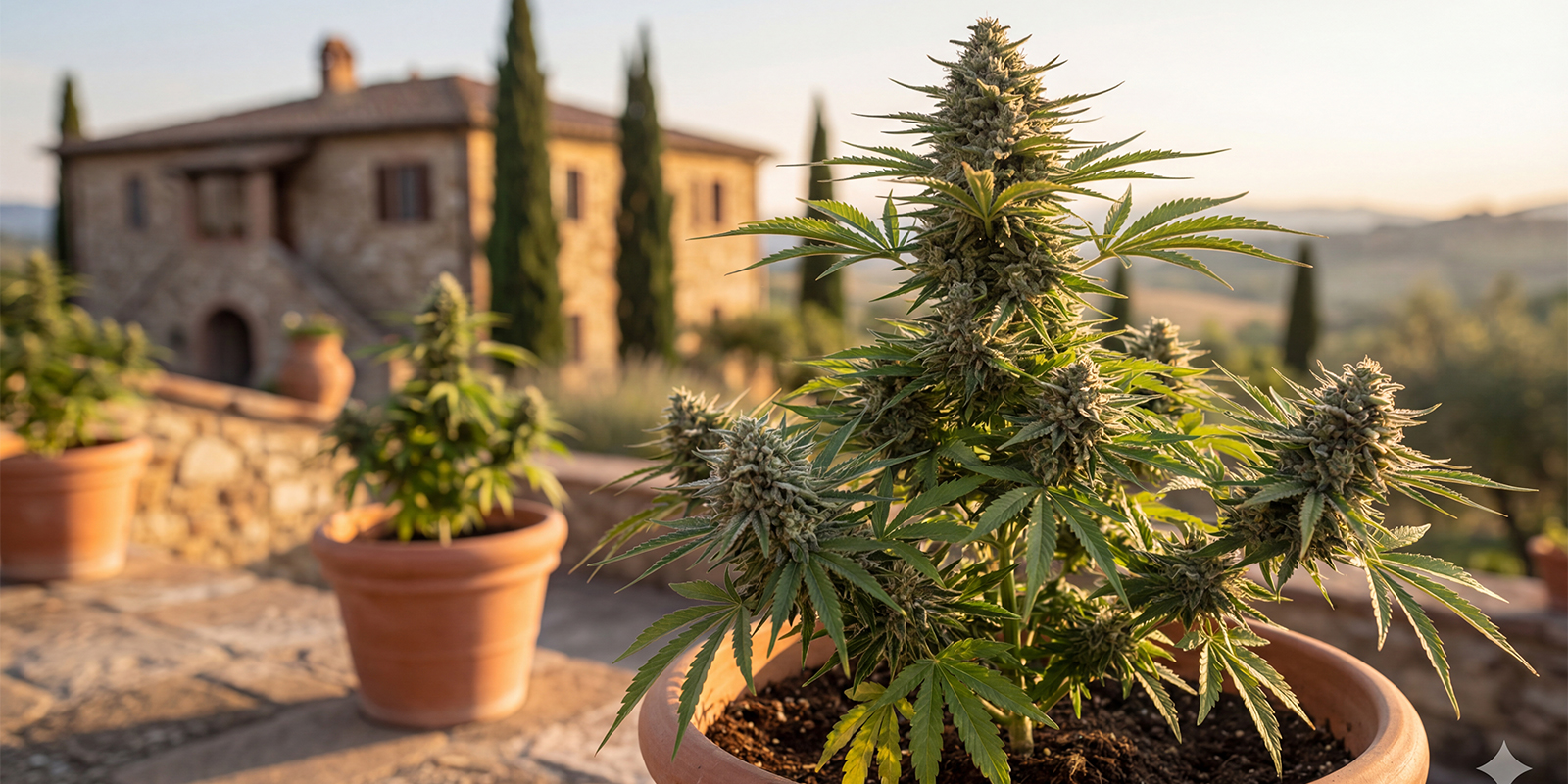
Before selecting seeds, it's helpful to be specific about where you’ll be growing. Italy isn’t just “Mediterranean”, it ranges from salty coastal air and scorching summer heat to humid northern valleys and cool, short mountain seasons. That’s why the strains that crush it in Sicily won’t always be the easiest choice in Lombardy.
In the next section, we’ll break down Italy’s main outdoor climates and the key traits to prioritise in each. Think flowering time, mould resistance, heat tolerance, and how well a plant handles colder nights. Once you understand what your local conditions require, choosing between autos and photoperiods (and narrowing down the best genetics) becomes significantly more straightforward.
Mediterranean coast (south and coastal regions)
Southern Italy and many coastal spots offer the classic Mediterranean outdoor dream: long, hot summers, plenty of direct sunlight, and generally lower humidity compared to the north. With that extended season, growers can often run bigger plants and still bring them in before the weather turns.
The main challenge here isn’t cold or damp, it’s intensity. Relentless sunshine, high temperatures, and dry spells can stress sensitive genetics, especially in containers. For these regions, look for strains bred to cope with heat and strong light without wilting, foxtailing, or bleaching.
Key traits to prioritise include:
- Heat tolerance and steady growth during hot spells
- Strong sun resistance for exposed terraces and gardens
- Longer flowering potential, thanks to the extended season
- Vigorous photoperiod structure for big outdoor plants and heavier harvests
Continental inland (Tuscany, Umbria, Lazio inland, central valleys)
Inland areas like Tuscany, Umbria, and the valleys of Lazio can feel summer-hot in the daytime, yet noticeably cooler once the sun drops. That day–night contrast is great for terpene development, but it can also stress plants that prefer a steadier climate. Another factor is how quickly the seasons can shift; late summer warmth can give way to autumn conditions faster than you’d expect.
For these regions, you’ll usually get the smoothest run with stable hybrids that don’t overreact to temperature swings. Reliable, predictable flowering is a big win too, especially if you want to avoid a last-minute scramble when the weather changes.
Traits to look for include:
- Tolerance to hot days and cooler nights without stalling
- Balanced hybrid vigour for steady growth outdoors
- Predictable flowering times, rather than “wild card” phenos
- Solid resistance to general outdoor stress (wind, dry spells, sudden dips)
Northern Italy (Po Valley, Liguria inland, northern plains)
Northern Italy can still deliver warm, productive summers, but the real challenge is moisture. In places like the Po Valley and the northern plains, higher humidity and more frequent rain can persist for days. Then, early autumn brings another spike in wet weather, just as many photoperiod plants are accumulating weight.
That combination is basically an open invitation to bud rot if your genetics are too dense or slow to finish. Here, it pays to choose strains that breathe well and wrap up flowering earlier, rather than pushing deep into October.
Prioritise traits like:
- Strong mould resistance for humid spells and rainy weeks
- Plant structure that encourages airflow through the canopy
- Earlier finishing photoperiods to beat autumn moisture
- Robust autos for a quicker, lower-risk harvest window
Mountain areas (Alps, Apennines)
Growing outdoors in the Alps or Apennines is a different game altogether. Higher elevations bring cooler nights, sudden weather changes, and a shorter season that can cut summer short before slower-growing plants have time to mature properly.
Because flowering conditions can deteriorate quickly, speed is the name of the game. Long-blooming varieties might look great in September, then get hit by cold, damp nights before they’re ready. To stay ahead of the calendar, aim for genetics that start and finish fast, and that can handle a bit of chill without stalling.
The traits that matter most here are:
- Very fast finishes to beat early seasonal change
- Hardy autos that can handle cooler nights
- Early feminized strains with dependable, short flowering times
Best outdoor strains for Mediterranean Italy (hot & long season)
If you’re growing in southern Italy or along the coast, you can take advantage of a long, sunny season and really let plants stretch. The key is choosing genetics that stay productive under intense light and heat, and that won’t get stressed when summer drags on. The strains below are strong candidates for big outdoor photoperiod runs, as well as reliable options for a faster finish.
For Mediterranean Italy, feminized photoperiod strains really shine. With long, bright summers, you can run bigger plants and still give them the time they need to develop full flavour and weight, so long as the genetics can handle strong sun and sustained heat.
Panama Red (Zamnesia Seeds) feminized
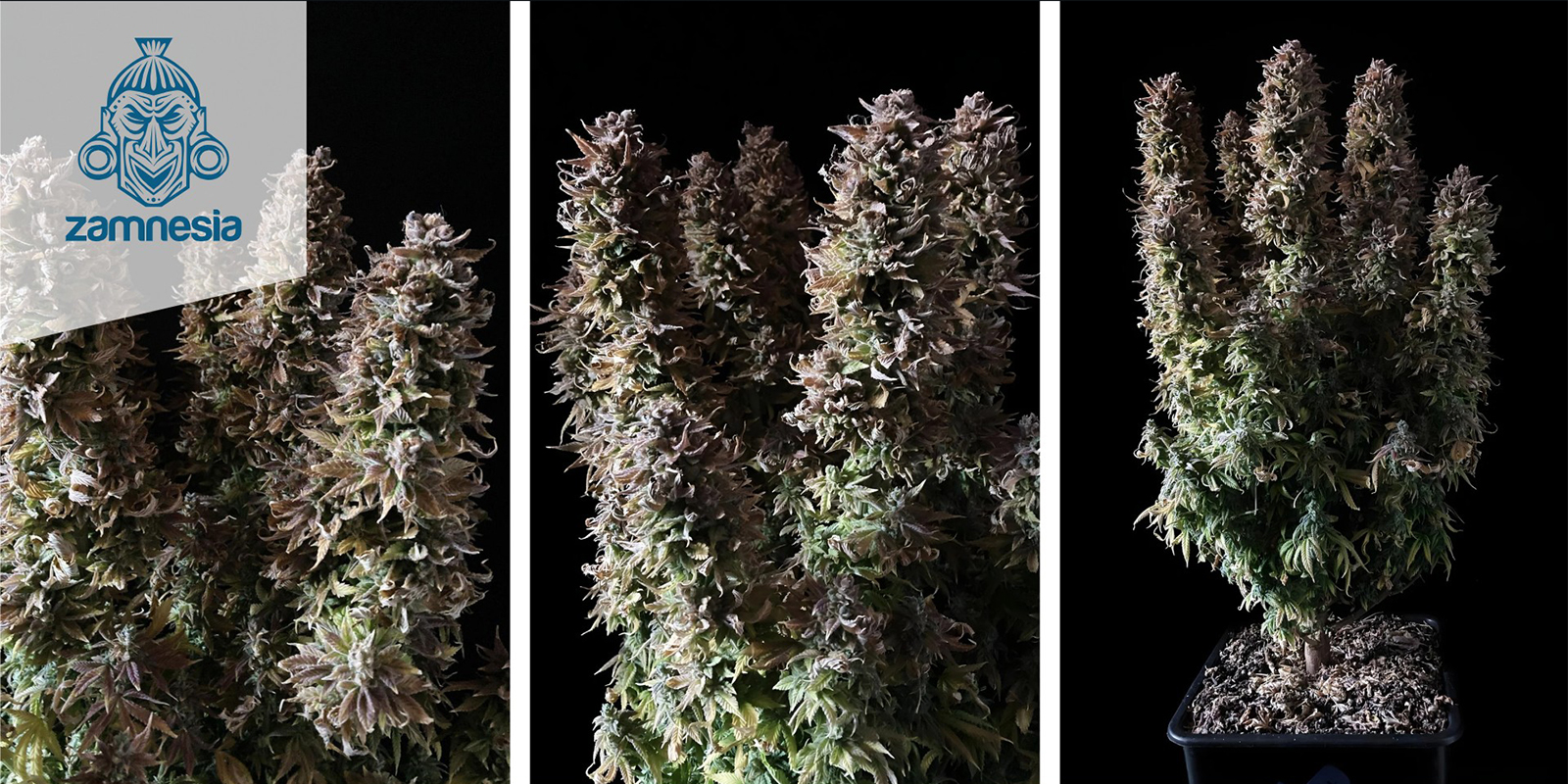
Panama Red leans into that classic warm-climate sativa vibe. It’s best suited to southern Italy and coastal zones where the season stays sunny and stable, giving it the breathing room to properly mature rather than being rushed by an early autumn.
LSD (Barney’s Farm) feminized
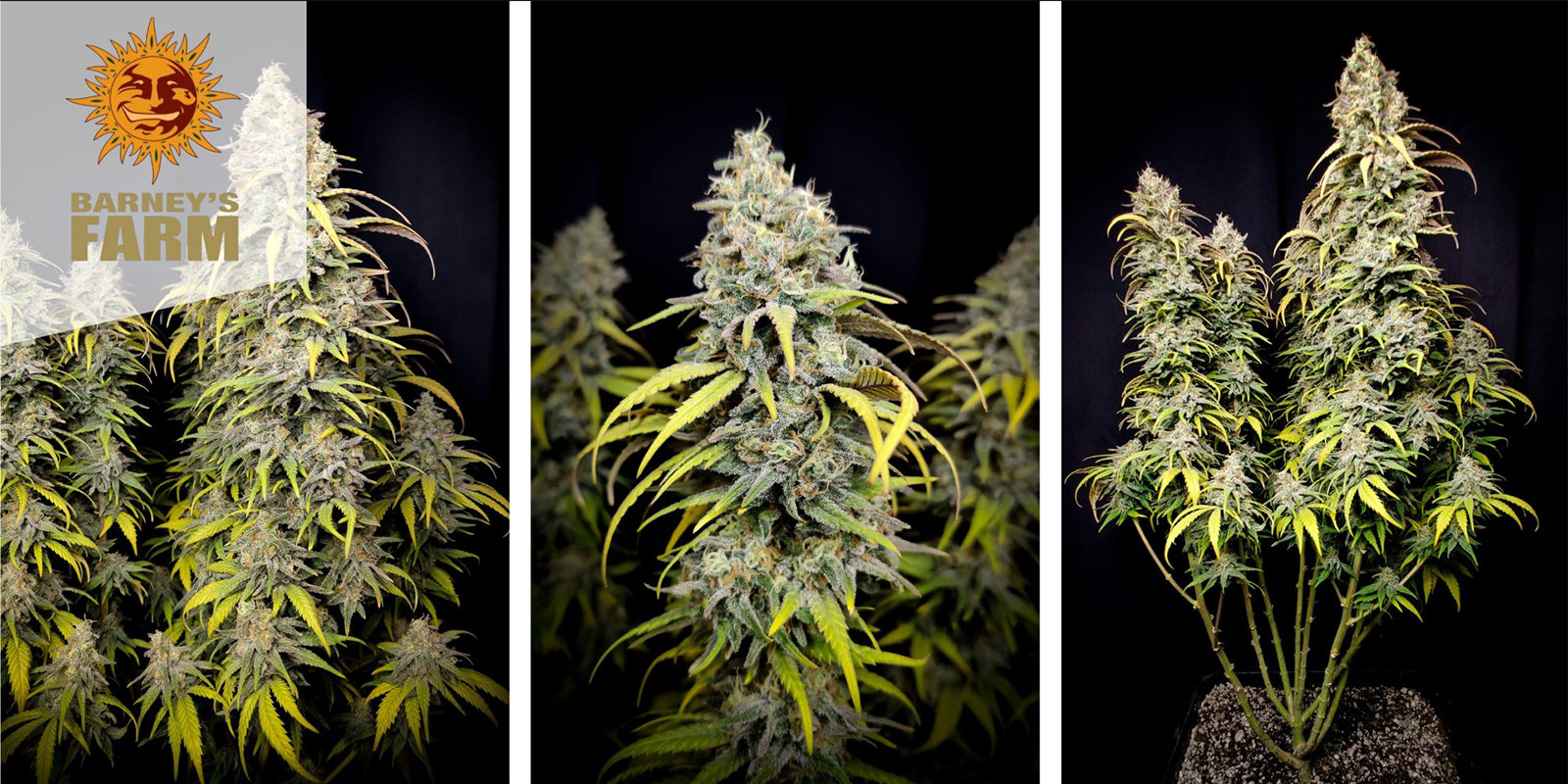
LSD is the more hard-hitting option for growers who want performance first and foremost. It’s notably tolerant and vigorous under intense light, making it a sturdy choice when Mediterranean summers are running hot, and you’re aiming for heavy results outdoors.
Autoflowers are a smart match for Mediterranean Italy because they can thrive in the heat and wrap up quickly, allowing you to avoid the later part of the season when humidity can start to creep in. They’re also ideal if you want to run more than one outdoor cycle while the weather stays reliably warm.
Watermelon Autoflower (Royal Queen Seeds) feminized
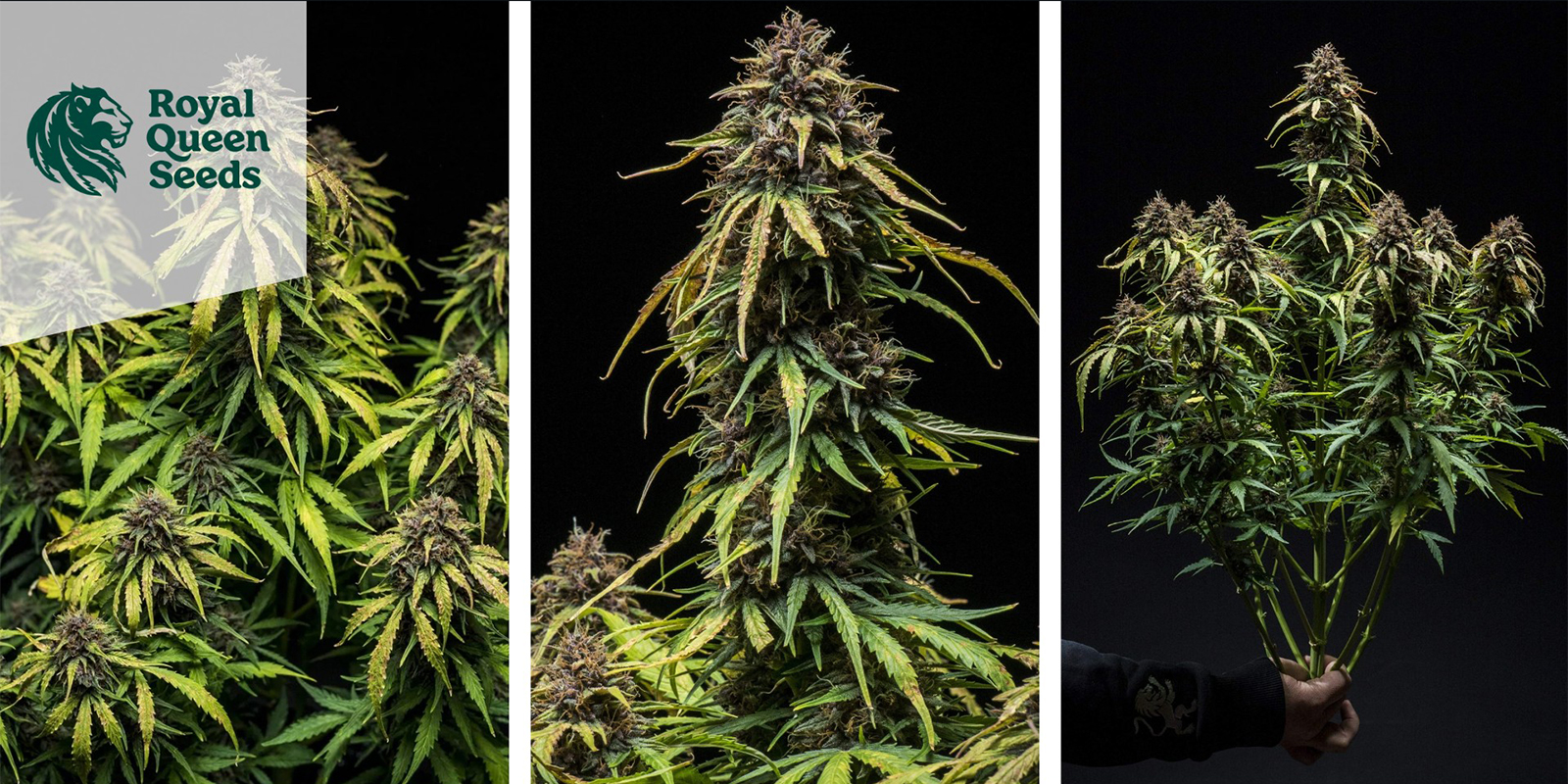
The autoflowering version of Watermelon performs exceptionally well in hot climates and finishes fast, making it an excellent option for southern growers looking to maximise the long season without committing to a full-length photoperiod run.
Lemon AK Auto (FastBuds) feminized
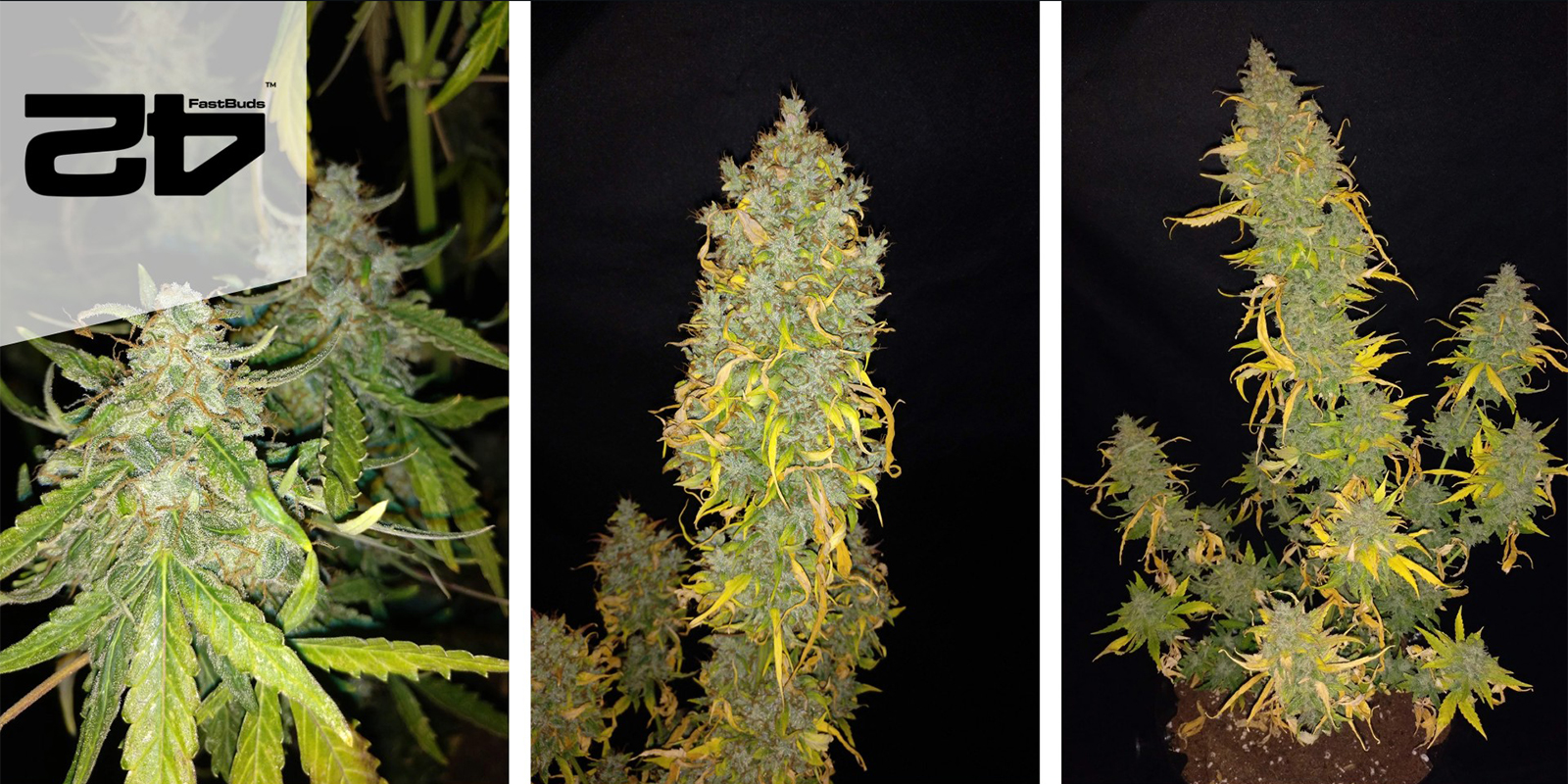
Lemon AK auto is another strong pick when you want a speedy turnaround. It handles high temperatures well and is well-suited for harvesting quickly before late-season moisture becomes a risk.
Best outdoor strains for continental inland Italy (temperature swings)
Inland areas, away from the coast, can be remarkably productive, but the weather is less forgiving. Hot days can swing into much cooler nights, and sudden storms can interrupt an otherwise perfect run.
For these continental conditions, look for outdoor genetics that stay stable through temperature shifts, with solid vigour and sensible flowering times. The picks below strike a balance between performance and resilience, whether you’re growing photoperiod plants to full size or aiming for a faster auto harvest.
In continental inland Italy, feminized strains need to be comfortable with contrast: bright, hot days followed by noticeable nighttime drops. You’ll get the best results from plants that keep pushing through those swings, rather than slowing down or becoming temperamental.
Tropicana Cookies (Zamnesia Seeds) feminized
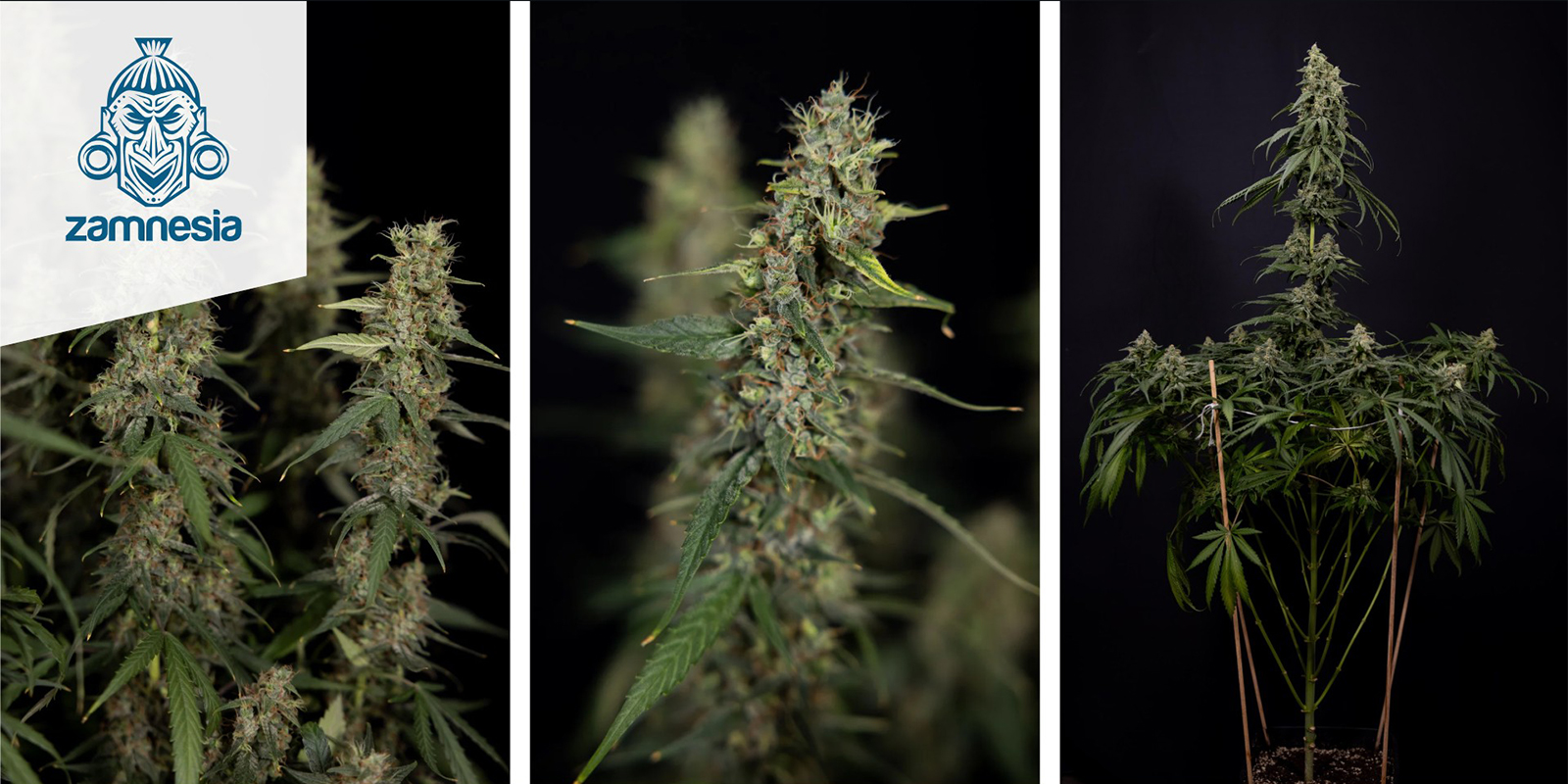
Tropicana Cookies is a modern, terpene-rich choice that loves sunshine but can also handle cooler nights. That makes it a strong fit for Tuscany and similar central inland zones, where day–night variation is the norm during late summer and early autumn.
Shiva Skunk (Sensi Seeds) feminized
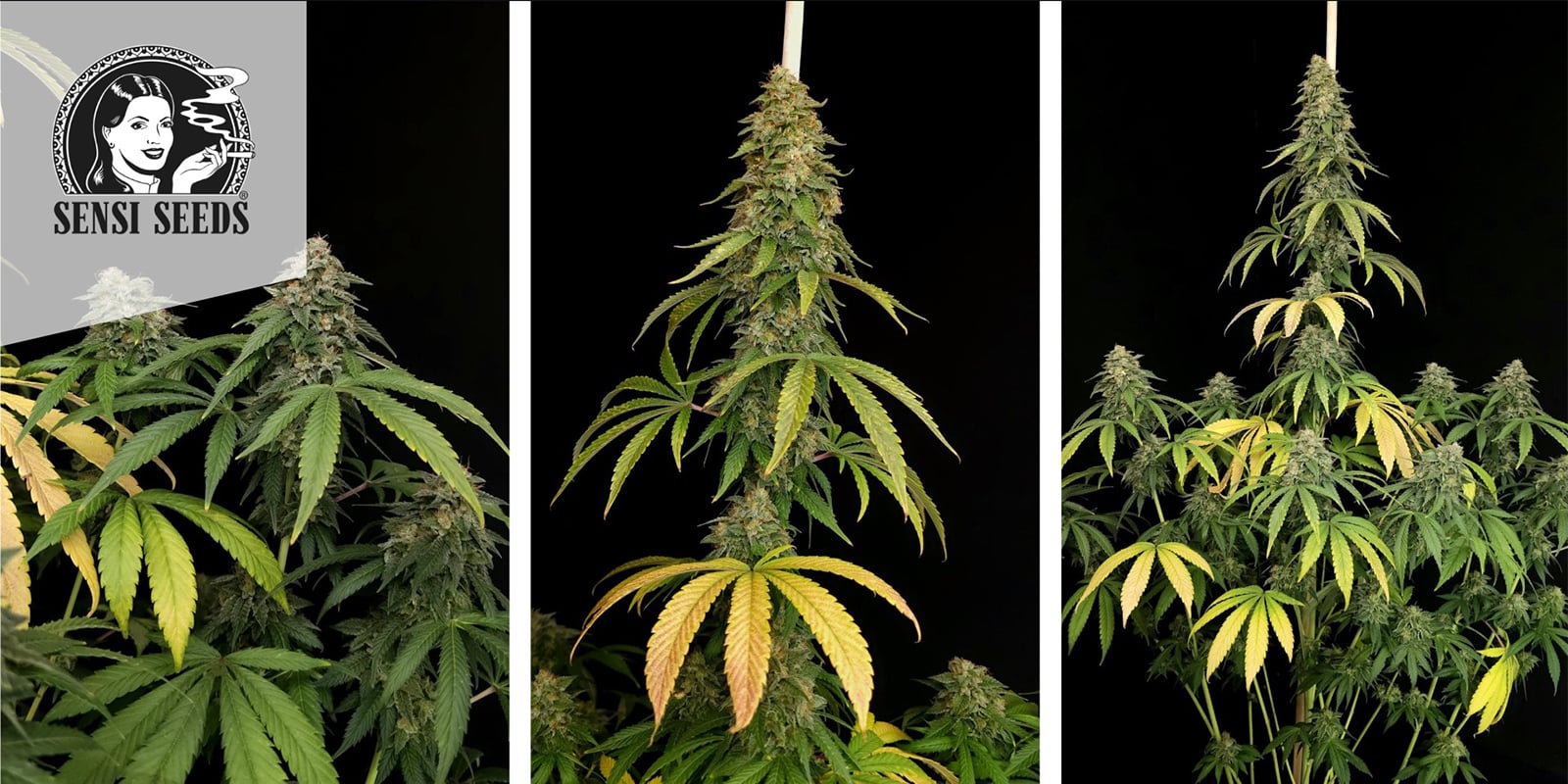
If you’d rather keep things classic and predictable, Shiva Skunk is a stable outdoor workhorse. It’s known for resilience and a reliable finish, helping inland growers stay on schedule even when the weather decides to change its mind.
When inland weather flips quickly, autos can be the easiest way to stay ahead of the forecast. Their shorter lifecycle means less time exposed to sudden cold snaps, heavy rain, or early-season mould pressure.
Green Crack F1 Autoflower (Zamnesia Seeds) feminized
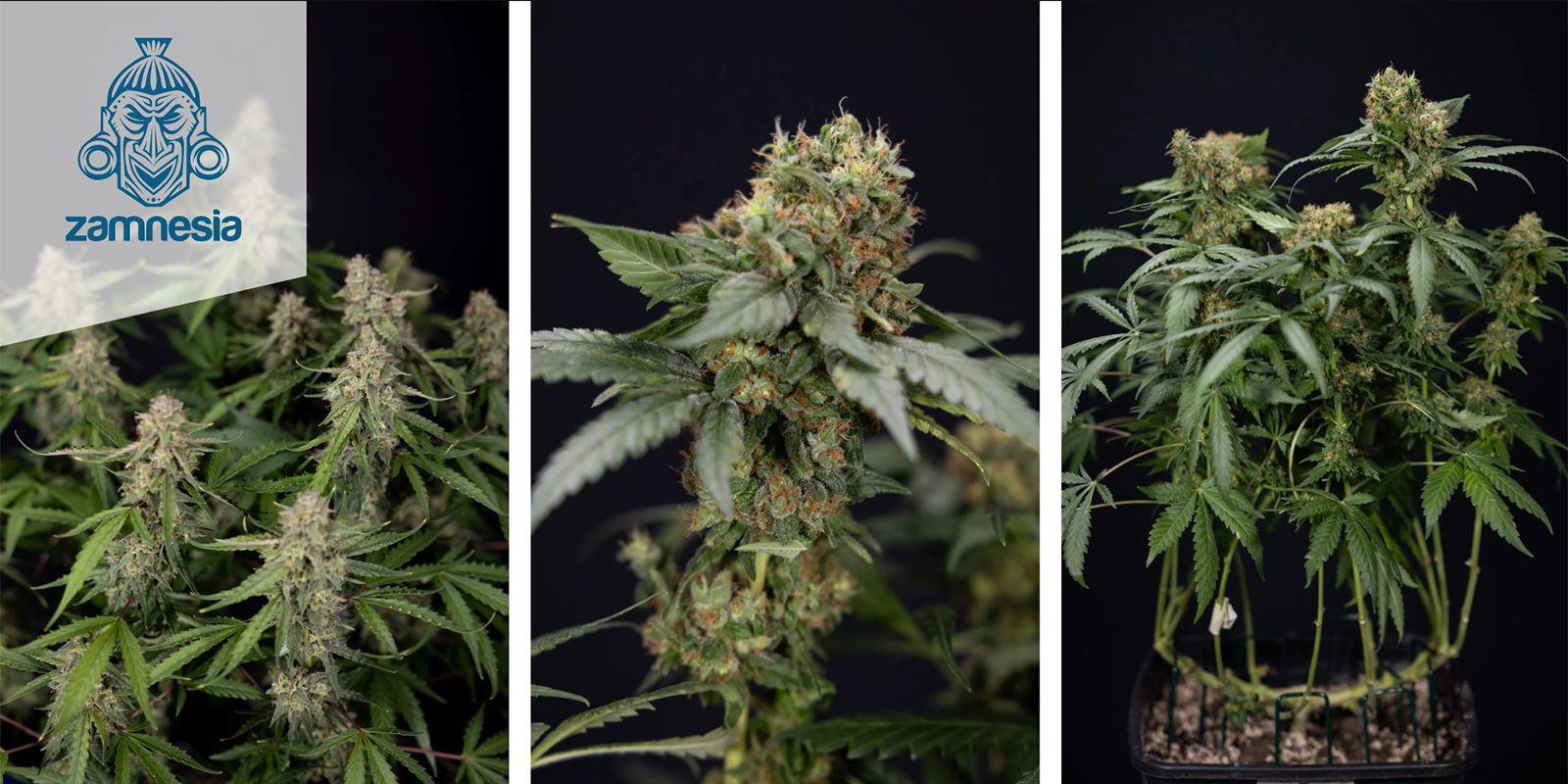
Green Crack F1 hybrid is a particularly solid match for these conditions: it runs fast, grows with impressive uniformity, and stays stress resistant when temperatures swing. For growers in central and northern inland areas, it’s a dependable option when you want a straightforward outdoor run without drama.
Best outdoor strains for northern Italy (humidity & autumn rain)
Northern Italy can deliver excellent outdoor harvests, but the real challenge often arrives late in the season. Higher humidity, cooler nights, and autumn rain increase the risk of bud rot and can drag out flowering.
For this region, prioritise strains that finish reliably and stay robust when the weather turns. The selections below focus on genetics that cope well with damp conditions and help you bring quality flowers to the finish line.
In the north, the goal with feminized plants is simple: finish with quality before autumn rain and persistent humidity can take hold. That means choosing genetics that flower reliably outdoors, with a structure that doesn’t trap too much moisture in dense sites.
Critical (Royal Queen Seeds) feminized
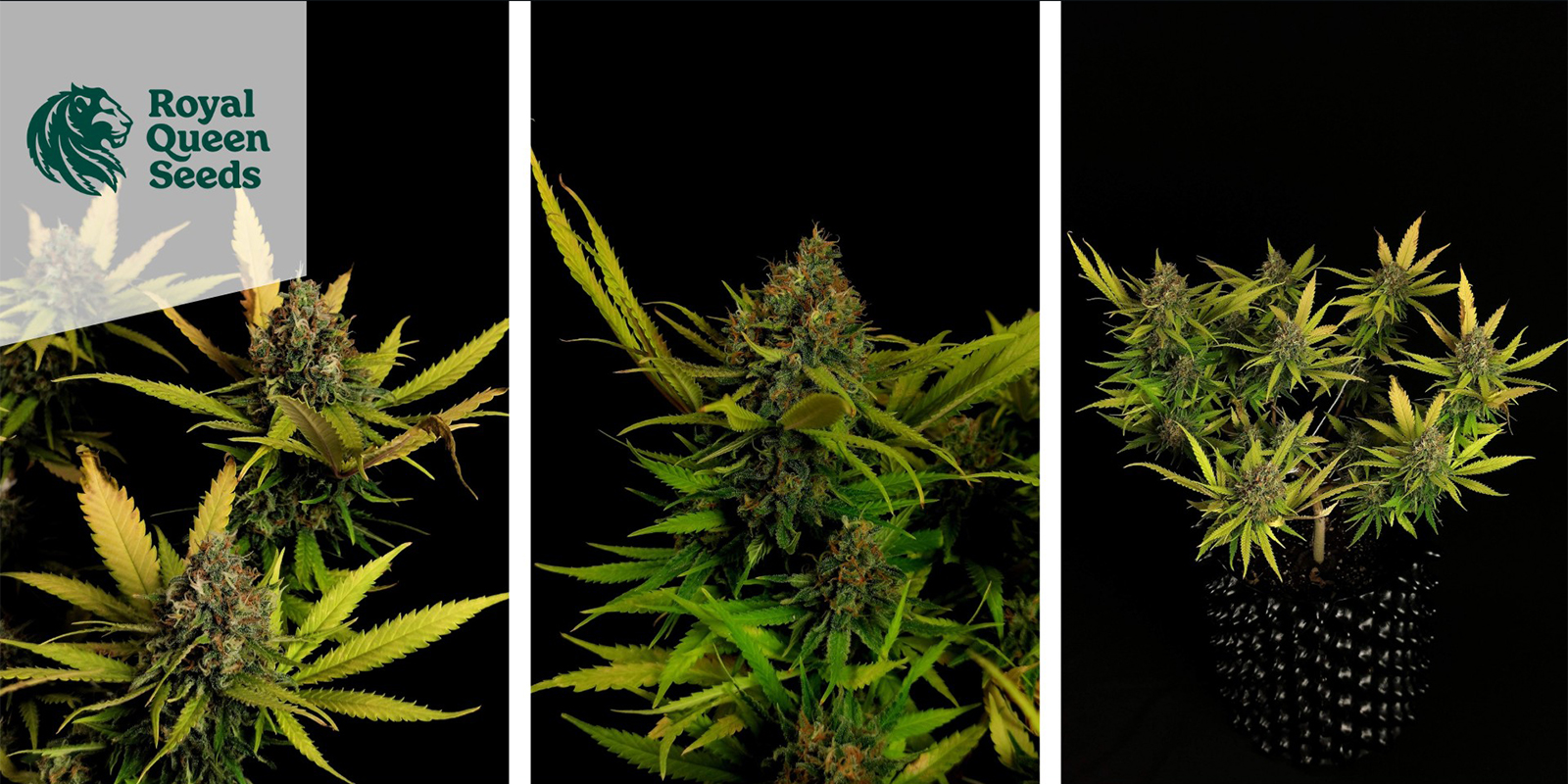
Critical is a proven option here. It’s dependable and quick enough to help you reach harvest before conditions get harsh, while its strong, sturdy growth makes it a solid performer in more humid outdoor climates where weaker plants can struggle to stay healthy.
For northern Italy, autos are a smart way to dodge the worst of autumn. A quicker cycle reduces the time your plants spend in persistent humidity and chilly nights, which is exactly when problems tend to start.
Auto Blueberry (Dutch Passion) feminized
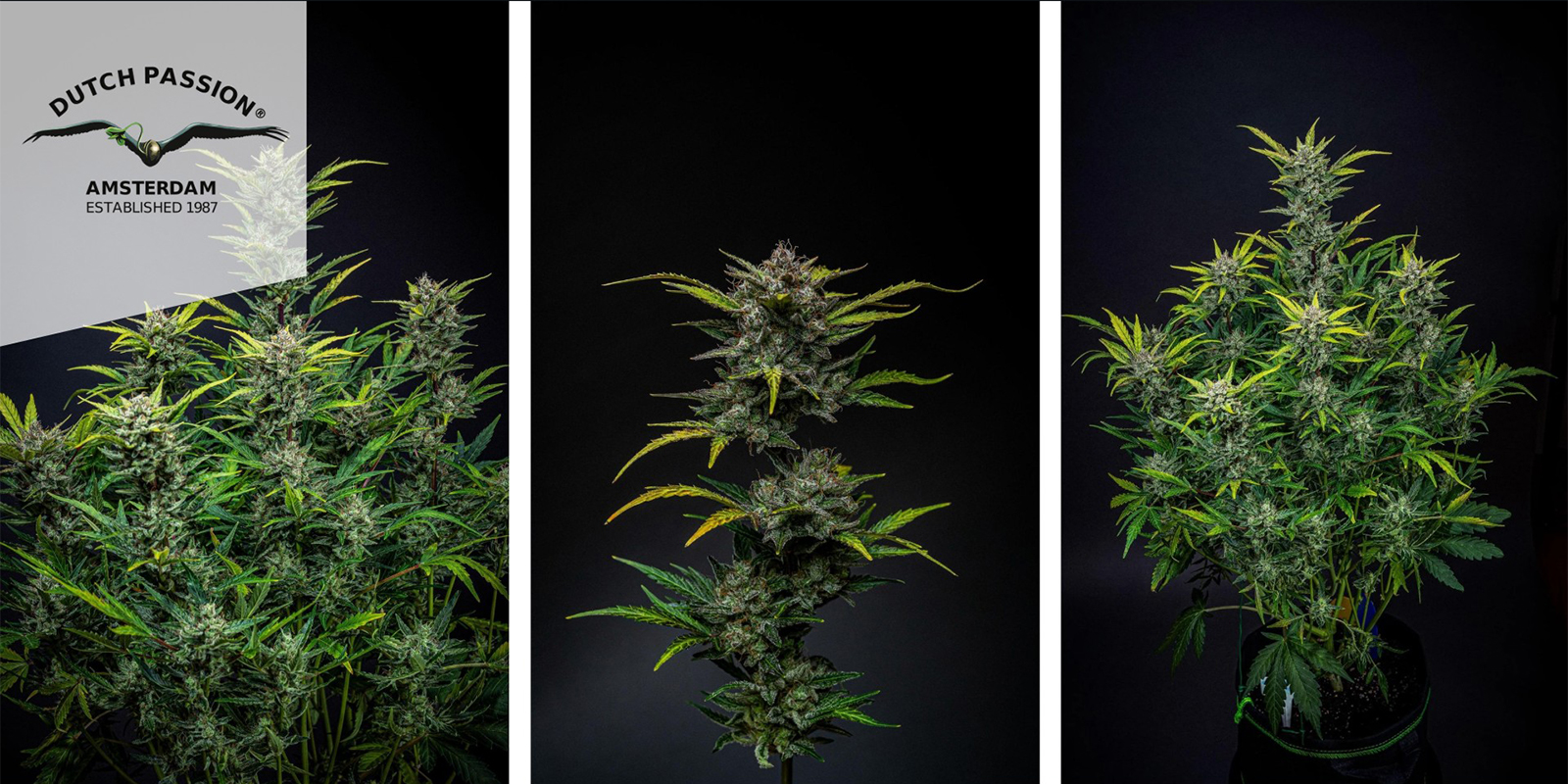
Auto Blueberry is a hardy, adaptable choice with good tolerance to moisture and cooler evenings. It’s particularly well-suited to northern conditions where autumn arrives sooner, helping you pull a satisfying outdoor harvest without having to gamble on late-season weather.
Why these strains were chosen
Italy isn’t a one-climate country, so these picks were filtered by what actually works outdoors in each region. For the south, we’ve leaned on heat-loving genetics that can thrive through long, bright summers. For continental inland areas, the focus is on stable hybrids that keep performing despite sharp day–night swings.
Up north, the priority shifts to mould-resistant, fast finishers that can beat humidity and autumn rain. We’ve also included modern autos for multi-harvest potential, letting growers squeeze in extra runs when the season allows. Overall, it’s a deliberate blend of classic, proven staples and new-school genetics, incorporating today’s standout traits.
Practical tips for outdoor growing in Italy
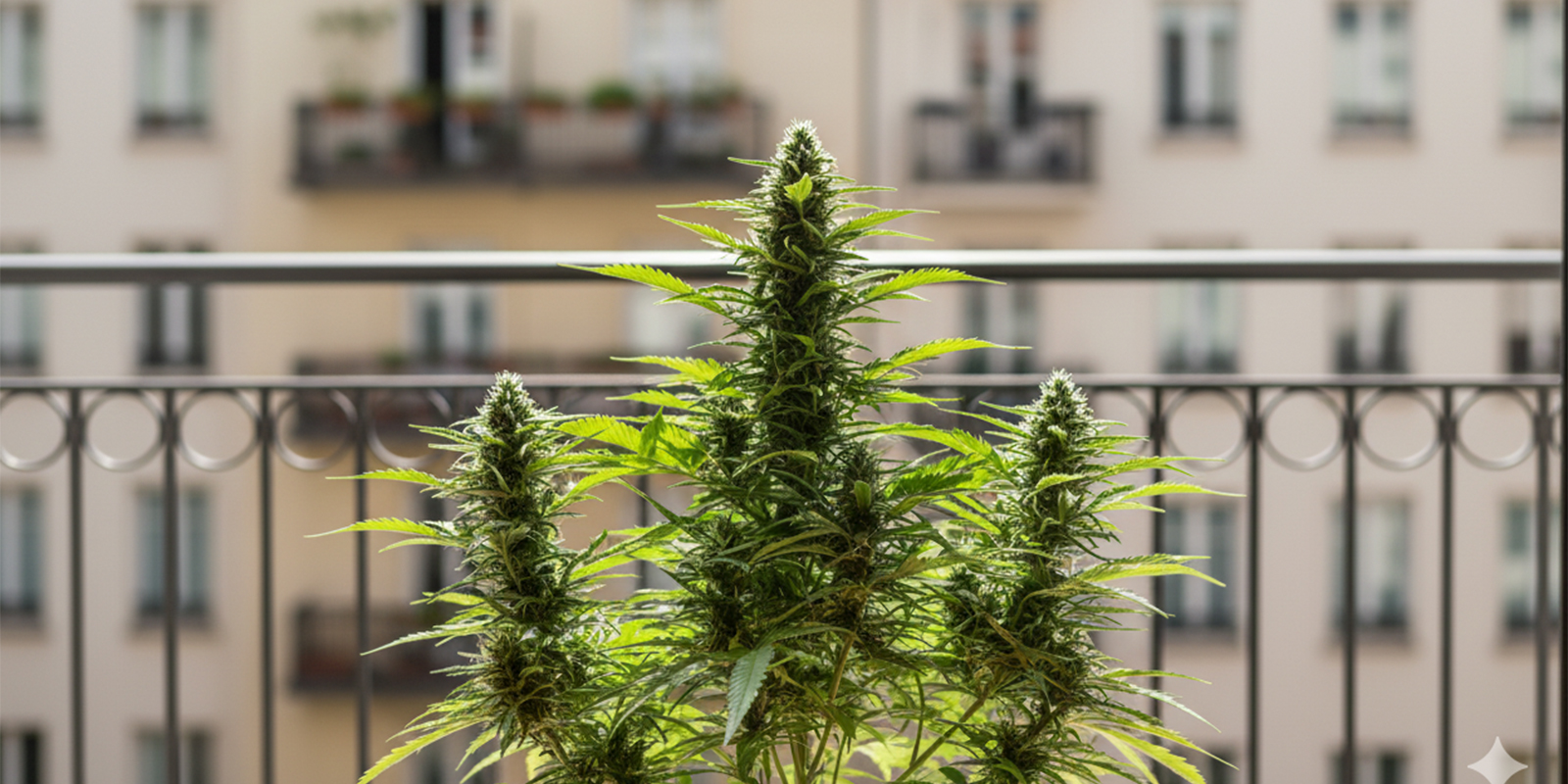
To get the most out of any of the strains above, tailor your approach to your specific microclimate. Along the Mediterranean coast, keep an eye on heat stress and stay consistent with watering, especially through peak summer. In inland zones, choose strains that can handle temperature swings and avoid pushing plants too hard during cold nights.
In the north, prioritise airflow (training and sensible spacing) and favour earlier finishes to reduce mould risk when autumn rain rolls in. For mountain areas, it’s usually safest to stick to autos and early feminized strains. If you’re growing in the south, you can also consider multiple autoflower cycles to make the long season work for you.
-
 5 min
5 May 2025
Simple tips to grow better weed
Think growing great weed is hard? With a few essential weed-growing tips and some basic know-how, anyone can enjoy top-shelf harvests in any setup. Get acquainted with eight essential tips for...
5 min
5 May 2025
Simple tips to grow better weed
Think growing great weed is hard? With a few essential weed-growing tips and some basic know-how, anyone can enjoy top-shelf harvests in any setup. Get acquainted with eight essential tips for...
-
 7 min
9 March 2021
The Best Outdoor Cannabis Seeds Per Climate In Europe
We've put together a guide on the best cannabis strains for outdoor cultivation based on different climate zones in Europe. Find out which ones suit your climate below!
7 min
9 March 2021
The Best Outdoor Cannabis Seeds Per Climate In Europe
We've put together a guide on the best cannabis strains for outdoor cultivation based on different climate zones in Europe. Find out which ones suit your climate below!
-
 3 min
26 April 2019
The Best Cannabis Seeds To Grow In A Warm Climate
Nothing beats a fat stash of primo outdoor marijuana. Aroma, flavour, potency and yield are all greatly enhanced by Mother Nature. Let the sun kiss these cannabis seeds in a warmer climate and you...
3 min
26 April 2019
The Best Cannabis Seeds To Grow In A Warm Climate
Nothing beats a fat stash of primo outdoor marijuana. Aroma, flavour, potency and yield are all greatly enhanced by Mother Nature. Let the sun kiss these cannabis seeds in a warmer climate and you...
-
 4 min
14 August 2018
How Much Water Do Cannabis Plants Need?
Just as with humans, cannabis plants need water to survive and thrive. But too much - or too little - and they die. Finding the right balance is crucial for an abundant harvest.
4 min
14 August 2018
How Much Water Do Cannabis Plants Need?
Just as with humans, cannabis plants need water to survive and thrive. But too much - or too little - and they die. Finding the right balance is crucial for an abundant harvest.