
 8.6 out of 10 based on 80578 reviews








.svg)
.svg)
.svg)
.svg)
.svg)
.svg)



 Mushroom Dosage Calculator


 Help
Help United States

 6 min
6 min
Discover 10 Unique-Looking Vegetables


Do you want to sow some strange and novel fruits and vegetables in your garden this spring? Well, look no further—we’ve got you covered with this top 10 list of odd-looking plants to add some excitement to your life.
Watching your garden (or balcony) burst into life throughout spring and summer never fails to be one of the most joyous parts of the year. And if you get to eat the fruits of your labour (literally) in the autumn, even better!
There are far stranger fruits and vegetables than the usual supermarket staples, and you can grow them in your own garden this year. And trust us when we say that these are sure to amaze both the eyes and taste buds.
10 odd-looking vegetables for your garden
When the growing season comes around, many of us fantasise about getting outside and planting ourselves some lovely vegetables to tend to over the summer, and to make some wonderful meals with come harvest time. Often, we choose the same few vegetables as last year and the one before.
So, why not opt for some lesser-known, perhaps a little more astonishing vegetables to give your haul a rare sense of novelty this year? Here are our 10 favourite distinct-looking vegetables to grow in your very own vegetable patch.
Lemon apple cucumber
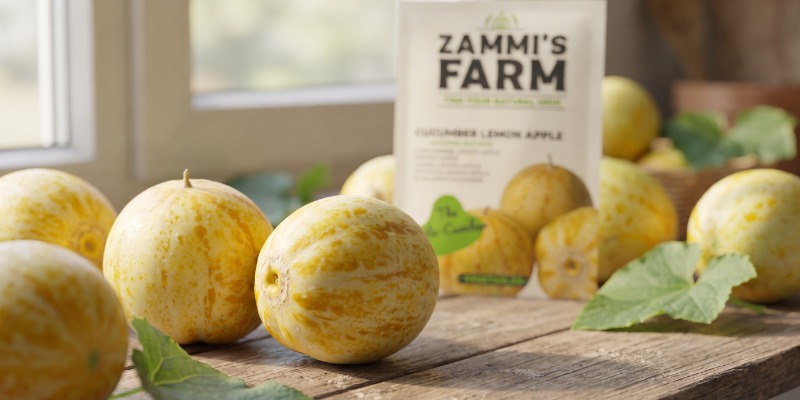
The lemon apple cucumber is a bizarre fruit that shares traits with the three fruits that make up its name. It is round and yellow like a lemon and has a subtly sweet and moreish flavour, a little bit like an apple. But why cucumber? Well, cucumber is probably the vegetable it resembles most closely, and indeed, it is a type of cucumber.
As such, it is well-suited to refreshing summer salads, or with a dip. It makes salads taste a little more interesting than standard cucumbers would (the power of novelty), and while you have some sitting in the fruit bowl, they’re sure to draw the attention of any guests you may have. At the very least you’ll have something to talk about.
Grow tip: Sow seeds under glass in early spring, then move plants outdoors once the weather warms. Keep the soil consistently moist and let them climb a trellis for the best fruit production until late summer.
Yellow pear cherry tomato
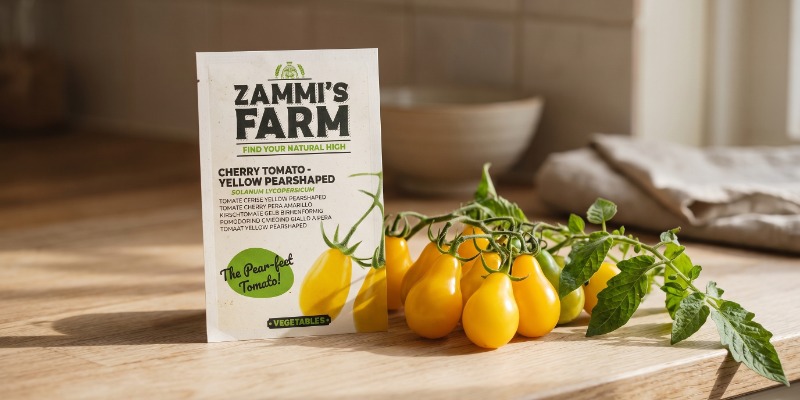
These tomatoes ripen to a vibrant, almost fake-looking yellow colour. But don’t let that outer semblance fool you: they are nutritious and natural, and they taste fantastic!
You can eat them by themselves or in a salad; they have a tangy, acidic flavour that brings dishes to life and enlivens the palate. To complement this acidity, they also boast high amounts of sweetness that make them truly delicious.
Grow tip: Sow after the last frost and grow in full sun with fertile, well-fed soil. Stake or trellis the plants to support them through a long summer harvest.
Cardoon
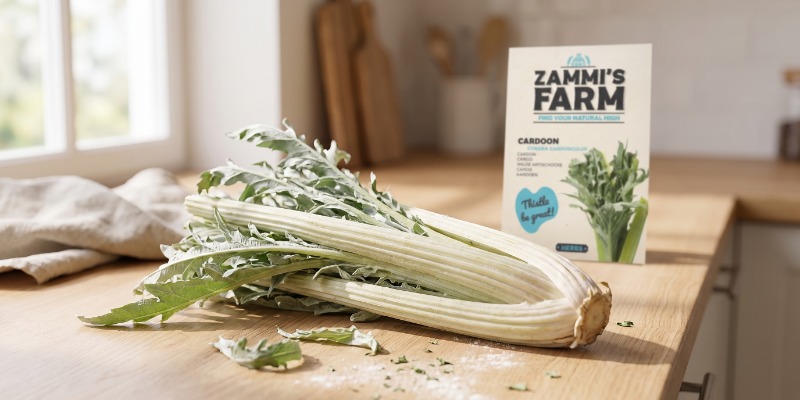
A close relative of the artichoke, the cardoon is one of the most dramatic-looking plants you can put in a vegetable patch. It throws up towering, silvery-grey stalks and jagged, architectural foliage, topped in summer with striking purple thistle-like flowers. It looks less like a humble vegetable and more like a sculpture that wandered into your garden.
Despite its wild appearance, the cardoon is very much edible. The fleshy leaf stalks are the prize: blanched and cooked, they deliver a delicate flavour reminiscent of artichoke hearts, perfect for gratins, soups, and braises. The spiky flower buds can be eaten too, much like a small artichoke.
Grow tip: Plant in nutrient-rich soil with plenty of organic matter, in a warm, sunny spot. Mound soil around the stalks to blanch them before harvesting, and pick the spiky flower buds to eat like artichokes.
Pinto bean

Pinto beans look a bit like something that could emerge from the depths of the ocean. They are white and red and display a dappled patchwork of colours that stands out from the greens of a typical vegetable garden. Certainly an exciting change!
Although they look rather strange, they’re otherwise quite similar to other legumes. They can be used for stews, or you can serve them as a side dish, perhaps with a nice dollop of butter or a vegan alternative.
Grow tip: Sow seeds directly outdoors after the last frost, spacing them 4–6 cm apart, and give them a pole or trellis to climb. They’re ready to harvest in 45–60 days, fresh or dried.
Great white beefsteak tomato
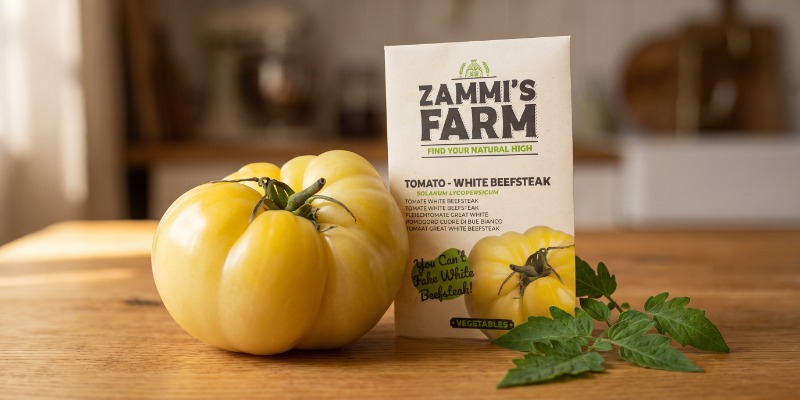
Great white beefsteak tomato may have a slightly obnoxious name, but it’s not its fault! It’s often linked to one of the founding fathers of the US, Thomas Jefferson, so this large, yellow tomato carries a real sense of history. So, why not try growing (and eating) it yourself?
These tomatoes are dense, meaty, and dripping with juice, and go well in sandwiches or grilled alongside a beefsteak for meat eaters. They’ll continue to produce fruit throughout the whole growing season, which is a great feature if your plan is to use them as you harvest them. But be warned; due to their size and juiciness, these plants are very thirsty, meaning they’ll require a whole lot of water, again and again. Still, if you treat them well, they will reward you. However, make sure to bring them inside before the first frost if you want the best results.
Grow tip: Start seeds indoors about 8 weeks before the last frost, then move outside once the danger of frost has passed. These thirsty plants need full sun, regular feeding, and sturdy stakes; bring them inside before the first autumn frost.
Pumpkin on a stick
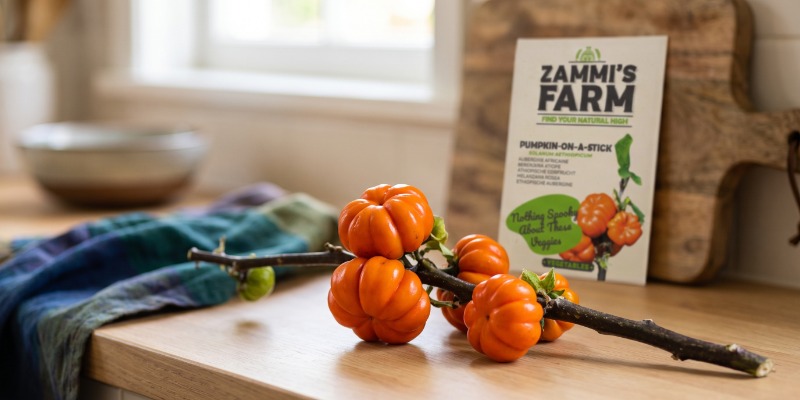
This specimen looks very strange, and is aptly named. In fact, whoever first named this plant was clearly feeling quite literal, as it does look like collections of small pumpkins on sticks. But they’re no pumpkins!
Both the fruits and the leaves of the plant can be eaten, which makes it versatile and generous. Despite the name, these fruits are actually a sort of tomato, and belong to the nightshade family. You can eat them raw, put them in salads, sandwiches, or anything else you fancy.
We’re not done yet with the names, though; this plant is so strange and attractive that many people just grow it as an ornamental plant, from which it derived another name: "ornamental aubergine".
Grow tip: Start seeds indoors early in the season, then transplant outside once it’s warm enough to bask in full sun. Both the fruit and leaves are edible once harvested.
Indigo rose cherry tomato
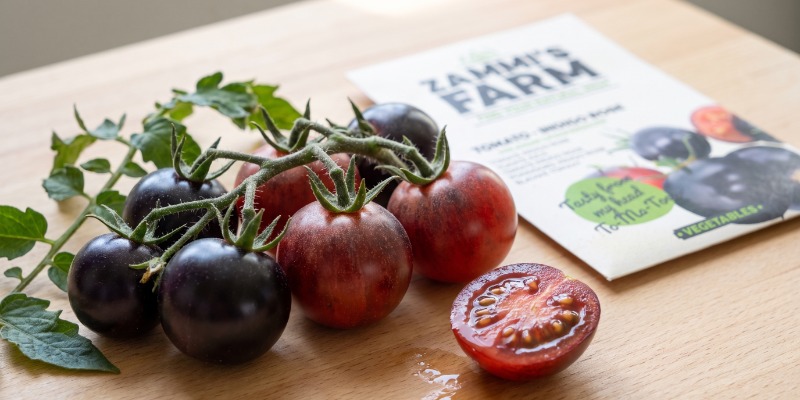
This tomato plant is not just a sight to behold; its dark little treats release a mild, slightly sweet flavour topped off with a touch of acidity, perfect for snacking. The sun-facing side of the fruits of this heirloom variety ripen to a stunning purple-black, whereas the shade-facing side takes on a deep red hue. Inside, they exhibit the red hue of a normal tomato.
This colouration makes them really special, and watching them change as they approach maturity and bask in the sun is highly satisfying and quite exciting for most gardeners.
Grow tip: Grow in full sun and rich soil, pruning and staking regularly. Harvest once the shaded side turns pinkish-red and the sun-facing side deepens to purple-black.
Violet de Provence artichoke
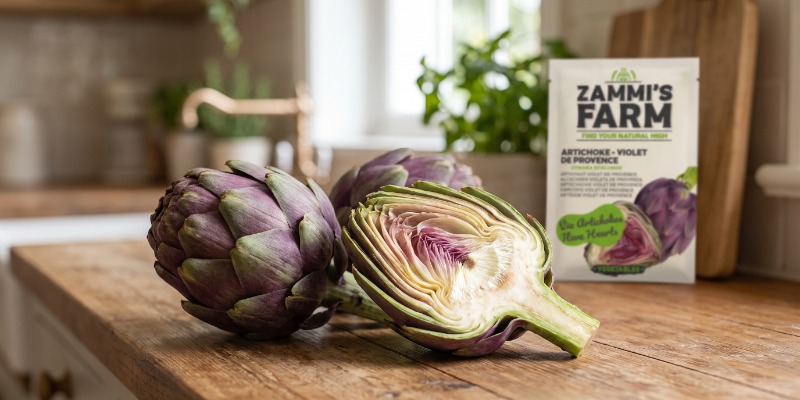
The Violet de Provence is a beautiful French heirloom artichoke that trades the usual green for gorgeous violet-purple heads. Compact, tender, and elegant, these little artichokes look almost too pretty to eat: an ornamental centrepiece and a gourmet vegetable rolled into one.
Harvested young, the violet heads are tender enough to be enjoyed raw, thinly sliced into salads with a squeeze of lemon and a drizzle of olive oil. Left to mature a little longer, they can be steamed, grilled, or braised in classic Mediterranean style. However you serve them, they bring a touch of Provençal flair to the plate.
Grow tip: Sow indoors between February and April, then move outside in early summer. As a perennial, it’ll keep producing for years; just cover it during winter to protect it from frost.
Salsify blanco
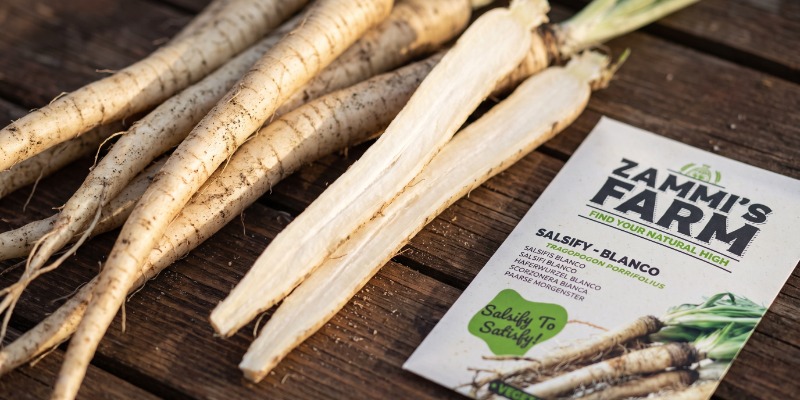
Salsify is a relatively unknown root vegetable. These roots resemble sickly parsnips, but actually have the flavour of an oyster: unexpected and quite interesting!
This flavour profile makes them very unusual, and it means they can be used for rather particular culinary endeavours. As with most root vegetables, they can be cooked in many different ways, from par-boiling, to deep frying, or even turning them into a nice purée. Delicious any way!
Of all the vegetables on this list, salsify is probably the strangest in terms of flavour, and anyone who loves lesser-known and exciting foods should definitely give it a try.
Grow tip: Sow seeds directly outdoors in fertile, deep, loose soil, leaving 8–10 cm between plants and 30–40 cm between rows. Give them full sun and regular watering, and harvest the roots before the plants bloom.

Growshop
Set up your grow the right way. Tents, lights, nutrients, propagation supplies, pots, and many handy accessories.
Tomatillo
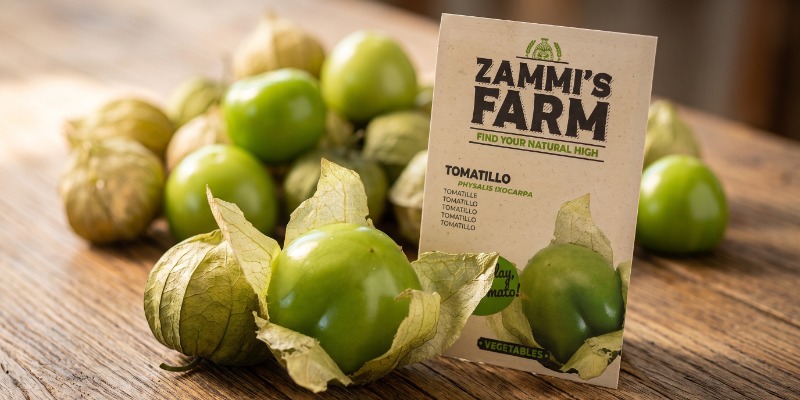
The tomatillo, also called Mexican husk tomato, is related to, but distinct from, tomatoes. In fact, it’s possible that it resembles the ancestors of the tomato we know today, which is actually a uniquely human breeding invention.
Tomatillos have a tough husk that must be peeled away before use. You can eat them raw or cooked, and they have a tart sweetness to them. Most famously, they are used to make salsa verde. Despite their relation to tomatoes, they shouldn’t be substituted for these fruits when cooking, as each flavour is quite its own.
Grow tip: Start seeds indoors and transplant outside after the last frost. Tomatillos prefer well-draining soil, full sun, and regular feeding to produce their husked fruit.
Strange vegetables: Get sowing!
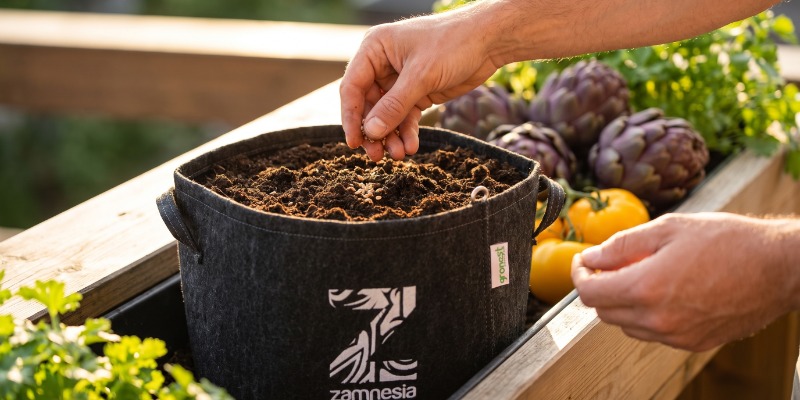
Sowing the seeds of strange greens in your garden won’t just give you some visual novelty when you watch them grow and come to harvest them, but it will also open up new culinary worlds and inspire you to experiment once you have them in the kitchen. In fact, this is probably the most exciting aspect of growing unusual vegetables: the added strangeness of their appearance is perhaps just a bonus! Get out in your garden or to your balcony and enjoy each part of the process while soaking up some of those warming rays yourself!
All of these are grown at home, and the oddest of them sit in our full range of edible plant seeds, alongside the Indigo Rose tomato and the blue podded pea.
Ten is a short list. The full plant seed page runs to 206 packets, oddities included.
-
 5 min
12 May 2026
Top 10 Easiest Vegetables To Grow
Short on space or experience? From quick microgreens to reliable radishes, these beginner vegetables to grow help you get early wins and build a simple routine.
5 min
12 May 2026
Top 10 Easiest Vegetables To Grow
Short on space or experience? From quick microgreens to reliable radishes, these beginner vegetables to grow help you get early wins and build a simple routine.
-
 4 min
28 April 2023
Top 10 Easy-To-Grow Herbs
Ever wanted to cultivate your very own herbs, but thought the task would be too demanding or that you wouldn't have enough space? Well, we're to say that these problems are a thing of the past!...
4 min
28 April 2023
Top 10 Easy-To-Grow Herbs
Ever wanted to cultivate your very own herbs, but thought the task would be too demanding or that you wouldn't have enough space? Well, we're to say that these problems are a thing of the past!...
-
 5 min
10 October 2022
How To Grow Hot Peppers With Hydroponics
Growing chillies hydroponically can be challenging, but very rewarding. Here we provide an overview of the process, and outline three of the best, beginner-friendly hydroponic systems for growing...
5 min
10 October 2022
How To Grow Hot Peppers With Hydroponics
Growing chillies hydroponically can be challenging, but very rewarding. Here we provide an overview of the process, and outline three of the best, beginner-friendly hydroponic systems for growing...
-
 5 min
21 July 2022
The Best Grow Lights For Hot Peppers
Growing chillies is great fun. For those living in less-than-ideal climates, or who want to grow chillies all year round, this means moving plants inside during the colder months. In this case,...
5 min
21 July 2022
The Best Grow Lights For Hot Peppers
Growing chillies is great fun. For those living in less-than-ideal climates, or who want to grow chillies all year round, this means moving plants inside during the colder months. In this case,...