
 8.6 out of 10 based on 79773 reviews







.svg)
.svg)
.svg)
.svg)
.svg)
.svg)



 Mushroom Dosage Calculator


 Help
Help United States
Cropping cannabis scrOG style: The complete guide for maximum yields
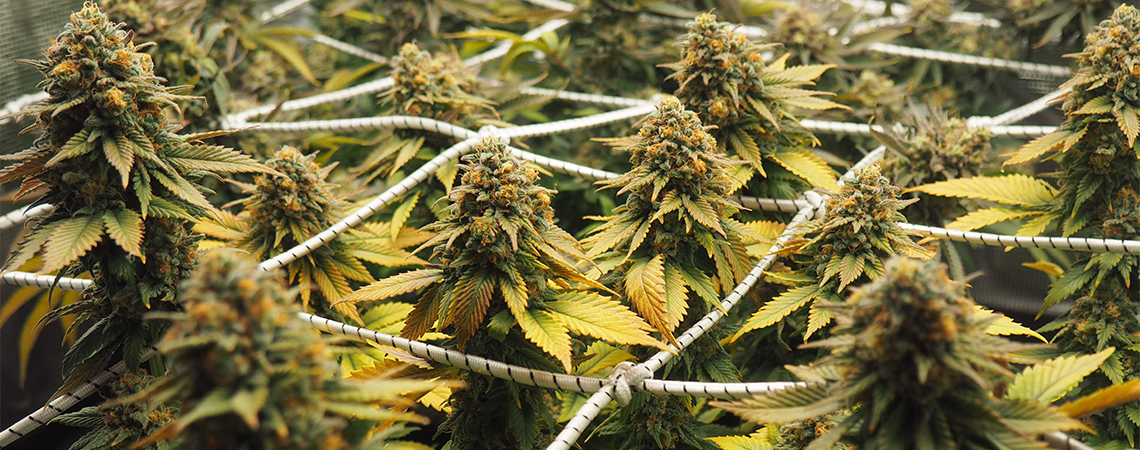



Master the screen of green technique and transform your indoor grow into a high-yielding success. This guide breaks down the ScrOG method step-by-step. Covering setup, training, strain selection, troubleshooting, and pro tips to help you maximise every centimetre of your grow space.
Ready to boost your cannabis yields and grow like a pro? The ScrOG method might be your game-changer.
The screen of green method, widely known as ScrOG, is a powerful training approach that helps growers create a flat, uniform canopy where every bud site gets optimal light. By guiding branches horizontally across a mesh screen, the ScrOG technique maximises light efficiency, improves airflow, and encourages plants to produce dense, high-quality flowers from top to bottom.
Ideal for growers who want greater control and bigger results from limited indoor space, the ScrOG method provides a strategic approach to shaping plant structure and unlocking their full productive potential. This guide walks you through the essential concepts behind the process, highlighting the strains that excel with this style of training and setting the stage for a straightforward, step-by-step approach to achieving consistently impressive yields.
What is ScrOG and why use it?
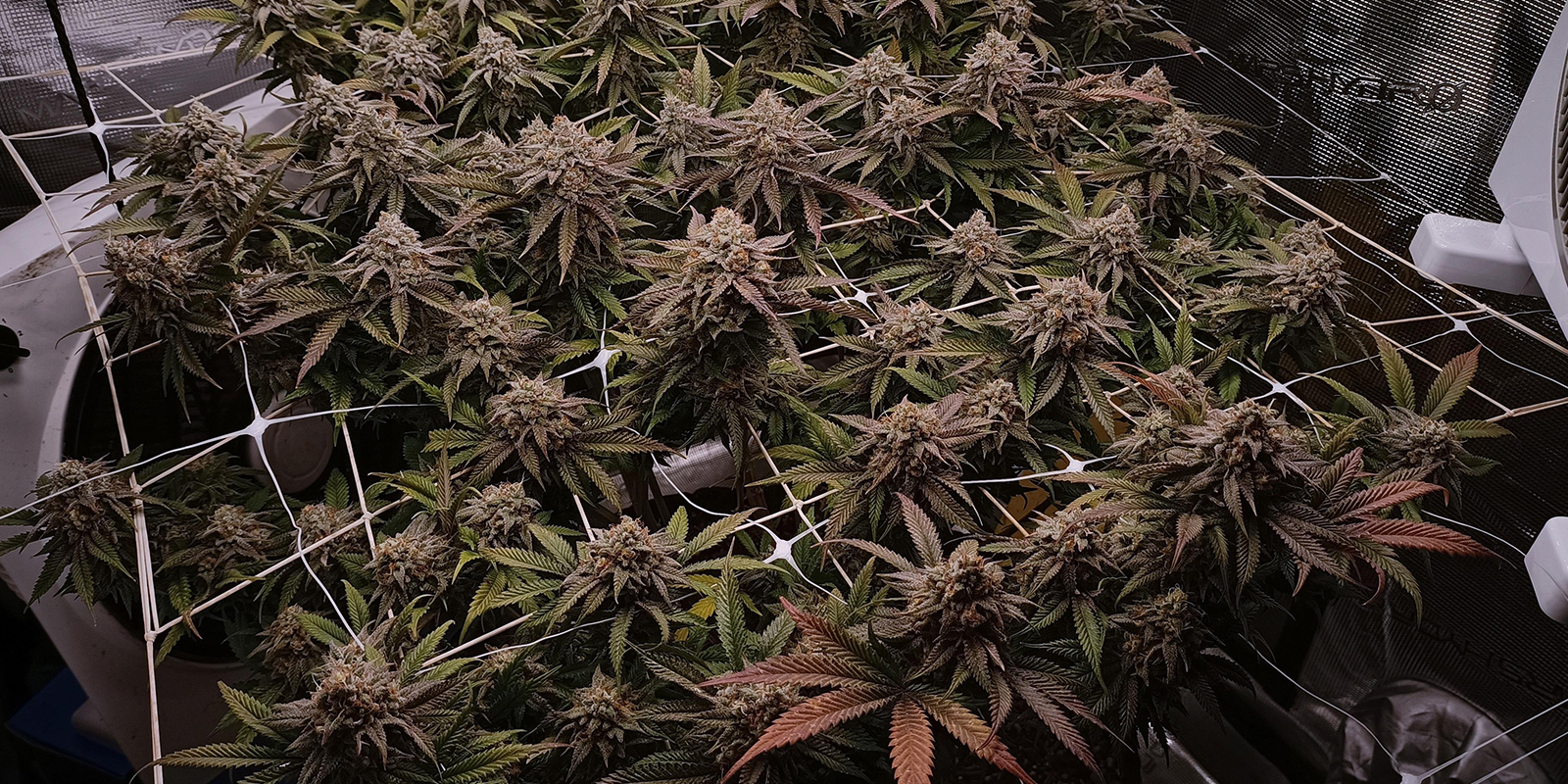
Screen of green, or ScrOG, is a training technique that uses a horizontal mesh or screen to guide cannabis plants into a wide, even canopy. Instead of growing upward, branches are encouraged to spread across the screen, creating a flat canopy where each developing bud site receives similar access to light. The result is a more consistent canopy structure compared to traditional, untrained plants, with fewer shadows and far more productive surface area.
The core idea behind the ScrOG technique is simple: shape the plant to match your light, rather than letting the plant dictate where light can reach. Indoors, where every lumen counts, this can dramatically improve efficiency. An even canopy helps prevent oversized central colas, reduces wasted light, and promotes the formation of multiple dominant bud sites rather than just one.
Key benefits of the ScrOG method
The advantages of this training technique include:
- More bud sites: A wider, flatter canopy exposes numerous flower nodes to optimal light, supporting fuller development across the plant.
- Better light efficiency: By levelling the canopy, each branch receives comparable intensity, reducing shaded lower growth.
- Improved vertical space management: Ideal for compact grow tents or low-ceiling rooms, ScrOG keeps plants in a controlled, horizontal structure rather than allowing tall, unpredictable vertical growth.
- Great overall control: The technique makes it easier to manage airflow, spacing, and canopy maintenance throughout the grow.
For growers who want to explore different training styles, take a look at our complete guide to training techniques.
ScrOG vs SOG: What's the difference?
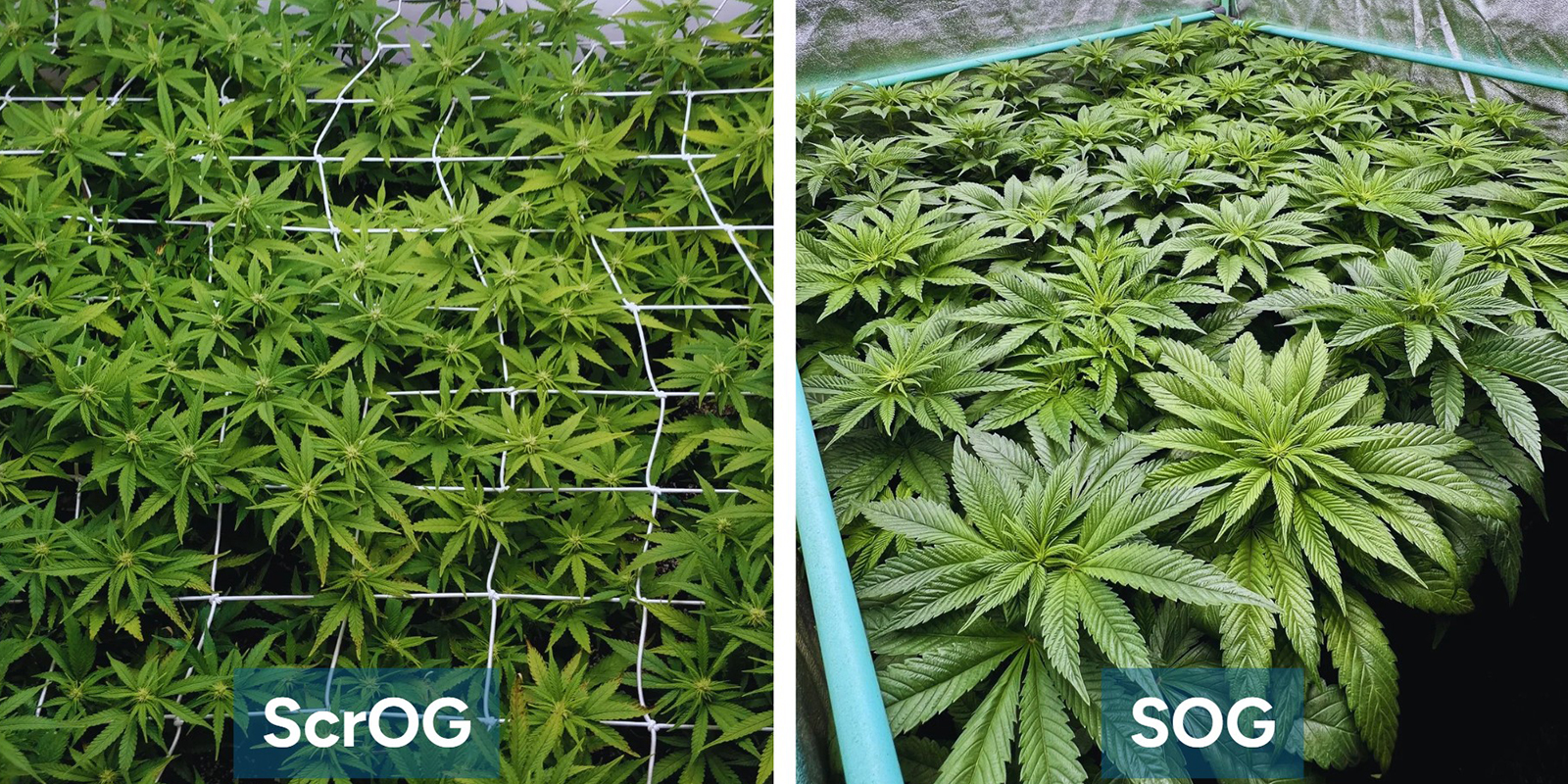
While both ScrOG and sea of green (SOG) aim to maximise yield in limited indoor space, they take opposite approaches. ScrOG focuses on training fewer plants to grow horizontally across a screen. SOG, by contrast, uses many small plants grown vertically with minimal training. In short:
- ScrOG: Fewer plants, more training, broad canopy development.
- SOG: Many plants, minimal training, fast vertical growth.
Growers often compare these techniques when deciding which suits their setup, goals, and strain choice.
When and how to start ScrOG training
A successful ScrOG setup relies heavily on timing. The screen of green works best when plants are still flexible, vigorous, and able to adapt to structural training before vertical growth becomes difficult to control. This section guides you through the ideal timing, installation of the screen, and initial training steps to prepare your plants for a successful ScrOG grow.
Ideal timing: When to begin ScrOG training
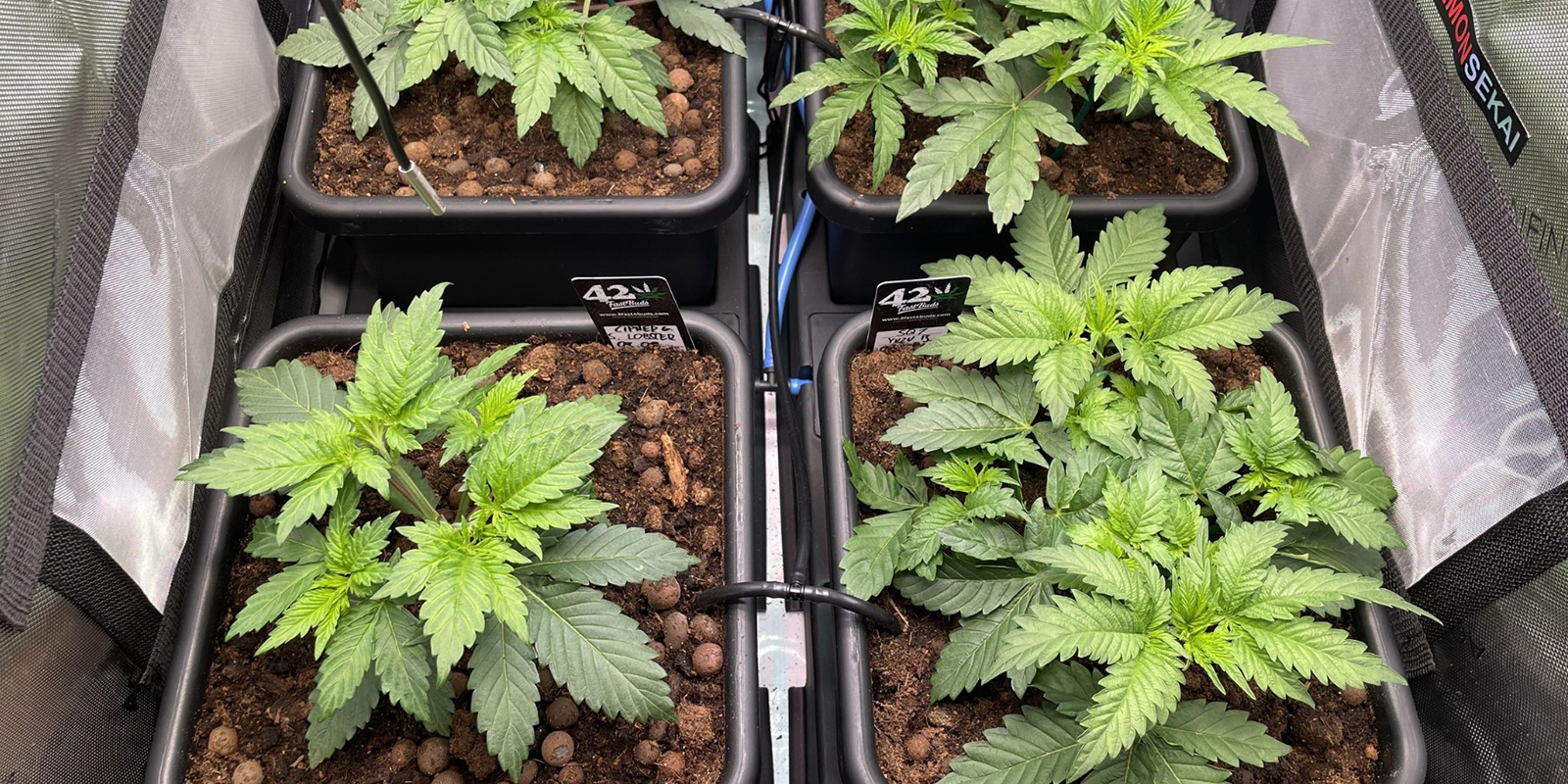
You should start ScrOG training during the late vegetative growth, once the plant:
- Has 4–6 established nodes
- Stands around 20–30 cm tall
- Has shown consistent, healthy growth
- Is flexible enough for low-stress bending
As a general rule, most growers start applying the ScrOG technique around weeks 3–5 of the vegetative stage, depending on the strain's growth rate. Starting too early means the plant may not have enough branches to fill the screen. Conversely, starting too late makes training more stressful and increases the risk of snapping branches.
If you need a deeper refresher on vegetative growth and training basics, browse the complete grow library at Zamnesia's grow hub.
ScrOG Step-by-step: Installing the screen
Setting up the screen of green infrastructure properly is the foundation of success. For the best results, follow the quick ScrOG tutorial below.
1. Measure your grow space
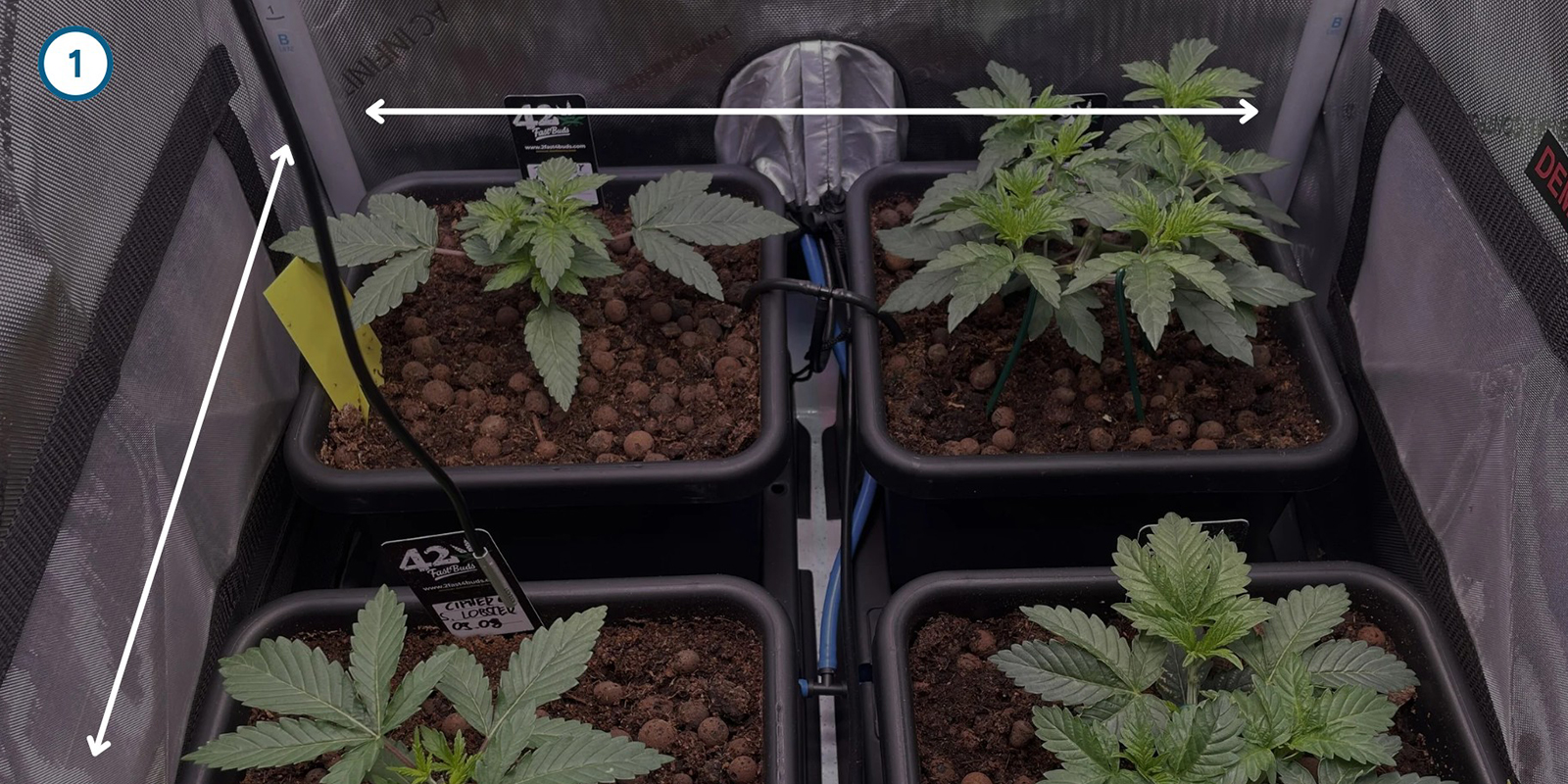
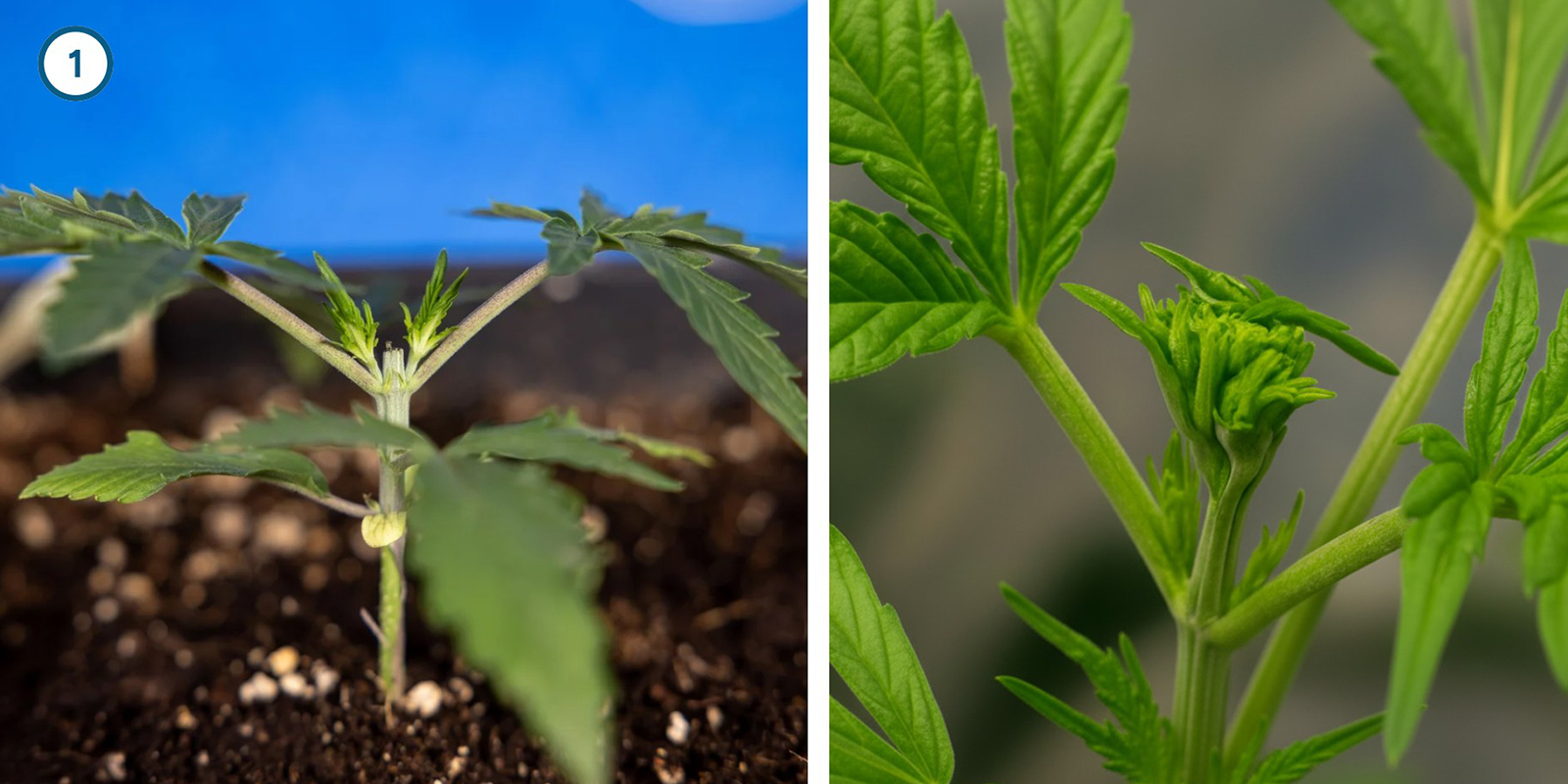
Determine the footprint of your tent or grow room to size your net correctly. A tight, evenly stretched screen gives the best results.
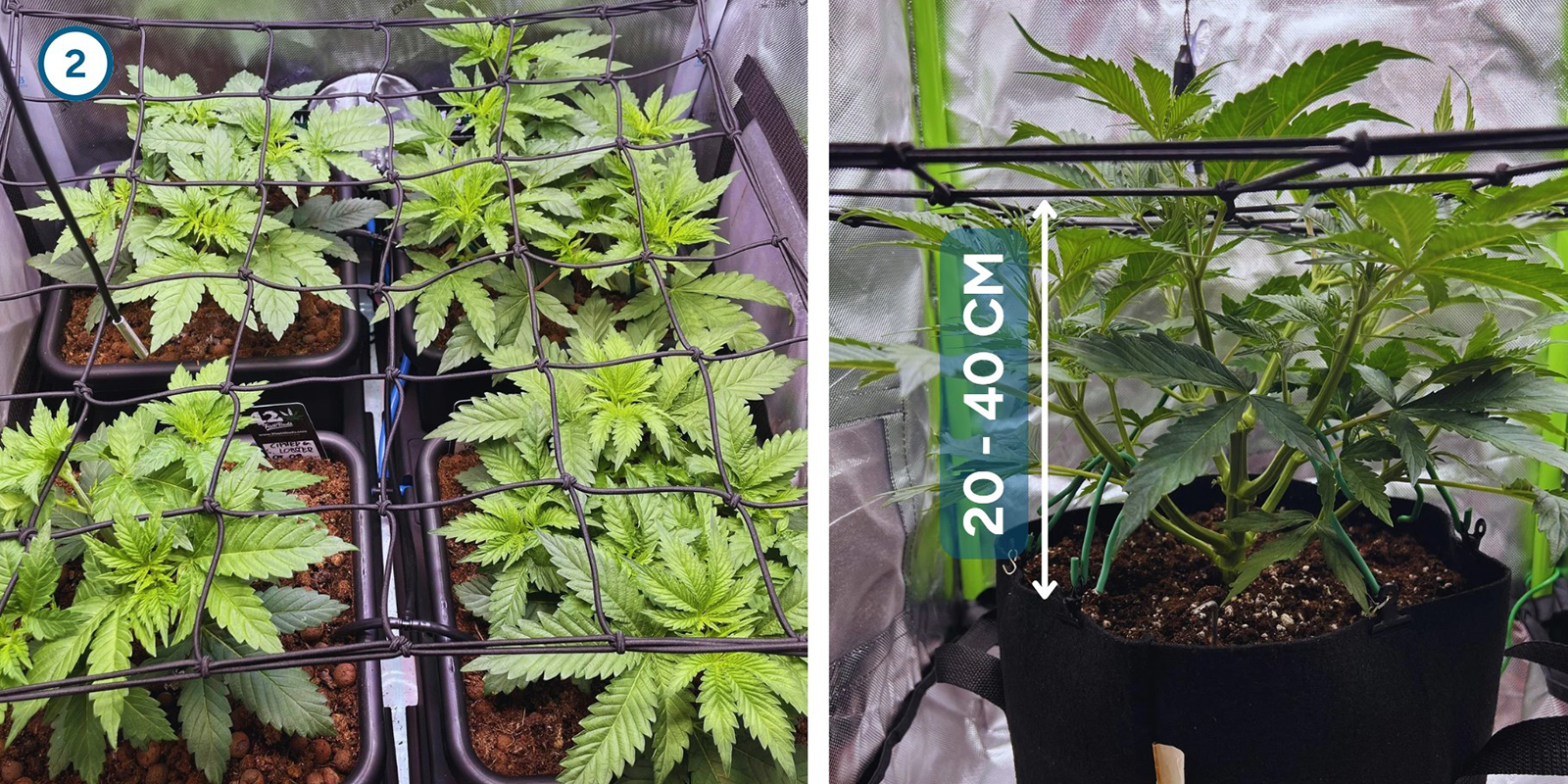
2. Place the screen 20–40 cm above the pots
This height keeps the canopy manageable, leaving enough room for airflow and maintenance underneath.
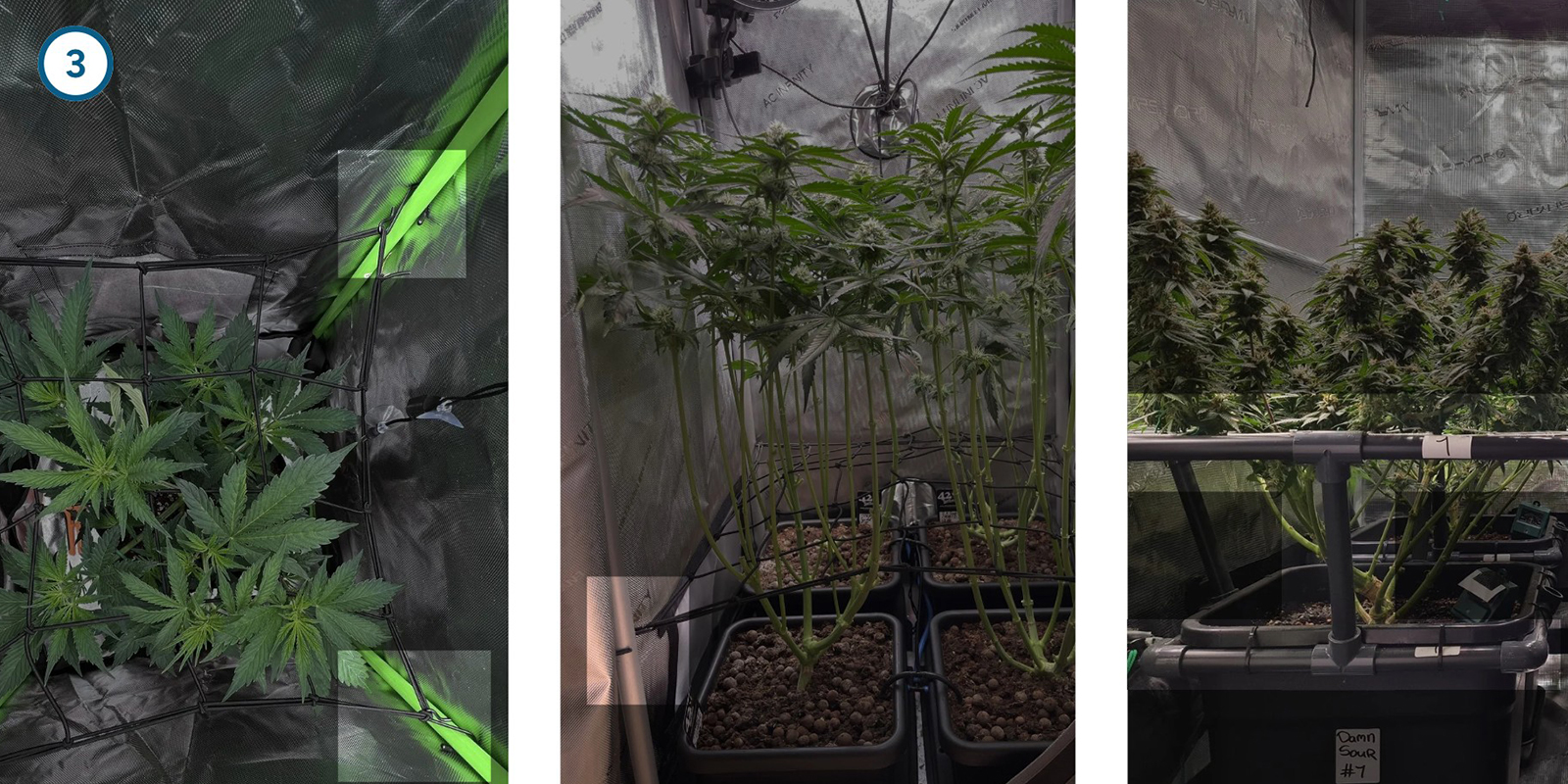
3. Secure the frame or net
Use hooks, cable ties, or corner supports to anchor the screen securely. It must stay level throughout the growing cycle.
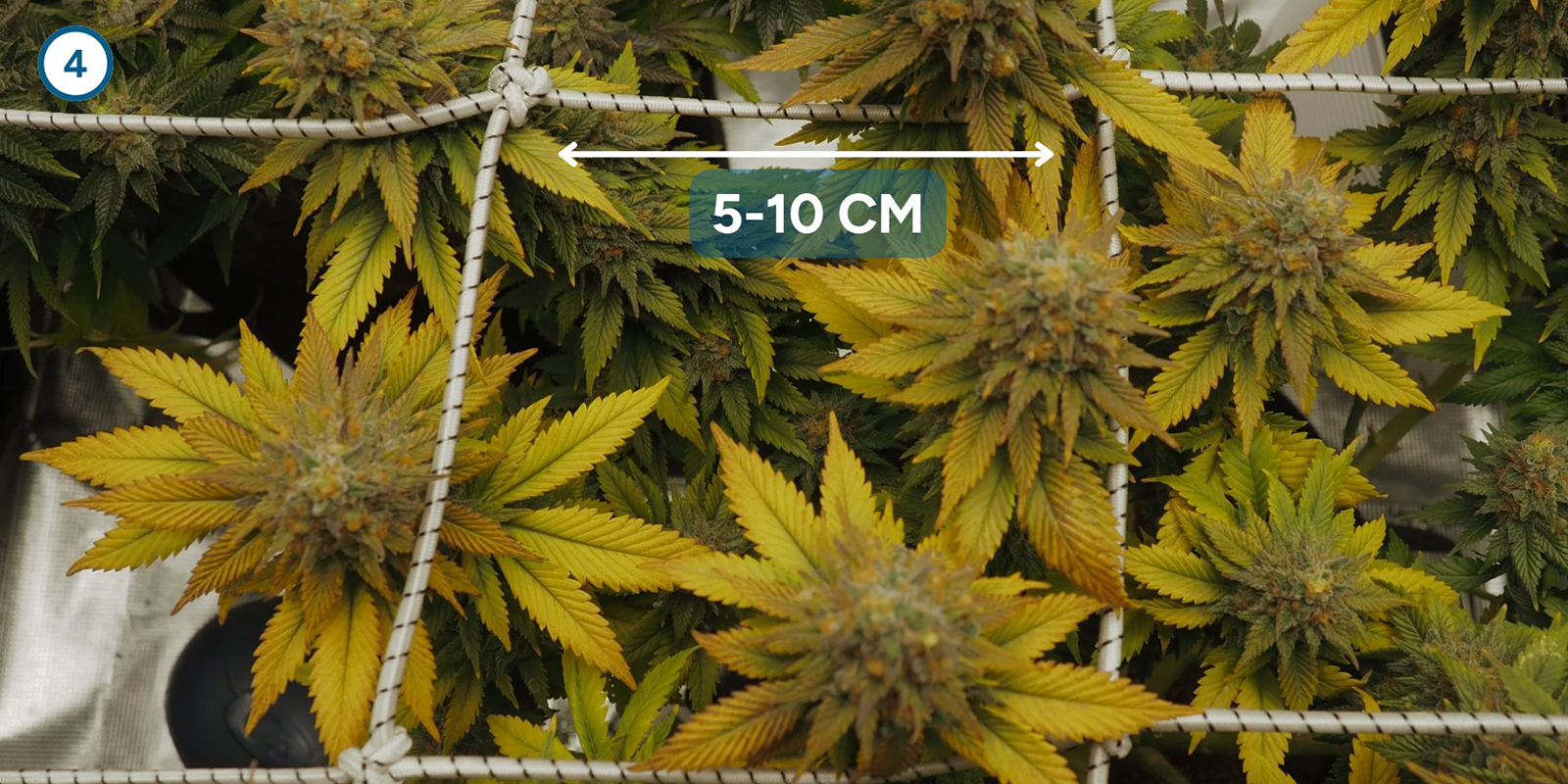
4. Keep mesh spacing at 5–10 cm
Smaller squares encourage a tighter canopy and facilitate easy tucking; larger gaps allow for more natural growth but require more effort to fill in evenly.
5. Ensure accessibility
You'll be tucking branches often, so make sure you can reach the back corners without straining.
For reliable nets, frames, clips and grow tent accessories, explore the selection at our Growshop.
Early plant training techniques
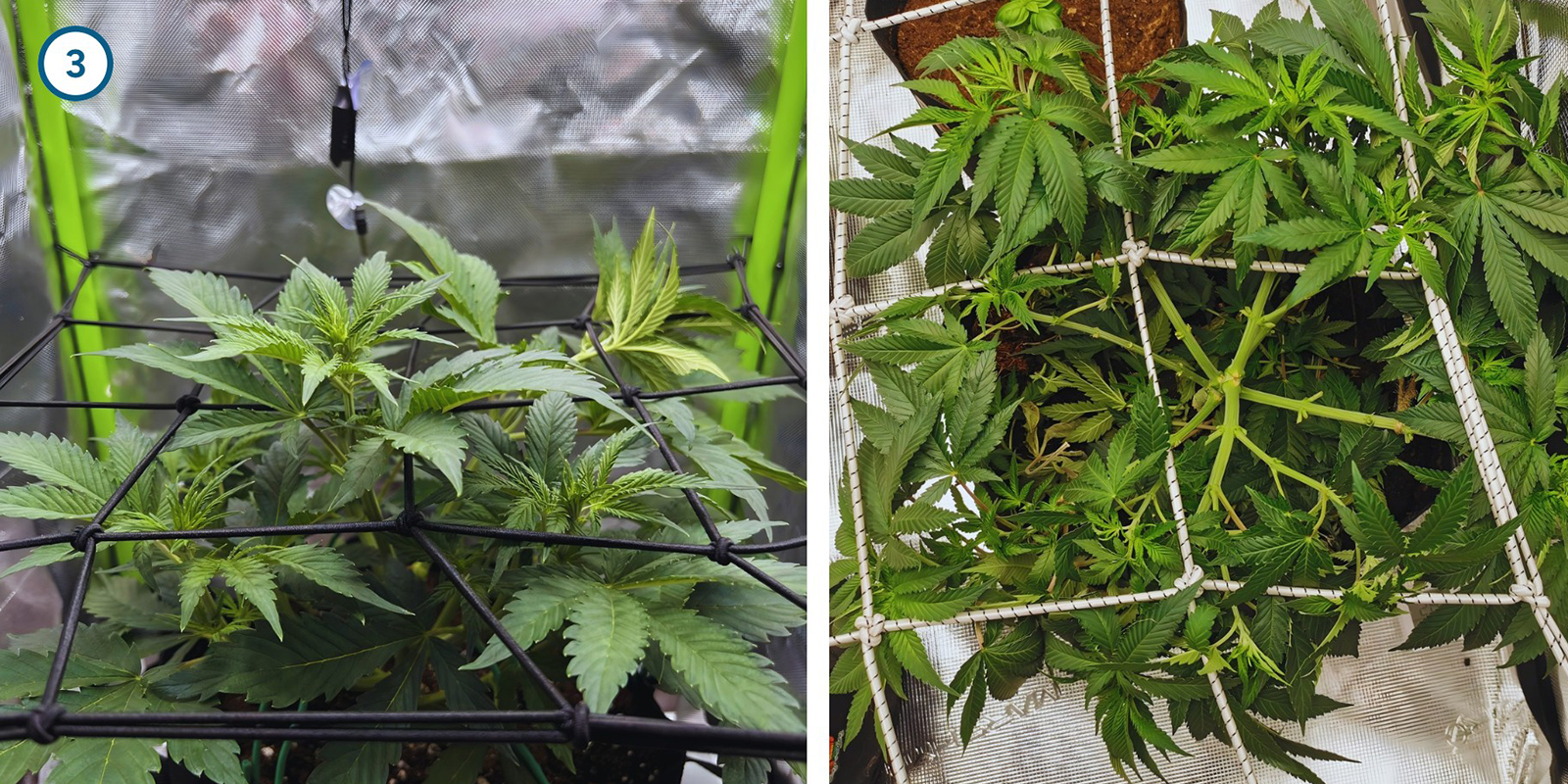
Once your screen is installed, begin shaping your plant before it reaches the mesh. Here are some training techniques you can utilise to make the most of your plants.
.jpg "Early plant training techniques")
1. Topping and FIMing
Creating multiple main colas early ensures you have plenty of branches to spread across the ScrOG net. Most growers top once at the 4th to 6th node.
2. Gentle pre-screen LST (low-stress training)
Bend and secure branches outward to encourage lateral growth. This helps the plant grow horizontally before hitting the screen, ideal for a wider canopy.
3. Directing branches toward empty screen spaces
Even before tucking, start guiding shoots toward the areas you want them to fill. Planning makes the ScrOG technique smoother in the long run.
4. Monitoring stretch and node spacing
As you approach pre-flower stretch, keep an eye on branch spacing. Long internodes help fill the mesh quickly. However, tight spacing may require more shaping.
Recommended tools for a smooth ScrOG grow
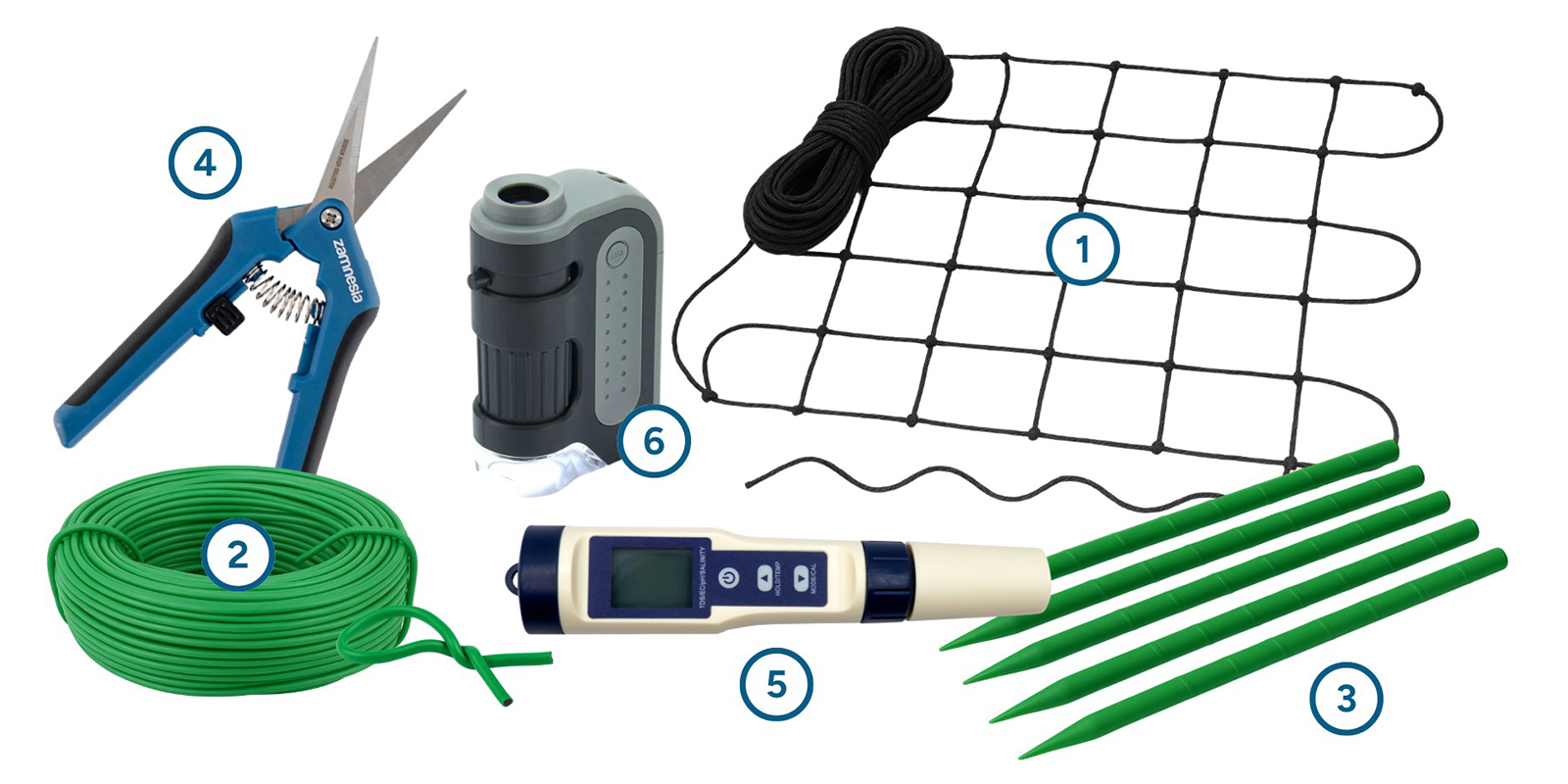
A well-executed screen of green setup relies heavily on having the right tools on hand. These essentials make training easier, reduce stress on your plants, and ensure your canopy stays even and productive:
- ScrOG nets or rigid frames: They provide the support and structure needed to maintain a uniform, horizontal canopy.
- Soft plant ties or garden wire: Ideal for low-stress training, allowing you to guide branches without damaging any delicate stems.
- Support stakes: Helpful for stabilising heavier branches as the canopy fills out, especially later in the growing cycle.
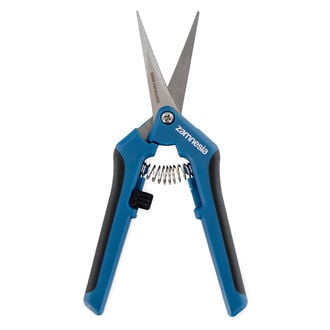
- Precision pruning scissors: Ensure clean, accurate cuts during topping, shaping, and defoliation.
- pH and EC meters: Healthy plants respond far better to training, making nutrient and water accuracy essential.
- Plant magnifiers: Useful for tracking growth changes, spotting pre-flower development, and identifying issues early.
Choosing a cannabis strain for ScrOG
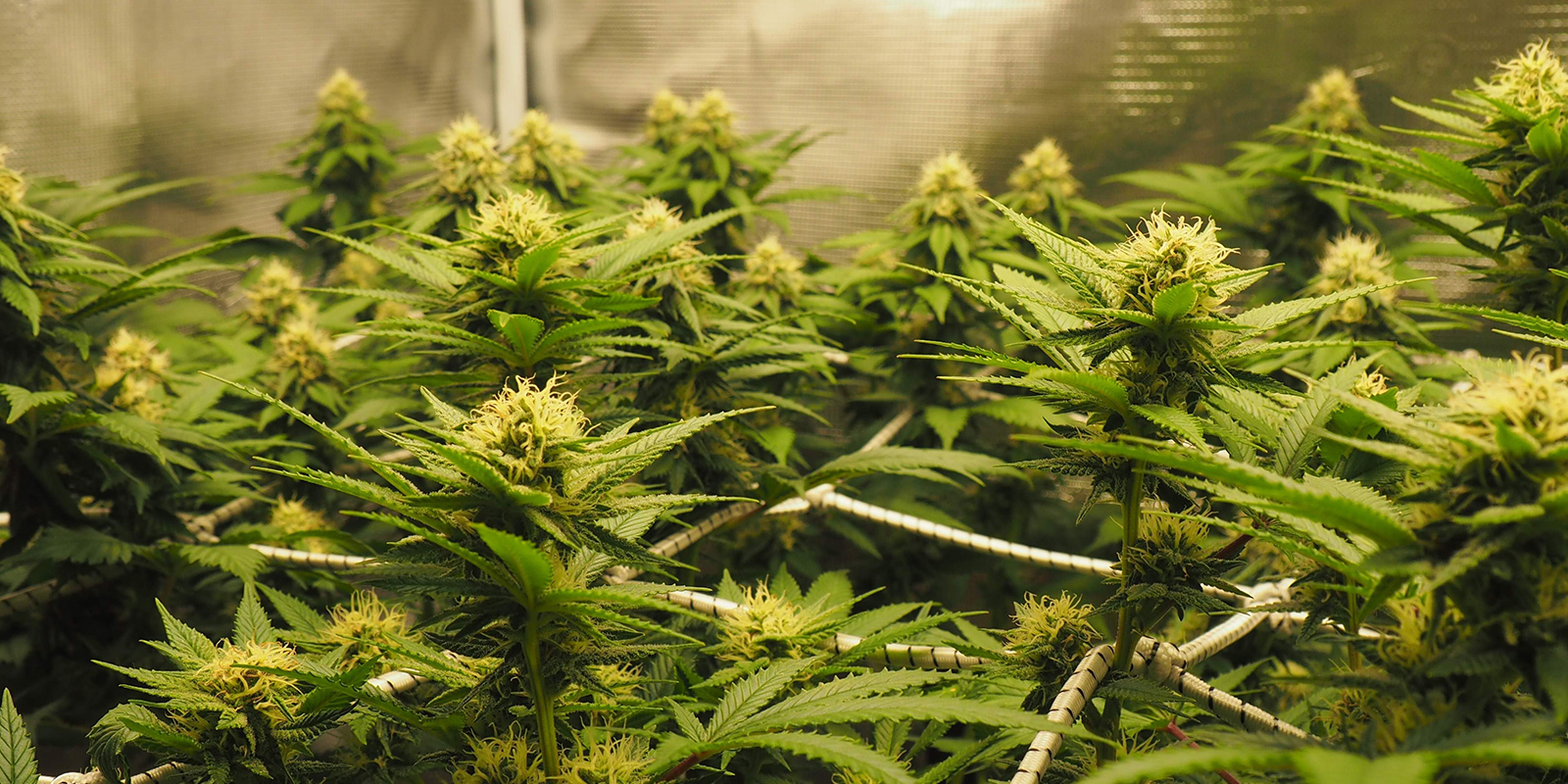
Selecting the right strain is one of the most important decisions you'll make when planning a screen of green grow. Not all cannabis genetics respond equally to the ScrOG method, and choosing a variety with the proper structure can make the difference between an evenly filled canopy and a screen that never reaches its full potential.
Ideal traits for a ScrOG-friendly strain
When choosing the right genetics for the ScrOG method, look for plants that naturally support horizontal growth and predictable stretching. The best ScrOG candidates exhibit moderate to high stretch (typically doubling in height during early flowering), consistent node spacing for even mesh coverage, and multiple branching sites that facilitate the creation of a full canopy. Strong, flexible stems are essential for repeated bending and tucking, while balanced hybrids or sativa-leaning strains typically perform best thanks to their vigorous lateral growth and responsive structure.
ScrOG and autoflowers: Possible, but not recommended
Although the ScrOG technique can be used with autoflowers, it's generally unsuitable because autos have a fixed veg period, limited ability to recover from stress, and highly unpredictable stretch, often switching to bloom before the screen is filled. A few expert growers have demonstrated that impressive autoflower ScrOGs are possible, but these results are rare and require a much more hands-on approach. For most growers, especially those still mastering the ScrOG method, photoperiod strains remain the far more reliable choice.



Troubleshooting common ScrOG issues
Even with a solid setup, the ScrOG method can present challenges. Fortunately, most issues are easy to correct when caught early. Below are the most common screen of green problems, their causes, and how to fix or prevent them. For broader plant troubleshooting support, explore our cannabis problem-solving guide.
Uneven growth
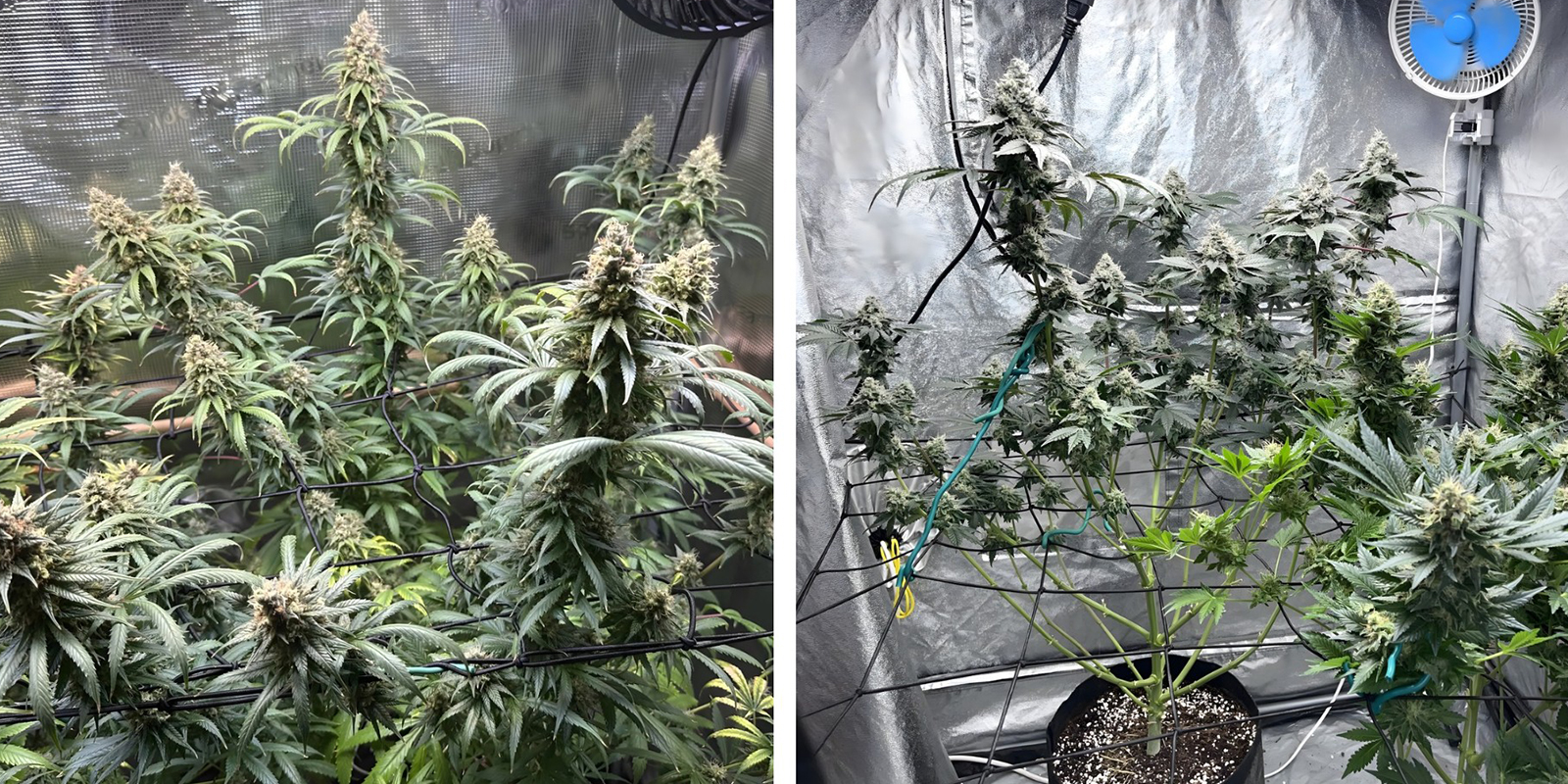
Uneven growth typically occurs when one or more branches grow faster than the rest, resulting in an inconsistent canopy. This leads to shading, reduced airflow, and uneven bud development.
Solutions & prevention:
- Tuck aggressively: Guide taller branches further outward across the screen to redistribute growth.
- Raise shorter shoots: Use ties or clips to help low branches reach the screen.
- Rotate plants (if possible): Turning the pots slightly encourages more balanced light exposure.
- Improve light uniformity: Ensure your light is centred and at an appropriate height.
Light burn
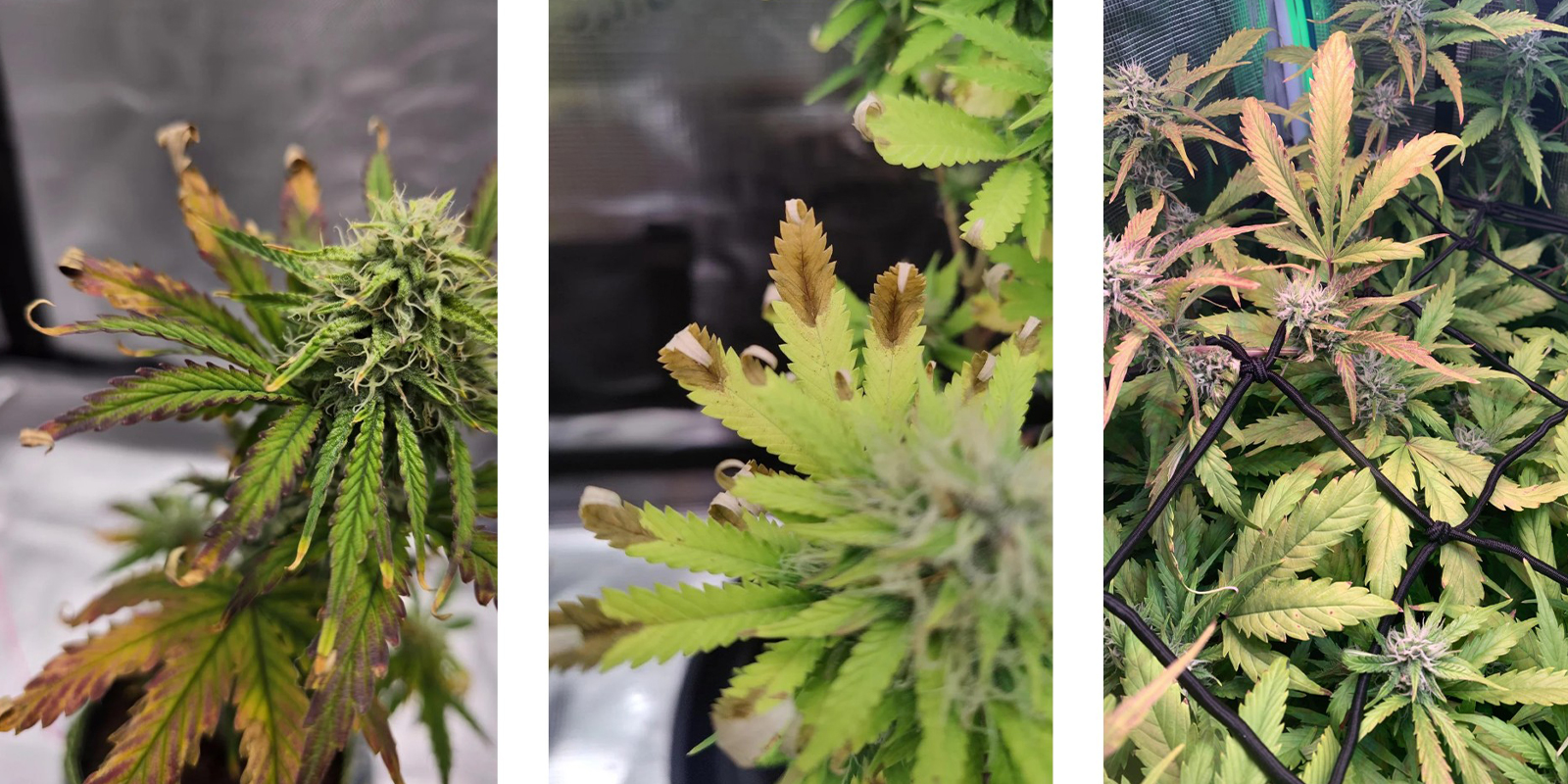
Because the ScrOG technique creates a very flat canopy, branches may naturally grow closer to the grow light than intended. Prolonged exposure can cause bleaching, yellowing, or crispy leaf edges.
Solutions & prevention:
- Adjust light height: Raise the fixture to maintain a safe distance from the highest colas.
- Reduce intensity: Most LEDs allow dimming, and lowering output during peak stretch can help.
- Keep canopy even: Light burn is often a symptom of uneven growth; flatten the top layer whenever possible.
- Monitor daily during stretch: Plants can gain several centimetres overnight.
Airflow blockages
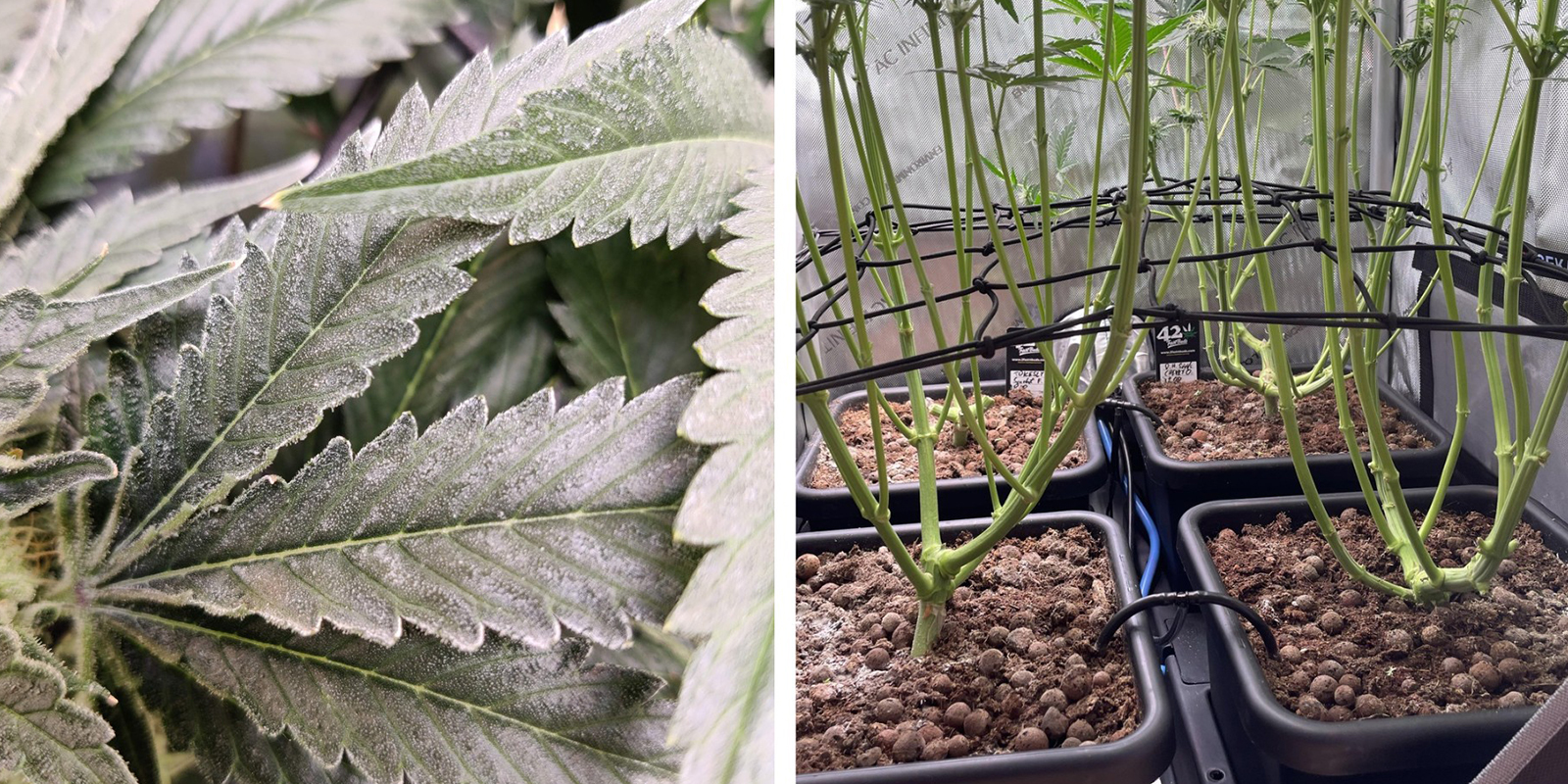
A dense screen of green can easily trap humidity, especially if lower foliage becomes overcrowded. Poor airflow increases the risk of mildew, mould, and nutrient uptake issues.
Solutions & prevention:
- Defoliate strategically: Remove crowded fan leaves under the screen and clear blocked airflow paths.
- Use oscillating fans: Gentle air movement across the canopy helps prevent moisture pockets.
- Thin inner branches: Anything that won't reach the screen should be removed to improve ventilation.
- Maintain good humidity levels: High humidity plus dense foliage is a recipe for problems, so monitor it closely.
Harvest time: What to expect from a ScrOG grow
A well-executed ScrOG setup can significantly boost your harvest compared to a standard grow. Because the ScrOG method focuses on creating a flat, evenly lit canopy, nearly every bud site receives premium light exposure, something that's much harder to achieve with untrained plants. In practice, this often means denser buds, more uniform colas, and higher total yield from the same space.
While every grow varies based on genetics, lighting, nutrients, and grower skill, most cultivators see notable yield improvements with a properly managed ScrOG. Many growers report that, compared to a regular grow of the same size, a screen of green can produce 20–50% more usable flower, simply because no light is wasted on lower, underdeveloped growth. Instead, all energy is channelled into a single, well-structured layer of top-quality buds.
Beyond yield, you can also expect better consistency across buds, with similar size, density, and maturity, making trimming and curing easier and more predictable.
Signs it's time to harvest
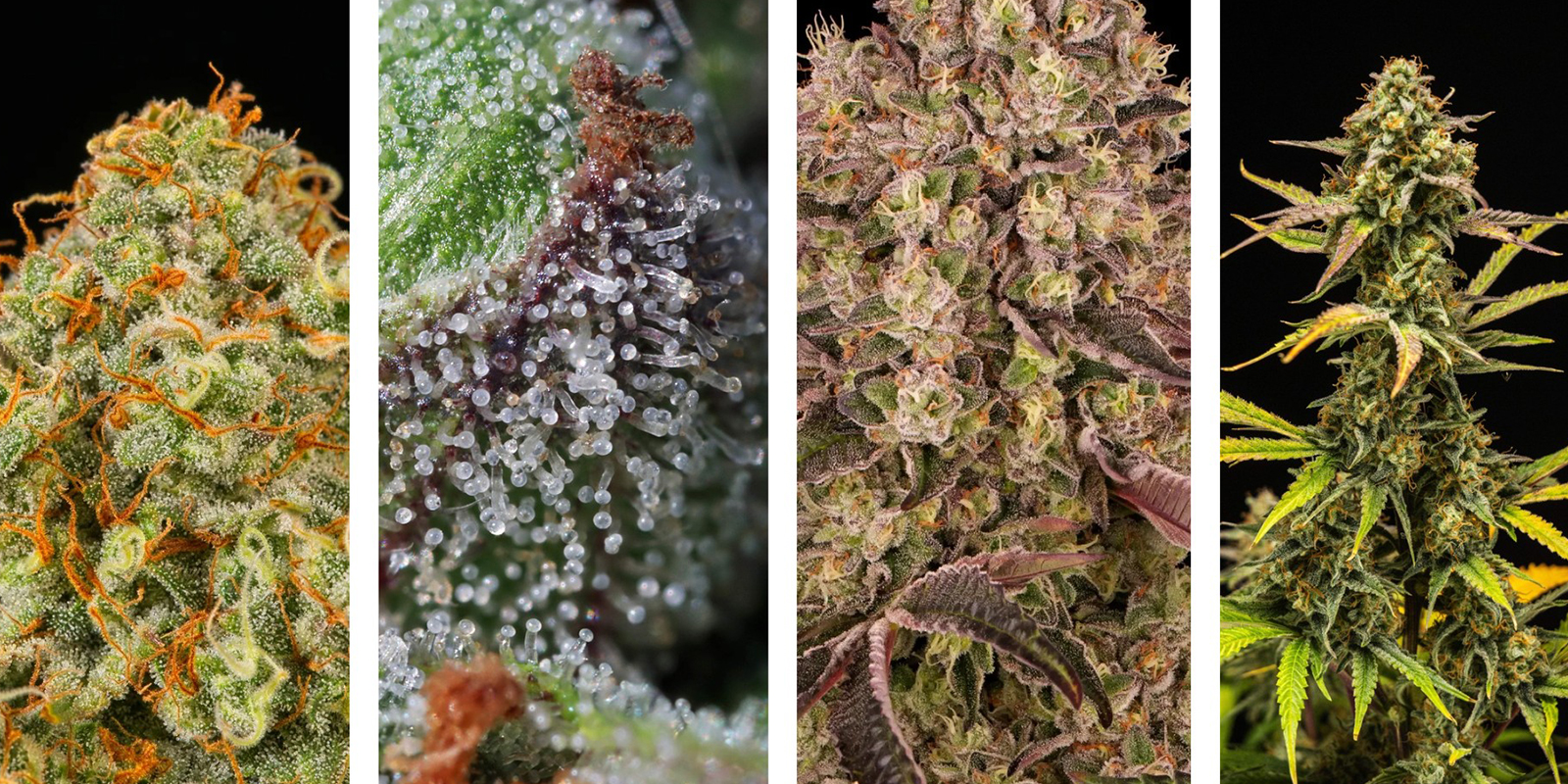
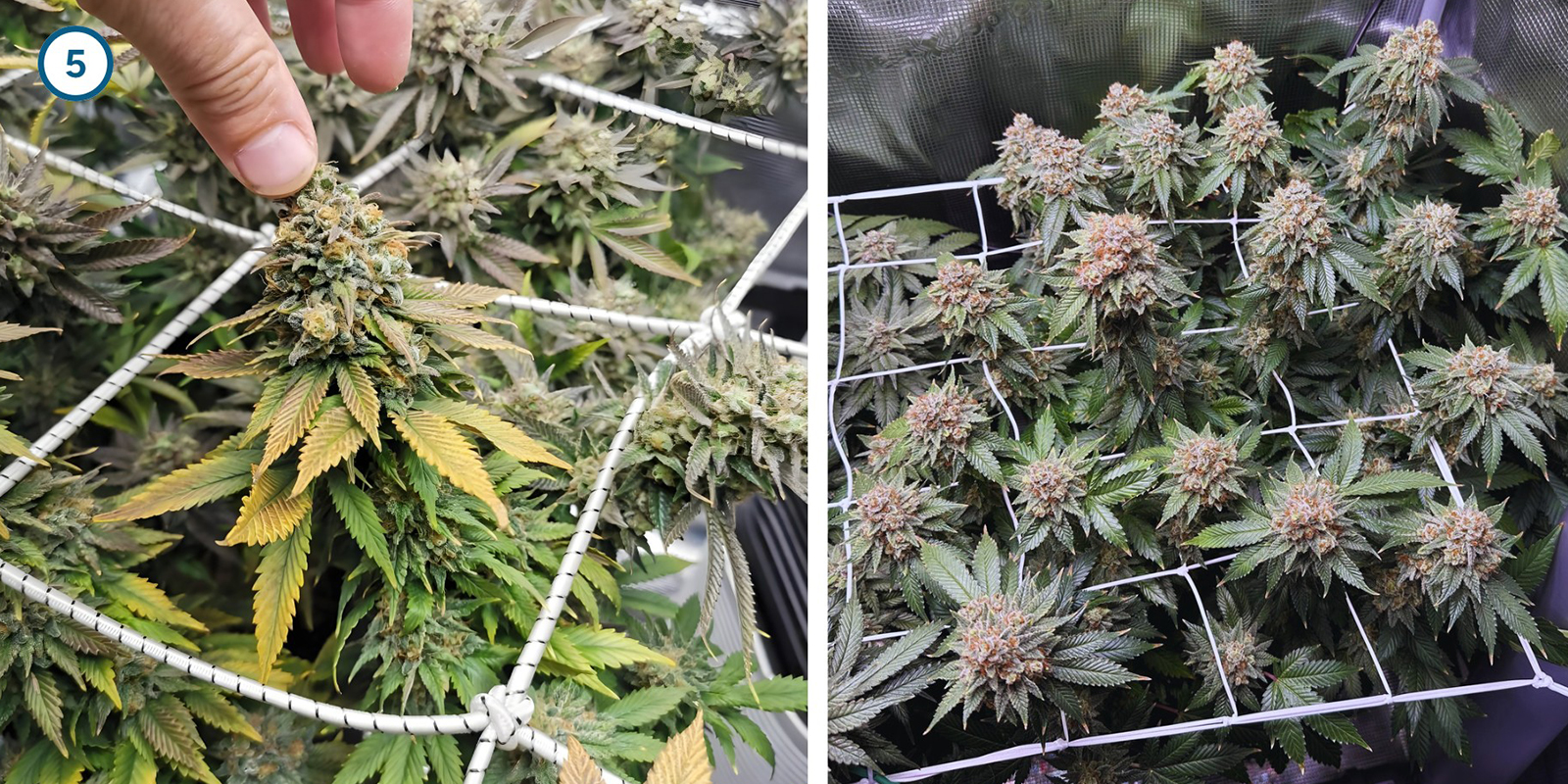
Knowing exactly when to harvest is crucial for maximising the benefits of your ScrOG grow. Because your canopy is level, most buds mature at a similar pace, making monitoring easier and resulting in more uniform yields.
Look out for these key signs:
- Pistil changes: Most pistils have darkened and curled inwards.
- Trichome colour: Using a magnifier, check that the trichomes have turned cloudy with some beginning to turn amber.
- Bud firmness: Flowers feel noticeably dense and resin-rich.
- Overall plant fade: Many strains naturally yellow or fade slightly as they finish, especially if nutrients taper off.
For a more detailed breakdown of harvest indicators, including trichome assessment tips, see our complete guide on when to harvest cannabis plants.
Ready to ScrOG? Turn knowledge into results
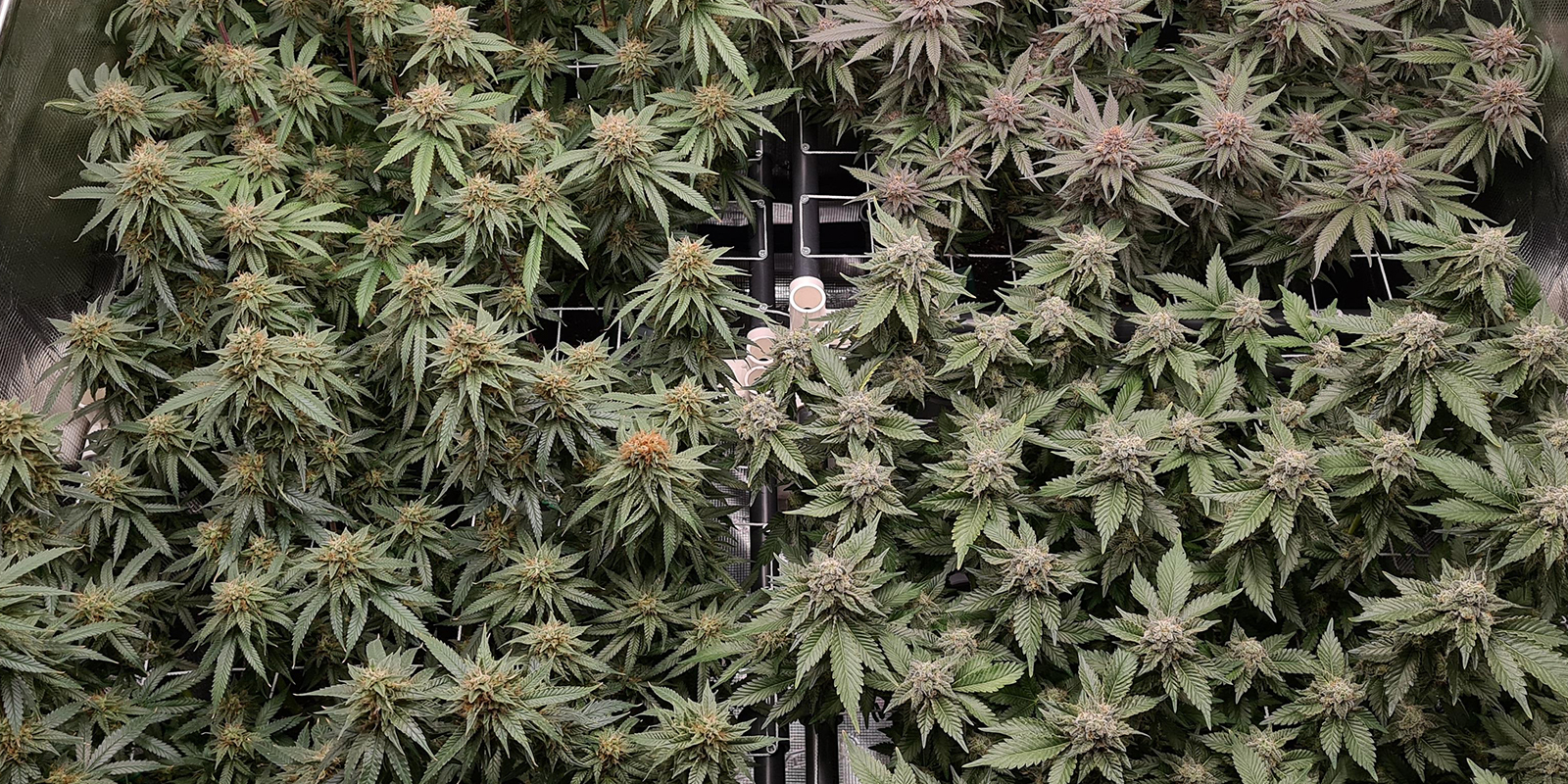
By now, you've seen how the ScrOG method can transform an ordinary grow into a high-yielding, canopy-controlled operation. With the right strain, innovative training, and consistent tucking, the screen of green technique provides unparalleled control over light exposure and bud development. To help you put everything into practice, here's a quick recap of the essential dos and don'ts.
ScrOG Dos:
- Choose suitable genetics: Photoperiod strains with strong lateral growth respond best.
- Install your screen early: Ideally, during late veg for maximum control.
- Tuck consistently: Redirect vertical shoots and fill every square of the canopy.
- Maintain airflow: Prune lower growth and keep humidity in check.
- Monitor light distance: Prevent burn and keep the canopy level.
- Stay patient: A good ScrOG takes time to fill out, but the payoff is worth it.
ScrOG Don'ts:
- Don't overcrowd the screen: Too many plants create chaos, not yields.
- Don't force stiff stems: If a branch won't bend, guide it instead of snapping it.
- Don't skip defoliation: Airflow is essential in a dense ScrOG canopy.
- Don't use untested autoflowers: Steer clear of this option unless you're highly experienced.
- Don't rush the harvest: Let trichomes and maturity guide your timing.
To ensure your screen of green runs smoothly from start to finish, equip yourself with the right accessories: quality nets, sturdy frames, pruning tools, magnifiers, and other grow room essentials available from the Zamnesia Growshop. Once you're ready to put your ScrOG skills into practice, set yourself up for success with high-yield cannabis seeds, essential grow guides and complete grow room equipment. With the right genetics, proper tools, and consistent training, your next ScrOG grow could easily become your most productive yet.