
 8.6 out of 10 based on 80965 reviews








.svg)
.svg)
.svg)
.svg)
.svg)
.svg)



 Mushroom Dosage Calculator


 Help
Help United States
How To Grow Autoflowers: The Complete Guide
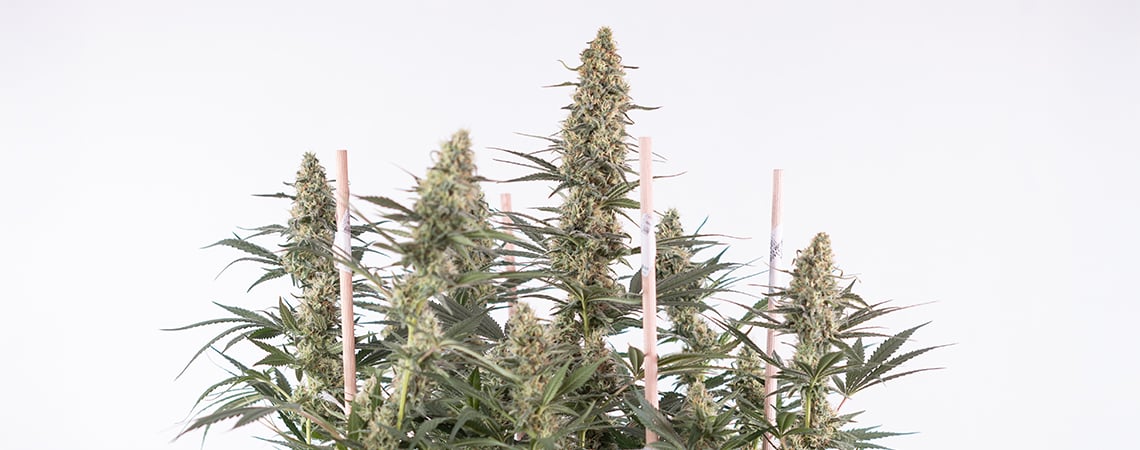


Not sure what “normal” looks like at each stage? This autoflower grow guide maps the key checks week to week, so you can spot issues early and stay on track.
Autoflowers are the fast lane of cannabis cultivation: compact plants that switch to bloom on their own, without you chasing seasons or tweaking timers. That speed is exactly why they suit first-time growers, small spaces, and anyone who wants a straightforward run from seed to jar.
Unlike photoperiod strains, autos don’t need light cycle changes to start flowering, so there’s less room for error and a much quicker harvest window. In this guide on how to grow autoflowers, you’ll follow a clear, practical week-by-week structure, with the key decisions and pitfalls laid out as the plant develops.
You’ll also see how the approach shifts for indoor and outdoor setups, from lighting and environment to weather, containers, and timing, so you can pick the simplest route for your space and get consistent results.
Growing autoflowers: What makes them different (quick overview)
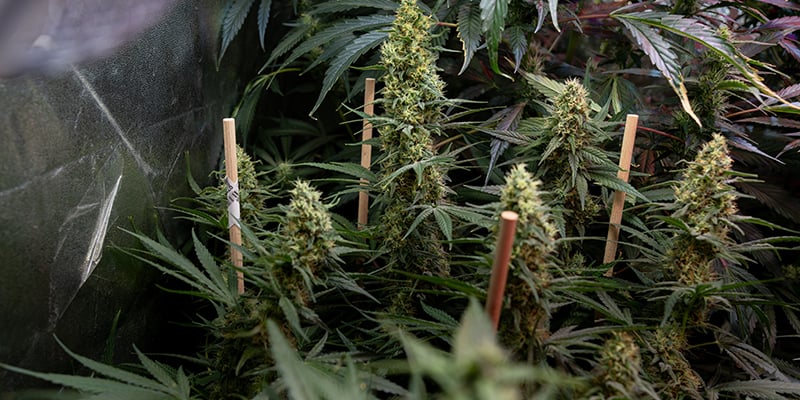
Autoflowers carry genetics from Cannabis ruderalis, which is what gives them their signature trait: they flower automatically with age, rather than waiting for shorter days. Photoperiod plants, by contrast, stay in veg until the light schedule tells them it’s time.
That one difference changes your whole approach to growing autoflowers, because the plant’s internal clock keeps ticking no matter what you do. Less time to recover from stress means you’ll prioritise gentle handling, steady conditions, and getting the basics right from day one. For a deeper explainer, see our autoflowering cannabis seeds guide.
Key things to know before growing autoflowers
Autoflowers run on a fixed lifespan. Once they’ve started, they’ll move from seedling to harvest on their own timetable, which means there’s far less opportunity to “veg it out” and correct problems later.
Because recovery time is limited, stress hits harder than it does with photoperiods. Overwatering, heavy feeding, rough transplanting, or aggressive training can permanently stunt growth, and every lost day shows up in the final yield. Getting the fundamentals right early, a stable environment, sensible watering, and an appropriate pot size, pays off fast.
Light is the other big lever. Indoors, many growers keep autos under long days throughout (often 18/6 or even 20/4) to maximise growth without triggering issues. For a deeper breakdown, see our light schedules for autoflowers guide.
Autoflower week-by-week grow guide
Every auto has its own pace, so treat this as a reliable framework rather than a strict calendar. Genetics, pot size, temperature, and feeding all nudge the timeline, and the same strain can finish a little faster indoors than outdoors (or vice versa) depending on conditions.
This autoflower week-by-week walkthrough follows the full lifecycle, from germination and early veg to pre-flower, bulking, and ripening, so you always know what “normal” looks like and what needs attention. Keeping a simple photo log helps, and comparing your plant to autoflower week-by-week pictures makes it easier to spot stalled growth, early deficiencies, or flowering that’s kicked in ahead of schedule.
Week 1: Germination
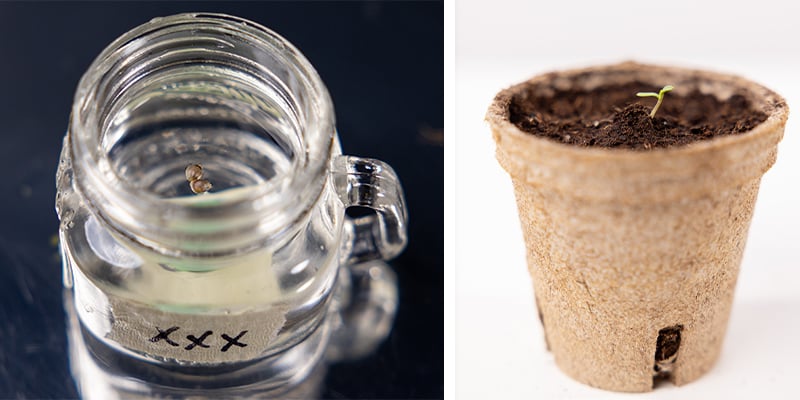
Start simple and keep it gentle. Autoflower seeds germinate well using the paper towel method, a glass of water followed by a damp towel, or sowing straight into the final pot (a favourite for autos, as it avoids transplant shock).
Aim for warm, stable conditions: roughly 22–26°C with consistently moist media; think “wrung-out sponge”, never soaking. Handle the seed and taproot as little as possible; crushed root tips and rough planting can slow an auto down before it’s even started.
Early slip-ups are usually basic: overwatering, letting towels dry out, planting too deeply, or constantly digging to “check” progress. Our common grower mistakes roundup is worth a quick read before you begin.
Week 2: Seedling stage
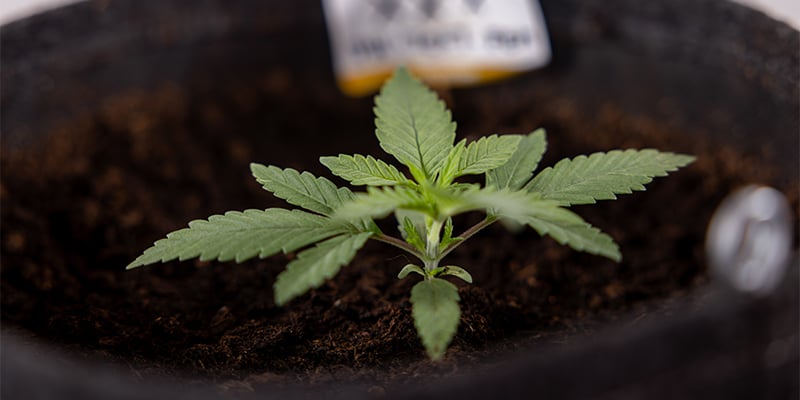
Week two is where autos start to show their pace. You’ll usually see the first true leaves and noticeably quicker growth day to day, provided the environment stays steady.
Light matters now, but intensity is the key, not just how many hours the lamp is on. Too little intensity leads to stretching and weak stems; too much can stress a small plant, so keep LEDs at a sensible distance and watch leaf posture.
Watering is the classic stunting trigger. Keep the root zone lightly moist, not saturated, and avoid drenching the whole pot when the root system is still tiny. Small, targeted waterings around the seedling encourage roots to search and expand.
Transplanting is best avoided or kept to an absolute minimum with autoflowers, as even minor root disturbance can cost valuable time. If you’re unsure, our autoflower transplant guide breaks down safer options.
Weeks 3–4: Vegetative growth
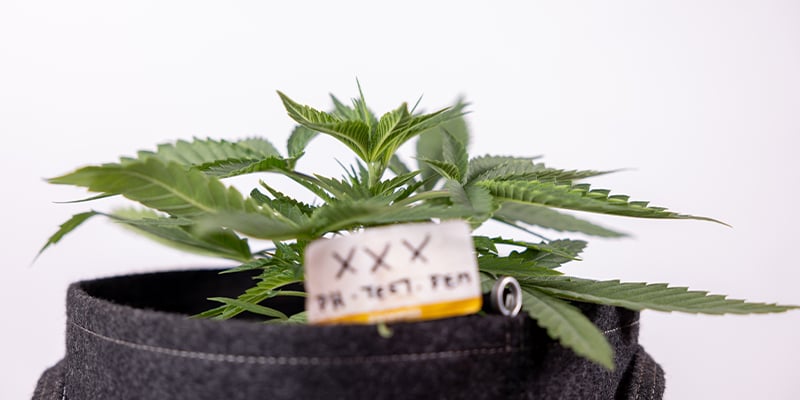
By weeks 3–4, most autos hit their fastest vegetative surge. Side branches start stacking, leaf mass increases quickly, and the plant begins building the structure it’ll take into bloom.
This phase is shorter than it is with photoperiod strains because autos don’t wait for a light-cycle trigger; they’re already counting down to flowering. That’s why the basics matter so much here: keep light levels strong and consistent, maintain steady temperatures with good airflow, and water only when the pot has lightened up; wet feet at this point can slow growth right when the plant should be powering on.
Training is optional, but timing is everything. If you want a wider canopy and better light penetration, stick to gentle methods early and avoid anything that causes prolonged stress. Our autoflower training guide and autoflower LST guide cover the safest approaches, while topping autos is best reserved for confident growers with vigorous plants.
Weeks 5–6: Pre-flower & early flowering
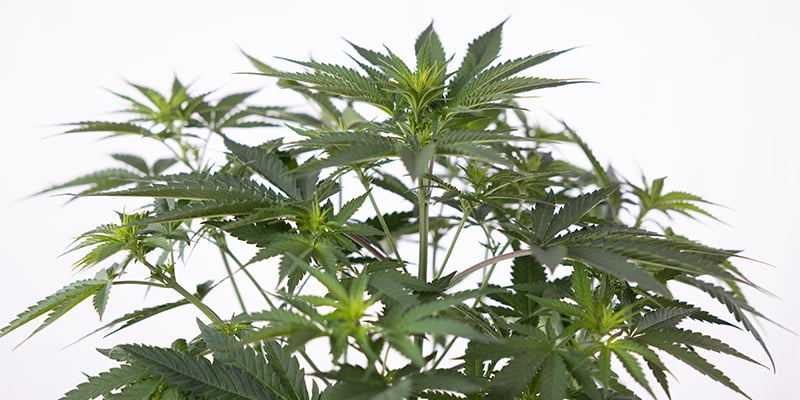
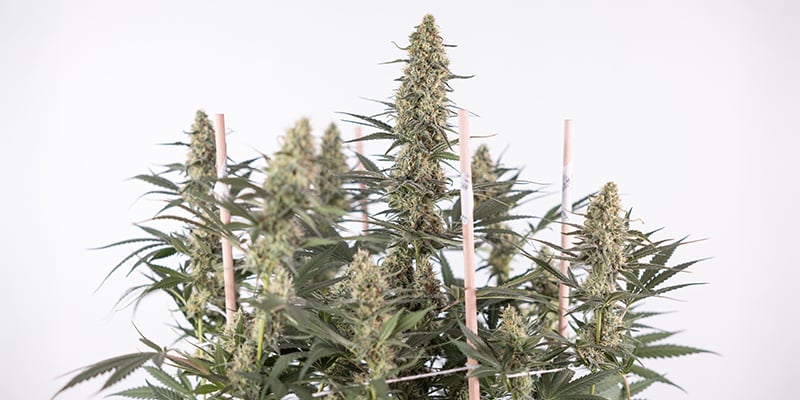
Around weeks 5–6, most autoflowers show clear signs they’re transitioning into bloom. Look for small white pistils at the nodes, tighter internodes, and a “buttoning up” of new growth at the tops as bud sites start to form.
The stretch often kicks in right here. Plants can put on a surprising amount of height over 7–14 days as they shift energy from leafy growth to flower production, so keep your canopy even and ensure light coverage remains consistent. Environmental stability becomes extra important now; swings in temperature, humidity, or watering routines can slow bud set and invite problems.
Feeding should also begin to reflect the change in priorities. Many growers start easing from a veg-leaning regimen towards bloom nutrition as soon as pre-flowers appear, rather than waiting for full-on buds. For a clearer approach, our autoflower nutrients guide breaks down what to use and when.
Weeks 7–9: Flowering stage
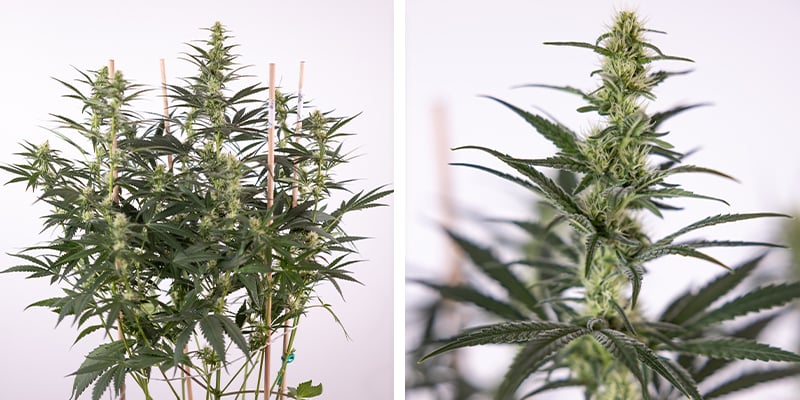
Weeks 7–9 are peak flower for many autos, with buds swelling, pistils thickening up, and resin production ramping hard. Expect the plant to focus less on new leaves and more on stacking calyxes; some strains will also start fading slightly as they redirect energy into ripening.
Smell usually becomes impossible to ignore. Indoors, carbon filtration and a tidy tent routine make life easier, while outdoors, you’ll want to think about discretion and airflow around the plant rather than trying to mask the aroma.
Humidity and ventilation are the big levers now. Dense buds plus stagnant air is a recipe for mould, so keep air moving through the canopy and avoid heavy late-day watering that leaves the medium cold and wet overnight.
Stress avoidance matters more than ever: skip major training, don’t overfeed to “push” yield, and resist the urge to keep adjusting everything daily. Indoor flowering is more controllable, while outdoor plants are at the mercy of rain, cool nights, and sudden humidity spikes.
Final weeks: Ripening & harvest
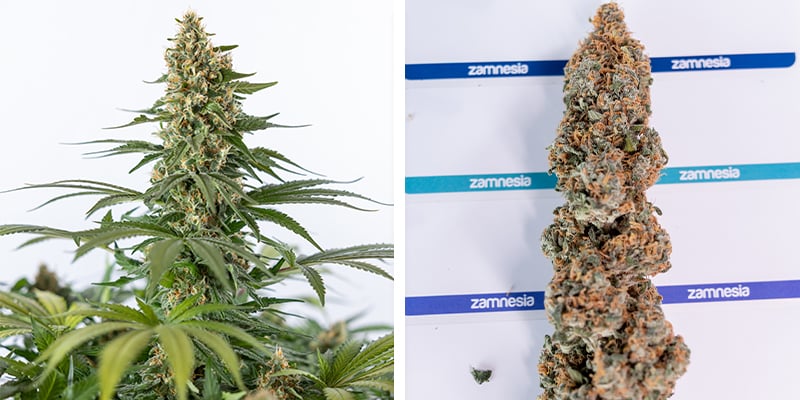
In the final weeks, ripening is all about trichomes, the tiny resin glands that shift from clear to cloudy, and sometimes to amber. Clear usually means “not yet”, cloudy signals peak potency for many growers, and a touch of amber typically brings a heavier, more body-led finish.
Autoflowers are ready to harvest when trichomes are mostly cloudy, and the plant’s overall look says it’s winding down. Common signs include pistils darkening and curling in, calyxes swelling, and a noticeable slowdown in fresh white hair growth.
Try not to harvest purely by the breeder’s timeline; use the plant in front of you and check trichomes on the buds (not just sugar leaves). Once you chop, drying and curing will make or break the final quality, so it’s worth following dedicated guidance on drying cannabis buds and curing cannabis.
Growing autoflowers indoors
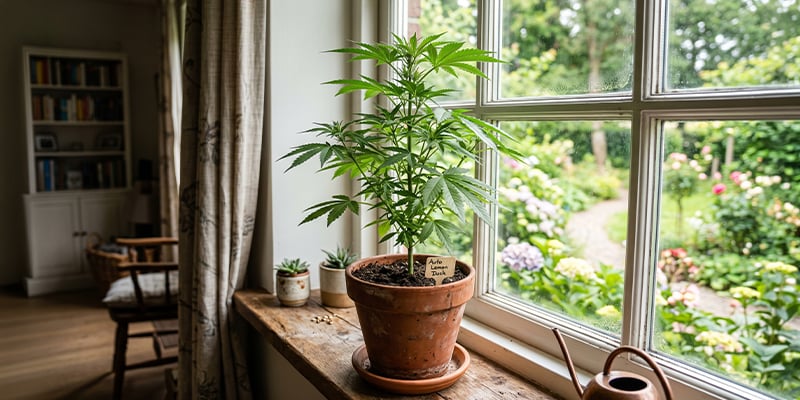
Autoflowers are a natural fit for indoor grows because they’re quick, compact, and happy under a wide range of conditions. That makes them especially forgiving for newer growers who want reliable results without managing strict dark periods.
Their short height and fast turnaround are great for space efficiency: small tents, cupboards, and discreet corners can still deliver solid harvests, and you can often run more cycles per year than you would with photoperiod plants.
A basic indoor setup doesn’t need to be complicated. Focus on strong, even lighting, good extraction and airflow, and a stable environment so the plant doesn’t keep “resetting” from stress. Container choice and watering habits matter too, as autos have less time to recover from mistakes.
Light schedules are also straightforward. Many growers keep autos on long days throughout, but the best option depends on heat, electricity costs, and your specific space; use this autoflower light schedules guide to dial it in.
Growing autoflowers outdoors
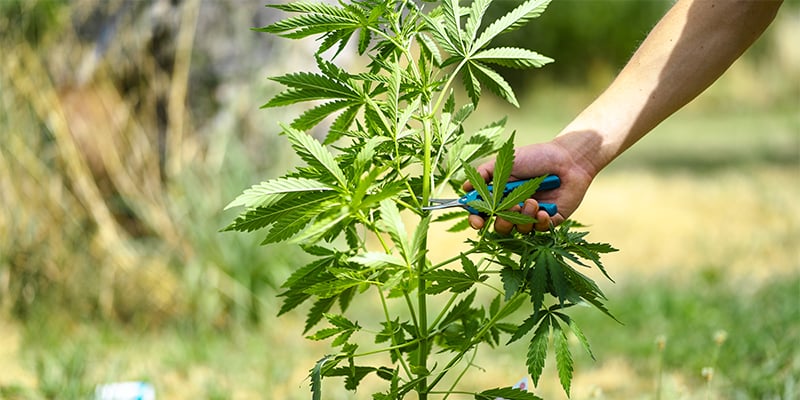
Outdoor autos are all about simplicity: The sun does the heavy lifting, running costs are low, and plants can still finish quickly without you chasing the seasons. For many growers, that’s the easiest route to a natural, full-spectrum harvest.
Climate is the main deciding factor. Autos cope well with variable daylight, but they still need warmth, steady sun, and protection from prolonged rain and high humidity during late flowering.
Because they flower with age rather than light changes, autoflowers suit short summers and cooler regions where photoperiod strains might struggle to fully finish before autumn weather rolls in.
Best time of year to plant autoflowers outdoors
Outdoors, timing is mostly about avoiding cold nights early on and wet, mould-prone weather at the end. Aim to start when days are reliably mild, then plan so flowering lands in the sunniest, driest part of the season.
In the northern hemisphere, late spring through mid-summer is the sweet spot (roughly May–July), with many growers squeezing in a second run if autumn stays warm.
In the southern hemisphere, look to late spring through mid-summer as well (roughly November–January), adjusting earlier or later depending on local altitude and rainfall patterns.
Common autoflower growing mistakes
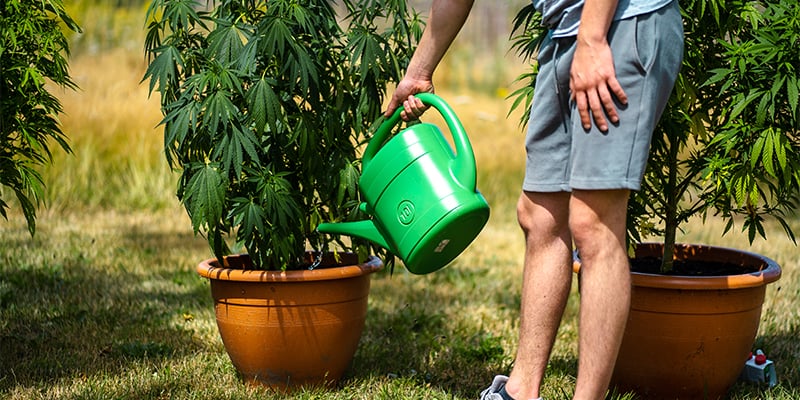
Autoflowers don’t give you much time to recover, so avoiding the classics goes a long way.
- Overwatering and overfeeding: Autos often want less than you think. Keep the root zone airy, let the medium dry back a little between waterings, and start nutrients light to avoid stunting and clawed leaves.
- Too much stress too early: Heavy training, rough transplanting, or big environment swings in the first couple of weeks can lock in a small plant for the rest of its life.
- Incorrect pot size choices: Starting in tiny containers can slow root development, but oversized pots can encourage soggy soil. Many growers go straight into the final pot to keep things simple.
- Trying to “fix” issues too late in the lifecycle: Late flower isn’t the time for drastic changes. When an auto is already ripening, focus on stability rather than chasing a perfect reset.
Yield expectations: How much do autoflowers produce?
Autoflower yields can be very satisfying, but they’re naturally capped by a shorter veg window. Indoors, results are usually more consistent because light intensity, temperature, and feeding can be dialled in; outdoors, a single plant can surprise you when the weather plays nice, but it can also finish smaller after a cloudy, cool run.
Several factors decide what you’ll pull:
- Genetics: Some autos are built for weight, others for speed or flavour.
- Light and environment: Strong, even light, and stable conditions do the heavy lifting.
- Root space and watering: Good aeration and sensible wet/dry cycles support fast growth.
- Stress management: Because the clock keeps ticking, setbacks cost yield quickly.
Keep expectations realistic, prioritise healthy plants, and the numbers tend to look after themselves.
Frequently asked questions about growing autoflowers
- How long do autoflowers take from seed to harvest? Most finish in around 8–12 weeks, depending on genetics and conditions. Faster strains can be ready sooner, while larger autos may take a little longer to ripen fully.
- Can you top autoflowers? You can, but it’s not always worth the risk because recovery time is limited. If you do it, keep it early, gentle, and strain-appropriate, and follow our autoflower topping guide for the safest approach.
- Can autoflowers grow under 24h light? Yes, many growers run 24/0 to maximise growth, especially in cool rooms. Others prefer 18/6 or 20/4 to reduce heat and power use; consistency matters more than the exact choice.
- Are autoflowers good for beginners? They can be ideal: no light-cycle switching, short grows, and manageable size. Just remember the clock doesn’t stop, so avoid heavy stress and keep feeding and watering on the conservative side.
Is growing autoflowers right for you?
Autoflowers make a lot of sense when you want straightforward results without waiting months. Their main advantages are speed, compact size, and automatic flowering, which makes the whole process more accessible for first-timers and anyone short on space.
They also slot neatly into busy lives: fewer moving parts, no strict light-change moment to hit, and the option to run multiple harvests across the year in the right conditions. To get the most from them, it’s worth digging into our dedicated autoflower guides on feeding, training, and light schedules.
When you’re learning how to grow autoflowers, Zamnesia is here as a trusted grow resource with clear, practical advice you can actually use.