
 8.6 out of 10 based on 81086 reviews







.svg)
.svg)
.svg)
.svg)
.svg)
.svg)



 Mushroom Dosage Calculator


 Help
Help United States
Cannabis Seedlings Explained: How to Care for Young Plants the Right Way
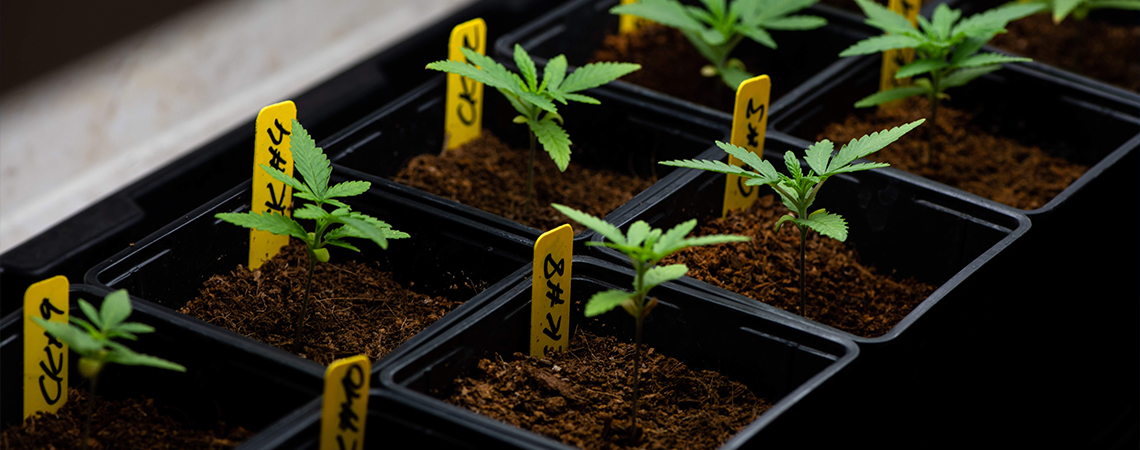


From your first cannabis sprout to a sturdy baby weed plant, this guide covers healthy seedling signs, practical watering habits, and simple fixes for overwatering, nutrient burn, and light stress.
The seedling stage is where great grows are won or lost. In these first days and weeks, your cannabis seedlings are building the roots, stem strength, and early leaf growth that everything else depends on. Get the basics wrong here—too much water, harsh light, or an unstable environment—and you can spend the rest of the grow trying to catch up.
In this guide, we’ll break down exactly how to care for a young plant: the right environment (temperature and airflow), dialled-in light intensity, watering habits that support root development, and when to introduce nutrients without shocking tender growth. We’ll also cover the most common early problems and how to spot them before they slow your progress.
Consider this your seedling chapter within a complete grow guide: a practical foundation you can return to every time you start a new run, whether you’re raising your first cannabis sprout or levelling up your routine.
What is a cannabis seedling?
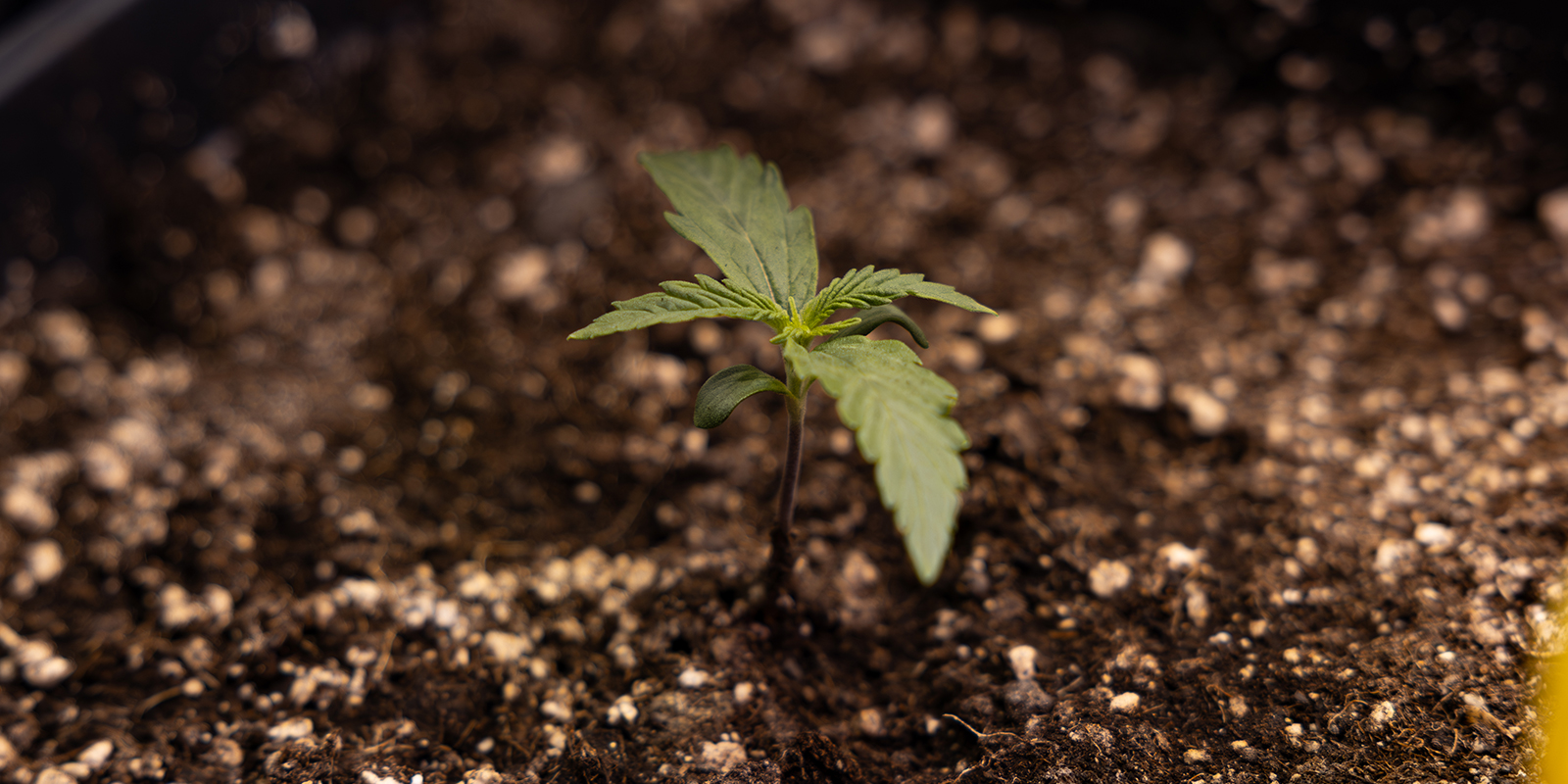
A cannabis seedling is the young plant stage that begins just after germination, once the seed has cracked and pushed out its first growth above the medium. In practical terms, it’s the period when the plant is still small, delicate, and focused on building a healthy root system and its first sets of “true” leaves.
It helps to separate two terms that beginners often mix up. A cannabis sprout is the very first moment you see the plant emerge, usually showing the round cotyledons (the starter leaves). Once those cotyledons open and the first serrated leaves start developing, you’re firmly in the seedling stage.
Most growers consider cannabis seedlings to last around 2–3 weeks, although it can be shorter for fast genetics or longer if conditions slow growth. You’ll also hear people call this stage a baby weed plant, which is accurate enough, as long as you remember it’s not about size, but about how sensitive the plant still is to light, watering, and feeding.
How long does the cannabis seedling stage last?
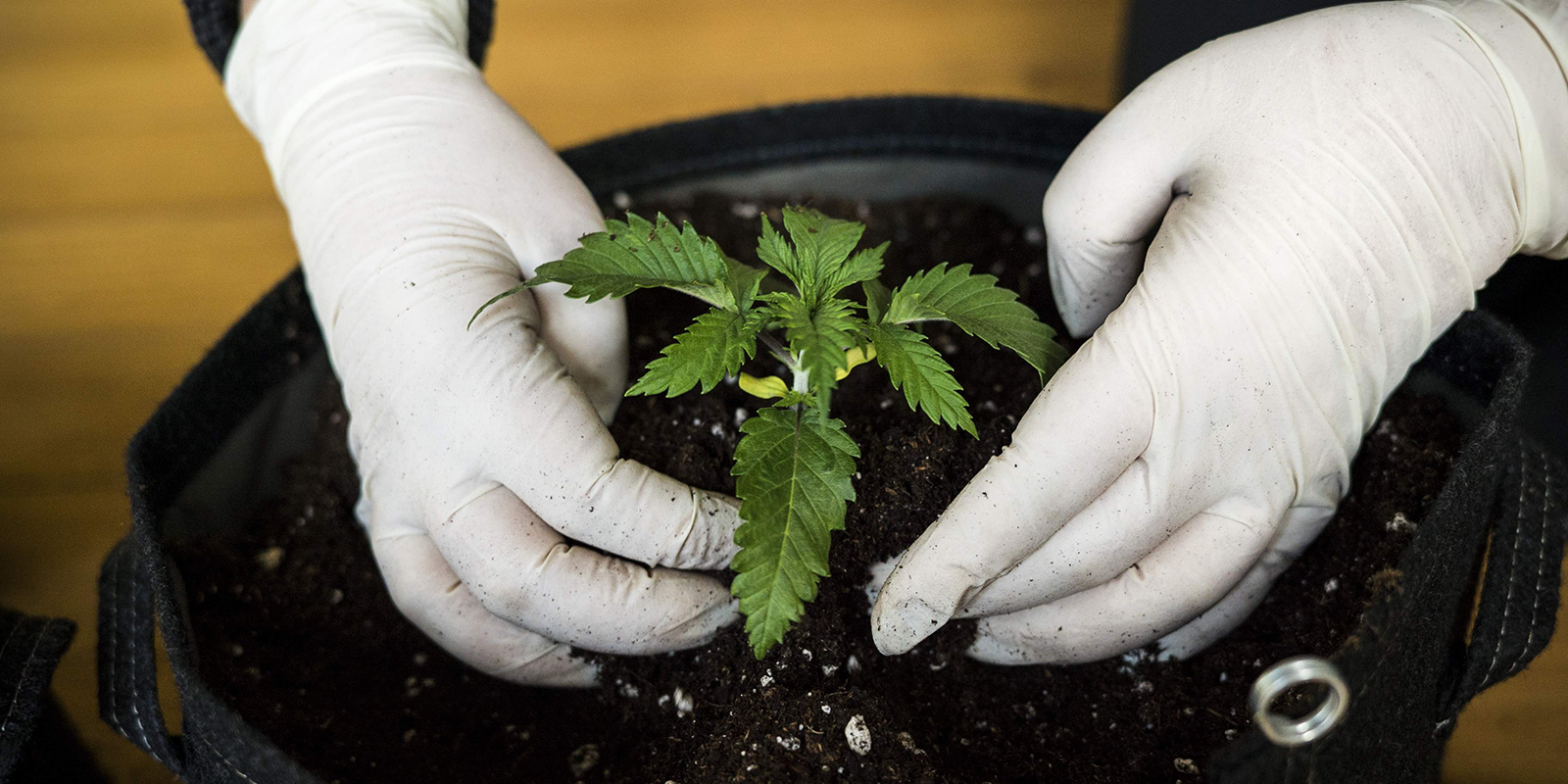
For most growers, the seedling stage lasts roughly 2–3 weeks from emergence, though it’s not a fixed rule. Genetics, root space, temperature, and how steady your light and watering routine is can all speed things up or slow them down. Autoflowers often move through this phase a bit faster, while stressed plants may linger.
You’ll know a seedling is ready for the vegetative stage when it’s putting out multiple sets of true leaves, the stem has thickened, and growth becomes noticeably quicker day to day. At that point, the plant can handle stronger light and a more structured feeding plan.
Characteristics of a healthy cannabis seedling
The easiest way to judge a young plant is to check the overall balance. The key characteristics of a healthy seedling include even, symmetrical growth, fresh-looking leaves, and a sturdy posture.
Leaves should be a consistent green (not pale, blotchy, or overly dark), with the first serrated sets forming evenly on both sides. Minor variation happens, but twisting, clawing, or drooping usually signals stress. The stem should be upright and relatively thick for the plant’s size; if it’s long, thin, and leaning, the seedling is likely stretching for light.
Below the surface, healthy root development shows up as steady top growth and good “grip” in the medium. When roots are thriving, the plant responds quickly after watering and doesn’t stall.
As a rough guide, a 1-week-old seedling may only have 1–2 sets of true leaves, while a 3-week-old should look noticeably bushier with faster day-to-day growth.
Environmental conditions for cannabis seedlings
Seedlings are more sensitive than mature plants because they have a small root zone, thin stems, and limited energy reserves. That means swings in temperature, dryness, or strong light hit harder, and recovery takes longer.
Focus on the core environmental levers: warm, steady temperatures; gentle humidity; constant but mild airflow; and light that’s bright enough to prevent stretching but not so intense that it stresses new leaves. You don’t need extreme settings to grow strong cannabis seedlings; you need consistency.
Stability beats intensity at this stage. Keeping conditions predictable helps roots expand, leaves develop evenly, and the plant transitions into vegetative growth without the stalling and weird growth patterns that often come from chasing “perfect” numbers.
Humidity and temperature for cannabis seedlings
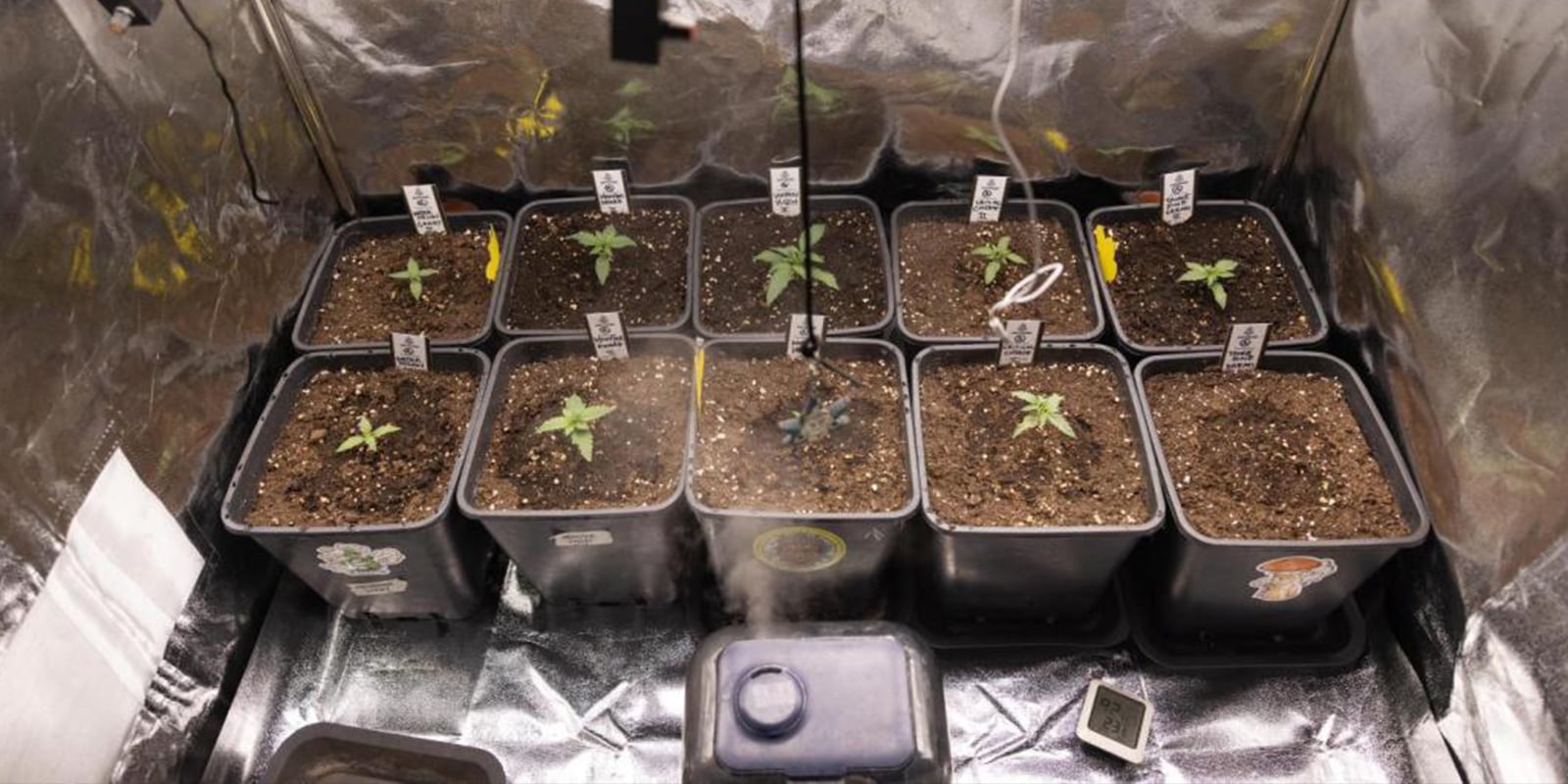
Aim for a humidity level of 65–75% for cannabis seedlings in the first week or so, then gradually reduce it towards 55–65% as growth picks up. Higher humidity supports early root development because tiny plants can’t drink much yet; they take in a lot of moisture through the leaves, which reduces stress and encourages roots to expand.
For temperature, keep things comfortably warm: around 23–26°C in the day, with a slight drop at night (roughly 20–22°C). Big day/night swings slow growth and can invite problems. For a deeper breakdown, see our growing temperatures guide.
Humidity domes can help in dry rooms, but use them properly: vent daily, wipe excess condensation from inside the dome, and remove it once the seedling is strong enough to stand on its own. The classic beginner mistake is bone-dry air, which causes slow growth and crispy leaf edges even when the soil is moist.
Light intensity for cannabis seedlings
PPFD for cannabis seedlings is simply a way of measuring how much usable light hits the leaves each second. Think of it as “light strength at canopy level”, not just how bright the lamp looks to your eyes.
For seedlings, gentle intensity is the goal; around 100–300 PPFD is usually plenty. They don’t need powerful lighting yet because their leaf area is small and their roots are still developing; too much light can outpace what the plant can support.
Too little light shows up as stretching: a long, thin stem and wide gaps between leaf sets. Too much light looks more like light stress: leaves staying small, edges curling up (“tacoing”), bleaching, or a plant that seems to stall.
Indoors, place seedlings under a dimmable LED or higher lamp height. Outdoors can work, but avoid harsh midday sun at first. A windowsill is rarely ideal, light is inconsistent and often too weak. However, if a windowsill is your only option, use supplemental LED and rotate daily. For the why, see cannabis photosynthesis.
Light schedule for cannabis seedlings
A solid light schedule for seedlings is usually 18/6 (18 hours on, 6 off). Some growers prefer a 20/4 schedule to promote slightly faster growth, but the difference is rarely dramatic at this stage.
Running 24/0 is usually unnecessary. Darkness allows the plant time to respire and helps maintain more stable temperatures and humidity, which is more important than squeezing in extra hours of light.
Whatever cycle you choose, keep it consistent; seedlings don’t benefit from constant tinkering. Indoors, timers make this easy. Outdoors, you’re working with the season, so focus on providing young plants with a sheltered spot that receives reliable morning light and protection from harsh midday sun and cold nights.
How often to water cannabis seedlings
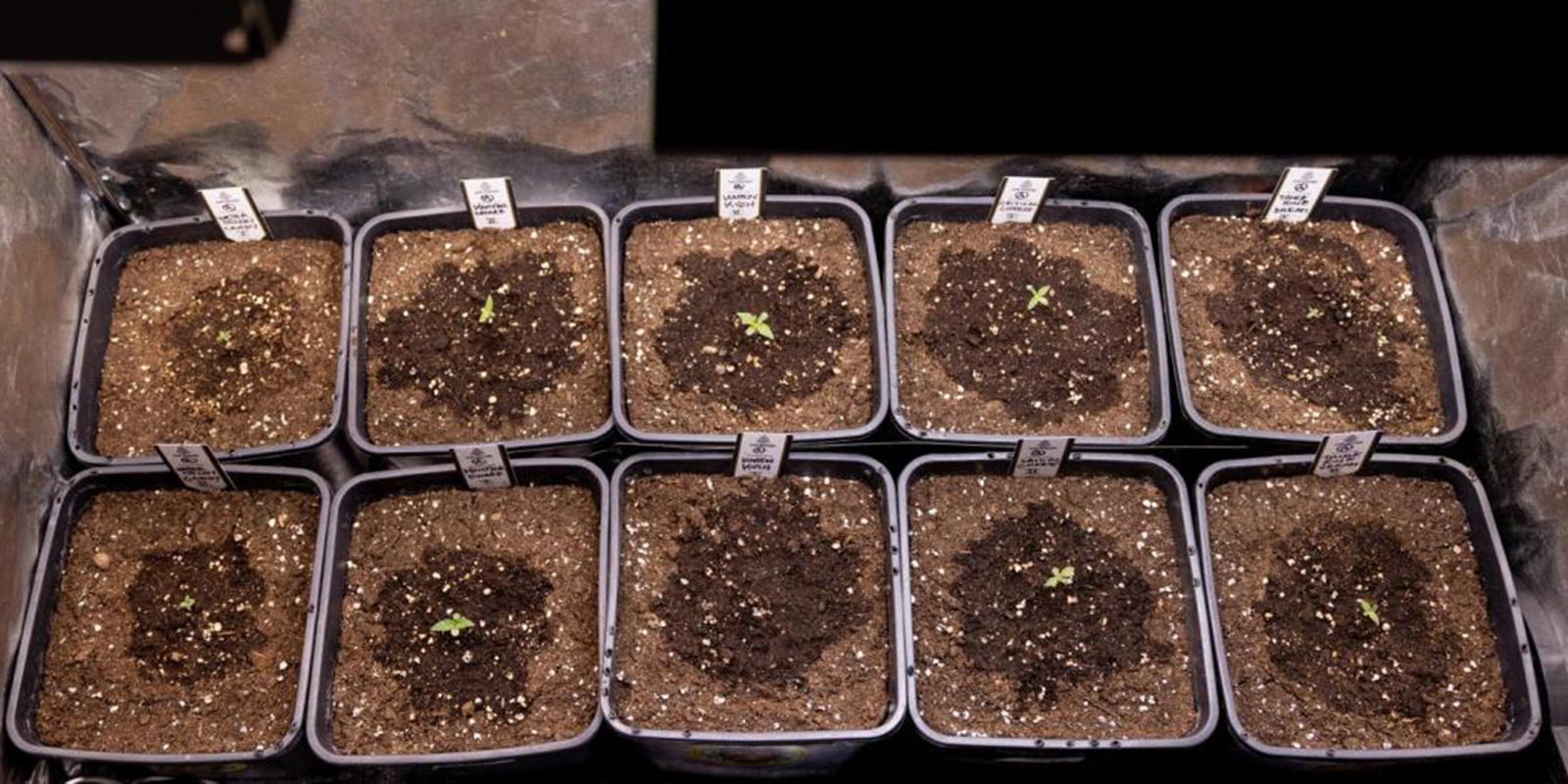
Overwatering is the most common seedling killer because it suffocates roots. Young plants need oxygen in the medium as much as they need moisture, and constantly wet soil quickly leads to droop, slow growth, and damping off.
So, how often should you water cannabis seedlings? Focus less on a rigid schedule and more on small volumes and proper dry-back. Seedlings don’t need a soaked pot, just a lightly moist zone around the stem where roots are expanding.
If you’re unsure whether your seedling needs more water, consider lifting the pot to check whether the bottom is still damp, and gently stick your finger (knuckle-deep) into the soil. If the soil is still wet with either of these two checks, then your seedling doesn’t need more water.
Watering frequency and volume should match container size. In a large pot, water only a small ring around the seedling and expand that ring as it grows; soaking the whole container keeps the root zone cold and soggy for too long.
Signs of underwatering include limp leaves and a light, dry pot. Overwatering typically manifests as heavy, swollen leaves, persistent droop, and soil that remains wet for days. For more detail, see our watering cannabis plants guide.
Nutrients for cannabis seedlings
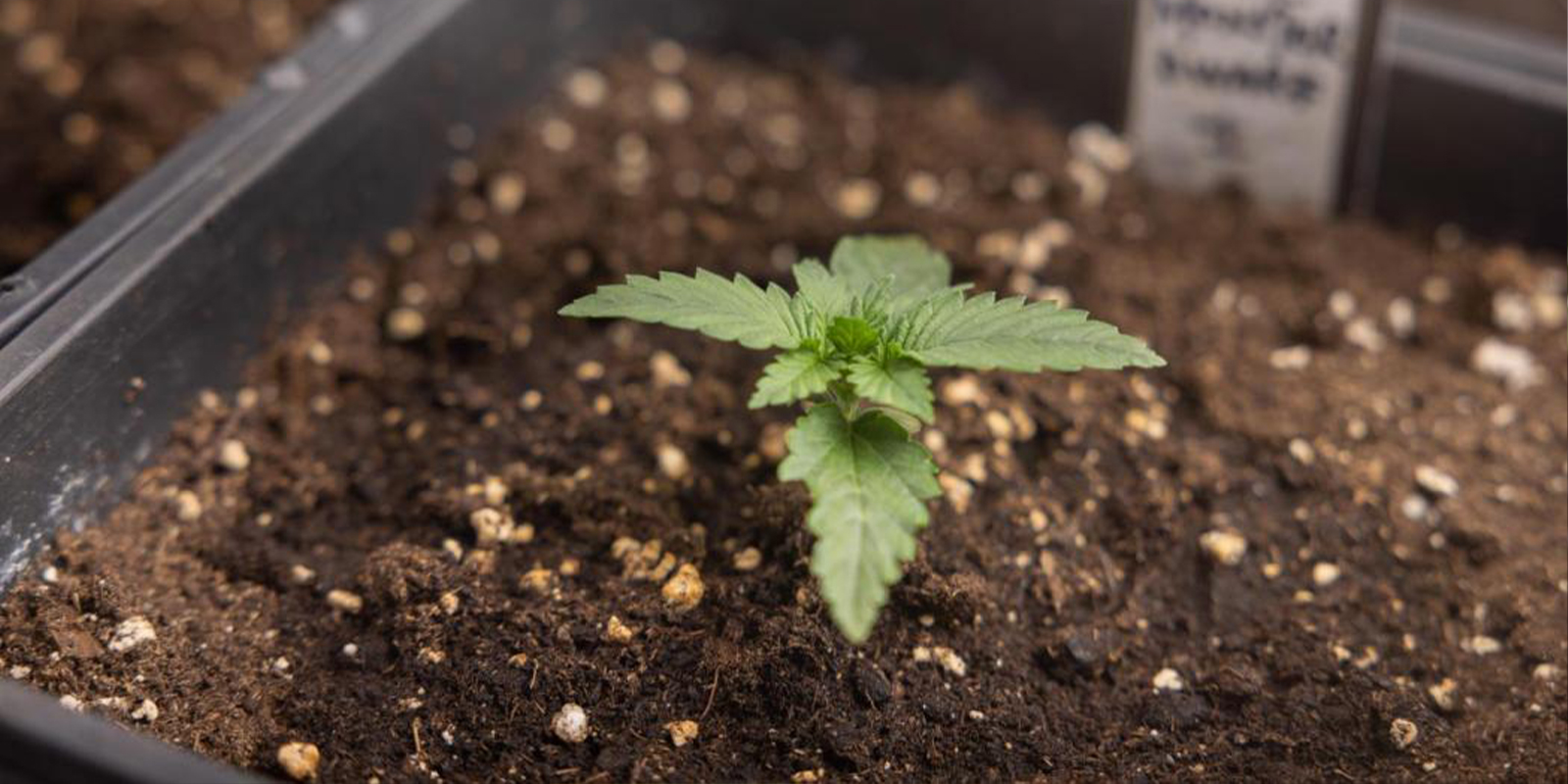
In most setups, cannabis seedlings don’t need feeding at all for the first 1–2 weeks. Early growth is powered by nutrition stored in the seed, and a light, quality medium already contains enough to get a young plant started.
If you do start feeding, wait until you see a couple of true leaf sets and the plant is clearly asking for more. Begin at a very low dose and increase slowly. The primary risk associated with feeding seedlings is nutrient burn (from too many nutrients), characterised by dark, clawed leaves and crispy tips, which can stunt development when the root system is still immature.
Your grow method also matters. In soil, less is more because many mixes are pre-fertilised. In coco, you’ll usually need a mild, balanced feed (plus calcium and magnesium) earlier. In hydro, nutrients are essential, but should be diluted and closely monitored. However, for both, careful monitoring of pH and EC are crucial. For a deeper overview, read our cannabis nutrients guide.
Potential problems during the seedling stage
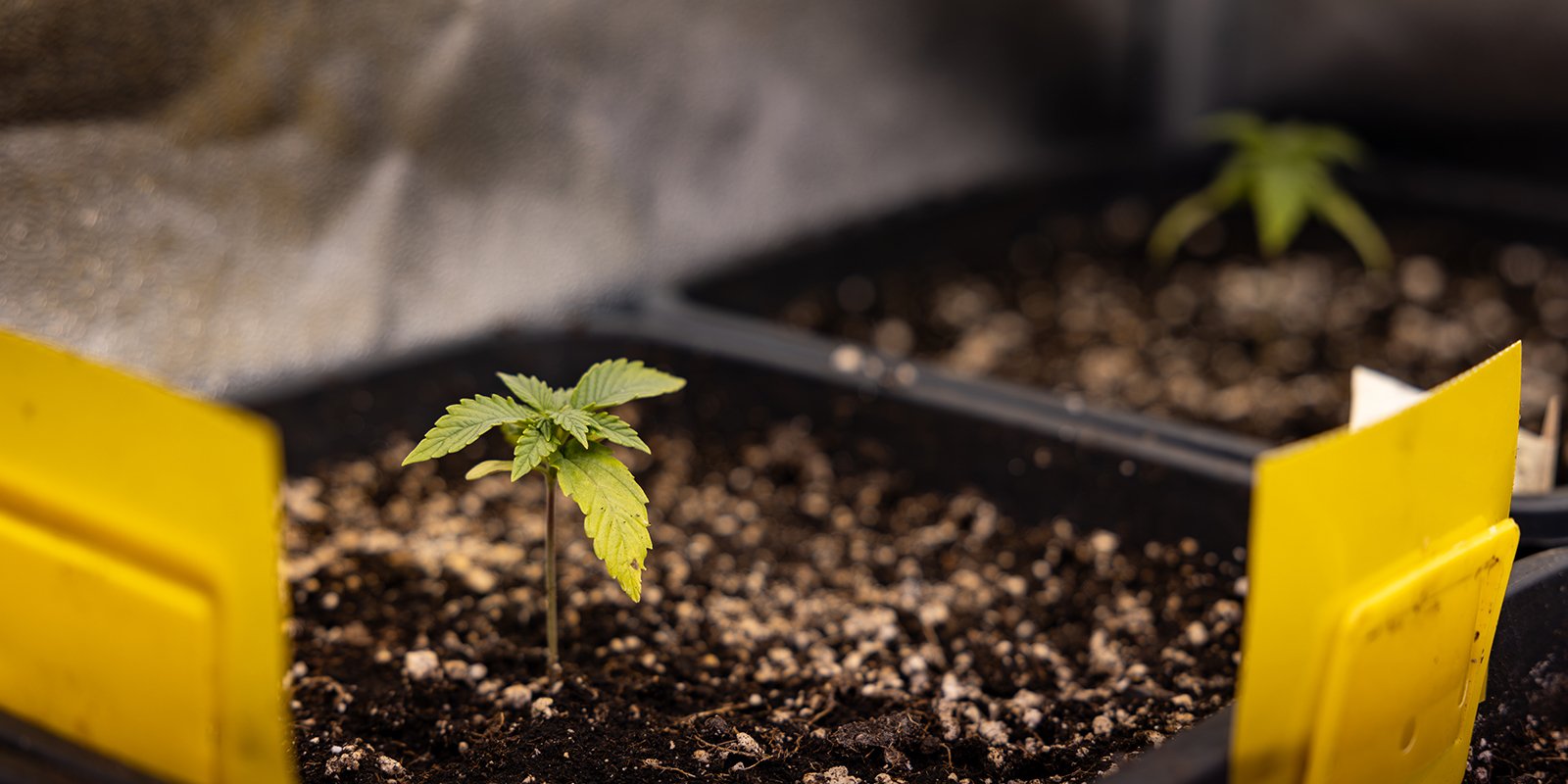
Potential problems (overwatering, nutrient burn, light stress) hit hardest early on, because seedlings have limited reserves and a tiny root zone. If growth stalls now, the plant may never fully “catch up”, even if conditions improve later.
The best defence is early detection. Check your seedlings daily for droop, stretching, discolouration, or leaf curl, then make one small correction at a time rather than chasing multiple variables at once.
Overwatering and root issues
Overwatered seedlings often look droopy and “heavy”, even though the soil is wet. Growth slows, leaves may claw downwards, and the surface can stay damp long enough for algae or fungus gnats to appear. In the worst cases, the stem thins at the base and collapses.
To fix it, stop watering until the pot feels noticeably lighter and the top couple of centimetres have dried. Improve airflow and warmth while avoiding misting the medium.
Prevention comes down to drainage and the right medium. Use pots with plenty of holes and a light, airy mix (many growers add perlite). Water in small amounts around the plant rather than soaking the whole container.
Nutrient burn and deficiencies
Early nutrient burn shows up as browned leaf tips, darker-than-normal foliage, and a slight “claw” as the plant struggles to handle a feed that’s too hot. With seedlings, this can happen fast, especially in rich soil mixes or when bottled nutrients are introduced too early.
True deficiencies are relatively rare at this stage because the seed provides an initial nutrient buffer, and most starter media contain enough nutrients for early growth.
Corrective steps are simple: stop feeding, give plain pH-balanced water, and let the medium dry back properly. If you’re in coco or hydro, reduce EC and refresh the solution. For more detail, see our nutrient burn guide.
Light stress and seedling stretching
Seedlings stretch when they’re hunting for light. If the lamp is too far away (or too weak), the stem elongates quickly, and a once-sturdy cannabis sprout can turn into a wobbly, leggy plant.
Intensity matters as much as distance. Using the right PPFD for cannabis seedlings helps keep internodes tight; too little encourages stretching, while too much (or heat) can cause light stress, such as upward-curling leaves, bleaching, or stalled growth.
To fix a leggy seedling safely, lower the light in small increments or dim up gradually, then add gentle airflow to strengthen the stem. When transplanting, you can also bury part of the stretched stem for support, just don’t pack the medium too tightly. For broader context, see our guide to cannabis plant stress.
What comes after the seedling stage?
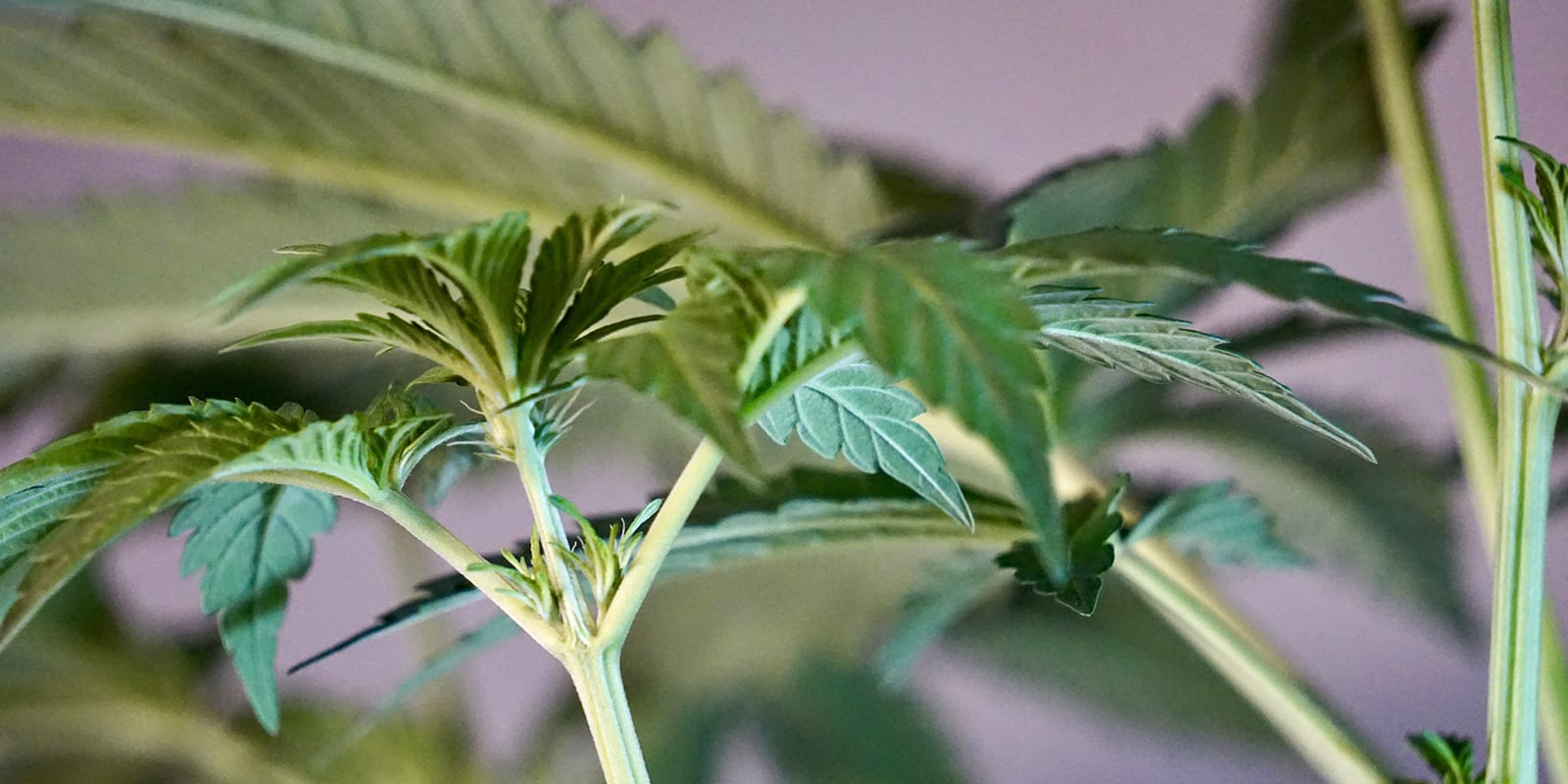
Once your plant has several sets of true leaves and steady, vigorous growth, it’s ready to transition into vegetative growth. This is when structure and speed ramp up, roots expand rapidly, stems thicken, and the plant starts putting on real size.
Expect to tweak your environment as demand increases. You’ll typically lower humidity gradually, increase light intensity, and begin a more consistent feeding routine (depending on your medium). It’s also a common time to transplant into a larger pot if you started in a small container. To keep following the grow guide progression, see our vegetative period guide.
Key takeaways for growing healthy cannabis seedlings
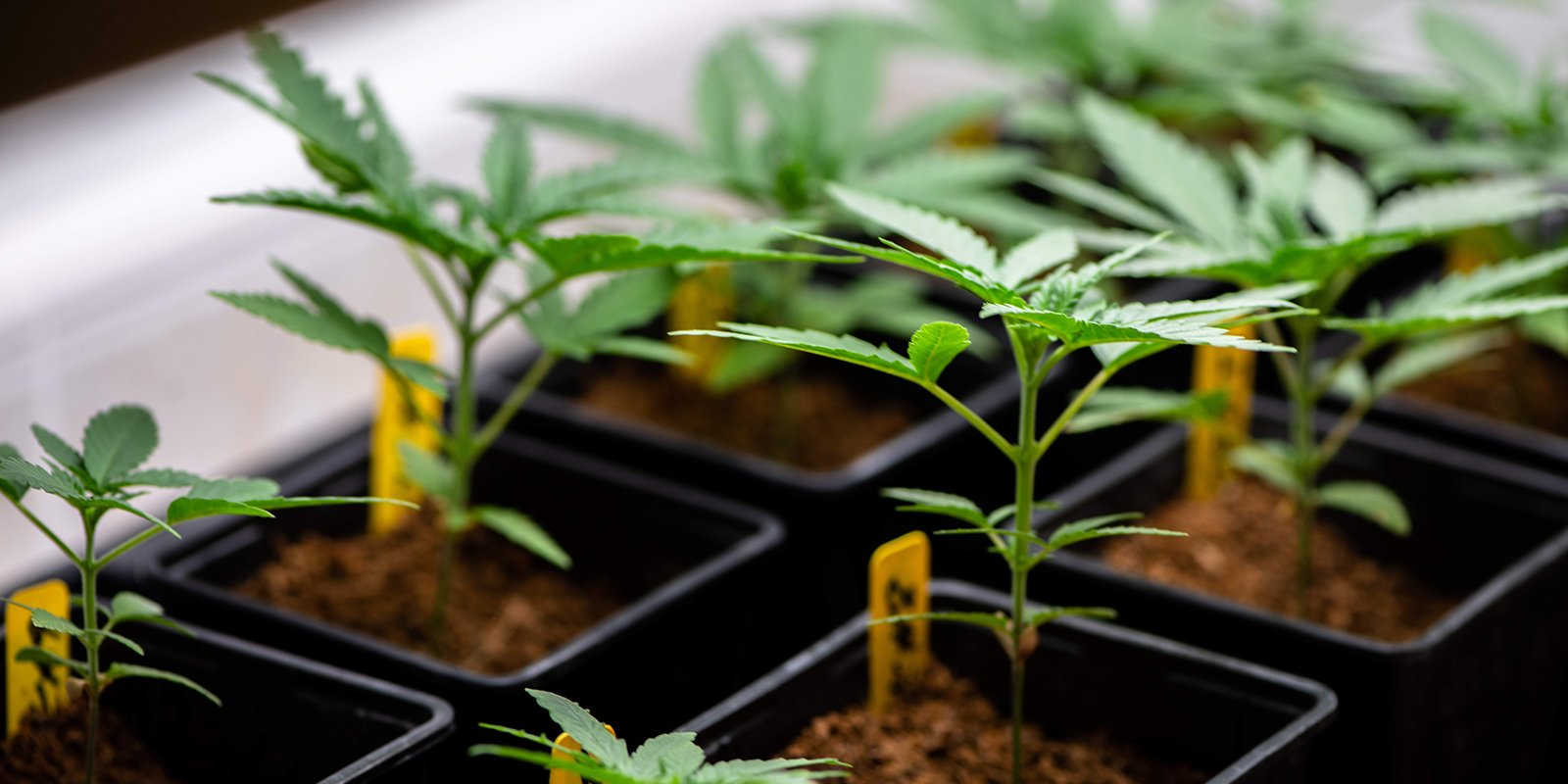
Healthy cannabis seedlings come from doing the basics well, consistently, and resisting the urge to overdo it. Focus on stability: gentle light, an airy medium, and a sensible watering rhythm, and you’ll avoid most early setbacks.
Keep these principles in mind:
- Watch the plant, not the calendar; small changes show up fast at this stage.
- Be patient with feeding; seedlings need very little, and “more” is usually worse.
- Make adjustments gradually and change one variable at a time.
If you’re progressing through your run step by step, follow the full grow guide through veg and beyond to keep conditions dialled in as your plant’s needs ramp up.