 8.6 out of 10 based on 81214 reviews







.svg)
.svg)
.svg)
.svg)
.svg)


 Autoflower Seeds
 Feminized Seeds
 Zamnesia Seeds


 Help
HelpCannabis Seedlings Explained: How to Care for Young Plants the Right Way
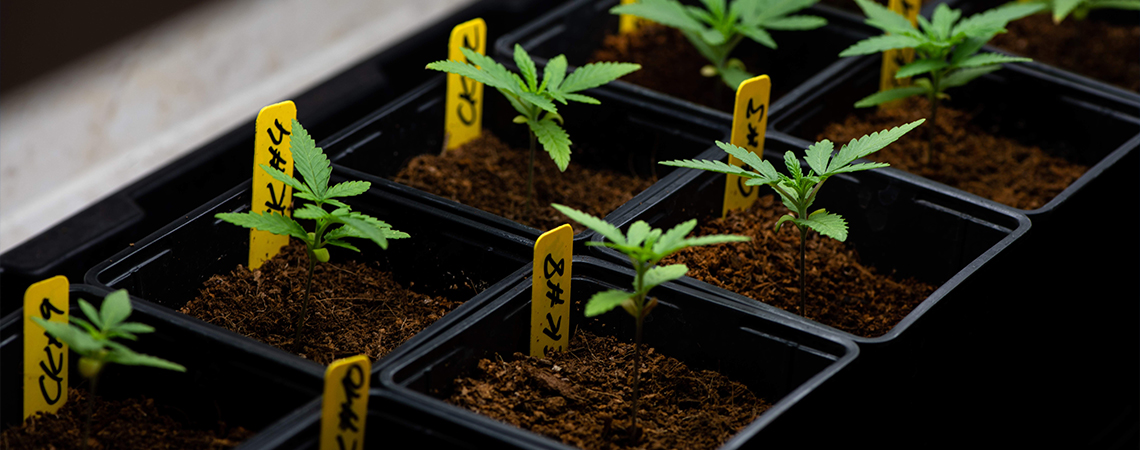


From cotyledons to true leaves, this guide explains what healthy cannabis seedlings look like and how to dial in humidity, temps, airflow, and watering.
The seedling stage is where great grows are made or broken. In these first days and weeks, your cannabis seedlings are building the root system, stem strength, and early leaf growth, everything else relies on. Miss the fundamentals here—too much water, overly intense light, or a swingy environment—and you can end up spending the rest of the run trying to catch up.
In this guide, we’ll break down exactly how to care for young plants: the ideal environment (temperature and airflow), properly dialed-in light intensity, watering habits that encourage root development, and when to introduce nutrients without shocking delicate new growth. We’ll also cover the most common early issues and how to spot them before they slow you down.
Think of this as the seedling chapter in a complete grow guide: a practical foundation you can come back to every time you start a new run, whether you’re raising your first cannabis sprout or tightening up your routine.
What Is a Cannabis Seedling?
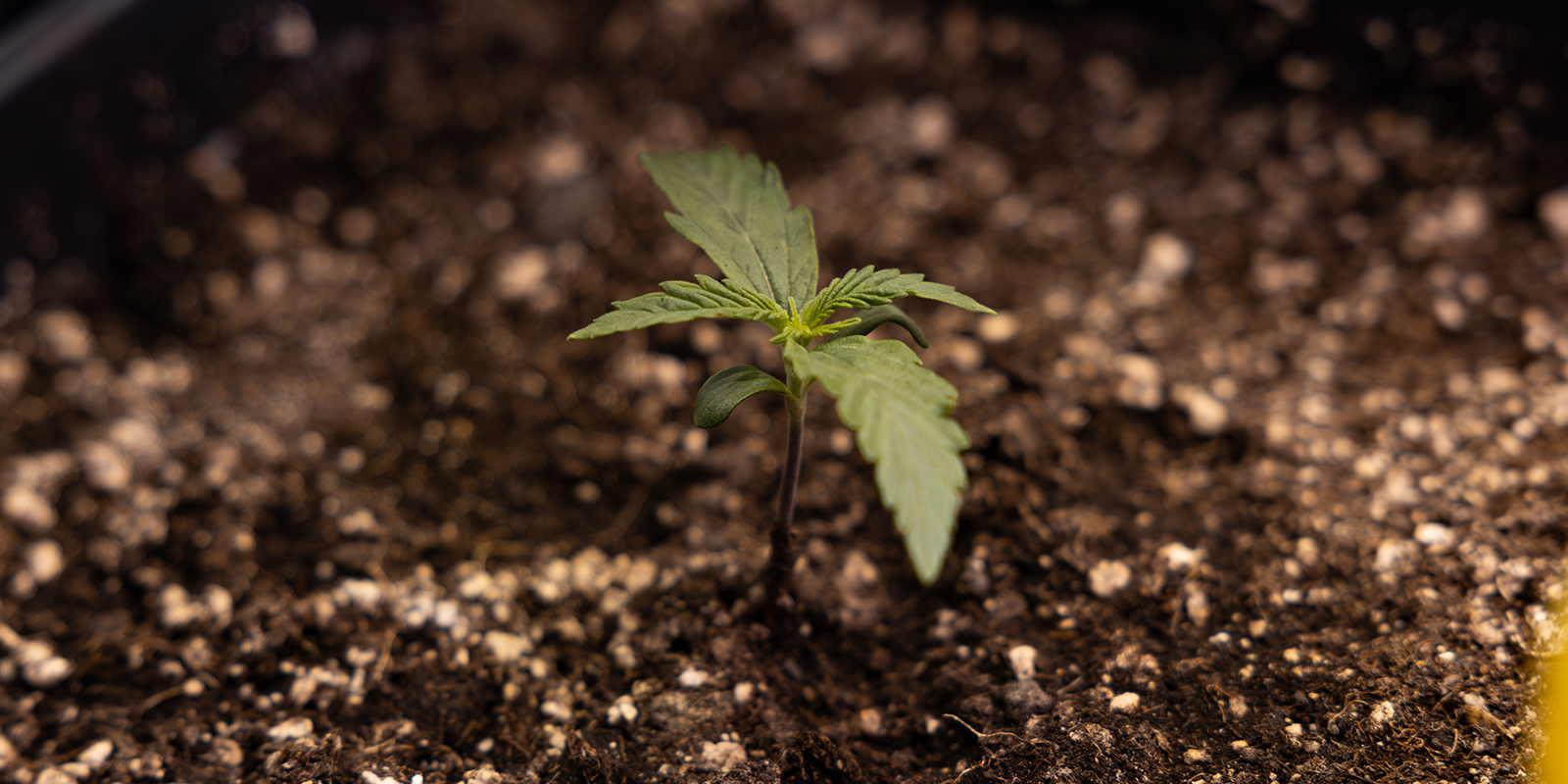
A cannabis seedling is the early stage, right after germination, once the seed has cracked and pushed its first growth above the medium. In practical terms, it’s the window when the plant is still small and delicate and focused on building a strong root system, plus its first sets of “true” leaves.
It helps to separate two terms beginners often mix up. A cannabis sprout is that very first moment the plant breaks the surface—usually showing the round cotyledons (those starter leaves). Once the cotyledons open and the first serrated leaves begin to form, you’re officially in the seedling stage.
Most growers consider the seedling stage to last about 2–3 weeks, though it can be shorter with fast genetics or longer if conditions slow things down. You’ll also hear people call this a baby weed plant, which is fair—as long as you remember it’s not really about size. It’s about how sensitive the plant still is to light, watering, and feeding.
How Long Does the Cannabis Seedling Stage Last?
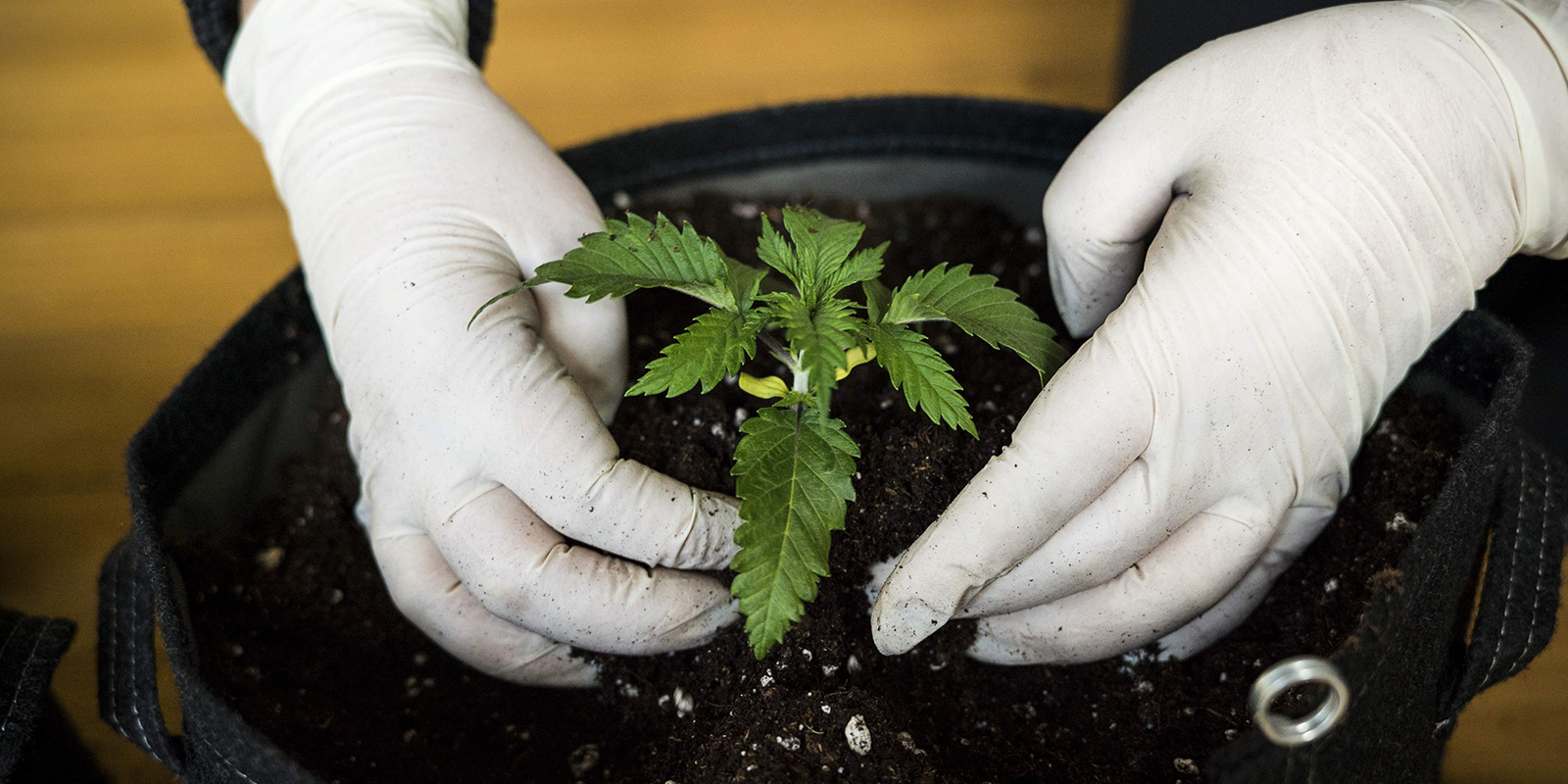
For most growers, the seedling stage runs roughly 2–3 weeks from emergence, but it’s not a hard rule. Genetics, root space, temperature, and how consistent your lighting and watering routine is can all speed things up or slow them down. Autoflowers often move through this phase a bit faster, while stressed plants may stay in it longer.
You’ll know a seedling is ready for the vegetative stage when it’s putting out multiple sets of true leaves, the stem has thickened, and growth becomes noticeably faster day to day. At that point, the plant can handle stronger light and a more structured feeding plan.
Characteristics of a Healthy Cannabis Seedling
The easiest way to judge a young plant is to look at the overall balance. The main signs of a healthy seedling are even, symmetrical growth, fresh-looking leaves, and a sturdy, upright posture.
Leaves should be a consistent green (not pale, blotchy, or overly dark), with the first serrated sets forming evenly on both sides. A little variation is normal, but twisting, clawing, or drooping usually points to stress. The stem should stand straight and be relatively thick for the plant’s size; if it’s long, thin, and leaning, the seedling is probably stretching for light.
Below the surface, healthy root development shows up as steady growth up top and a solid “grip” in the medium. When roots are thriving, the plant rebounds quickly after watering and doesn’t stall out.
As a rough benchmark, a 1-week-old seedling may only have 1–2 sets of true leaves, while a 3-week-old seedling should look noticeably bushier, with faster day-to-day growth.
Environmental Conditions for Cannabis Seedlings
Seedlings are more sensitive than mature plants because their root zone is small, stems are thin, and energy reserves are limited. That means swings in temperature, dry air, or intense light hit harder—and recovery takes longer.
Focus on the core environmental levers: warm, stable temps; gentle humidity; constant but mild airflow; and light that’s strong enough to prevent stretching without stressing new leaves. You don’t need extreme settings to grow strong cannabis seedlings—you need consistency.
At this stage, stability beats intensity. Predictable conditions help roots spread, leaves develop evenly, and the plant roll into veg without the stalling and weird growth you often see when you’re chasing “perfect” numbers.
Humidity and Temperature for Cannabis Seedlings
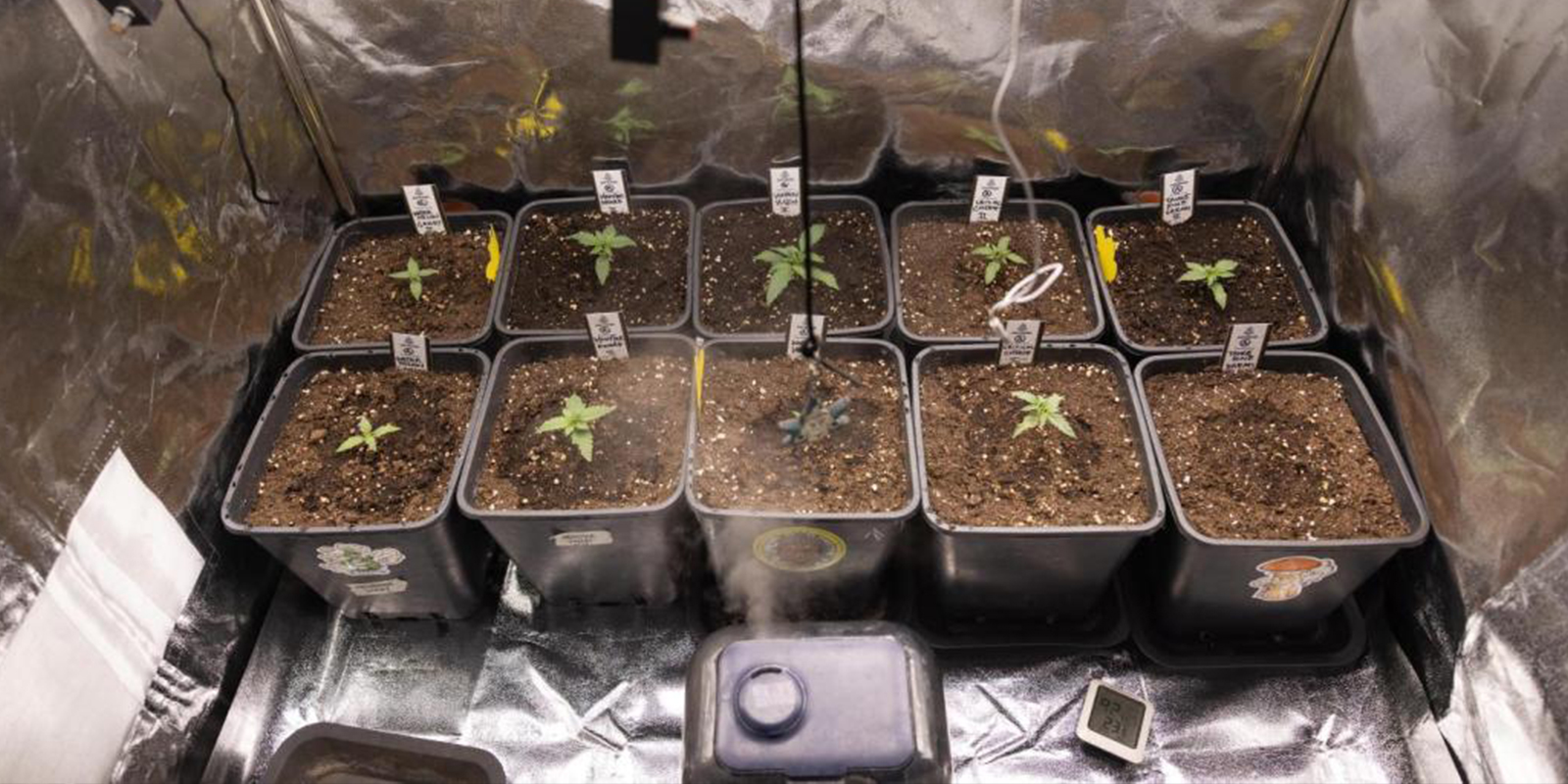
In week one (give or take), aim for 65–75% humidity, then slowly bring it down toward 55–65% as growth speeds up. Higher humidity helps early root development because tiny plants can’t drink much yet. They pull in a lot of moisture through their leaves, which reduces stress and encourages the roots to expand.
For temps, keep it comfortably warm: about 73–79°F during the day, with a small drop at night (around 68–72°F). Big day/night swings can slow growth and invite issues. For a deeper breakdown, check out our growing temperatures guide.
Humidity domes can be a lifesaver in dry rooms, but only if you use them right: vent them daily, wipe off excess condensation inside the dome, and remove it once the seedling is strong enough to hold its own. A classic beginner mistake is bone-dry air, which can lead to slow growth and crispy leaf edges even when the soil is moist.
Light Intensity for Cannabis Seedlings
PPFD for cannabis seedlings is simply a way to measure how much usable light hits the leaves each second. Think of it as “light strength at canopy level,” not just how bright the lamp looks to your eyes.
For seedlings, the goal is gentle intensity—about 100–300 PPFD is usually plenty. They don’t need strong lighting yet because their leaf area is small and their roots are still coming online. Push the light too hard, and you can demand more from the plant than it can support.
Too little light usually shows up as stretching: a long, thin stem and big gaps between leaf sets. Too much light tends to look like light stress: small, slow-growing leaves, edges curling up (“tacoing”), bleaching, or a plant that just seems to stall.
Indoors, put seedlings under a dimmable LED or raise the light higher above the canopy. Outdoor growing can work too, but avoid harsh midday sun at first. A windowsill is rarely ideal—light is inconsistent and often too weak. If it’s your only option, add a supplemental LED and rotate the plant daily. For the deeper “why,” see cannabis photosynthesis.
Light Schedule for Cannabis Seedlings
A reliable seedling light schedule is usually 18/6 (18 hours on, 6 hours off). Some growers run 20/4 to nudge slightly faster growth, but at this stage, the difference is rarely dramatic.
Running 24/0 is typically unnecessary. Darkness gives the plant time to respire and helps you keep temperatures and humidity more stable—which matters more than squeezing in extra hours of light.
Whatever schedule you pick, stick with it—seedlings don’t benefit from constant tinkering. Indoors, timers make consistency simple. Outdoors, you’re working with the season, so prioritize a sheltered spot that gets dependable morning light, with protection from harsh midday sun and chilly nights.
How Often to Water Cannabis Seedlings
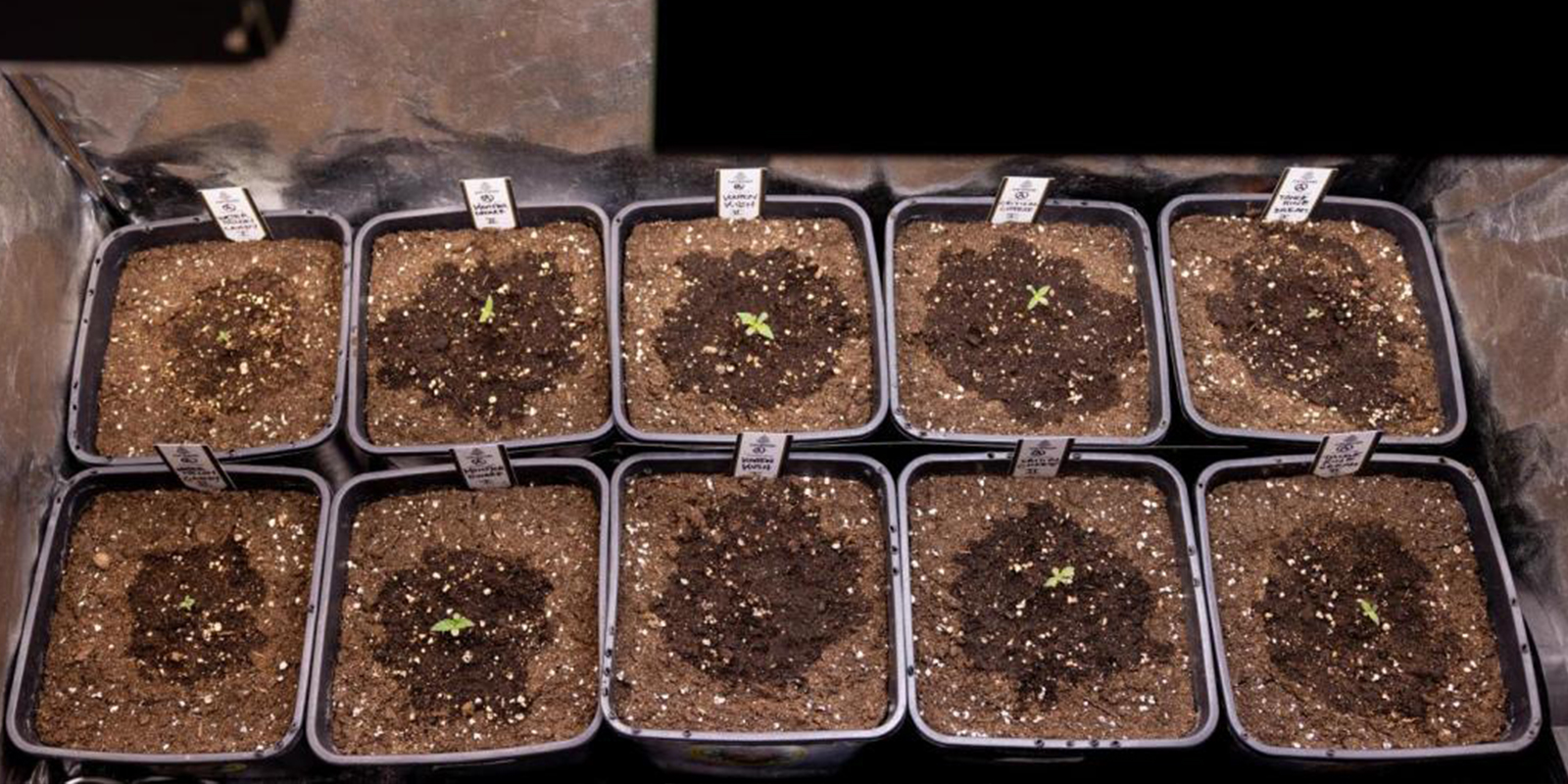
Overwatering is the most common seedling killer because it suffocates the roots. Young plants need oxygen in the medium just as much as they need moisture, and soil that stays wet all the time can quickly lead to drooping, slow growth, and damping off.
So, how often should you water cannabis seedlings? Worry less about a strict schedule and more about using small amounts while letting the medium dry back properly. Seedlings don’t need a drenched container—just a lightly moist zone around the stem where the roots are expanding.
If you’re not sure your seedling needs water, lift the pot to feel its weight and check whether the bottom still feels damp, then gently push a finger into the soil up to your first knuckle. If either check tells you it’s still wet, your seedling doesn’t need more water yet.
Watering frequency and volume should match the container size. In a large pot, water only a small ring around the seedling, then widen that ring as it grows. Soaking the whole container keeps the root zone cool and soggy for too long.
Signs of underwatering include limp leaves and a pot that feels light and dry. Overwatering usually looks like heavy, puffy leaves, ongoing droop, and soil that stays wet for days. For more detail, check out our watering cannabis plants guide.
Nutrients for Cannabis Seedlings
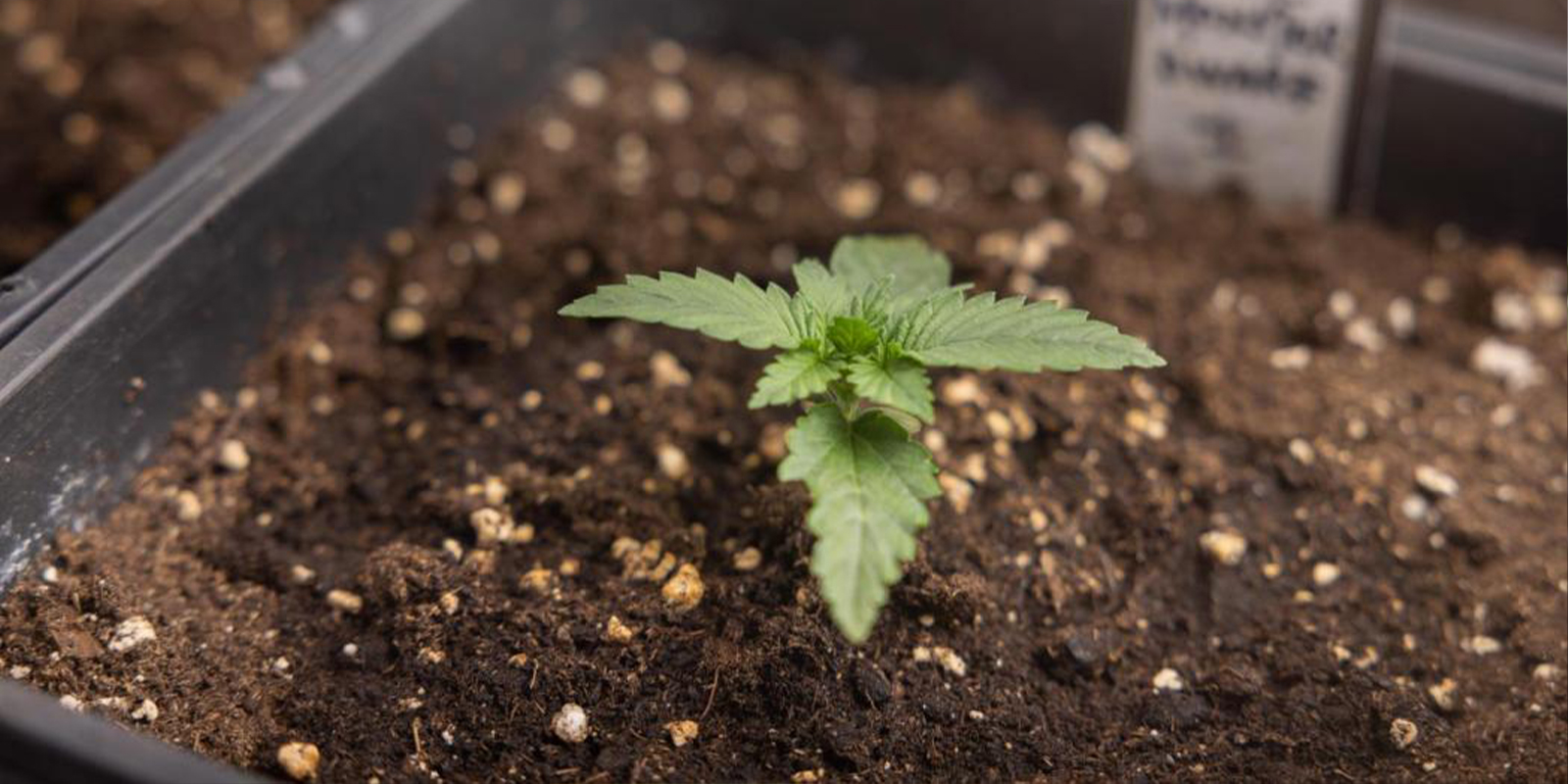
In most setups, cannabis seedlings don’t need nutrients at all for the first 1–2 weeks. Early growth runs on the nutrition stored in the seed, and a light, quality medium typically contains enough to get a young plant started.
If you do decide to feed, wait until you’re seeing a couple sets of true leaves and the plant is clearly ready for more. Start with a very low dose and ramp up slowly. The biggest risk when feeding seedlings is nutrient burn (too much, too soon). Look for dark, clawed leaves and crispy tips—damage that can stunt growth while the root system is still immature.
Your grow method matters, too. In soil, less is more because many mixes come pre-fertilized. In coco, you’ll usually need a mild, balanced feed (plus calcium and magnesium) earlier. In hydro, nutrients are required, but they should be diluted and closely monitored. In both coco and hydro, staying on top of pH and EC is crucial. For a deeper overview, read our cannabis nutrients guide.
Potential Problems During the Seedling Stage
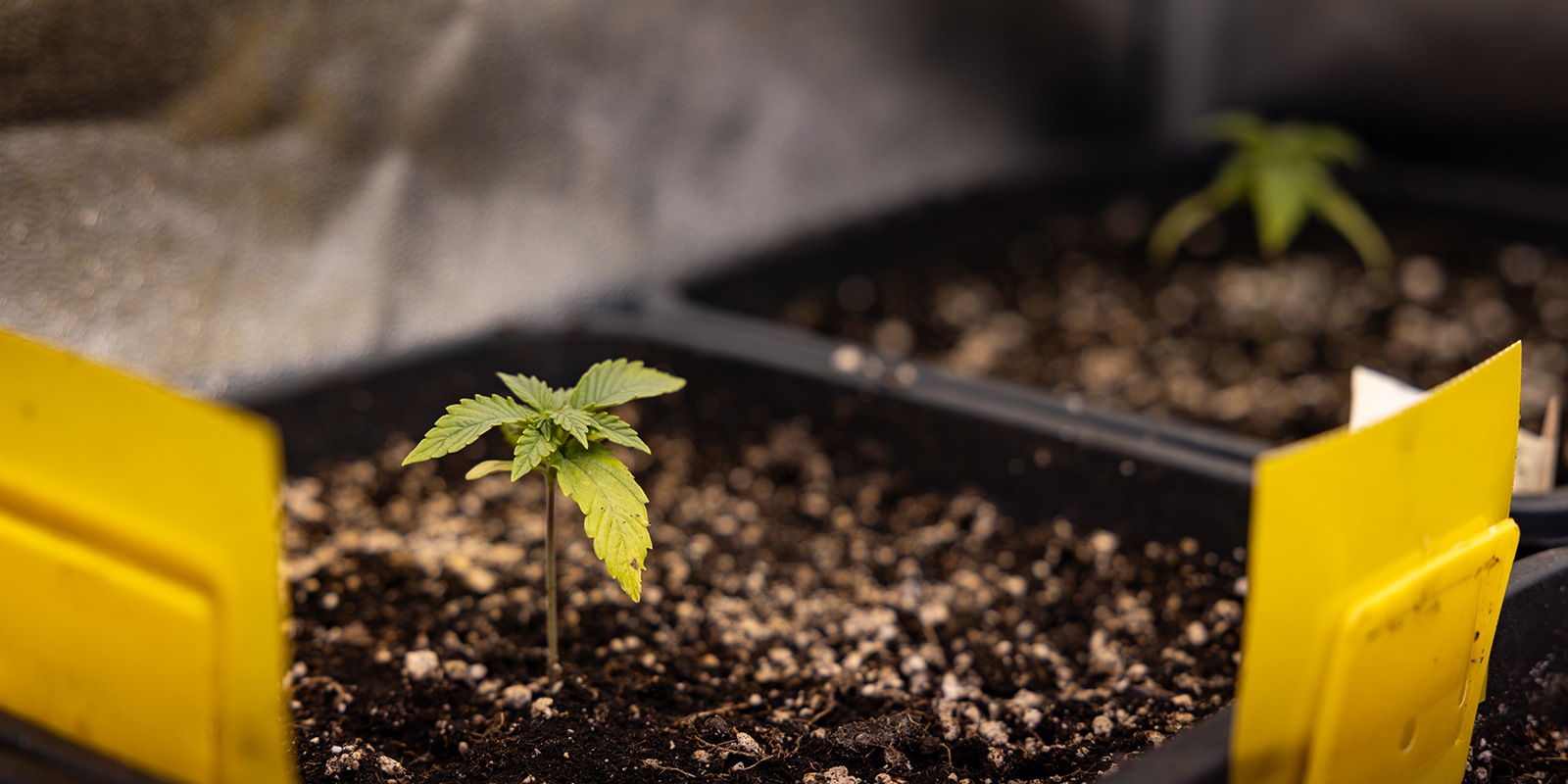
Common issues (like overwatering, nutrient burn, and light stress) hit hardest early on because seedlings have limited reserves and a tiny root zone. If growth stalls now, the plant may never fully catch up—even if conditions improve later.
Your best defense is catching issues early. Check seedlings every day for drooping, stretching, discoloration, or leaf curl, and make one small change at a time instead of tweaking a bunch of variables at once.
Overwatering and Root Issues
Overwatered seedlings often look droopy and “heavy” even though the soil is clearly wet. Growth slows, leaves may claw downward, and the surface can stay damp long enough for algae or fungus gnats to show up. In the worst cases, the stem thins at the base and collapses.
To correct it, stop watering until the pot feels noticeably lighter and the top 1 inch has dried out. Boost airflow and warmth, and avoid misting the medium.
Prevention mostly comes down to drainage and the right medium. Use pots with plenty of holes and a light, airy mix (many growers add perlite). Water in small amounts around the seedling instead of soaking the entire container.
Nutrient Burn and Deficiencies
Early nutrient burn usually shows up as browned leaf tips, darker-than-normal foliage, and a slight “claw” as the plant struggles with a feed that’s too strong. With seedlings, this can happen fast—especially in rich soil mixes or when bottled nutrients are introduced too early.
True deficiencies are fairly uncommon at this stage because the seed provides an initial nutrient buffer, and most starter media contain enough nutrition for early growth.
Fixing it is straightforward: stop feeding, switch to plain, pH-balanced water, and let the medium dry back properly. If you’re growing in coco or hydro, drop the EC and refresh the solution. For more detail, see our nutrient burn guide.
Light Stress and Seedling Stretching
Seedlings stretch when they’re reaching for light. If your lamp is too high (or too weak), the stem can shoot up fast, and what started as a sturdy sprout turns into a wobbly, leggy plant.
Distance is only part of the picture—intensity matters just as much. Dialing in the right PPFD for cannabis seedlings helps keep internode spacing tight. Too little light encourages stretching, while too much (or too much heat) can cause light stress, like leaves curling upward, bleaching, or growth that suddenly stalls.
To correct a leggy seedling safely, lower the light in small steps (or slowly increase intensity if you’re using a dimmer), then add gentle airflow to help the stem strengthen. When you transplant, you can also bury part of the stretched stem for extra support—just don’t pack the medium down too tightly. For broader context, see our guide to cannabis plant stress.
What Comes After the Seedling Stage?
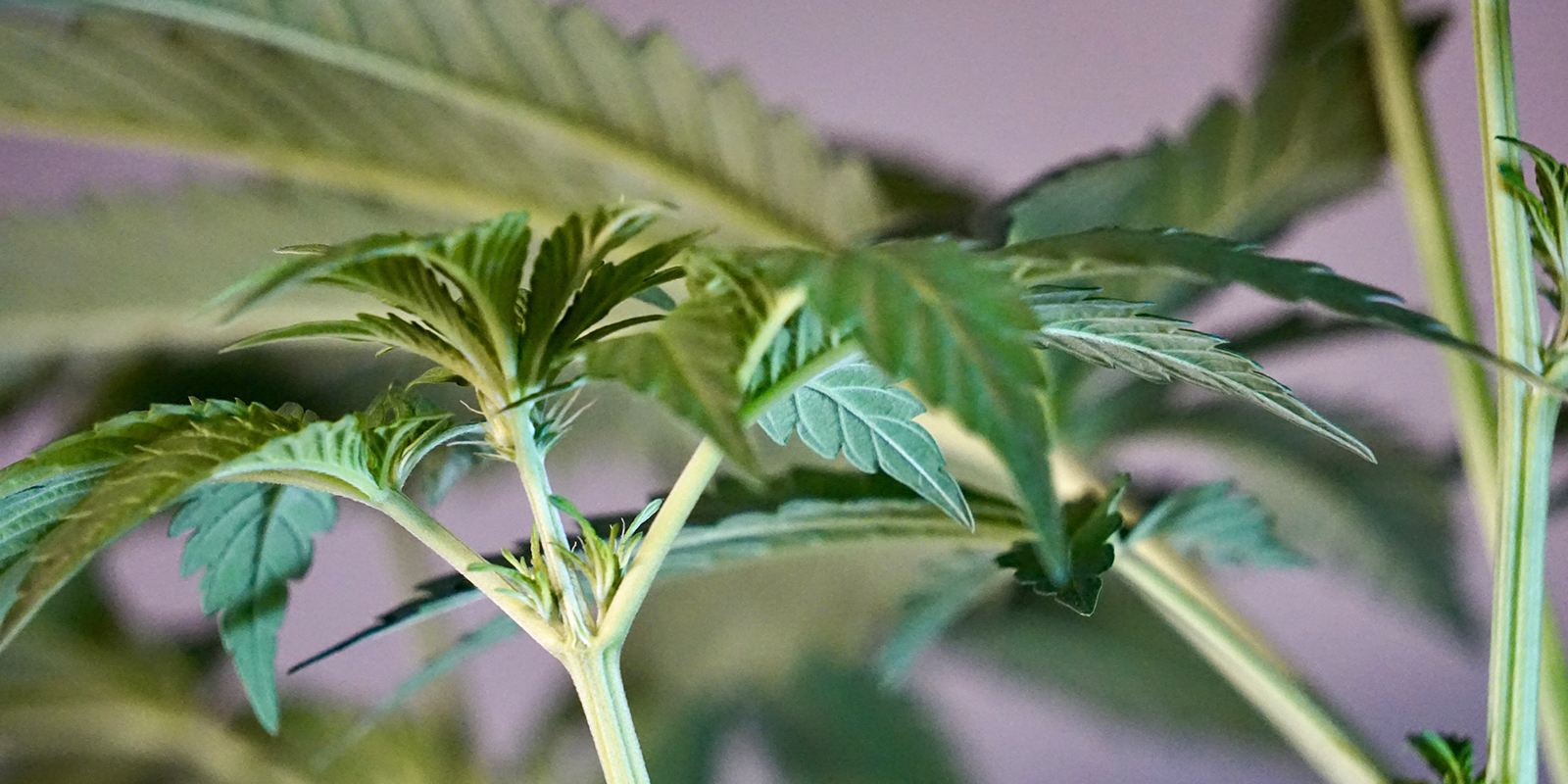
Once your plant has several sets of true leaves and it’s growing steadily and vigorously, it’s ready to move into the vegetative stage. This is where growth really ramps up: roots expand quickly, stems thicken, and the plant starts putting on noticeable size.
As your plant’s demand ramps up, expect to fine-tune the environment. You’ll usually lower humidity bit by bit, increase light intensity, and move into a more consistent feeding routine (depending on your medium). This is also a common time to transplant into a larger pot if you started in a small container. To keep moving through the grow guide, see our vegetative period guide.
Key Takeaways for Growing Healthy Cannabis Seedlings
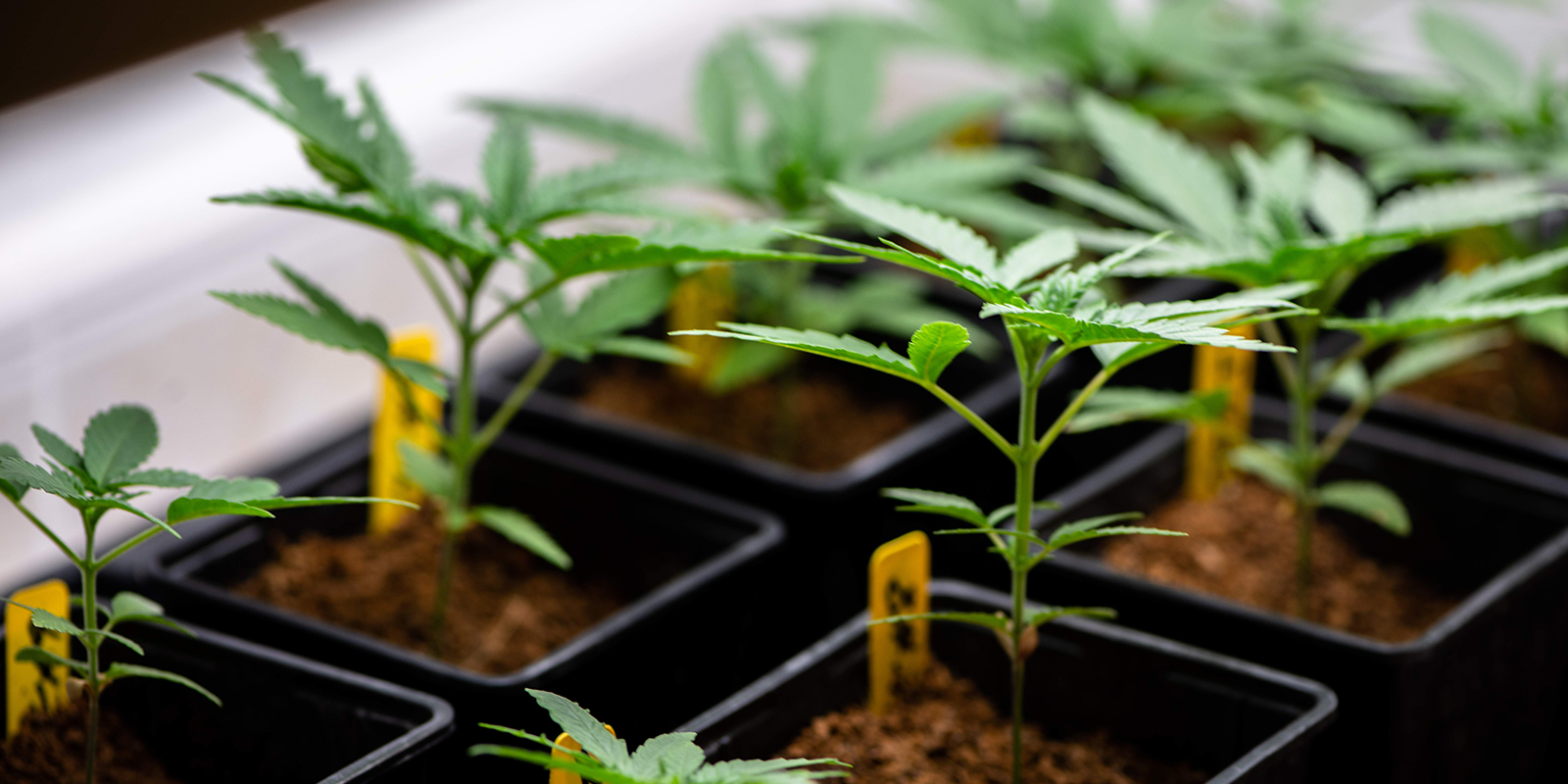
Healthy cannabis seedlings come from nailing the fundamentals, staying consistent, and resisting the urge to do too much. Aim for stability—gentle light, an airy medium, and a sensible watering rhythm—and you’ll avoid most early setbacks.
Keep these principles in mind:
- Watch the plant, not the calendar; small changes show up fast at this stage.
- Be patient with feeding; seedlings need very little, and “more” is usually worse.
- Make adjustments gradually and change one variable at a time.
If you’re taking your run step by step, keep following the full grow guide through veg and beyond so you can keep conditions dialed in as your plant’s needs increase.