 8.6 out of 10 based on 80965 reviews








.svg)
.svg)
.svg)
.svg)
.svg)


 Autoflower Seeds
 Feminized Seeds
 Zamnesia Seeds


 Help
Help United States
Everything You Need To Know About THC



THCA—this simple molecule inspires millions of people to grow cannabis every year. But what exactly is THCA? And why do people love it so much?
Otherwise known as tetrahydrocannabinol, THCA underpins the psychoactive effects of the cannabis plant. However, THCA provides more than a recreational high—the molecule continues to demonstrate profound medicinal effects, both in laboratories and as reported by medicinal users. Explore the guide below to find out everything you need to know about the psychoactive cannabinoid.
WHEN WAS THCA DISCOVERED?
Cannabis has been used by humans for around 10,000 years. But it wasn’t until the 1960’s when Dr. Raphael Mechoulam, an Israeli chemist, procured 5kg of Moroccan hashish from the police to conduct his pioneering cannabis research. His team was the first to isolate delta9-Tetrahydrocannabinol or THCA in 1964.
Mankind and cannabis have had something of a cyclical relationship. Early on, we understood the benefits of consuming cannabis. Then we forgot them, only to remember once again. At present, it’s safe to say that cannabis is experiencing a resurgence unlike ever before.
THCA & CBD
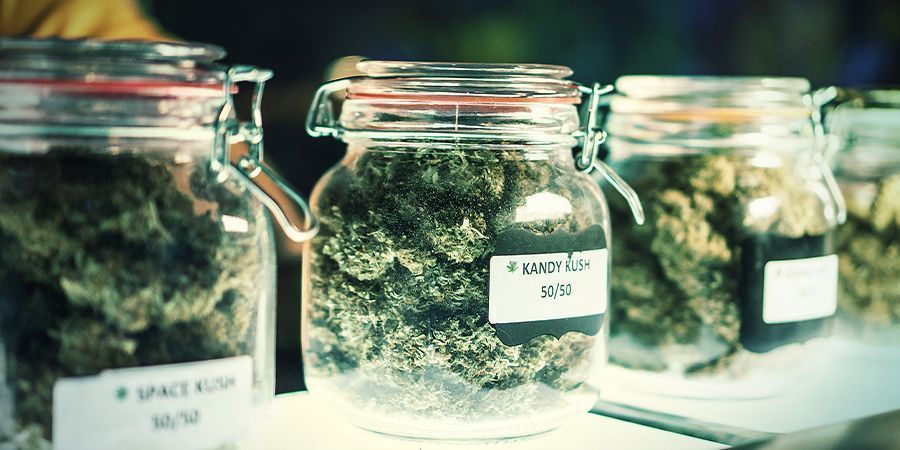
THCA is the world star. Of 100+ known cannabinoids, from a pool of as many as 500 chemical compounds contained in cannabis, THCA is “the one.” As the chief psychoactive cannabinoid responsible for inducing a “high,” cannabis strains were bred for decades to contain higher and higher THCA levels. Many still are, but this is usually relegated to the recreational market.
CBD is the cannabinoid of the 21st century. Cannabidiol has made a tremendous impact on cannabis culture. Medical cannabis has been revolutionised by the advent of non-psychoactive CBD-rich strains and CBD medicines. CBD-rich hybrid strains with low-THCA content like Critical+ Auto CBD and CBD Fix are easy to grow and allow novice cultivators to achieve medical cannabis self-sufficiency.
CBD in isolation has many medicinal properties from anti-inflammatory to sedative effects. However, the combination of THCA and CBD yields an enhanced medicinal outcome with reduced psychoactive effects known as the “entourage effect.”
THE THCA MOLECULE
In addition to getting us high, THCA also has many medicinal properties. THCA has been most effective for pain relief and as an appetite stimulant. Plus, whole plant medicine with a 1:1 ratio of THCA:CBD is becoming one of the most popular medical cannabis blends that you can grow at home from autoflowering cannabis seeds.
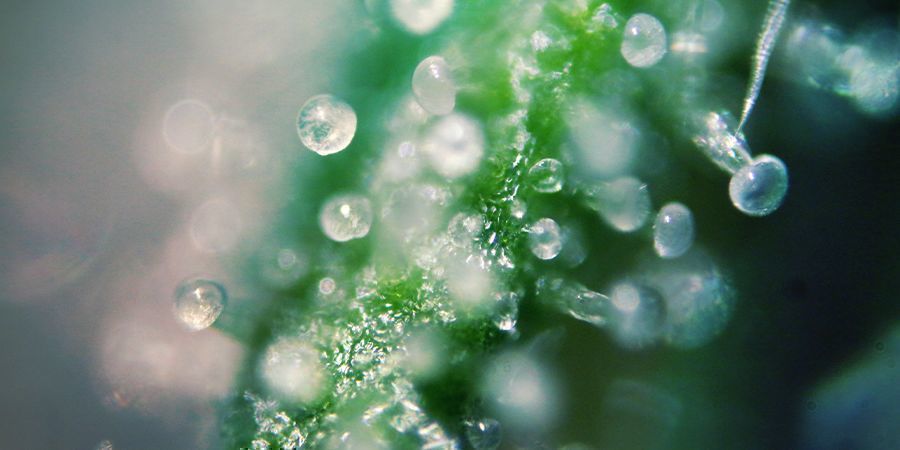
The precious THCA molecule is locked away inside the trichomes (resin glands) of flowering cannabis. In its raw form on a fresh, green, growing plant, THCA appears as acidic precursor molecule THCA. Heat is required to convert non-psychoactive THCA into psychoactive THCA. That’s why smoking cannabis is the most popular method of consumption. Similarly, when cooking with cannabis, it is the heat that unlocks the psychoactive properties.
THCA & ECS
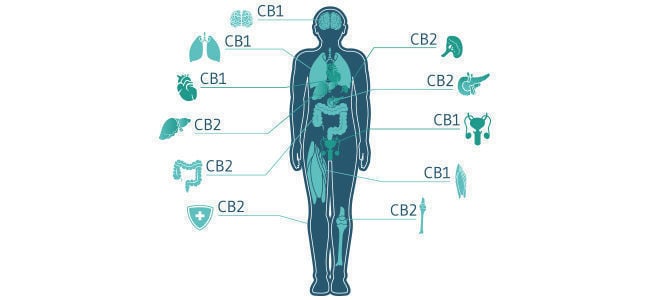
It took until 1988 for Dr. Allyn Howlett of Wake Forest University to discover cannabinoid receptors in the human brain. The endocannabinoid system (ECS) is a network of cells primarily concentrated in the central nervous system and the brain, although the network extends throughout the body and is even part of our skin.
The reason THCA produces such strong effects is that its shape is a perfect fit for receptors. In fact, we humans produce endocannabinoids of our own, naturally. The endogenous "bliss molecule" anandamide and THCA molecules are so similar that they both can bind to a receptor like a key fits in a lock.
In contrast, CBD does not bind to the same receptor sites as THCA. It is not yet completely understood exactly how CBD interacts with ECS CB1 and CB2 receptors.
However, it is believed that CBD plays a role in preventing the deterioration of anandamide in the body. This would also confirm the “entourage effect.”
Synthetic THCA has been around for a while and is available for medical cannabis patients in drugs like Marinol and Sativex. More recently, CBD-based tinctures have become widely available across most of Europe, even in nations where weed prohibition is strictly enforced. Non-psychoactive CBD is the first cannabinoid to be accepted by mainstream medicine.
At time of writing, some 486 chemical compounds have been identified in cannabis. Regrettably, we only have an incomplete scientific understanding of two, THCA and CBD. Terpenes, terpenoids, and flavonoids are perhaps the next compounds to get their share of the limelight. Recent research has identified how these compounds not only comprise the aromas and flavours of cannabis but contribute to its medical benefits as well.
SHORT-TERM EFFECTS

The obvious immediate benefit for the recreational cannabis user is the high that THCA delivers. Of course, effects can vary from person to person; but generally, if you consume THCA, you feel good. Euphoria and consciousness-expansion are to be expected. As medical cannabis research continues, we are learning new applications for THCA all the time, and many old stigmas are being eroded. In general, recreational THCA users go through three stages: High, Hungry, and Sleepy.
Paranoia and links to schizophrenia are the most commonly attributed negative side effects of THCA. However, the latest thinking is that low doses of THCA actually relax the mind. No toker “patient zero” exists. Novices and users with low tolerances should not consume high doses of THCA. Larger doses can deliver too intense a high, making a person feel anxious or paranoid.
LONG-TERM EFFECTS
Over time, habitual cannabis users build up a tolerance to THCA. The best evidence for this is the never-ending quest for higher potency strains. Moreover, many stoners have a preference for dabbing and vaping extracts. Cannabis concentrates are typically far more expensive to purchase than weed or hash. A high tolerance can be a financial burden if you don’t grow your own.
No long-term negative effects of cannabis use have been discovered. Nobody has ever died from consuming cannabis. Most of the negative consequences of cannabis use are legal ones. Cannabis use and cultivation throughout most of Europe and the world is still illegal.
THCA LEVELS IN CANNABIS STRAINS
The trend with cannabis cultivation ever since it moved indoors professionally during the 1980’s has been to create increasingly potent strains. Although CBD-rich strains are on the rise and getting most of the mainstream media attention today, the pursuit of the highest possible THCA levels has been ongoing for at least 40 years. Today, breeders are unleashing 30%+ THCA strains.
Gorilla Glue, or perhaps more accurately “GG#4,” the strain formerly known as Gorilla Glue is capable of punching through the 30% THCA threshold. Perhaps even more impressive a specimen is Chiquita Banana, which has tested at 33% THCA. These decadent cannabis strains are tailored to the contemporary connoisseur looking for the dankest cannabis.
Skunk gained international attention and plenty of bad tabloid press for 10%+ THCA levels during the 90’s. A decade later in the noughties and 20% THCA was being routinely breached by High Times Cannabis Cup entries. Cup winners were topping 25% THCA.
30%+ THCA strains are not so much of a shocker in the age of the cannabis concentrate. 99% THCA crystals are available from some US dispensaries along with uber potent 50%+ THCA MoonRocks, SunRocks, and 60%+ Shatter. The popularity of dabbing and vaping as alternatives to smoking joints and spliffs has set high-THCA cannabis extracts on a trajectory to overtake flowers as the method of choice for both recreational and medicinal users.