 8.6 out of 10 based on 81059 reviews








.svg)
.svg)
.svg)
.svg)
.svg)


 Autoflower Seeds
 Feminized Seeds
 Zamnesia Seeds


 Help
Help United States

 5 min
5 min
What Are The Side Effects Of THCA?


THCA-rich cannabis is one of the most popular recreational drugs in the world, as well as one of the most sought-after holistic herbs. And while cannabis is often praised for being natural and non-toxic, consuming high amounts of THCA can cause some negative side effects. Keep reading to learn what they are, and what you can do to mitigate them.
THCA is well-documented as the main psychoactive compound in cannabis. And while many people swear by THCA’s effects (for recreational and holistic purposes), it can also produce side effects in some people and in specific circumstances. Luckily, THCA’s side effects are temporary and can be prevented by keeping a keen eye on your set, setting, and dose, among a few other factors.
What is THCA?
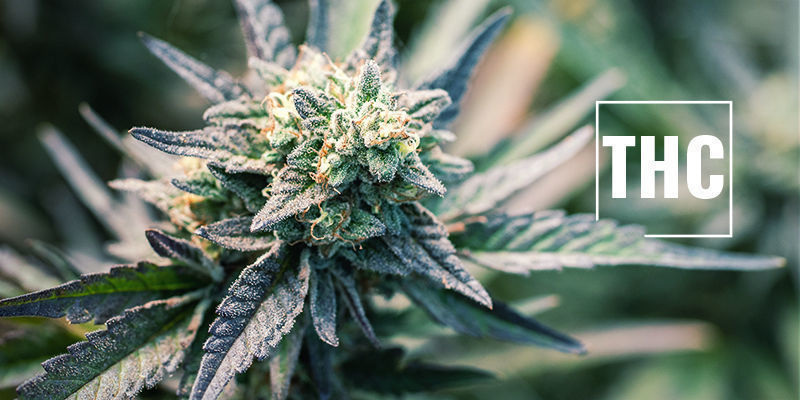
THCA, or tetrahydrocannabinol, is one of the most abundant active compounds in Cannabis sativa. Indeed, cannabis's psychoactive effects are often attributed solely to this chemical.
Note that, while THCA does produce an intoxicating effect exceeding that of other cannabinoids, recent research shows that the high we experience from cannabis use likely comes from the synergy between all of the active compounds found in the plant. This synergy is commonly referred to as the entourage effect.[1]
How Does THCA Work?
THCA delivers its unique effects by interacting with the endocannabinoid system. More specifically, THCA has a chemical structure very similar to that of anandamide (a cannabinoid naturally produced by the human body) and is therefore able to directly engage CB1 receptors in the brain and body.
When THCA acts on CB1 receptors, it can trigger a wide variety of reactions in the body, which may affect:
- Mood and energy levels
- Focus, concentration, and creative thought
- Memory recollection and formation
- Appetite and metabolism
- Pain perception and inflammation
- Sleep
- Perception of space, time, and reality
Possible side effects of THCA
THCA-rich cannabis is among the most widely used recreational drugs. As our research and understanding of cannabis expands, we’re learning new ways to use and administer this plant not only for recreational purposes, but holistic ones too.
Nevertheless, while THCA has a plethora of benefits, it can also produce some notorious side effects, especially in people with a low tolerance to its effects, or when taken in large amounts. In what follows, we’ll take a closer look at the side effects of THCA, explain what might cause them, and share some tips to keep your experiences with cannabis pleasurable.
Cotton Mouth
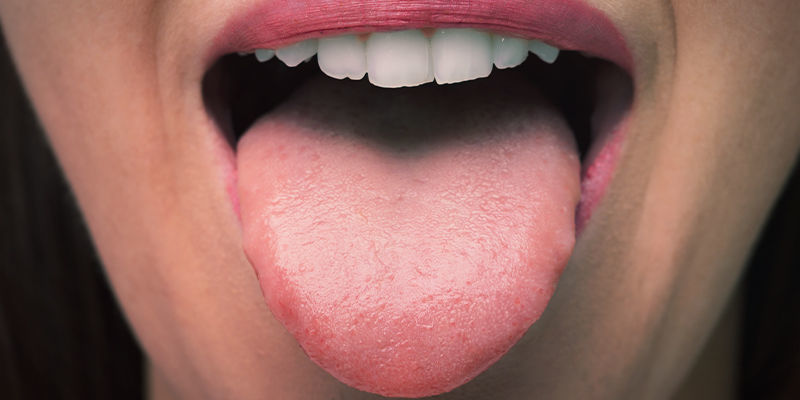
Cotton mouth, also known as dry mouth or xerostomia, is a very common side effect of THCA. Studies suggest that cannabis causes xerostomia when THCA binds to receptors in the submandibular glands at the bottom of the mouth (these glands are responsible for producing roughly 75% of saliva).[4]
The same research also suggests that cannabis is more likely to cause dry mouth when taken in large doses. Hence, one of the best ways to avoid cotton mouth is by taking smaller doses of cannabis at a time. Also, remember to drink plenty of water during your sessions to keep hydrated and help relieve the annoying sensation.
Red or Bloodshot Eyes
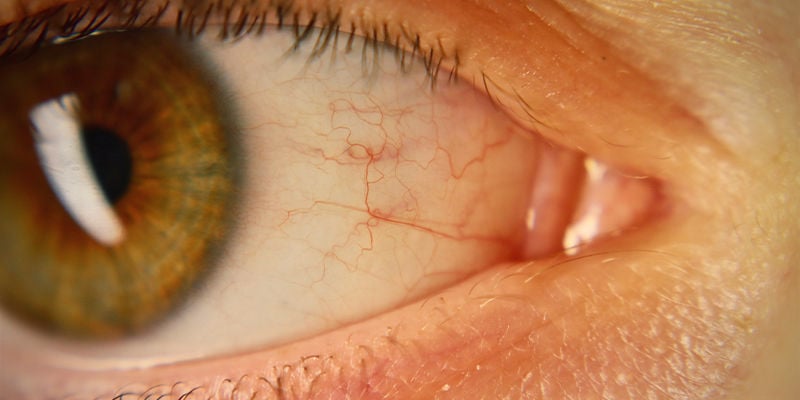
THCA is a very effective vasodilator, meaning it can increase blood flow around the body, affecting blood pressure in turn. Regardless of whether you prefer to smoke, vaporize, or ingest cannabis, take a look in the mirror mid-session and you’ll likely find some red eyes staring back at you.
Like cotton mouth, whether or not you get red eyes from cannabis use is largely dependent on dose, so you might want to consider taking smaller amounts if you want to avoid this very obvious side effect. Alternatively, keep a set of eye drops handy to relieve a severe case of red eyes in an instant.
Altered Perception

While everyone's experience with THCA is different, most people find that it has a very notable impact on perception. This can include alterations in perception of time and space, a profound enjoyment of music, movies, or art, a deep connection with nature and/or people, euphoria, and more.
People who use cannabis regularly enjoy—at least to some extent—this state of altered perception. However, it may prove overwhelming for some, especially those not used to the effects of cannabis, those who have a low tolerance to THCA, or those experimenting with a form of cannabis they are not familiar with (such as edibles or concentrates).
Unfortunately, there is no real way to counteract a cannabis high other than being patient, remembering that the effects are temporary, and, where possible, letting go and enjoying the ride. If you are experiencing a bad high, consider changing your setting by going outside, putting on some soothing music, turning the lights on or off, etc.
The Munchies

"The munchies" are, without a doubt, one of the most well-known side effects of using cannabis. Again, this has to do with THCA’s ability to interact with the endocannabinoid system, which—among many other things—mediates hunger and appetite.
While we still don’t completely understand the science behind the munchies, some research suggests that THCA may promote the release of ghrelin, a hormone that helps to increase appetite. This may be one of the reasons, for example, why cannabis stimulates appetite in people suffering from appetite loss due to a medical condition or treatment.
Another explanation for the munchies is that THCA may interrupt the signalling of neurons that typically help to trigger satiety. Finally, THCA has also been shown to stimulate the release of dopamine, which not only lowers our inhibitions, but also increases the amount of pleasure we receive from pleasurable activities, such as eating.
Lethargy

While cannabis may be uplifting and stimulating for some people, it can leave others glued to the couch and sleepy. This “couch lock” phenomenon can be explained by a few different factors:
-
Dose: THCA is shown to have a more relaxing and soporific-like effect when used in large doses.
-
Set and setting: Smoking cannabis while curled up on the couch, for example, is likely to leave you feeling more relaxed and sleepy as opposed to smoking cannabis outside in the sun or at a social gathering.
-
Chemical profile: Indica strains have long been considered to be more "sleepy" than sativa strains, but the actual cannabinoid and terpene profile of a strain is a better guide on what effects it might produce. Some terpenes are naturally more soothing and relaxing, as opposed to invigorating or energising, and thus cause more lethargic effects.
Do high-THCA strains have the same side effects?
The side effects described above are all relatively mild and will usually subside once your high wears off. However, there is also concern about more serious side effects associated with particularly heavy, high-THCA cannabis varieties.
Again, the way you experience cannabis depends in part on your body chemistry, your tolerance to THCA, set and setting, the way you use it, and the chemical profile of the particular strain. Nonetheless, the effects are also dose-dependent, and so there is a certain degree of truth to the argument that THCA-heavy cannabis produces more intense side effects, including those outlined below.
Paranoia

Research shows that cannabis use can cause brief psychotic episodes in some people. Known as cannabis-induced psychosis (CIP), some of the core symptoms of these temporary psychotic episodes include paranoia and delusions.
There isn’t much scientific information to fully understand CIP or why it affects some people and not others. Some researchers suggest that CIP may be more likely in cannabis users who already have a predisposition to developing other forms of psychosis, such as schizophrenia. However, there is a lot of discussion surrounding the validity of these claims.
If you do experience paranoia or delusions from cannabis use, we recommend you stop using it and discuss these symptoms with your doctor or a mental health professional. Keep in mind that CIP is temporary and usually wears off as the short-term effects of THCA do.
Dizziness

While THCA is not a toxic or fatal compound, when consumed in high doses it can cause some very unpleasant side effects, including dizziness, disorientation, and—to some degree—a loss of motor skills. Similar to the effects of drinking too much alcohol, this combo of unpleasant side effects is often referred to as “greening out”, and typically affects people who are new to cannabis and don’t yet know their tolerance to it, or who quit using cannabis for a long time and thereby lost their tolerance.
Unfortunately, just like there’s nothing you can do to sober up after a heavy night of drinking, there's also nothing you can do to reverse the effects of greening out. If possible, drink some water, lay down in the fetal position, keep a bucket handy, and try to sleep it off. Some people also choose to take CBD oil in hopes of mitigating THCA’s adverse effects, although it’s unclear whether the non-intoxicating cannabinoid provides much assistance if consumed long after taking THCA.
Nausea and Vomiting

While some people use cannabis in hopes of easing their stomach, THCA can also cause nausea and vomiting when consumed in large doses.
If you’ve consumed enough cannabis to vomit or feel nauseated, remember to drink water to keep hydrated and, if possible, consume some kind of sugary candy or fruit (a quick sugar boost can often pick you up when you're greening out). Here too, some people choose to take CBD oil in hopes of experiencing relief.
Will THCA side effects go away?
While millions of people treasure cannabis’ effects (be it for recreational or medical purposes), there are times when THCA and other cannabis compounds can produce negative effects.
Luckily, all of the effects we’ve covered in this article are temporary. In most cases, they’ll wear off once your cannabis high dissipates, or even earlier if you happen to catch them early and follow up with some of the tips we mentioned.
- (n.d.). WebMD. Cannabis: Overview. WebMD. - https://www.webmd.com
- (n.d.). National Health Service. Cannabis: the facts. NHS. - https://www.nhs.uk
- Nora D. Volkow, Ruben D. Baler, Wilson M. Compton, & Susan R.B. Weiss. (2014/06/06). Volow, N. et al. Adverse Health Effects of Marijuana Use. The New England Journal of Medicine. 370(23). Pages 2219–2227. 2014. - https://www.ncbi.nlm.nih.gov
- Prestifilippo JP, Fernández-Solari J, de la Cal C, Iribarne M, Suburo AM, Rettori V, McCann SM, & Elverdin JC. (2006 Sep). Prestifilippo, Juan P. et al. Inhibition of salivary secretion by activation of cannabinoid receptors. Experimental Biology and Medicine. - https://pubmed.ncbi.nlm.nih.gov
- Ruby S. Grewal, MD, Tony P. George, MD, & FRCPC. (July 14, 2017). Grewal, Ruby S. et al. Cannabis-Induced Psychosis: A Review. Psychiatric Times. 34(7). 2017 - https://www.psychiatrictimes.com
- Russo, & Ethan B. (2019). Russo EB. The Case for the Entourage Effect and Conventional Breeding of Clinical Cannabis: No “Strain,” No Gain. Frontiers in Plant Science. 2019;9. doi:10.3389/fpls.2018.01969. - https://www.frontiersin.org
-
 3 min
December 3, 2021
What Is Delta-8 THCA (∆⁸-THCA)?
With so many cannabinoids in cannabis, it's only a matter of time before they're all thoroughly researched and utilised. With unique effects and potential benefits, one such cannabinoid that's...
3 min
December 3, 2021
What Is Delta-8 THCA (∆⁸-THCA)?
With so many cannabinoids in cannabis, it's only a matter of time before they're all thoroughly researched and utilised. With unique effects and potential benefits, one such cannabinoid that's...
-
 3 min
December 7, 2020
Top 6 THCV Cannabis Strains
When it comes to cannabis cultivation, science is proving time and again that this versatile plant is far more complex than we first thought. Following the impact CBD has had on the market, we now...
3 min
December 7, 2020
Top 6 THCV Cannabis Strains
When it comes to cannabis cultivation, science is proving time and again that this versatile plant is far more complex than we first thought. Following the impact CBD has had on the market, we now...
-
 4 min
June 13, 2019
Everything You Need To Know About THC
THCA—this simple molecule inspires millions of people to grow cannabis every year. But what exactly is THCA? And why do people love it so much?
4 min
June 13, 2019
Everything You Need To Know About THC
THCA—this simple molecule inspires millions of people to grow cannabis every year. But what exactly is THCA? And why do people love it so much?
-
 2 min
June 13, 2019
CBD, THC & CBG - Exploring Cannabinoids
Cannabis contains over 480 active compounds, 80 of which are only found in cannabis. This is a lot of different variables that affect the body, and it partly why there is always new scientific...
2 min
June 13, 2019
CBD, THC & CBG - Exploring Cannabinoids
Cannabis contains over 480 active compounds, 80 of which are only found in cannabis. This is a lot of different variables that affect the body, and it partly why there is always new scientific...