 8.6 out of 10 based on 80654 reviews







.svg)
.svg)
.svg)
.svg)
.svg)


 Autoflower Seeds
 Feminized Seeds
 Zamnesia Seeds


 Help
Help United States
How to germinate cannabis seeds: your ultimate guide
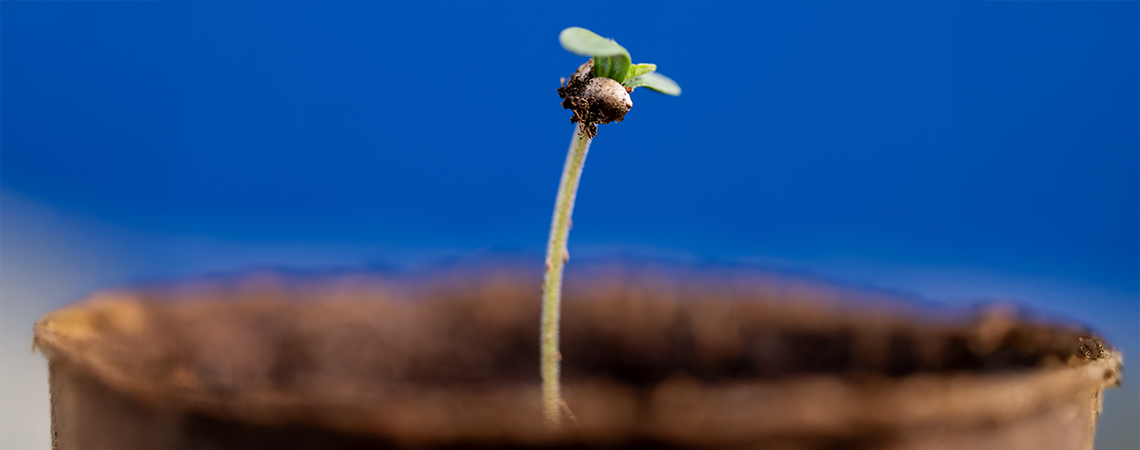



A beginner-friendly cannabis seed germination guide. Compare paper towel, soaking, and direct-to-soil methods, set the right environment, and troubleshoot issues if seeds won’t crack, stall, or develop mold.
Just bought cannabis seeds and not sure what to do next? Whether you’re a first-time grower or you simply want to tighten up your routine, this updated guide walks you through how to germinate cannabis seeds with confidence.
We’ll cover the most reliable methods, the key dos and don’ts, and the environmental basics that underpin successful cannabis seed germination. You’ll also learn how to germinate cannabis seeds while avoiding common rookie mistakes, plus what to check if you run into troubleshooting germination problems.
Why germination matters
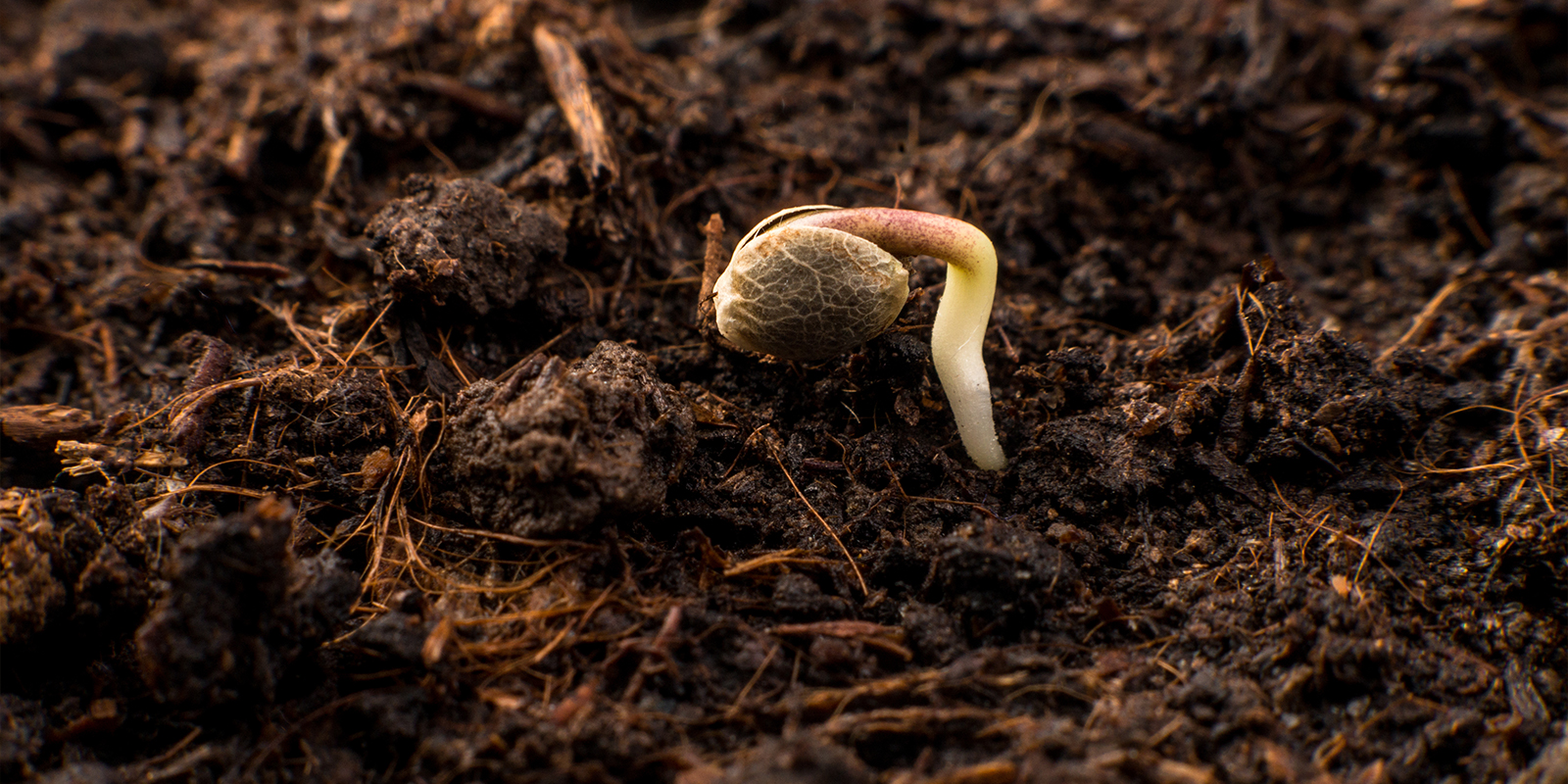
Germination is the moment your grow becomes real: a living taproot pushes out of the seed and sets the pace for everything that follows. Get this step right, and you’re starting with a vigorous seedling that can build strong roots, steady growth, and better resilience later on. Rush it or mishandle the seed, and you can end up with weak starts, slow growth, or seeds that never sprout, wasting time and genetics.
Successful germination is simple to spot. The seed cracks, a pale white taproot emerges, and it lengthens without looking slimy, brown, or snapped. Once the root is established, the seedling can be moved into its medium and begin to feed properly.
Common beginner mistakes are usually avoidable. These include over-soaking, letting seeds dry out during the process, handling the taproot with fingers, using cold or overly hot conditions, and planting too deeply. For more foundational growing advice beyond this step, see our cannabis growing guides.
How long does it take to germinate cannabis seeds?
Under ideal conditions, it takes cannabis seeds only 24 hours to germinate. And below, we’ll show you how to germinate cannabis seeds as quickly as this.
But in short, adequate moisture and warmth, paired with fresh seeds containing healthy, virile genetics, make for efficient germination. Meanwhile, fluctuating environmental conditions and poor genetics can lengthen the time it takes for a seed to germinate. In some cases, the process can take as long as five days.
Germination methods explained
There isn’t one “perfect” way to sprout a seed, just a few reliable options that suit different setups and comfort levels. Below, we’ll break down the most popular approaches to cannabis seed germination, what they’re best for, and where growers typically slip up, so you can choose the method that fits your space and routine.
Germination kit method
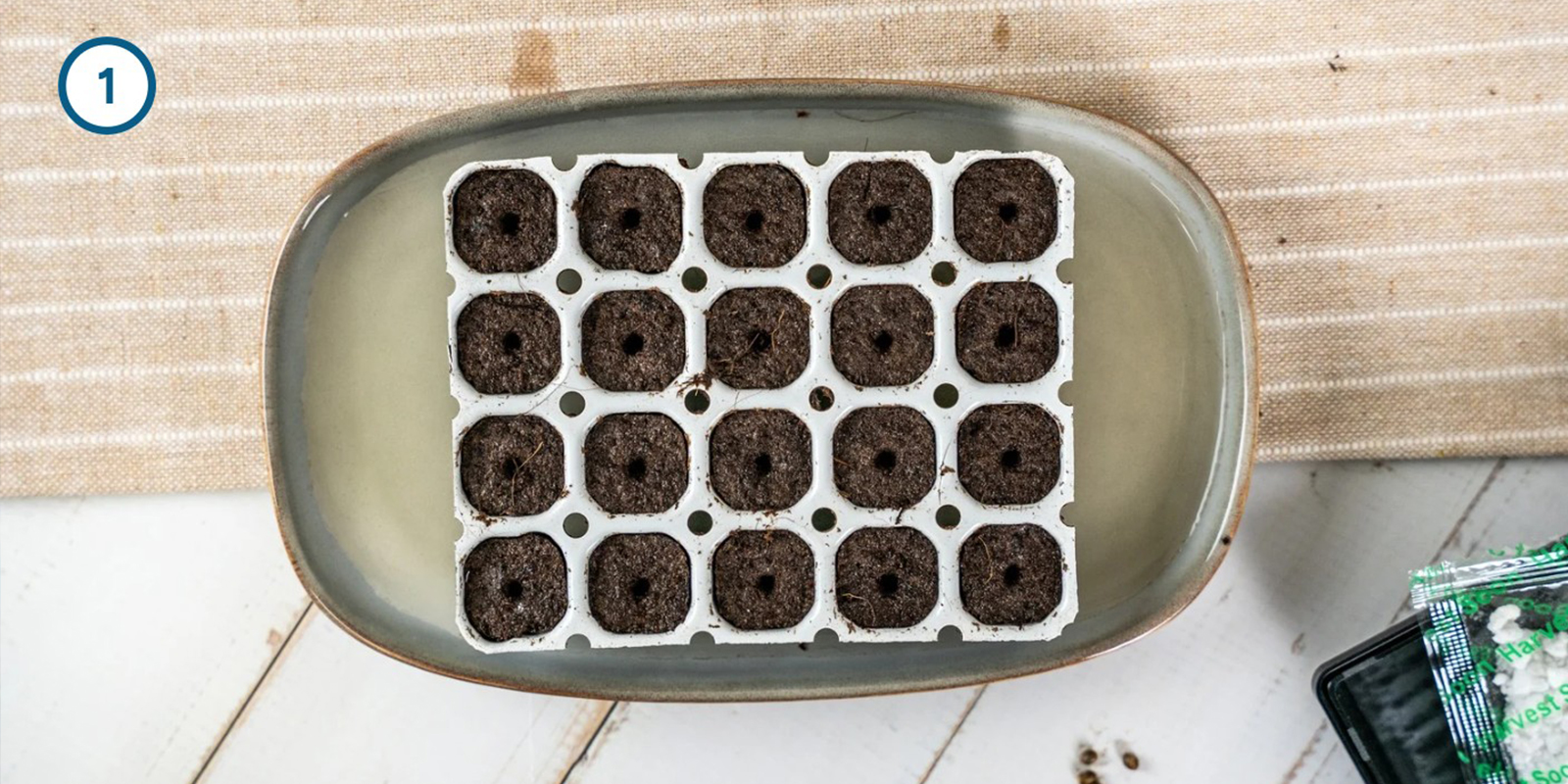
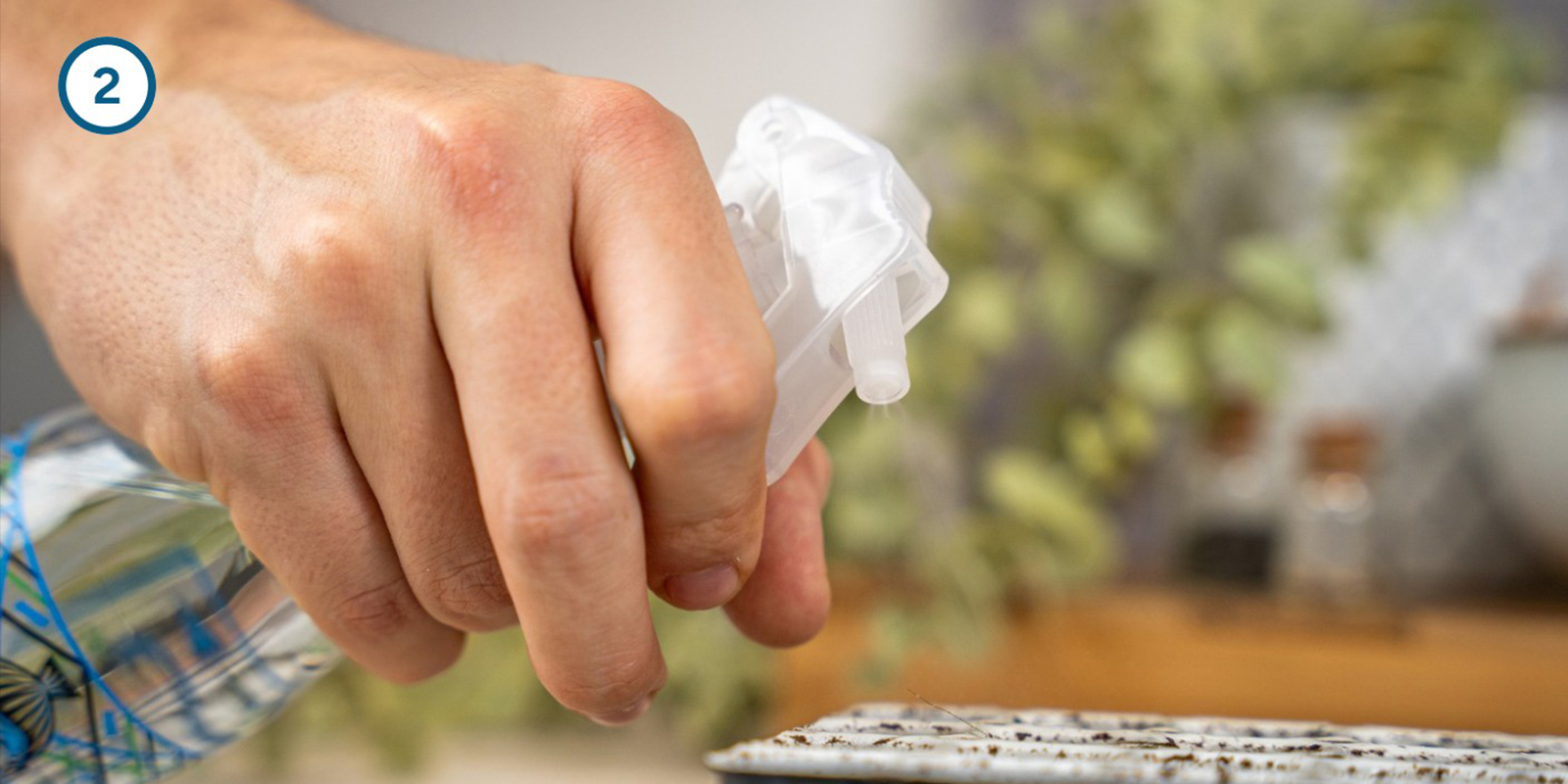
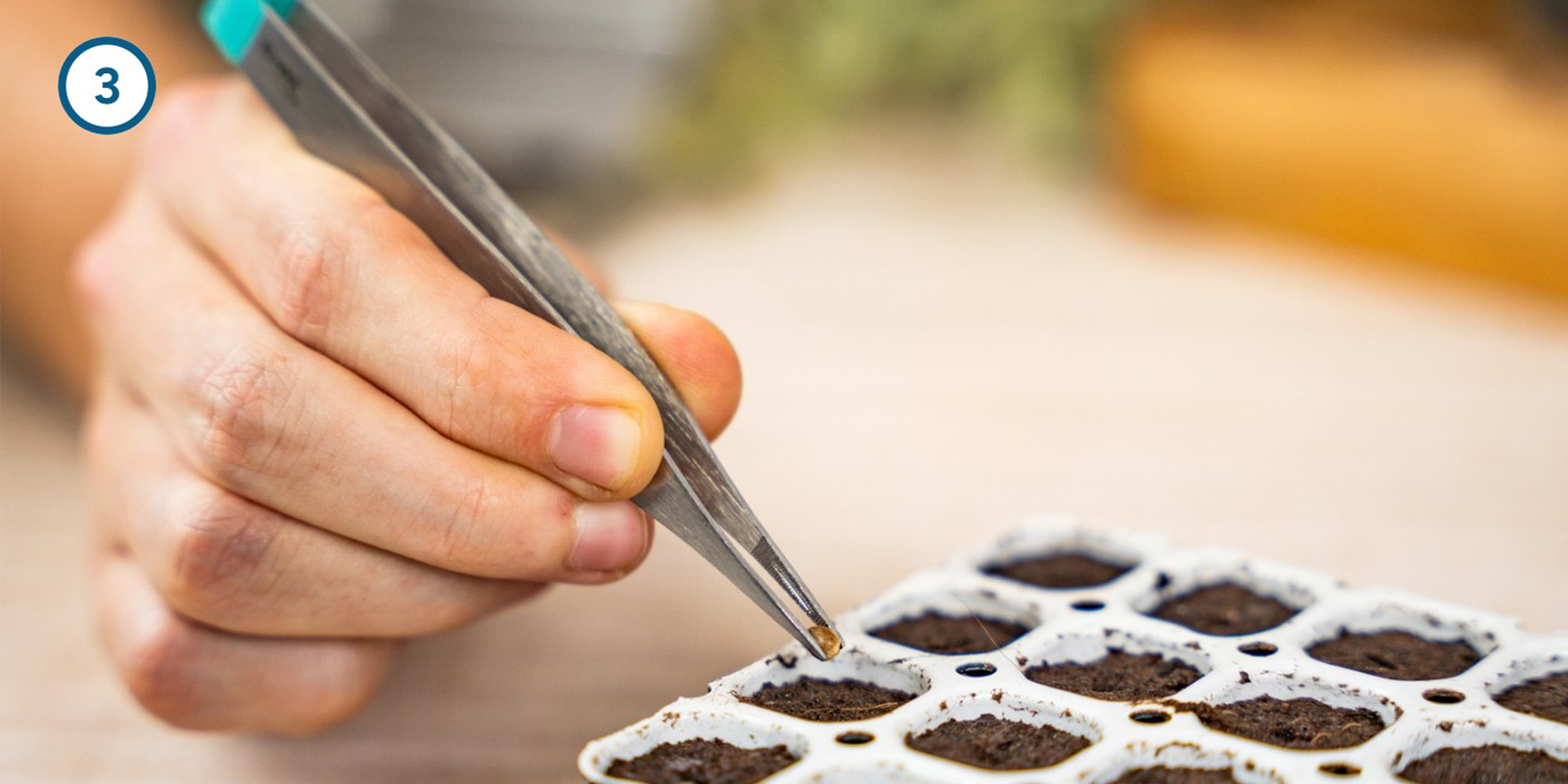
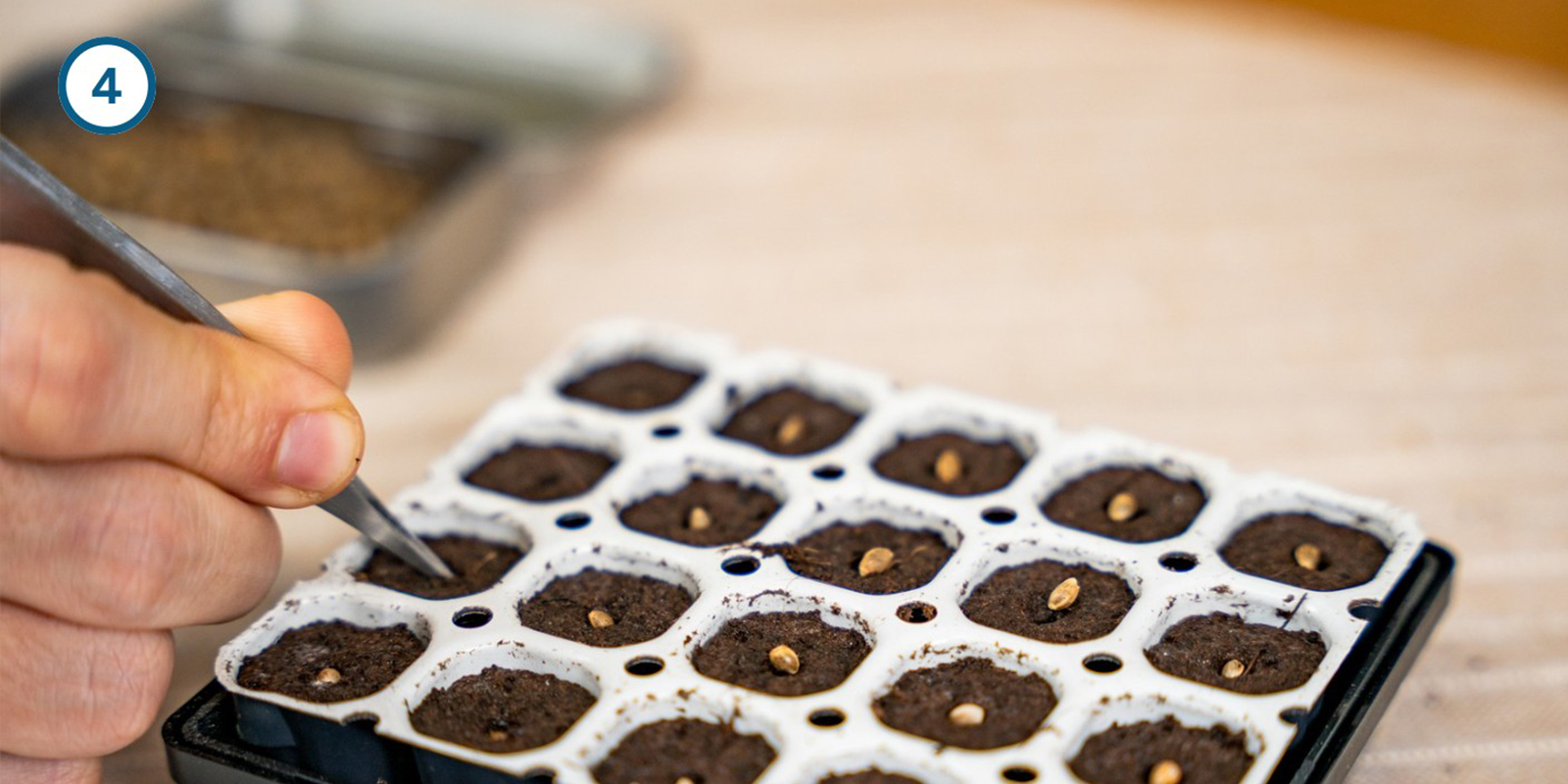
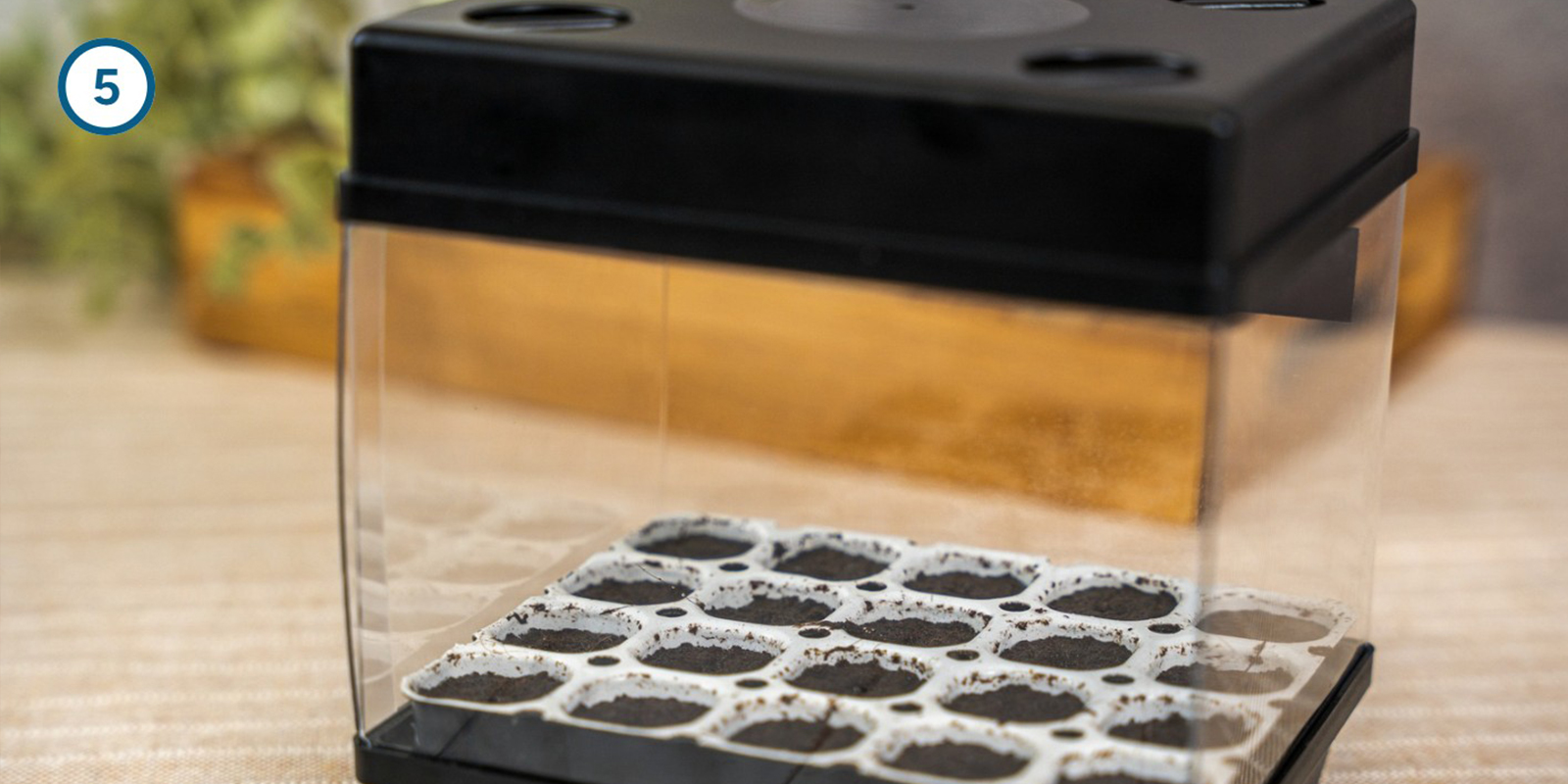
A germination kit is one of the most reliable options, especially if you want a low-fuss start. Everything is ready to use, and the kit helps maintain the optimal balance of moisture and airflow, two factors that beginners often struggle to balance.
- Wash your hands and set the kit up on a clean surface.
- Moisten the starter plugs so they’re damp, not dripping.
- Place one seed into each hole at the recommended depth, then gently close the plug.
- Put the plugs in the tray, close the lid, and keep the kit somewhere warm and stable.
- Check daily for moisture and signs of a taproot/seedling, then transplant once the sprout is established.
Direct-to-soil method
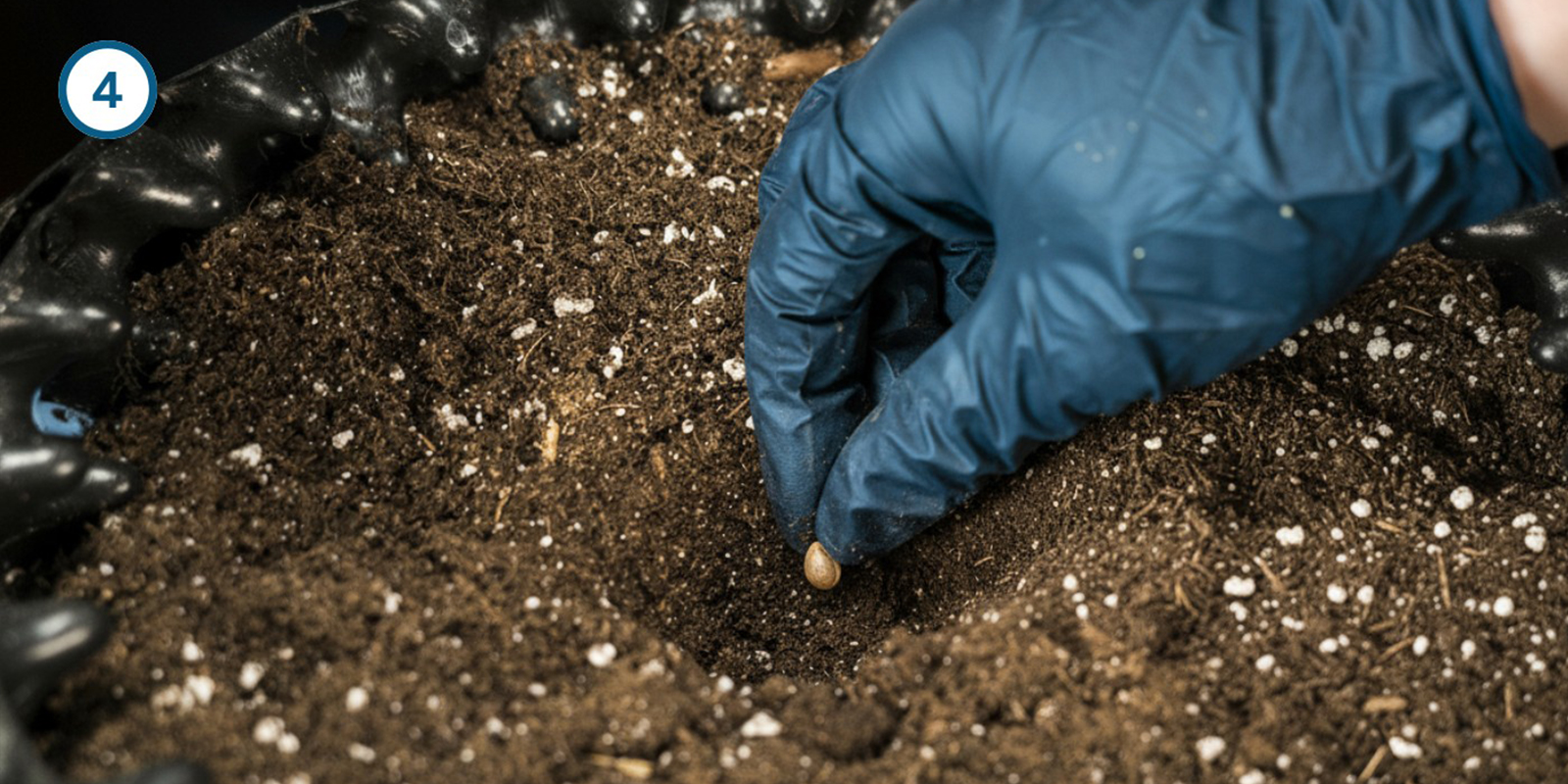
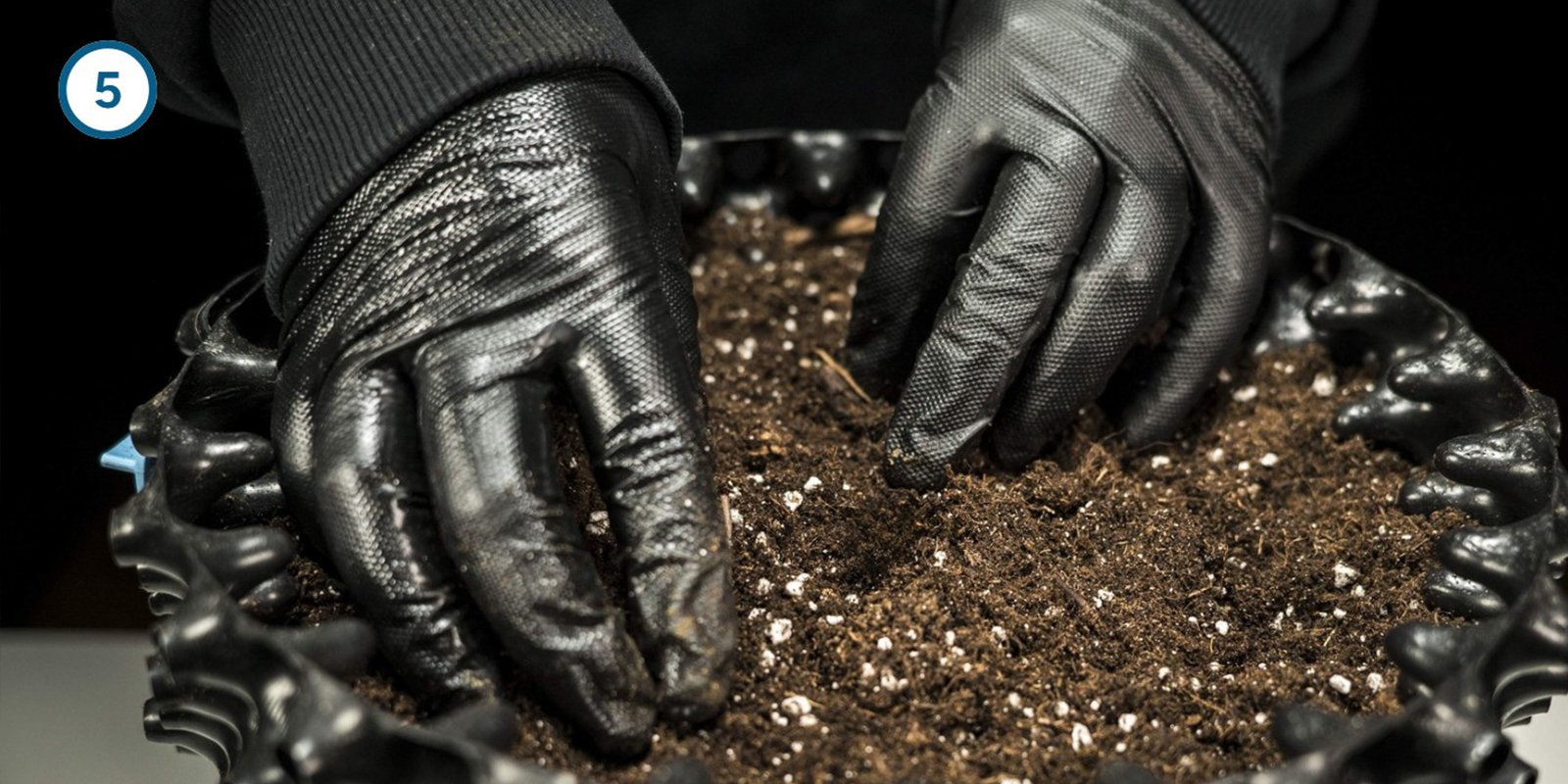
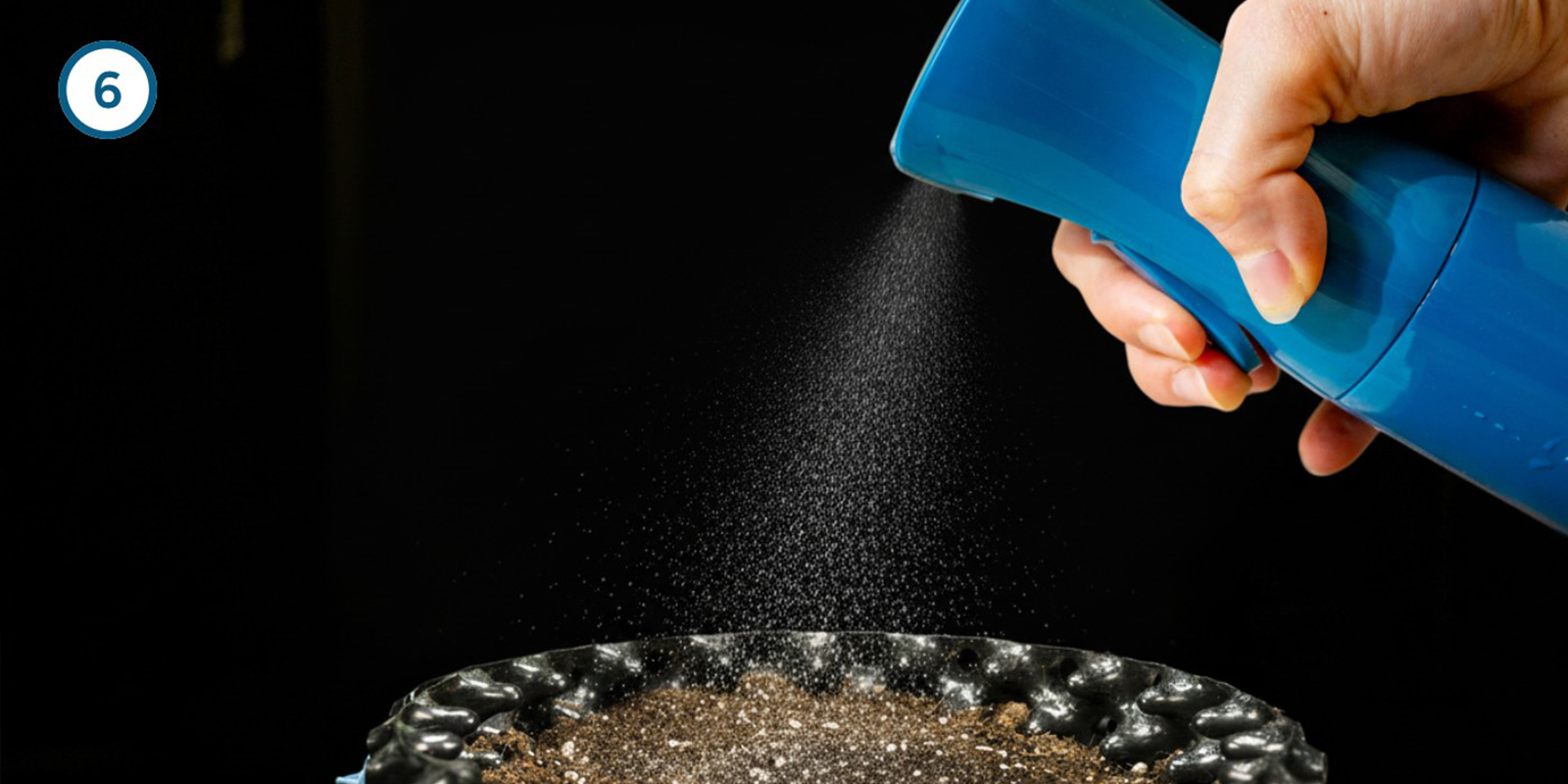
Germinating directly in soil is the most natural approach and reduces handling stress later on. The seed sprouts exactly where it will grow, which means there’s no need to move a fragile taproot between stages. This method works best when your environment is already dialed in, as soil moisture and temperature need to stay consistent.
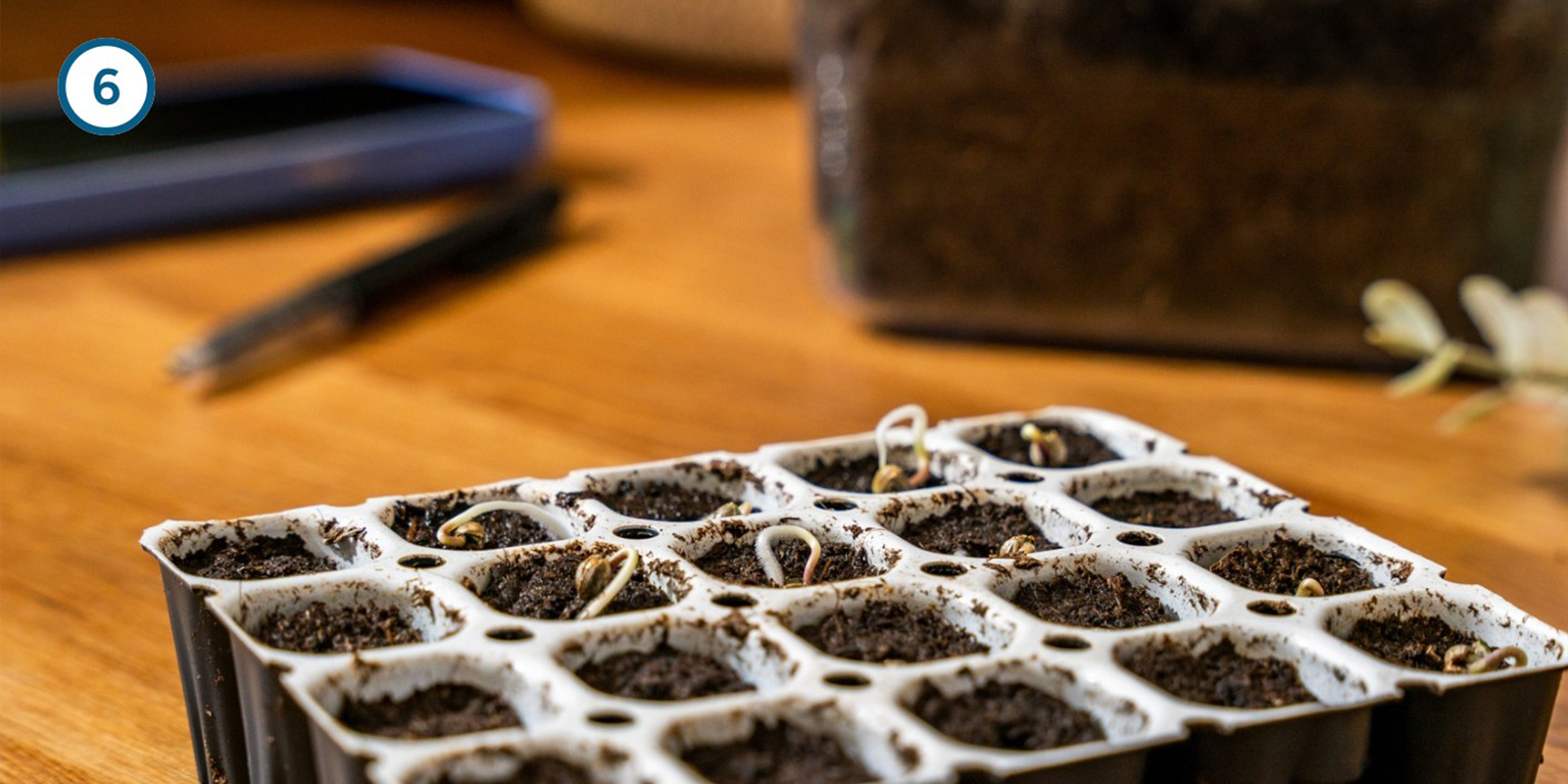
Some growers prefer to sow into module trays and transplant their seedlings later down the line, whereas others prefer to sow directly into the plant’s final pot. The latter method works best for beginners and small-scale growing operations.
Use a light, well-aerated growing medium and avoid compacting it. Soil that’s too dense or waterlogged can slow germination or cause the seed to stall before breaking the surface.
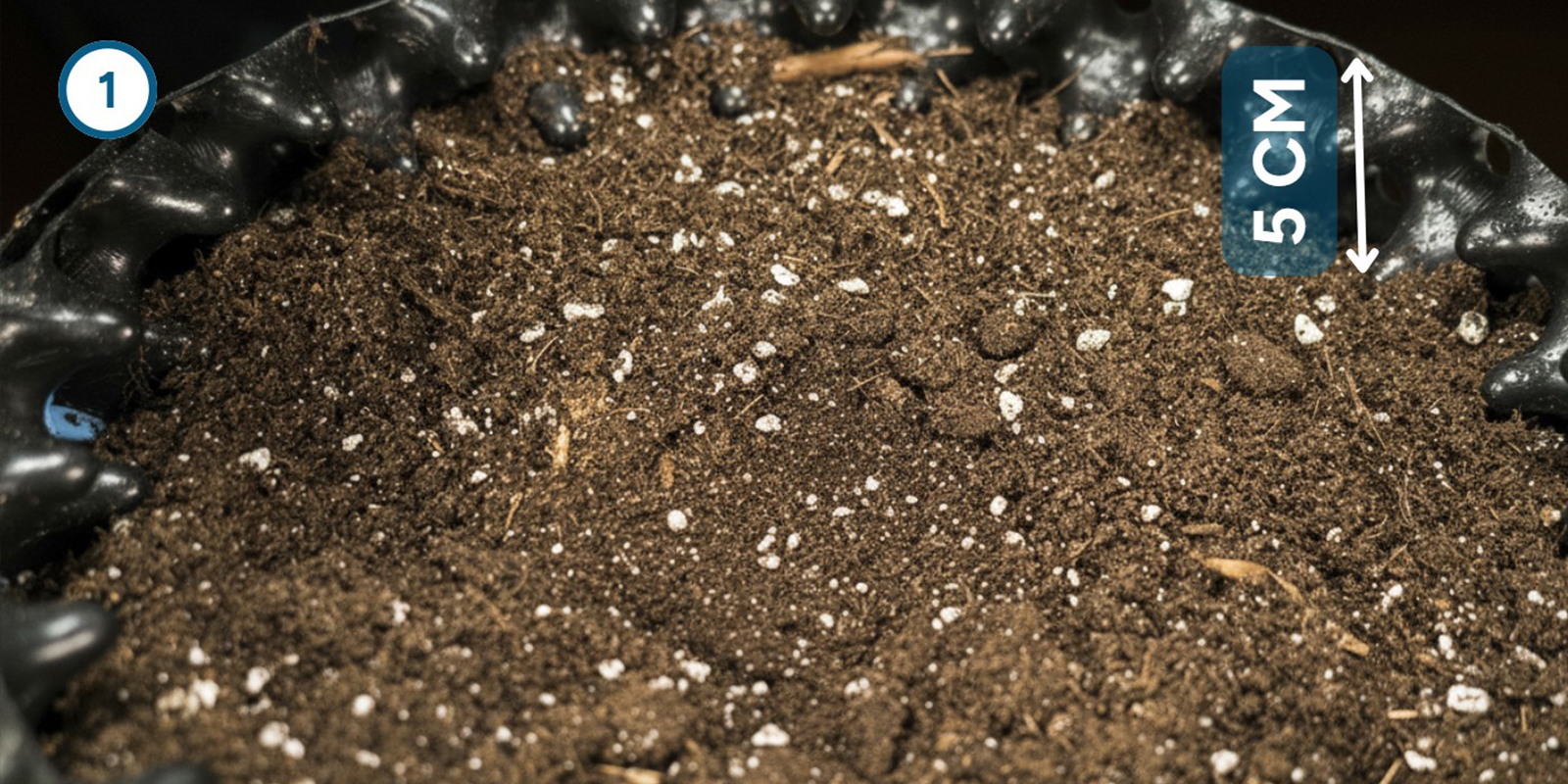
- Fill your pot close to the rim with soil, leaving around 2 inches of empty space between the surface of the soil and the rim.
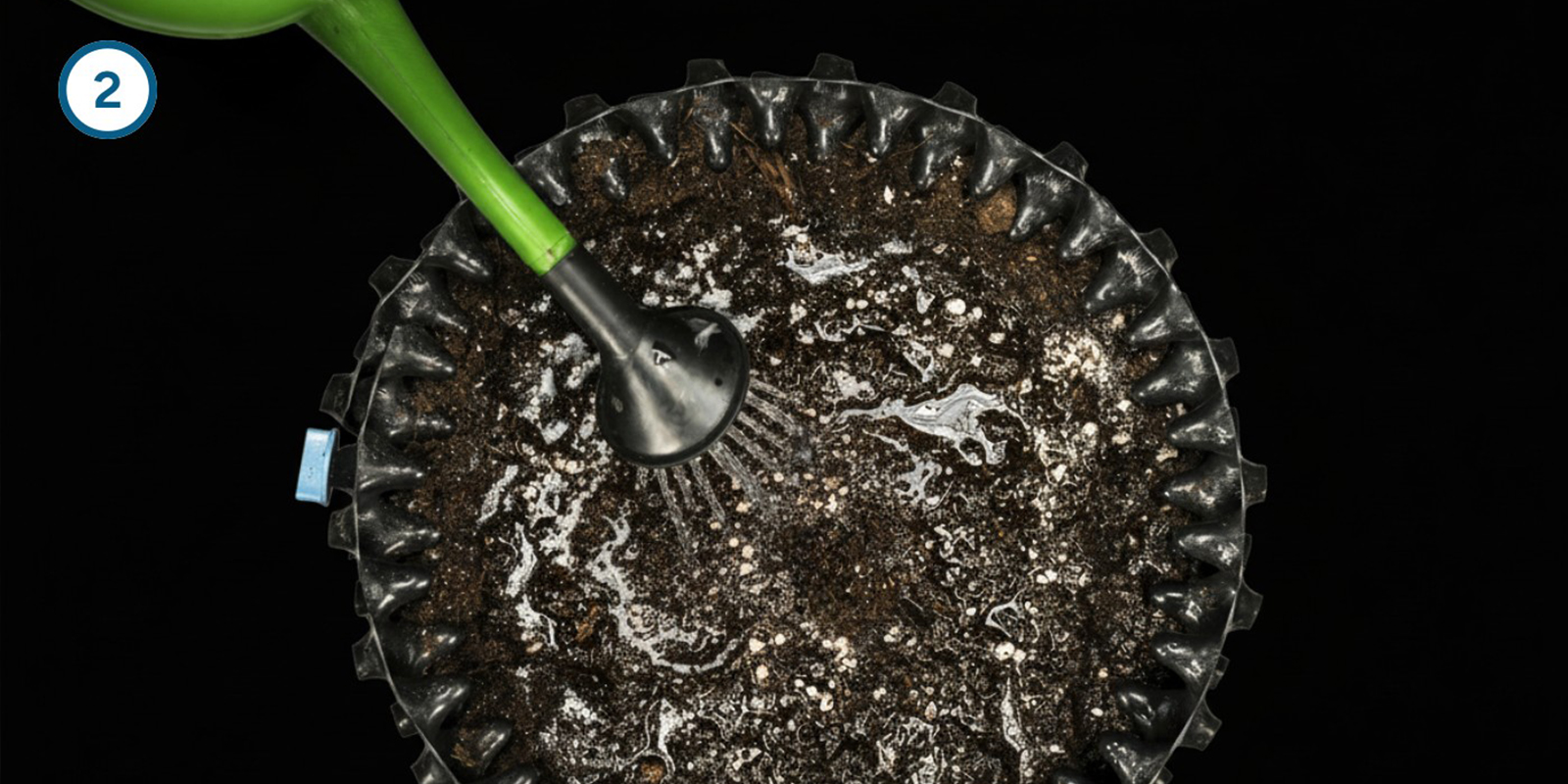
- Water your soil thoroughly up to the saturation point.
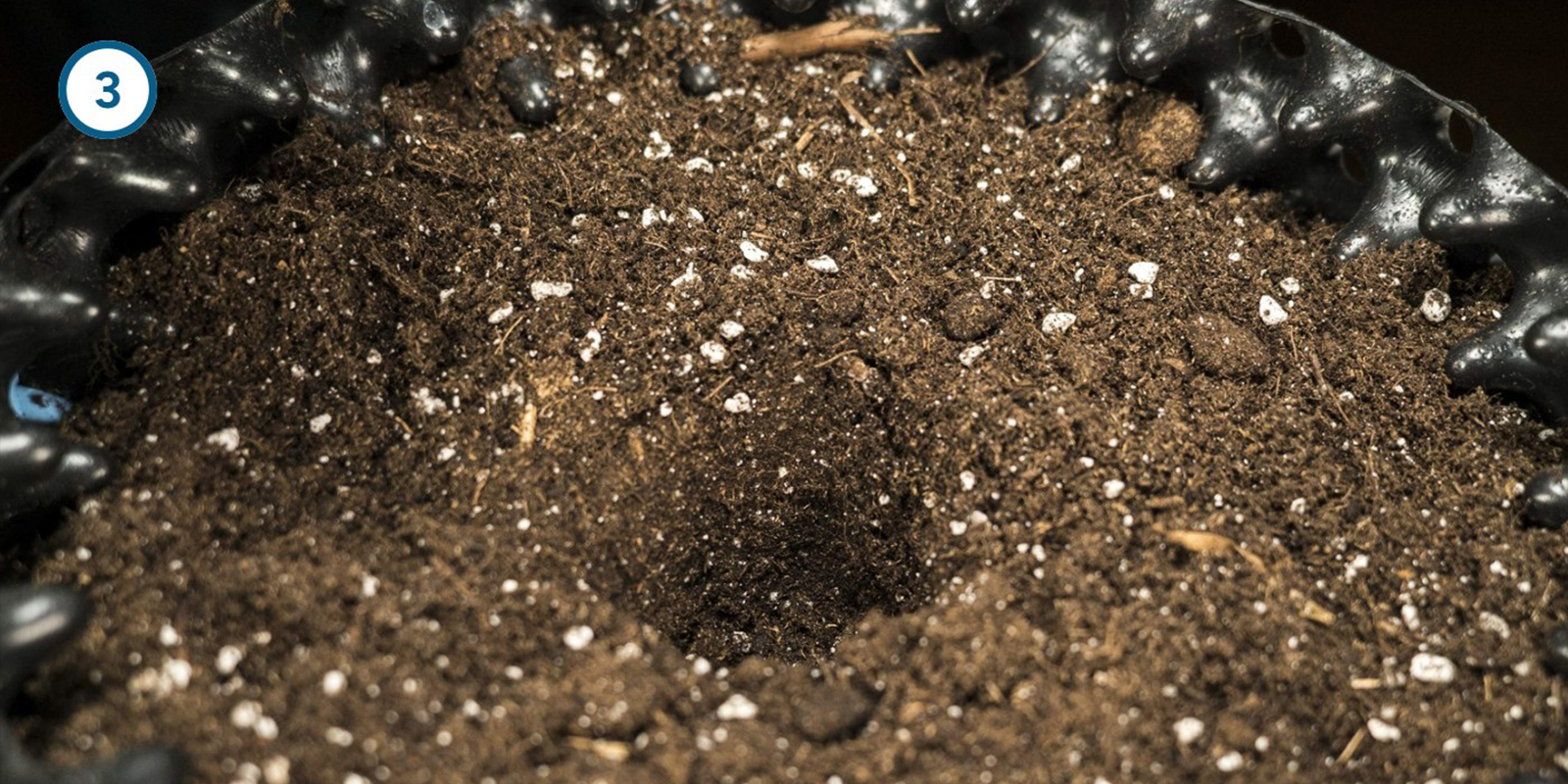
- Make a small hole in the middle of the surface of the soil, around 0.4–0.6 inches deep.
- Place your seed into the hole.
- Lightly cover the hole with loose soil and mist well.
- Continually mist over the next few days to keep your seed hydrated and the soil moist.
Paper towel method
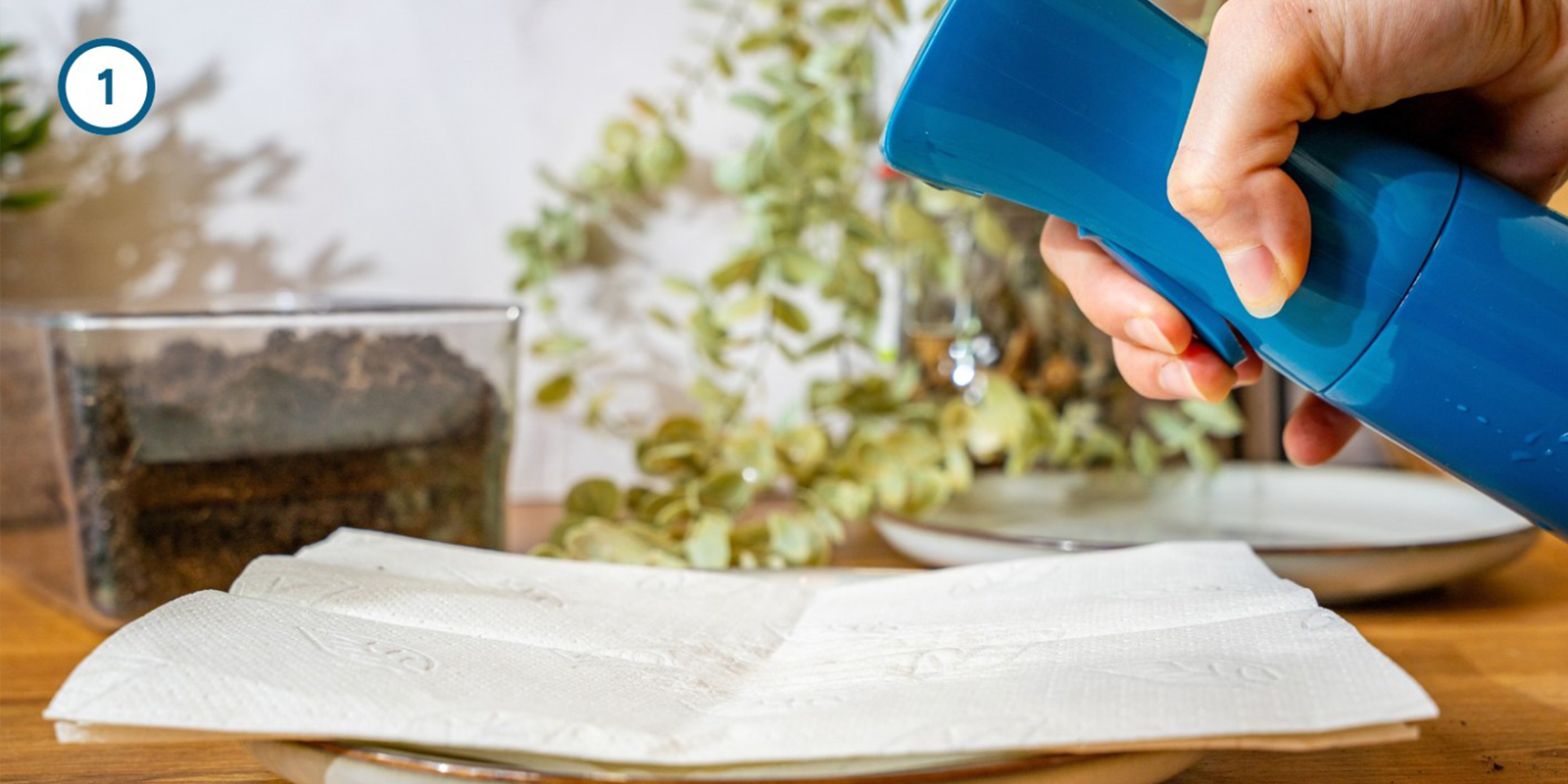
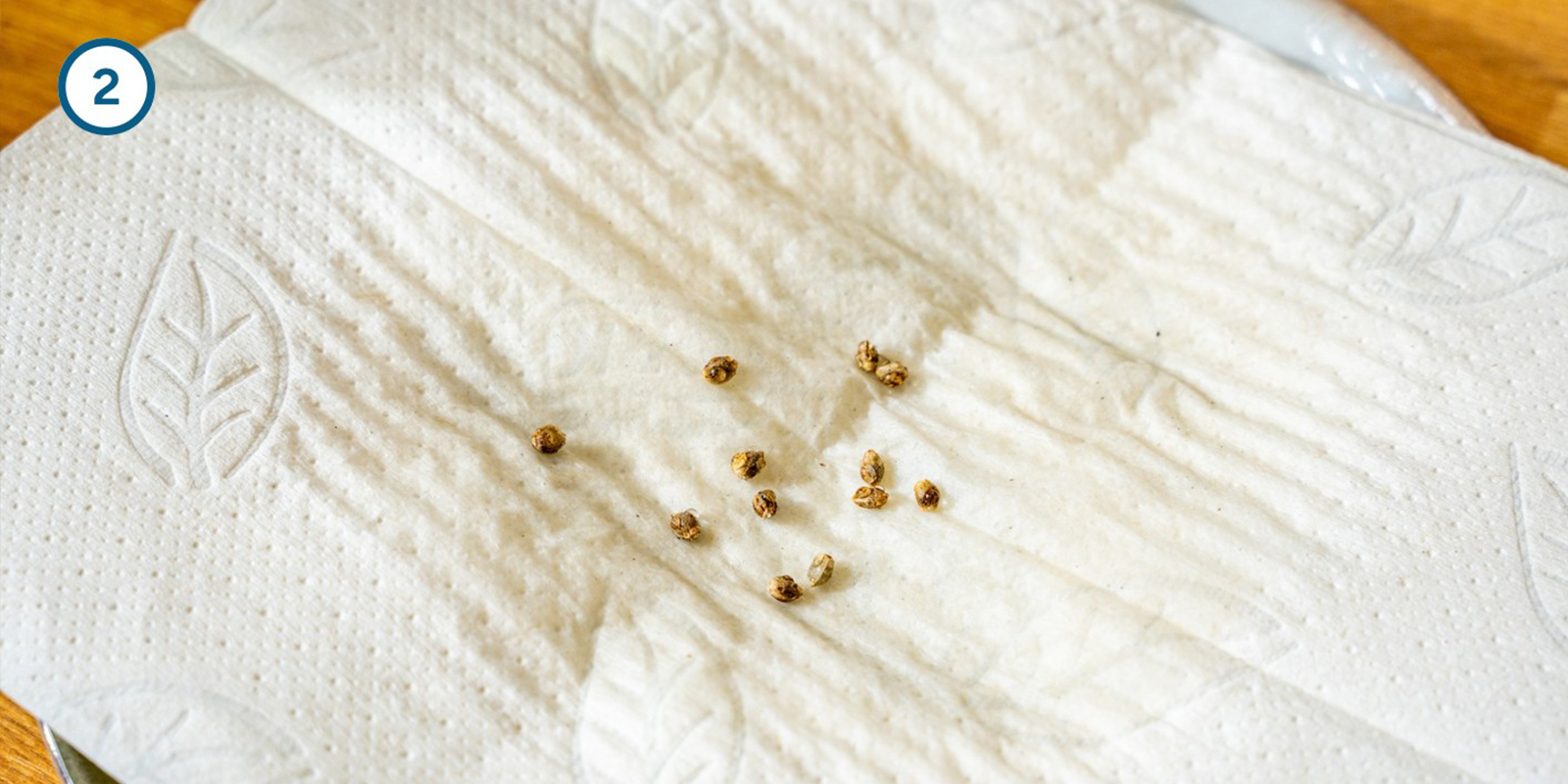
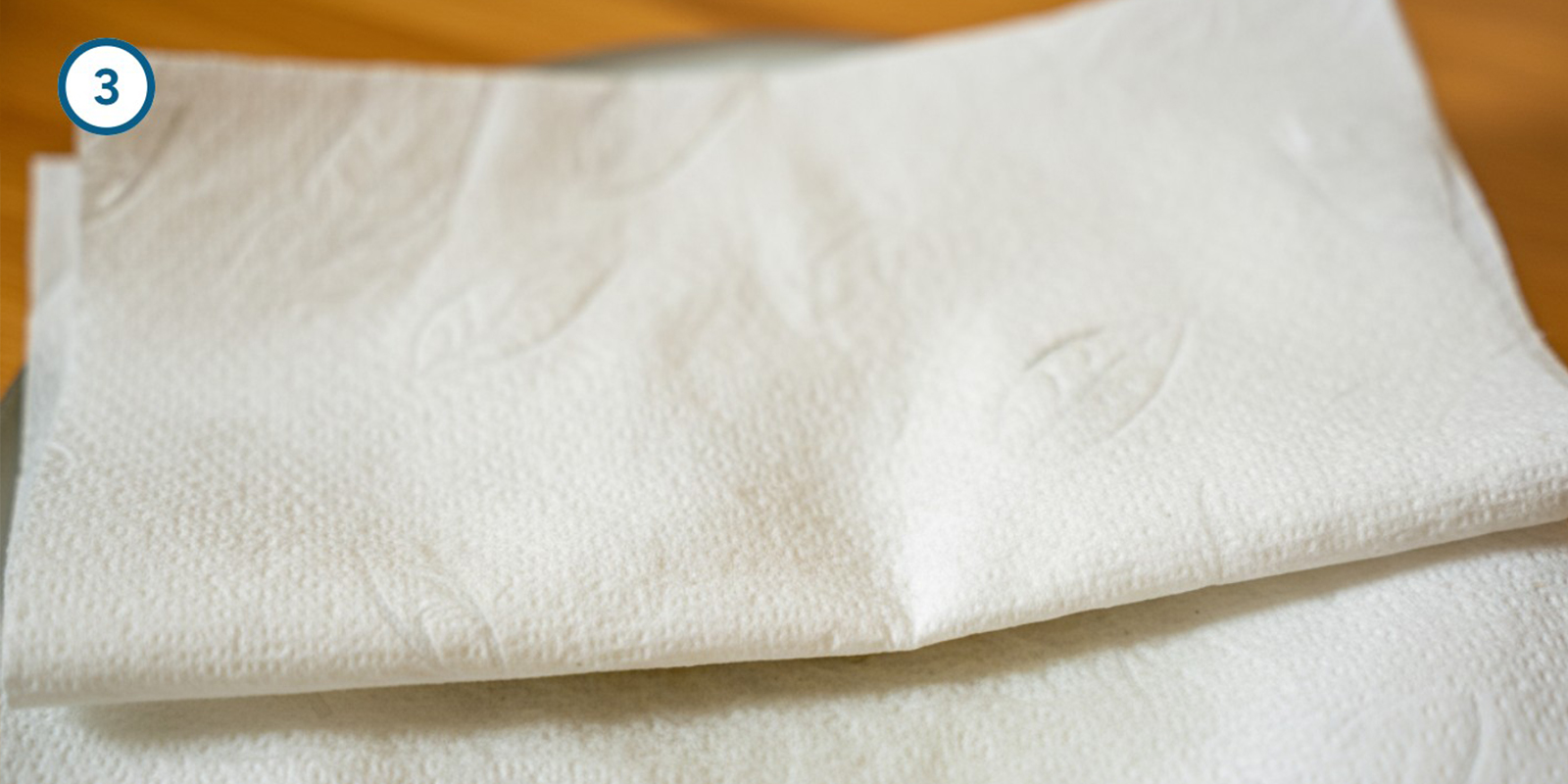
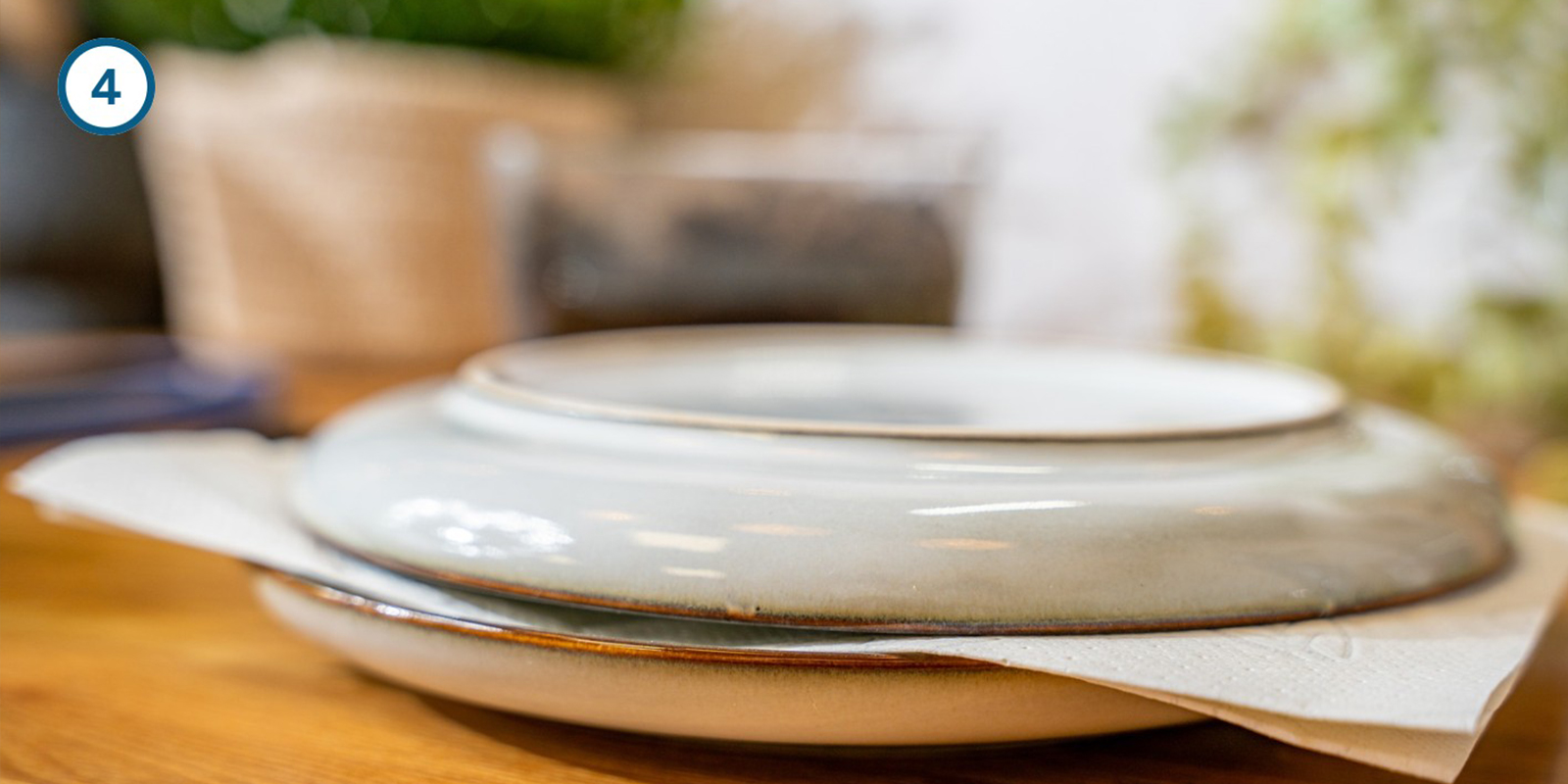
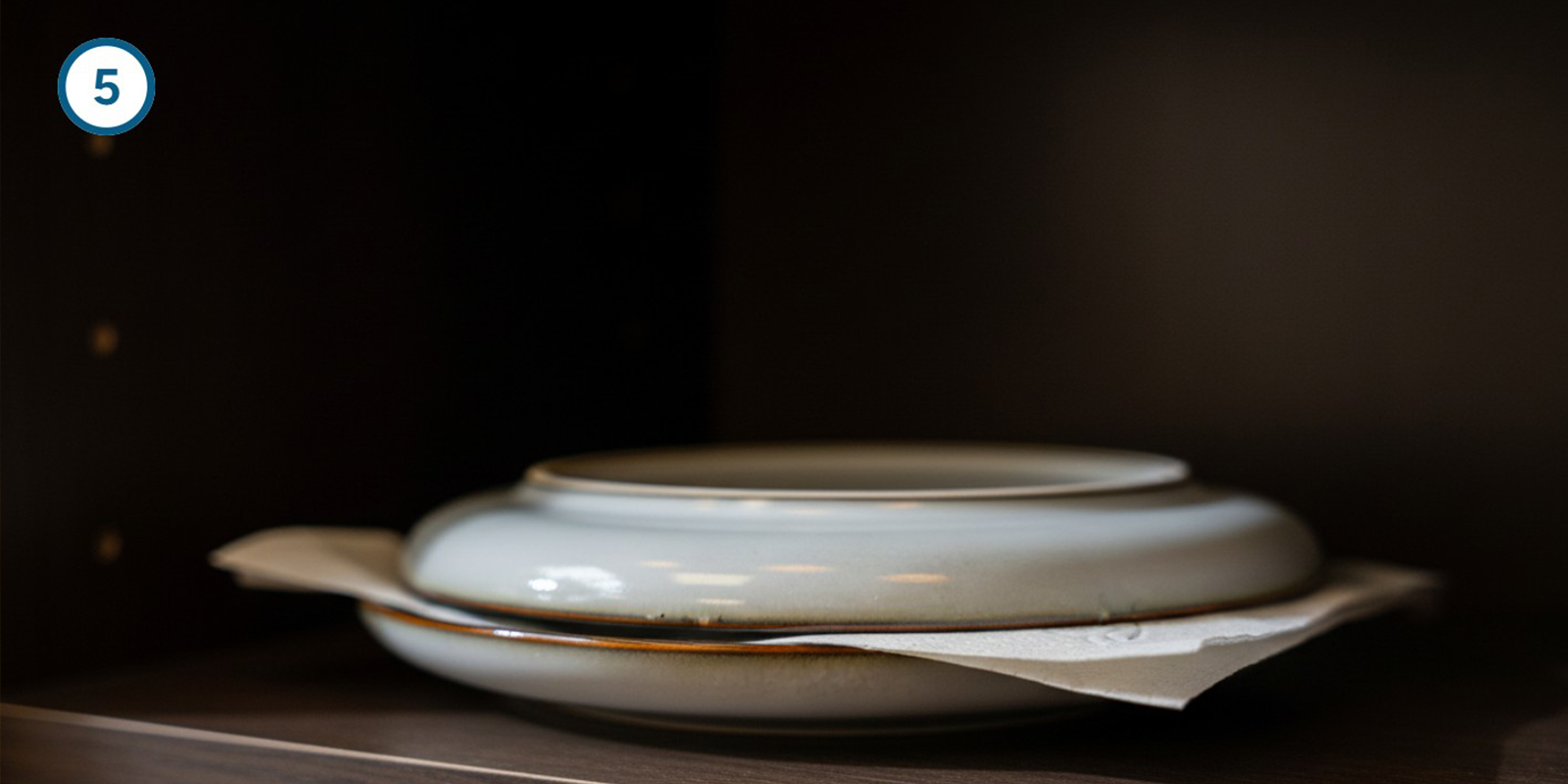
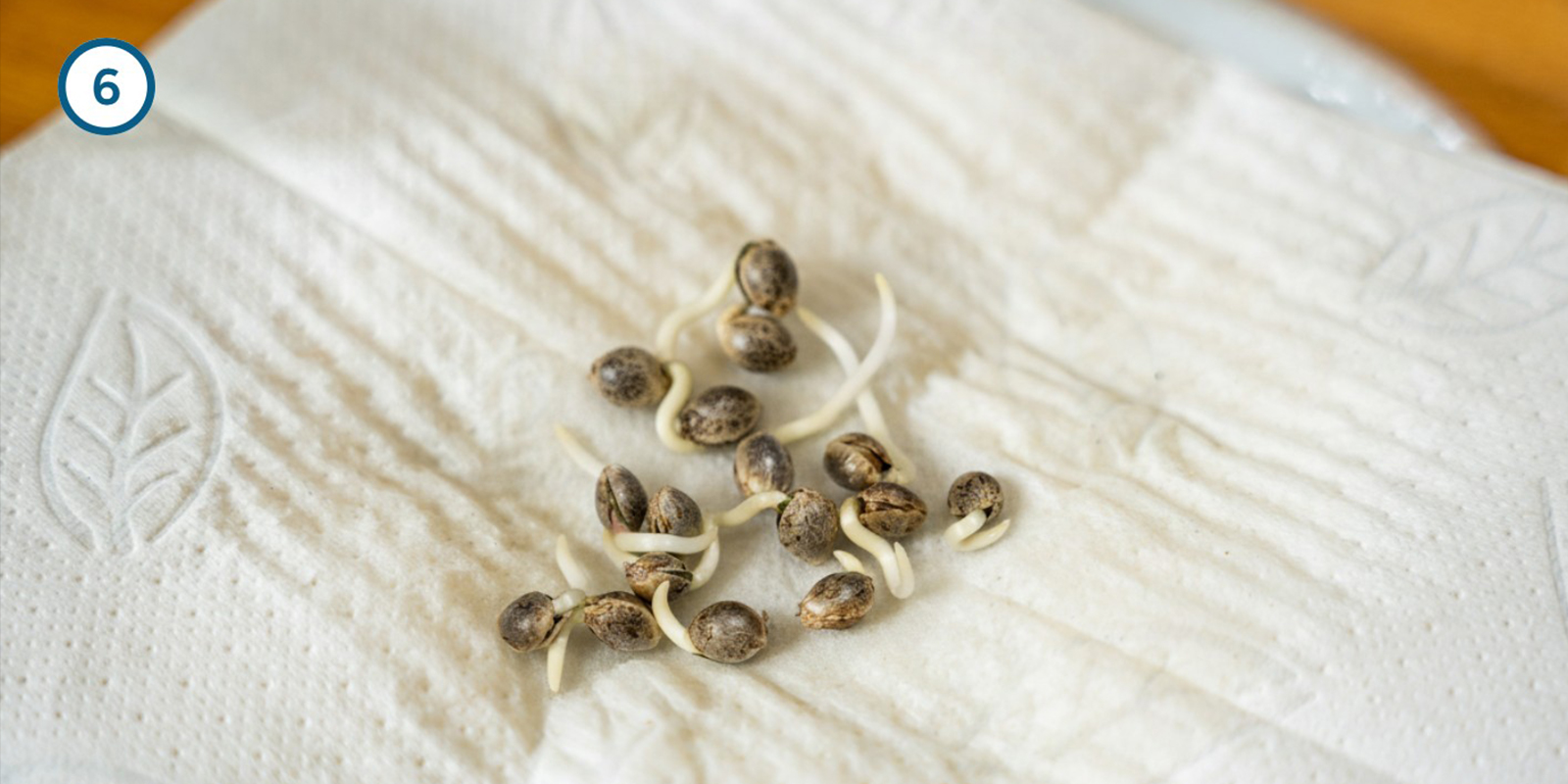
A classic method is to germinate seeds wrapped in a wet paper towel. However, this method is not so reliable, so here we'll explain a slightly modified version. Unless you're going to transplant into an inert medium, we'd probably suggest a different method for this, even if it can occasionally be useful.
You’ll need two clean plates (or a food container), paper towels, water, and tweezers. Done carefully, the paper towel method is very reliable because you can monitor progress without disturbing the seed, just don’t let it dry out or sit in pooled water.
- Moisten paper towels until damp, then place one on a plate.
- Set seeds on top with a little space between them, then cover with a second damp towel.
- Cover with the second plate/container to keep humidity in.
- Store somewhere dark and warm (around 72–79°F) with high humidity inside the container.
- Check once per day; re-moisten if needed.
Move to soil when the taproot is visible and roughly 0.5 inches long, handling the seed by the shell, not the root.
Water soak method
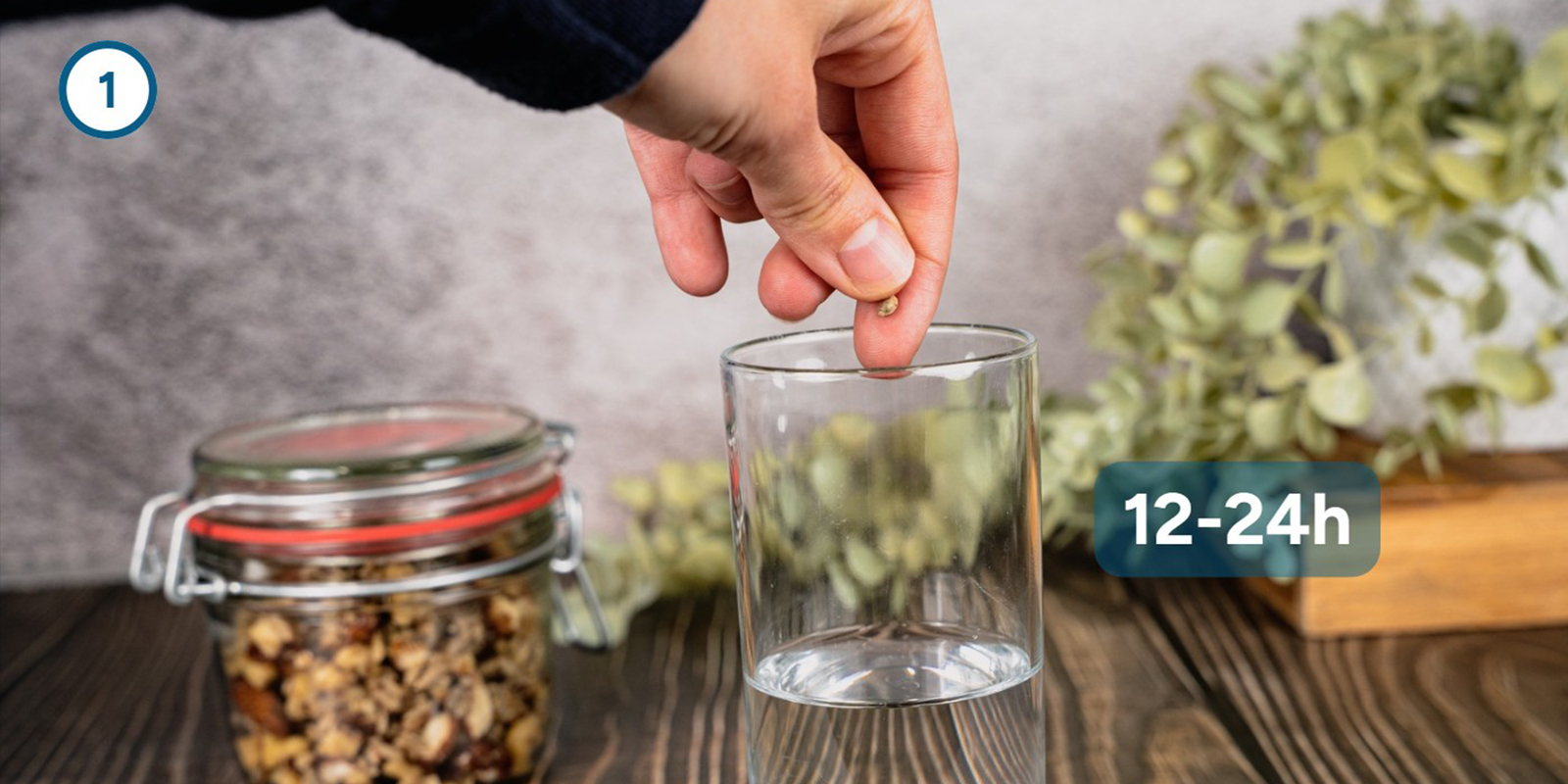
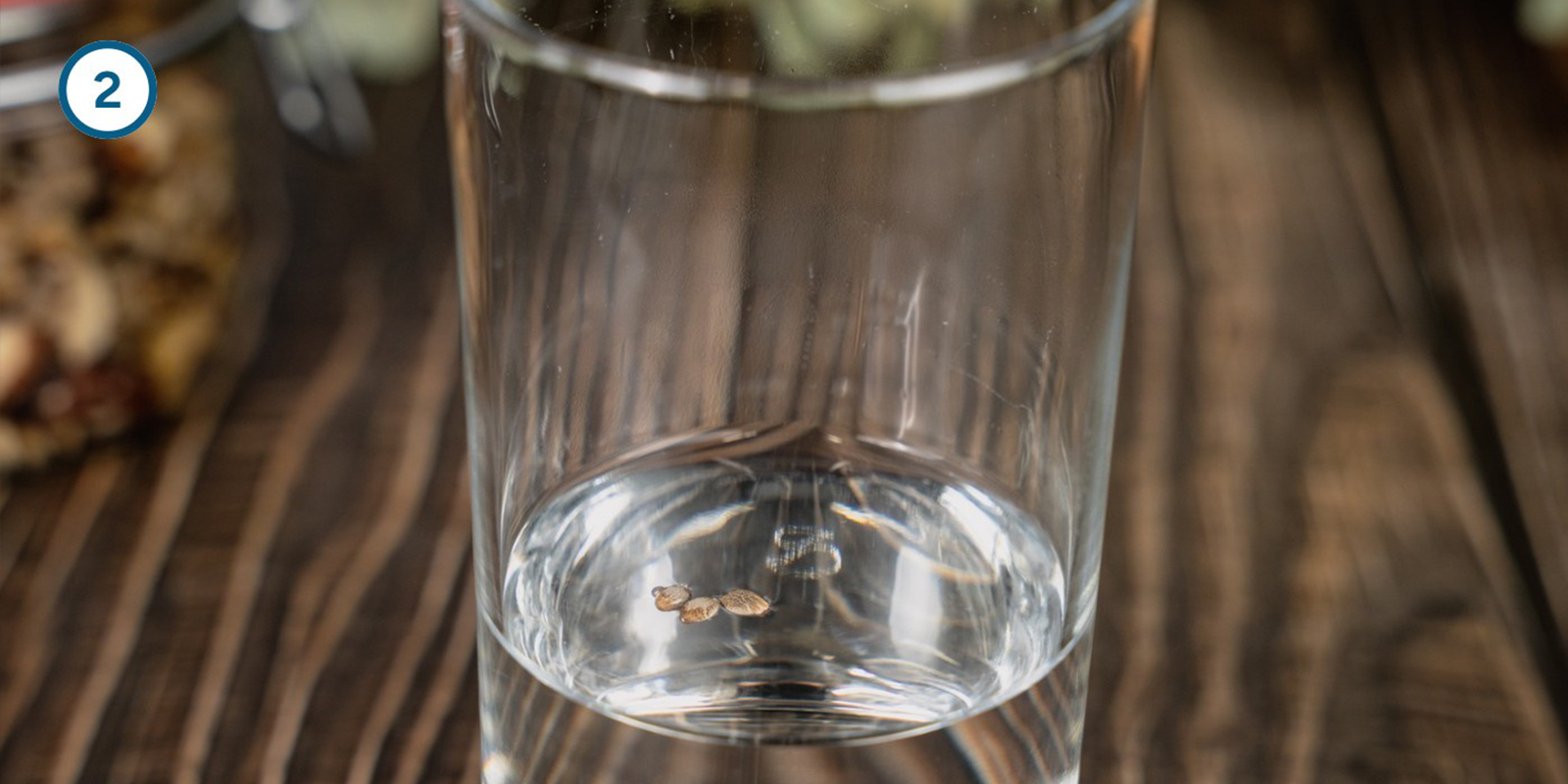
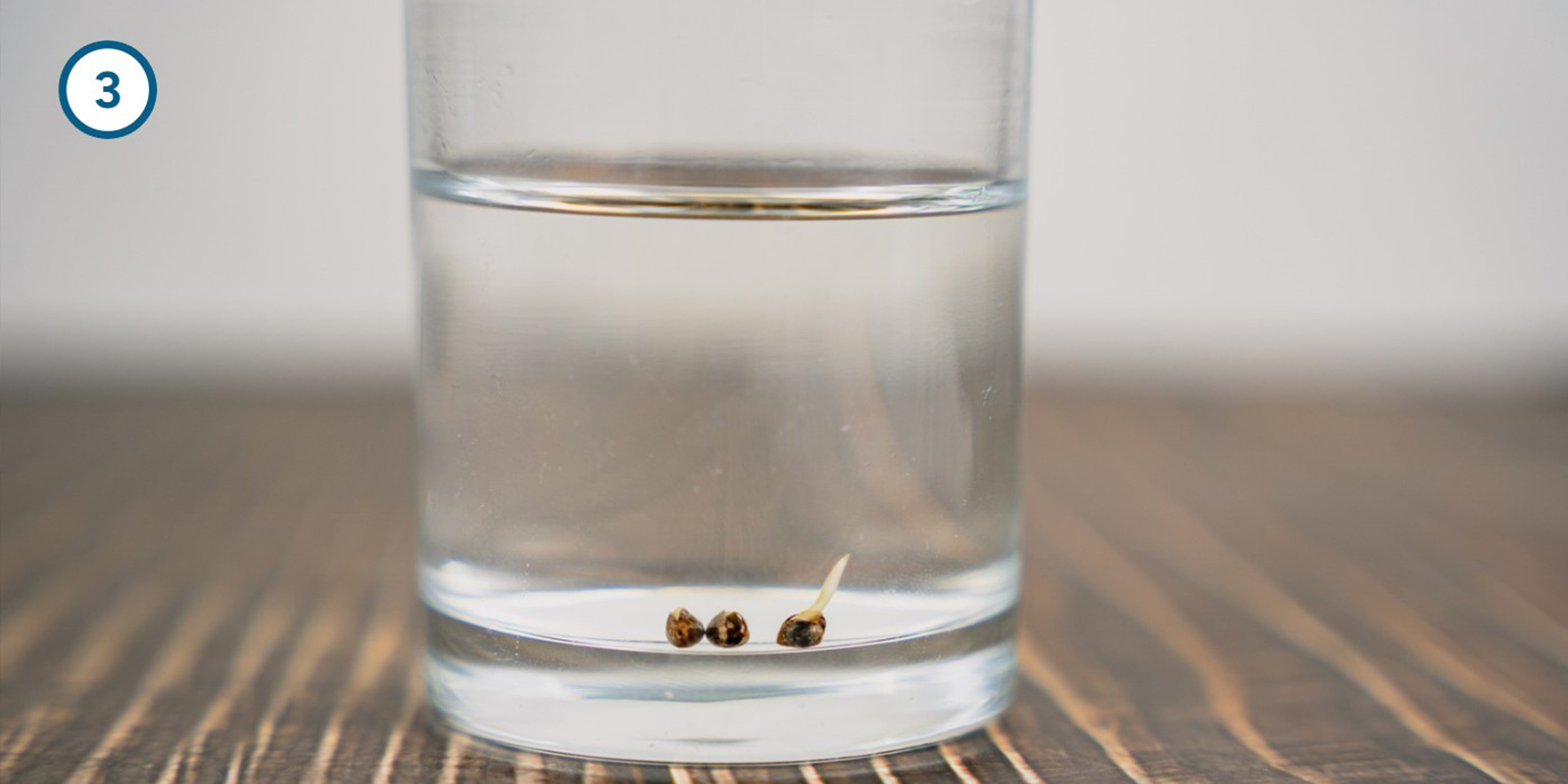
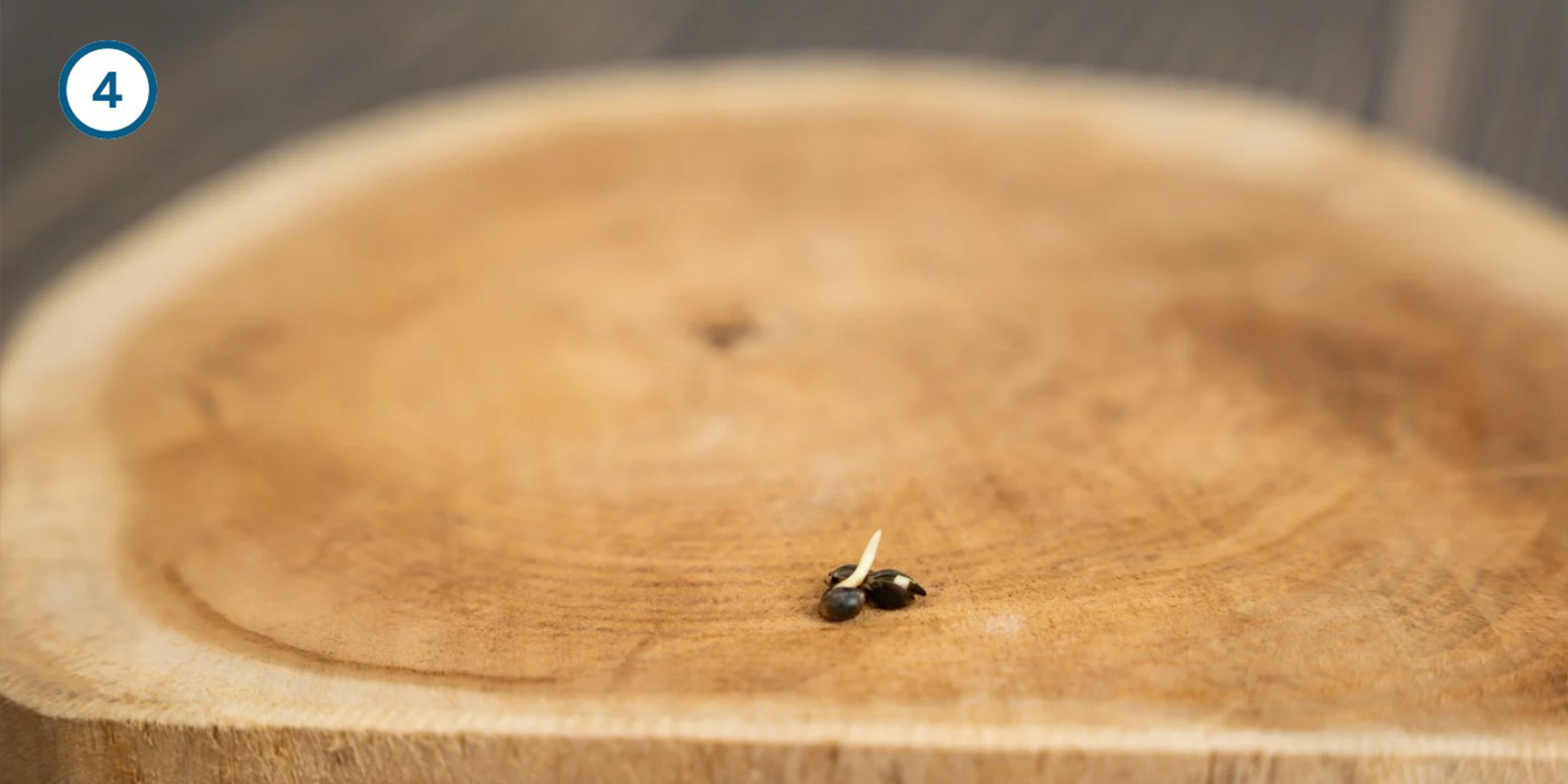
A short soak can be helpful for older seeds, or if you want a quick viability check before committing space in your trays. It’s straightforward, but timing matters—leave seeds too long and you risk starving them of oxygen.
Use a clean glass of room-temperature water and gently drop the seeds into it. Most will crack within 12–24 hours; avoid soaking for more than 32 hours in total.
What you’re looking for before planting is a split shell and, ideally, the first sign of a tiny white taproot. Some seeds may sink once they’ve absorbed water, but sinking alone isn’t a guarantee. As soon as the seed cracks (or the taproot appears), move it carefully into moist soil or a starter plug, pointy end down, and keep it warm and lightly humid.
Troubleshooting germination problems
When a seed doesn’t pop, it’s usually down to conditions rather than bad luck. Most failures result from moisture being out of balance or the environment being outside a comfortable range for early growth.
- Overwatering: Seeds need moisture and oxygen. If paper towels are swimming or soil is soggy, the seed can suffocate. Aim for damp, not dripping, and improve airflow (without blasting it).
- Underwatering: Letting a towel dry or the soil crust over can kill the emerging taproot fast. Maintain a steady moisture level and check at least once daily.
- Temperature issues: Too cold slows everything down; too hot can damage the embryo. A stable, gentle warmth works best.
- Mold or rot: If you see fuzzy growth or smell sour, remove the seed, clean the container, and restart with fresh materials. Don’t transplant moldy seeds into soil.
As a rule of thumb, if there’s no crack or progress after 7–10 days in good conditions, it’s usually time to call it and start a fresh one.
Optimal conditions for germination
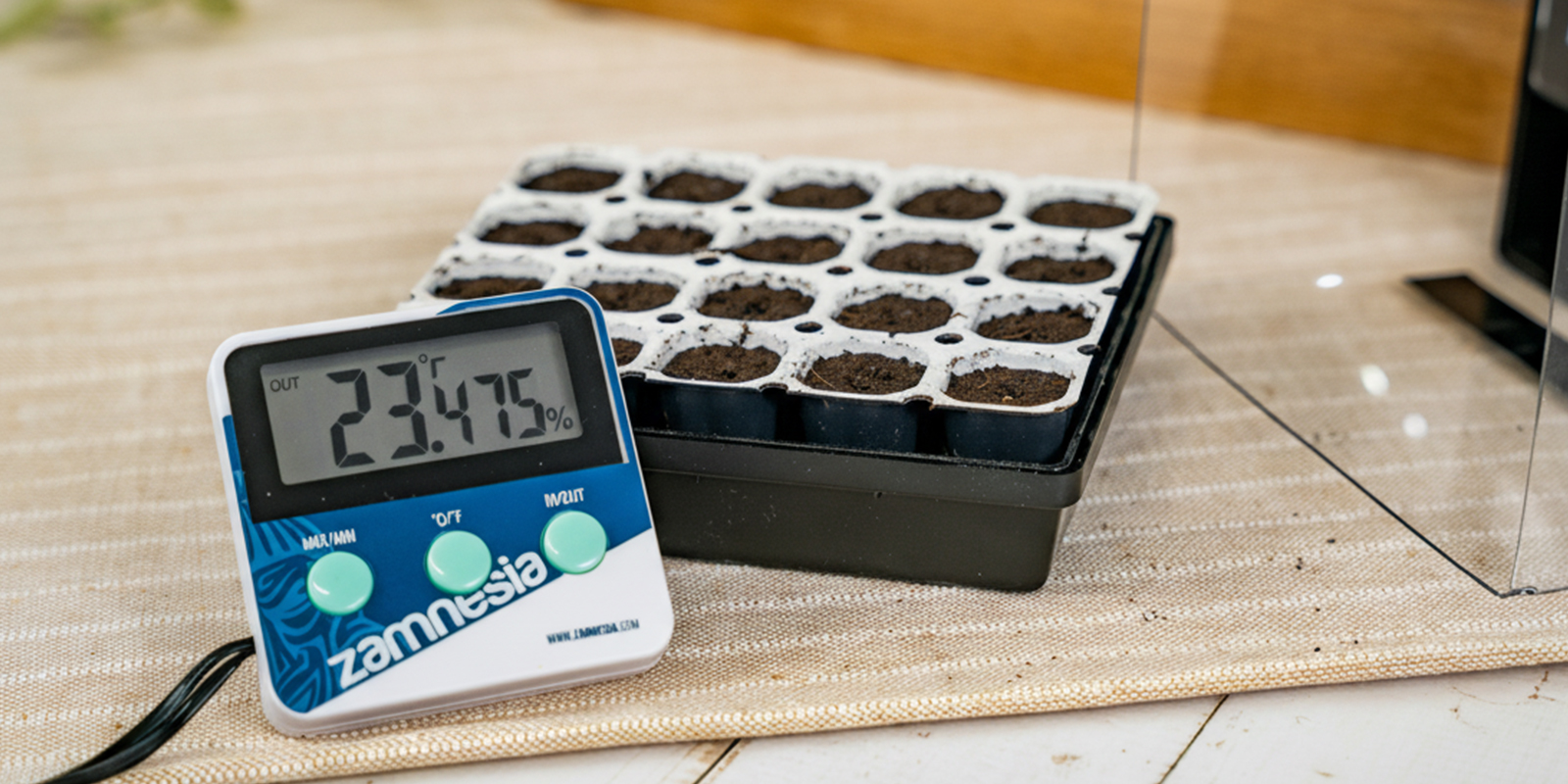
To get consistent results, focus on stability. Seeds don’t need much, but they hate big swings in their environment, especially in the first few days.
- Temperature is the primary driver. Aim for 68–77°F in the germination area; if you need more detail, see our guide to grow room temperature. If your room runs cool, a heat mat beneath the tray can help, but keep it gentle so you don’t cook the medium.
- Humidity should be high (around 70–90%) to stop paper towels or topsoil from drying out. A humidity dome or loosely covered container is a simple solution; open it briefly once a day to let in fresh air.
Light isn’t essential until the seedling breaks the surface. For most methods, dark or low light is fine, then move to soft light once you see green growth.
Germinating autoflowering seeds
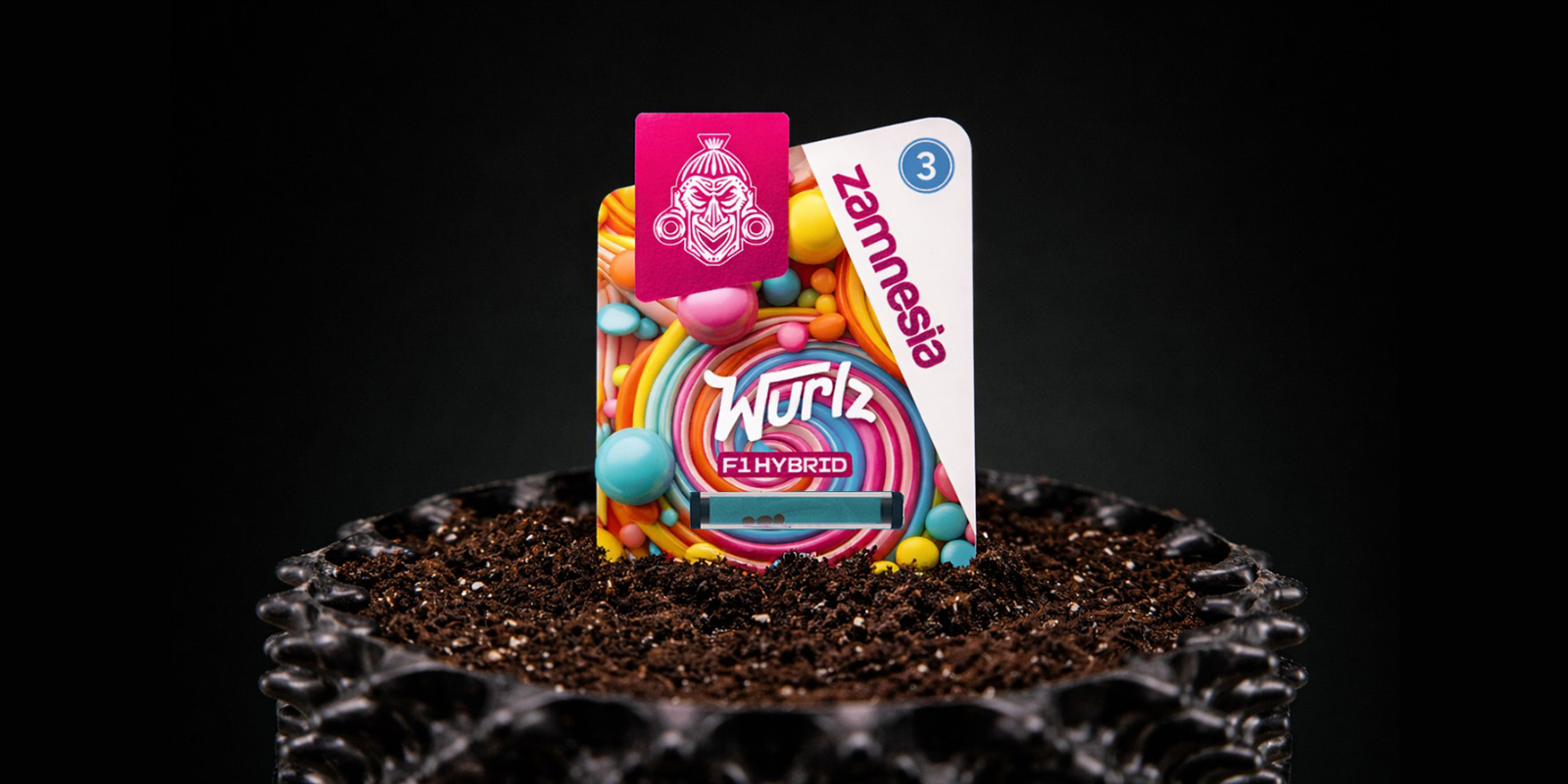
Autoflowering seeds germinate much like photoperiods, but the big difference comes immediately after: autos have a fixed, fast lifecycle, so that any early setback can follow them for the rest of the grow.
That’s why timing and handling matter. Once the seed cracks and the taproot appears, please place it in its final container as soon as possible, and avoid unnecessary transplants. Many growers prefer the direct-to-soil approach for autos, or a very gentle paper towel routine followed by planting into the finishing pot.
Keep conditions steady and don’t “fuss” over them: consistently warm, lightly humid, and evenly moist is the goal. If you’re planning an indoor run, it’s also worth thinking ahead about the full schedule and space, as plants can grow from seed to complete maturity quickly. For more practical pointers, see our autoflowering growing tips guide.
From germination to seedling
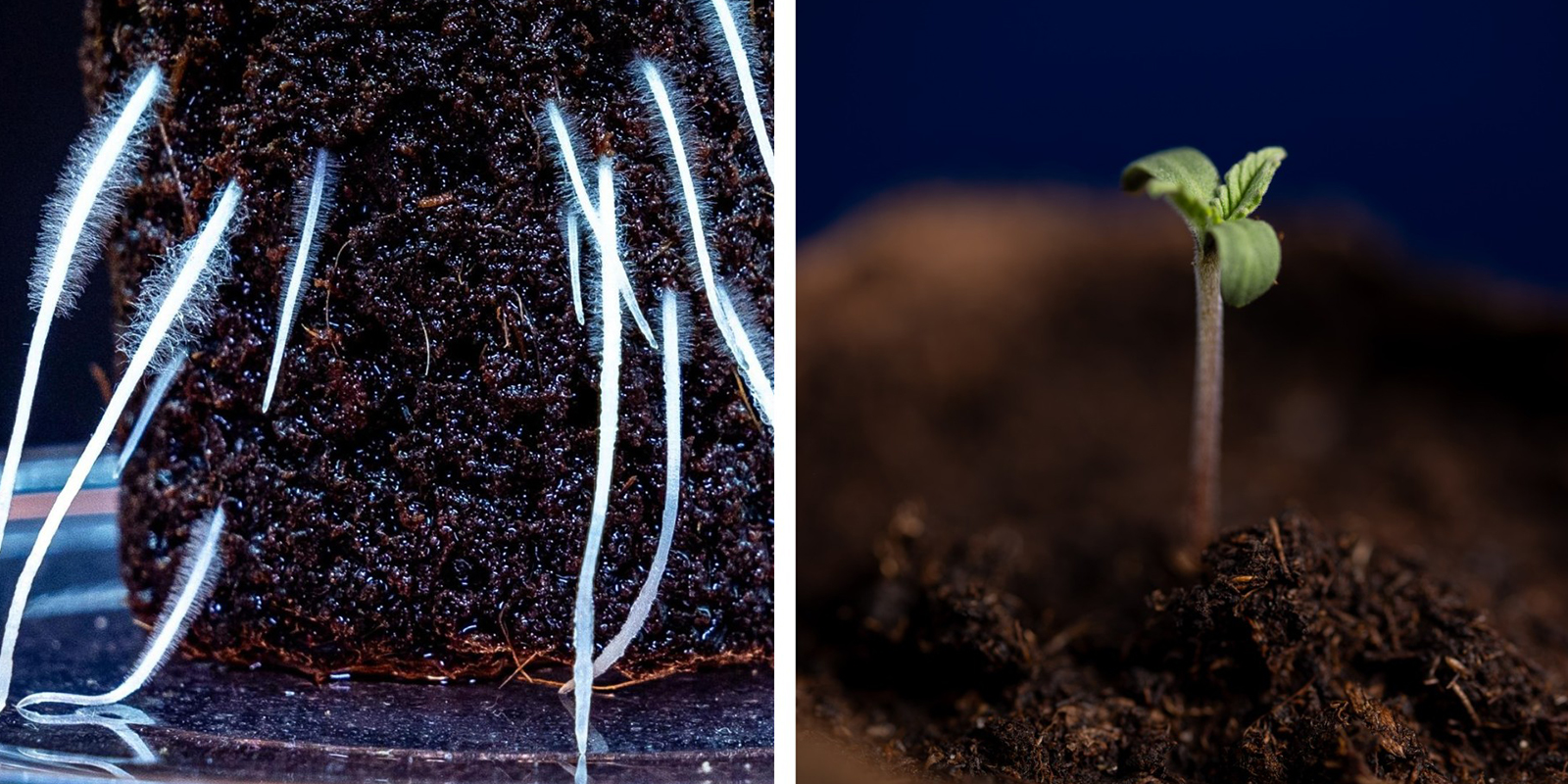
Once the seed cracks, treat the taproot as if it were made of glass. If you’re moving a germinated seed from a paper towel or water, handle it by the shell with clean fingers or tweezers, never by the root.
Plant with the taproot pointing down, around 0.5 inches deep, then cover lightly and keep the medium evenly moist. If you started in a small plug or tray, transplant once you see the first roots peeking out or the seedling has opened and begun to stand on its own. Water around the edge of the pot to encourage the roots to grow outward.
Healthy early growth features a straight stem, perky cotyledons (the first rounded leaves), and a fresh green colour. For a deeper run-through of the stage ahead, see our guide to the cannabis seedling phase.
Ready, set, germinate!
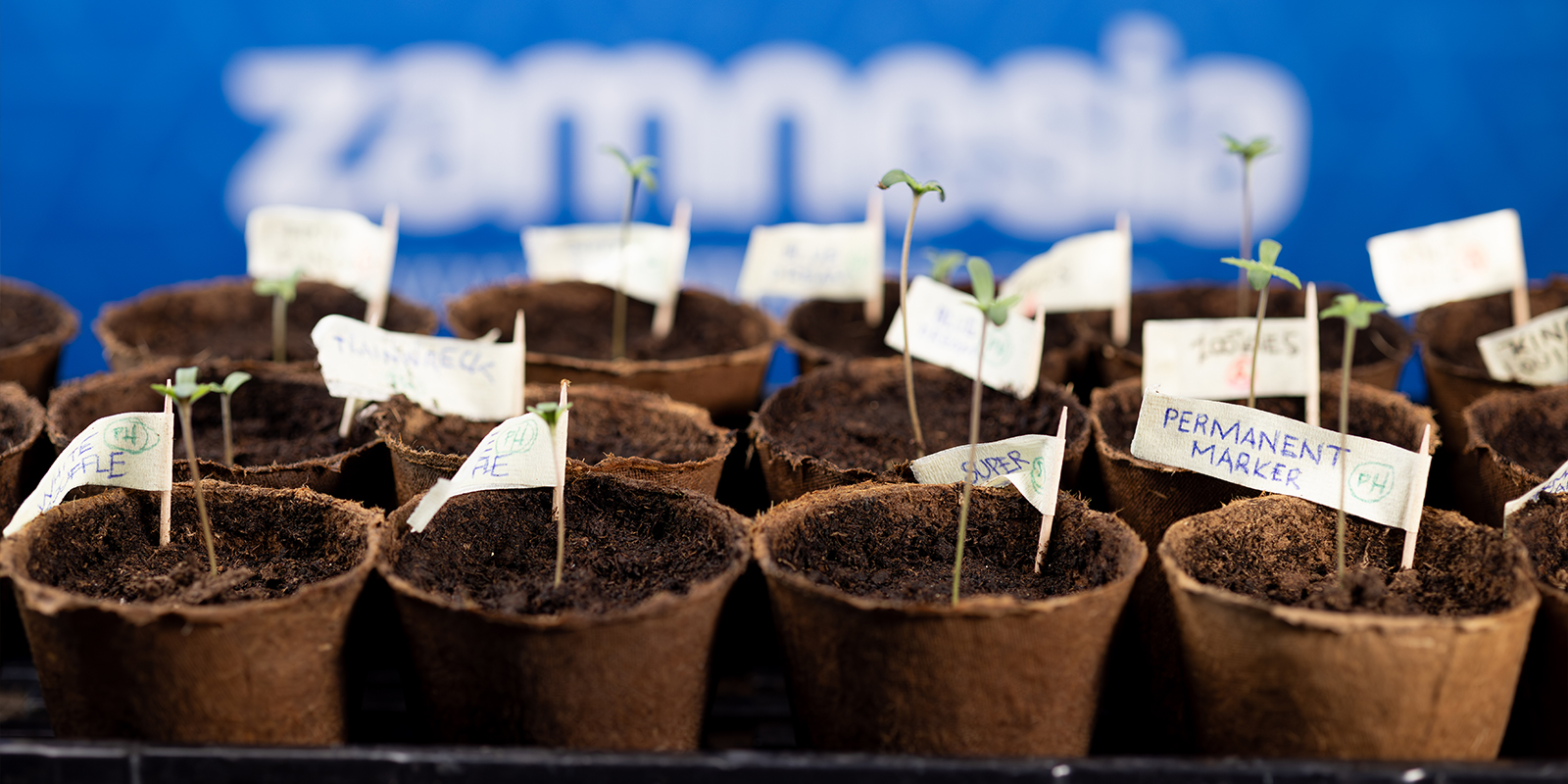
Patience is the secret ingredient. Once your seeds are set up, resist the urge to poke, peel, or “help” them too early; most stalls come from overhandling, not underdoing.
A few simple habits improve your odds straight away:
- Label everything (strain name, date started, method used) so you’re not guessing later.
- Keep it clean: fresh water, clean tweezers, and a tidy container help reduce mold and rot.
- Stay consistent with moisture and warmth, small daily checks are more effective than constant fiddling.
To make the process smoother, our propagation range features handy tools such as domes and heat mats. And when you’re ready for the next run, explore our cannabis seeds selection.