 8.6 out of 10 based on 80997 reviews







.svg)
.svg)
.svg)
.svg)
.svg)


 Autoflower Seeds
 Feminized Seeds
 Zamnesia Seeds


 Help
Help United States

 5 min
5 min
What is mycelium?



Before mushrooms come mycelium, the hidden network that gives life to every psilocybin species. Discover what mycelium is, how it grows, and why this underground web is key to cultivating magic mushrooms at home.
Before the mushroom, there is mycelium: a vast, hidden network with psychedelic potential. Often described as the “roots” of the fungus, mycelium forms a living web that gives life to every mushroom, including Psilocybe cubensis. Though unseen, it's the true organism, absorbing nutrients, shaping ecosystems, and quietly preparing for the moment a mushroom fruits.
For anyone fascinated by mycology or the psychedelic world, understanding mycelium is the key to unlocking how psilocybin mushrooms grow, spread, and sustain their remarkable chemistry. In this guide, we'll explore what mycelium is, how it develops, and why it's central to the cultivation of magic mushrooms. Whether you're a home grower, psychedelic enthusiast, or simply a curious reader, this journey into the underground network of life will change how you see mushrooms forever.
The basics: What exactly is mycelium?
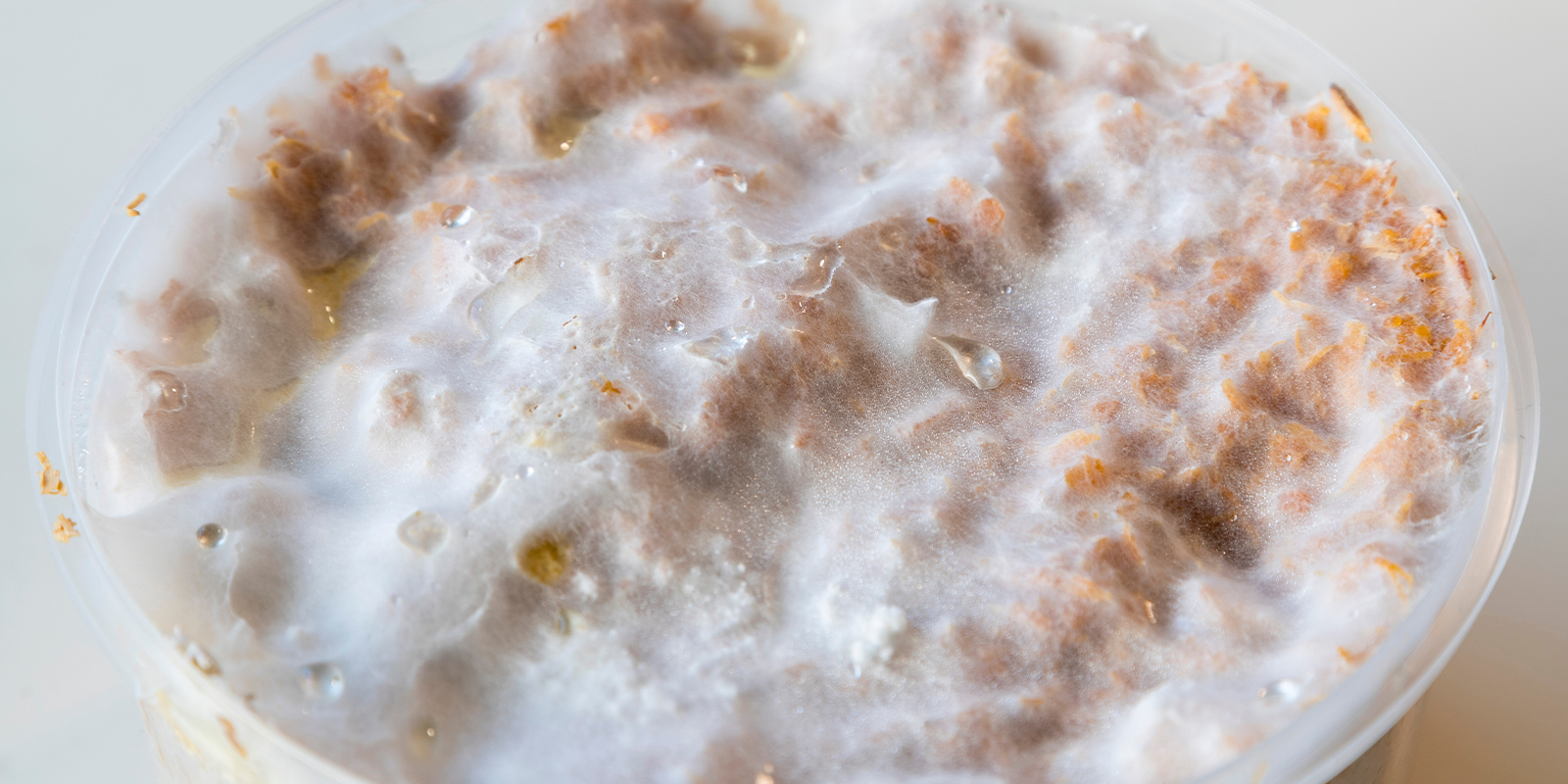
When we talk about mycelium, we're referring to the sprawling, root-like network of fine fungal threads that lies beneath and around a mushroom. In simpler terms: if the mushroom is the fruit, the mycelium is the hidden tree. Think of it as a subterranean network of filaments reaching the soil or substrate, searching out nutrients, absorbing and exchanging them, very much like a plant's roots.
In the context of mushrooms, especially species like Psilocybe cubensis, this network is often called magic mushroom mycelium. More precisely, the term Psilocybe mycelium or cubensis mycelium refers to the vegetative form of these fungi before they produce the fruiting bodies we identify as “magic mushrooms.”
Biologically, this means that mycelium consists of tubes known as hyphae, which are thin, filamentous structures that branch out, grow, digest organic matter, and absorb nutrients. These hyphae merge and branch repeatedly, creating a dense network of fungal life. In cultivation, understanding this network is key: whether it's mycelium primordia forming or the mycelium colonizing a substrate, grasping the nature of this vegetative stage makes the difference between a failed attempt and a bountiful flush.
Mycelium vs mushroom: What's the difference?
.jpg "Mycelium vs mushroom: What's the difference?")
One of the most common questions among growers is: “Is mycelium the same as a mushroom?” The answer is no; they represent two distinct stages of the fungal life cycle.
Mycelium is the vegetative phase, the part of the fungus that grows and spreads through a substrate, absorbing nutrients and building energy reserves. It's invisible in nature but vital for development, forming the base from which all mushrooms eventually grow.
When conditions such as humidity, temperature, and oxygen levels shift, the fungus transitions to its fruiting stage, producing a visible mushroom, the reproductive bodies that release spores into the environment. These spores then give rise to new networks of mycelium, continuing the cycle.
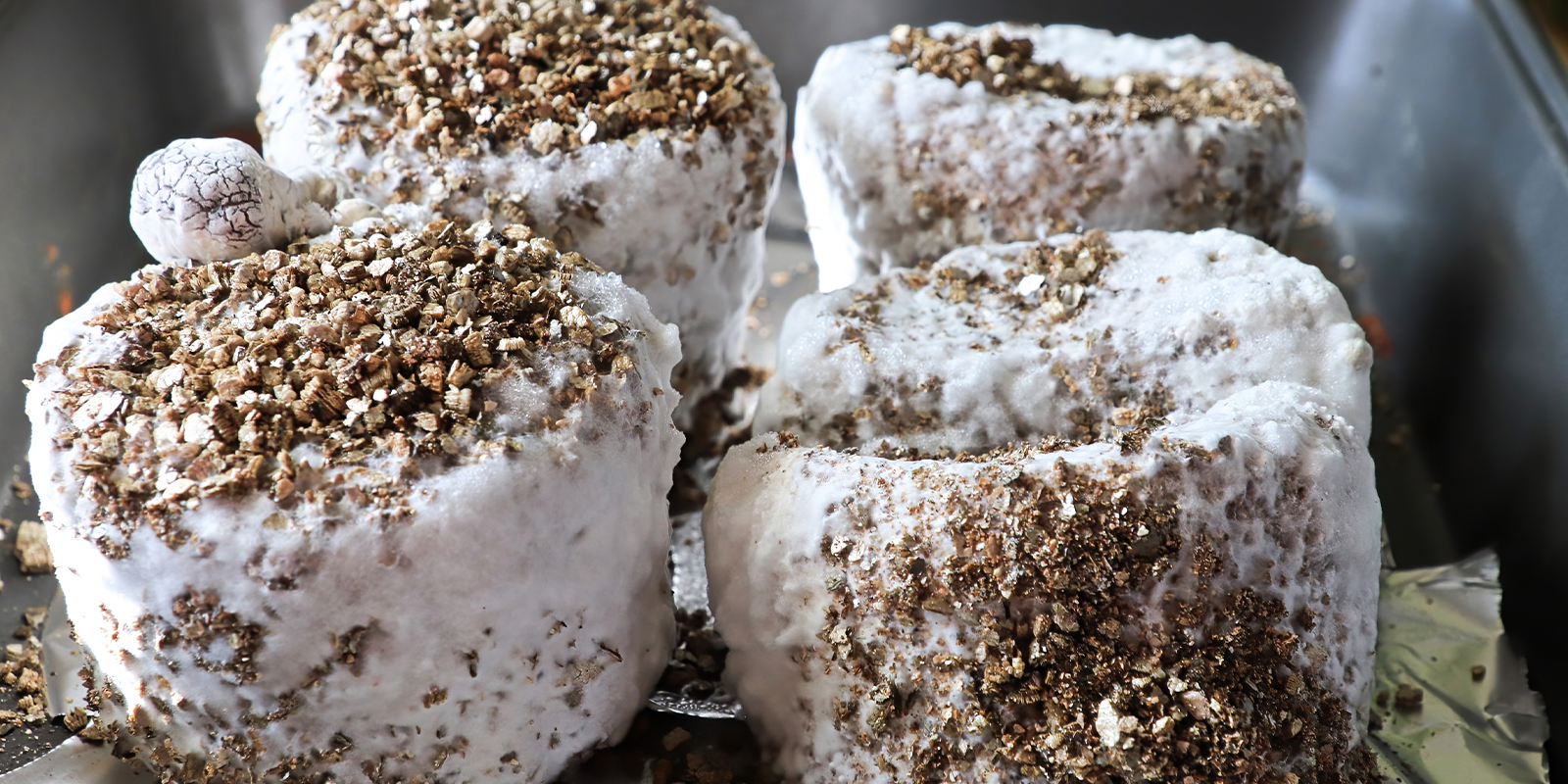
In cultivation, this relationship is essential to understand: a healthy, white network of cubensis mycelium signals that your substrate is ready to fruit, while discoloration or patchiness can indicate contamination. In short, mycelium is the organism's body, and the mushroom is its fruit: one sustains, the other reproduces.
Is mycelium psychedelic?
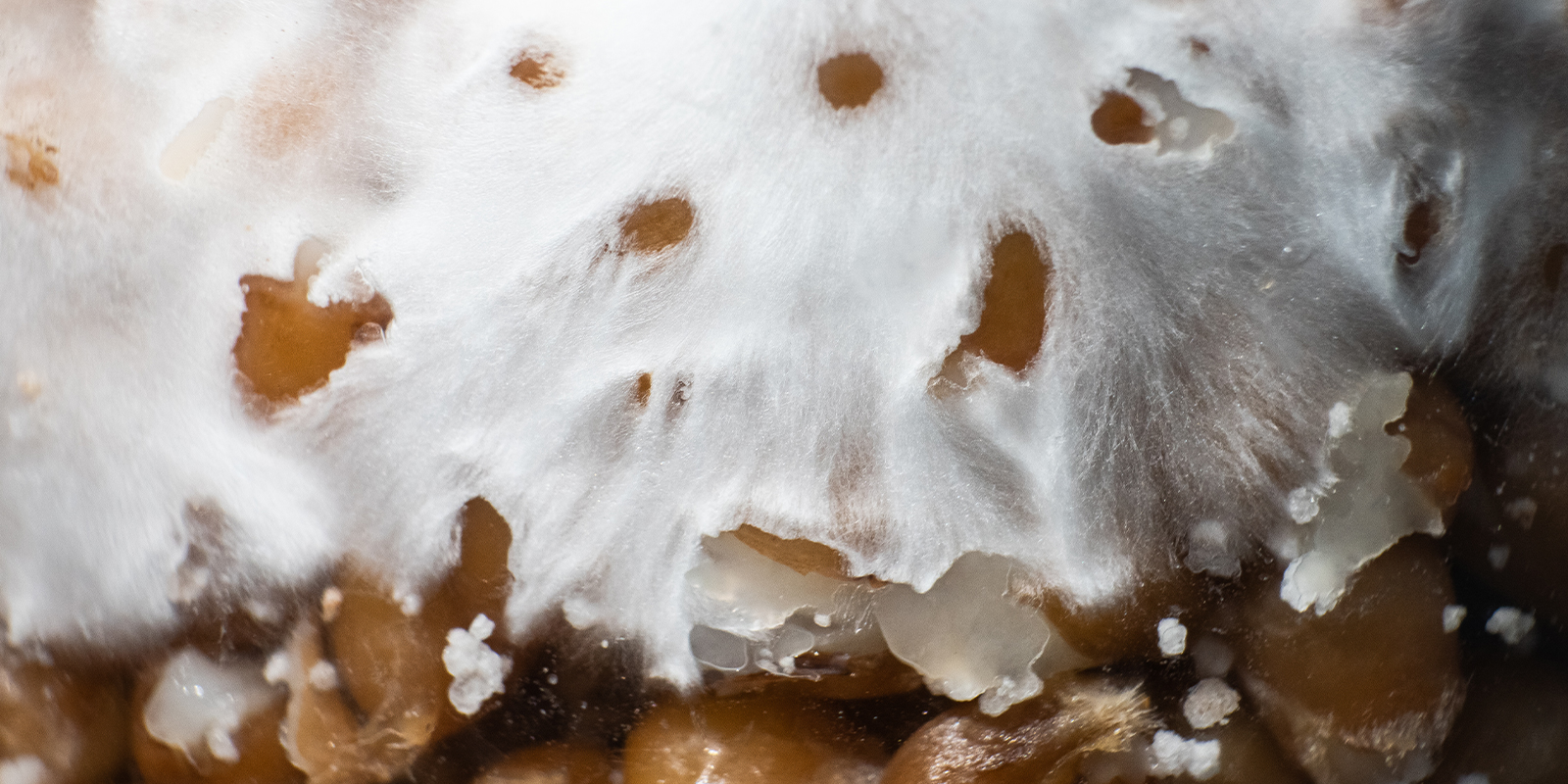
One of the most common questions from new cultivators is: “Is mycelium psychedelic?” After all, it's the foundation of every magic mushroom, so it's natural to wonder whether psilocybin mycelium itself contains any psychoactive properties. This is especially true for those exploring the relationship between mycelium, mushroom development, and psychedelic potential; sometimes described in discussions as the mycelium mushroom psychedelic connection.
The answer is: not quite. The mycelium of Psilocybe cubensis and other Psilocybe mycelium species can produce trace amounts of psilocybin and psilocin, but at concentrations far lower than what's found in mature fruiting bodies. The biosynthetic pathway for psilocybin begins during the mycelial phase; the active compounds only reach significant potency as the mushroom develops its cap and gills.
In other words, mycelium isn't truly hallucinogenic. It may contain the chemical precursors for psilocybin, but consuming raw mycelium will not produce psychedelic effects. Most of the alkaloid synthesis occurs during fruiting, which is why only mature mushrooms are considered psychoactive.
That said, magic mushroom mycelium is still at the heart of the experience. It's the biological engine that enables psilocybin mushrooms to exist at all, the network that transforms nutrients into the compounds responsible for their effects.
For those interested in exploring the process themselves, cultivating psilocybin mycelium through controlled home growing is both educational and rewarding. Using a high-quality magic mushroom grow kit is a great option. Each kit comes pre-colonized with healthy cubensis mycelium, allowing you to watch as it transitions from white, web-like strands into fully developed mushrooms.
How does mycelium grow?
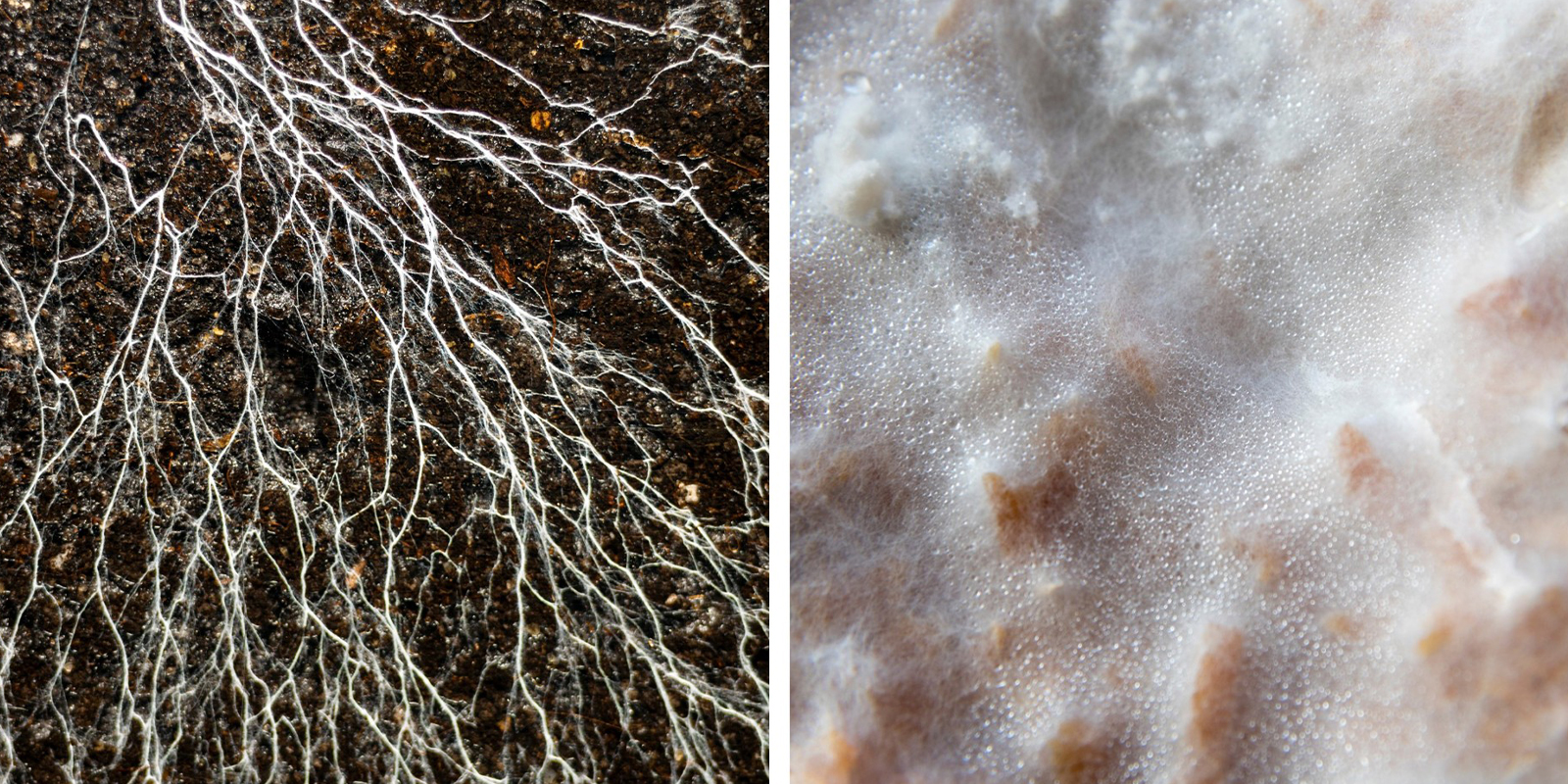
The growth of mycelium is an underground dance of biology and chemistry. When a spore germinates, it releases fine filaments called hyphae, which branch out through organic matter to form the visible white network known as mycelium. In cultivation, this stage, known as colonization, thrives in warm, humid conditions (around 75–82 °F) with steady air exchange.
If airflow is poor, you may see aerial mycelium, which grows upward instead of across the substrate. Too much moisture, meanwhile, can slow or even damage development.
The type of substrate also shapes the growth pattern. Magic mushroom mycelium prefers nutrient-rich, airy mixes, such as brown rice flour or coco coir. Within these, two primary forms emerge:
- Rhizomorphic mycelium: Stringy and root-like, signaling healthy, vigorous growth.
- Tomentose mycelium: Soft and cottony, often forming under slightly denser conditions.
To refine your setup, check out our guides on making a casing layer and understanding mushroom substrates. Mastering these basics ensures your psilocybin mycelium has the perfect environment to thrive, and eventually fruit into something truly amazing.
Mycelium primordia and mushroom formation
As the mycelium finishes colonizing its substrate, the emergence of primordia, tiny knots or pinheads, signals the shift from the vegetative phase to fruiting. These are the earliest signs of mushroom formation, marking the transformation from hidden network to visible life.
Primordia develop when conditions change, such as a drop in temperature, increased light, and better air exchange. At this point, the fully colonized Psilocybe mycelium redirects its energy from spreading to reproducing, creating the first miniature versions of the mushrooms to come.
So, how do you know if mycelium is ready to fruit? Look for a dense, even layer of bright white growth across the entire substrate. The surface should appear slightly fuzzy but not patchy or discolored. Once small white knots or pins appear, your mycelium is signaling that it's ready for fruiting conditions: more light, humidity around 90%, and gentle airflow.
This phase is delicate but rewarding. Within days, the mycelium primordia will evolve into recognizable mushrooms, turning your once-invisible network into a bountiful flush of psilocybin mushrooms.
Cultivating magic mushroom mycelium at home
.jpg "Cultivating magic mushroom mycelium at home")
.jpg "Cultivating magic mushroom mycelium at home")
.jpg "Cultivating magic mushroom mycelium at home")
.jpg "Cultivating magic mushroom mycelium at home")
Growing magic mushroom mycelium at home is far easier than most people think, especially with today's ready-to-use kits. These contain a substrate that's already colonized with cubensis mycelium, meaning you can skip the most complicated steps and go straight to the fruiting phase.
Here's a quick overview of the process:
- Prepare your space: Choose a clean, bright area with steady warmth (around 75 °F) and moderate humidity.
- Open your grow kit: Most kits come fully colonized. Simply add water as instructed and close the lid to maintain optimal moisture levels.
- Wait for primordia: Over several days, white mycelium primordia will appear, the first sign your mushrooms are forming.
- Initiate fruiting: Remove the lid, mist lightly, and provide light and airflow. Within a week, you'll see the first psilocybin mushrooms emerge.
For more detailed advice, check out our beginner's guide to growing mushrooms, which walks you through setup, maintenance, and harvest timing.
To get started, browse our full range of magic mushroom grow supplies, including starter kits, substrates, and accessories.
Whether you're curious about Psilocybe mycelium or ready to explore cultivation, these all-in-one solutions make growing your own psychedelic mushrooms simple, safe, and deeply satisfying.
Is mycelium safe? Can it be consumed?
It's a common question among new growers and psychonauts alike: can you consume mycelium? The short answer is yes, but not for a trip. As mentioned, while psilocybin mycelium may contain trace amounts of active compounds, it's not hallucinogenic. Eating raw mycelium won't produce any psychedelic effects, since the levels of psilocybin are far too low to trigger a reaction.
That doesn't mean mycelium lacks value. In fact, it's becoming increasingly popular in nutritional supplements and functional foods. Species like Hericium erinaceus (Lion's Mane) and Ganoderma lucidum (Reishi) are cultivated for their mycelial biomass, prized for their beta-glucans, antioxidants, and adaptogenic benefits. These products aim to support wellness, not induce hallucinations.
In the psychedelic sphere, magic mushroom mycelium is more about cultivation than consumption. Learning to grow and work with healthy mycelium helps you understand the full life cycle of Psilocybe mushrooms, from spore to harvest.
So while mycelium mushroom psychedelic myths persist online, the truth is simple: the magic lies not in eating the network, but in nurturing it, allowing it to bloom into the potent, fruiting bodies that carry the true psychedelic experience.
From mycelium to magic mushrooms: Your next steps
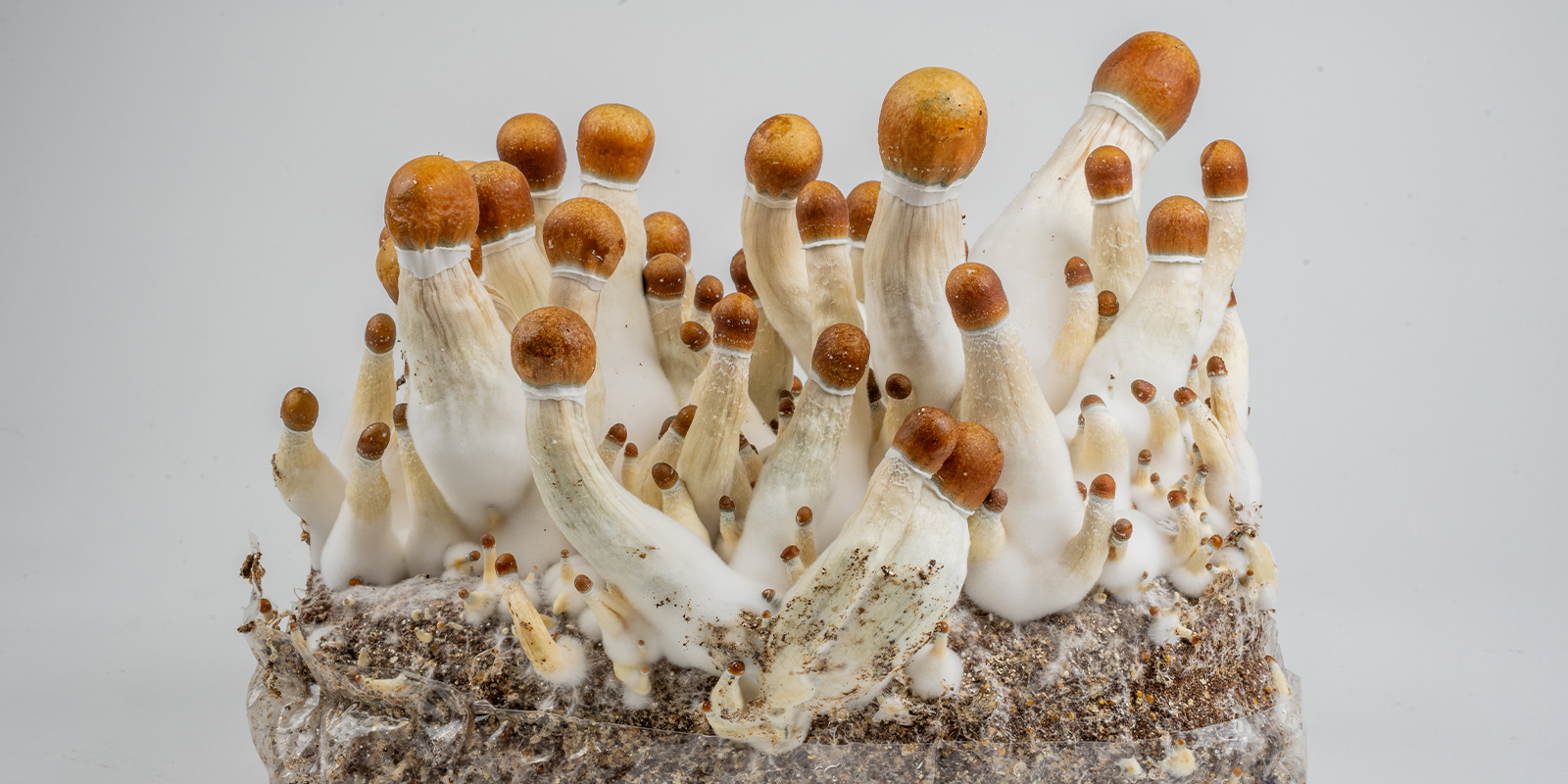
From the first threads of psilocybin mycelium to the vibrant caps of fully grown mushrooms, the life of a fungus is a story of transformation. We've seen how mycelium acts as the living foundation, the network that feeds, grows, and eventually gives rise to psychedelic mushrooms like Psilocybe cubensis. Understanding this stage is key not only to successful cultivation but also to appreciating the hidden intelligence of nature's fungal web.
If you're ready to take the next step, home cultivation is the perfect way to see this process first-hand. Explore our guide on choosing the right magic mushroom grow kit, where we break down everything you need to get started, from strain selection to care tips. You can also browse our full range of magic mushroom products and supplies, including spore syringes, substrates, and ready-to-use grow kits.
Whether you're a curious beginner or an experienced cultivator, working with magic mushroom mycelium connects you to something more profound: a living, psychedelic network that bridges science, nature, and imagination. The mycelium is waiting; all it needs is the right conditions to grow.
-
 3 min
July 8, 2026
How To Grow Magic Mushrooms
Clean handling, steady conditions, and patience matter more than fancy gear. Kits keep things simple, while advanced methods demand tighter control.
3 min
July 8, 2026
How To Grow Magic Mushrooms
Clean handling, steady conditions, and patience matter more than fancy gear. Kits keep things simple, while advanced methods demand tighter control.
-
 3 min
August 17, 2020
5 Surprising Benefits of Magic Mushrooms
There are so many factors to consider when taking magic mushrooms, and it can be daunting overall. However, there are many benefits to taking this psilocybin-packed hallucinogen. Continue reading...
3 min
August 17, 2020
5 Surprising Benefits of Magic Mushrooms
There are so many factors to consider when taking magic mushrooms, and it can be daunting overall. However, there are many benefits to taking this psilocybin-packed hallucinogen. Continue reading...
-
 6 min
June 30, 2020
Everything You Need To Know About Magic Mushroom Substrates
If you’re cultivating magic mushrooms in bulk, or without a grow kit, you'll need to prepare a mushroom substrate. In this guide, you will learn everything you need to know about the right...
6 min
June 30, 2020
Everything You Need To Know About Magic Mushroom Substrates
If you’re cultivating magic mushrooms in bulk, or without a grow kit, you'll need to prepare a mushroom substrate. In this guide, you will learn everything you need to know about the right...
-
 3 min
April 23, 2020
How Much Light Do Magic Mushrooms Need To Grow?
Mycelium requires some degree of light in order to develop mature fruiting bodies. While some growers prefer to use LED or CFL lights on 12-hour schedules, others simply rely on the indirect...
3 min
April 23, 2020
How Much Light Do Magic Mushrooms Need To Grow?
Mycelium requires some degree of light in order to develop mature fruiting bodies. While some growers prefer to use LED or CFL lights on 12-hour schedules, others simply rely on the indirect...