 8.6 out of 10 based on 80850 reviews







.svg)
.svg)
.svg)
.svg)
.svg)


 Autoflower Seeds
 Feminized Seeds
 Zamnesia Seeds


 Help
Help United States
 6 min
6 min
CBD oil: Your ultimate guide



New to CBD oil? This no-hype guide explains what CBD oil is, how it’s made, and how it may work with the endocannabinoid system. Learn common reasons people use it, possible side effects and interactions, and how to choose quality products by reading COAs, comparing full-spectrum vs. isolate, and starting low.
Curious about CBD oil but not sure where to start? You’re not alone—between different strengths, extract types, and labels packed with unfamiliar terms, it can be hard to tell what actually matters.
This guide covers the essentials before you buy: what CBD oil is, how it’s made, and how it interacts with your body. We’ll also look at why people use it, what the evidence does (and doesn’t) say, and how to choose a product that matches your goals and experience level.
You’ll find practical tips for reading lab reports, choosing a sensible strength, and using CBD responsibly—plus a clear overview of potential side effects and who should talk to a healthcare professional first. By the end, you’ll be able to make an informed choice without the hype.
What is CBD oil?
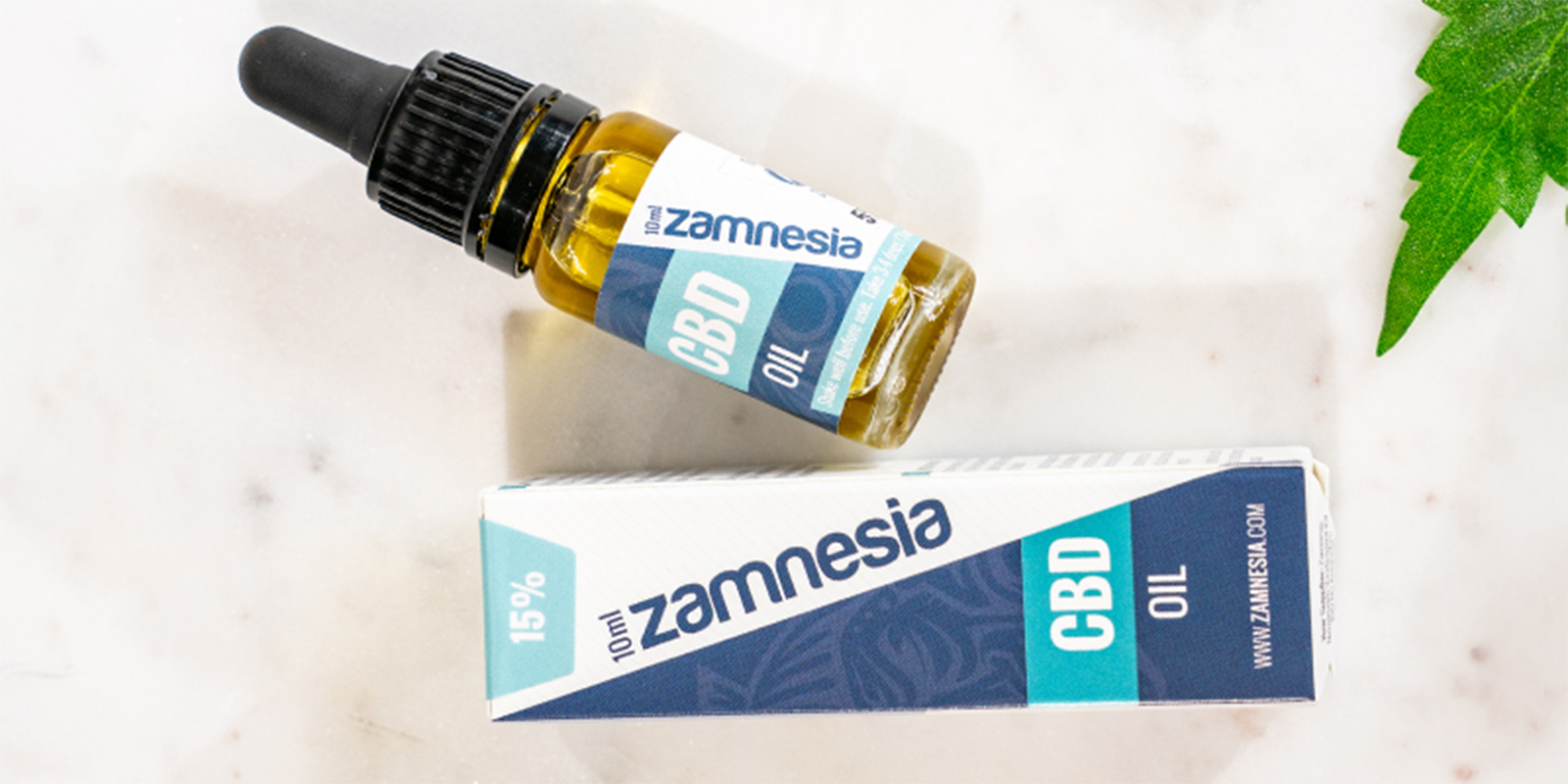
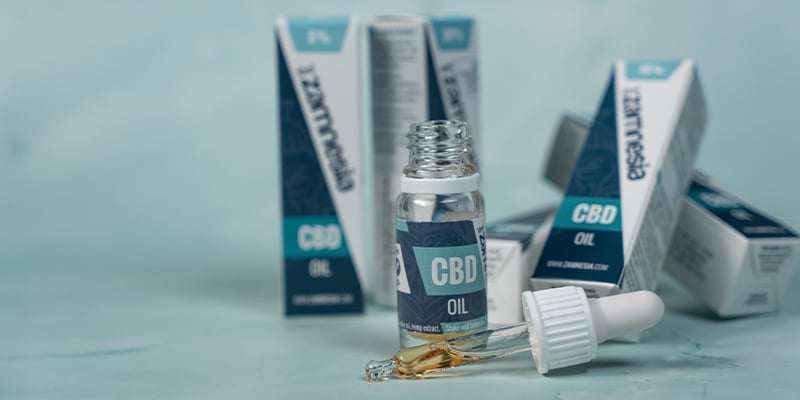
CBD (short for cannabidiol) is a naturally occurring compound found in the cannabis plant. Unlike THCA, it isn’t intoxicating, which is why many people explore it as a wellness product rather than for a “high”. Most CBD oils on the market are made from hemp—cannabis varieties bred to contain very low levels of THCA.
To produce CBD oil, manufacturers extract cannabinoids from hemp (often using CO₂ extraction), then blend the resulting extract with a carrier oil such as MCT, olive, or hemp seed oil. This is different from cannabis oils intended for intoxication, since those products may contain high THCA levels and are regulated very differently.
CBD oil also isn’t the same as hemp seed oil. Hemp seed oil is made from the seeds and is nutritious, but it doesn’t naturally contain meaningful amounts of CBD.
People use CBD for a range of potential wellness goals, including everyday stress, sleep support, and post-workout recovery. If you want a deeper primer, our what is CBD guide breaks down the basics in more detail.
What is the difference between CBD oil and other CBD products
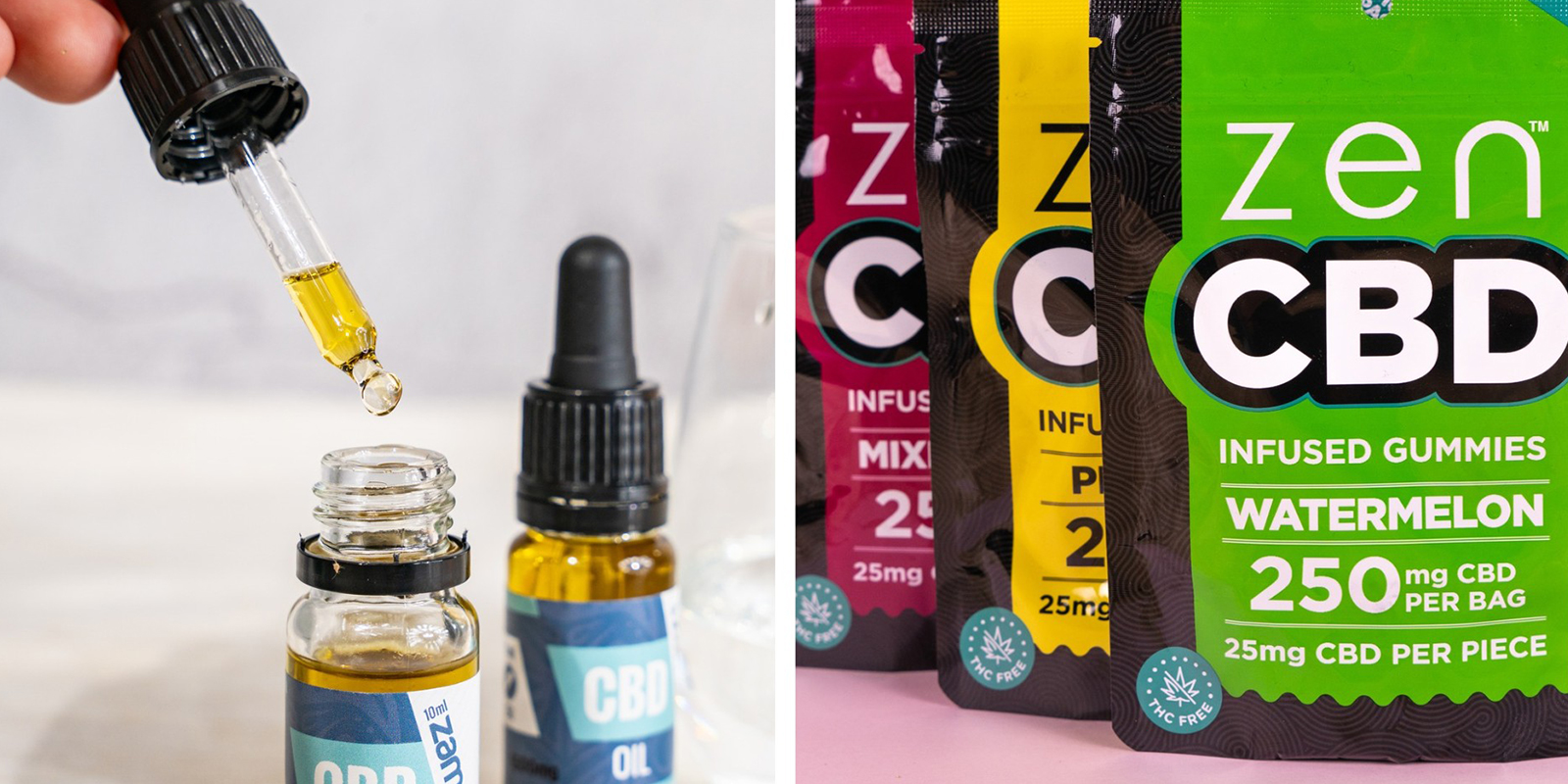
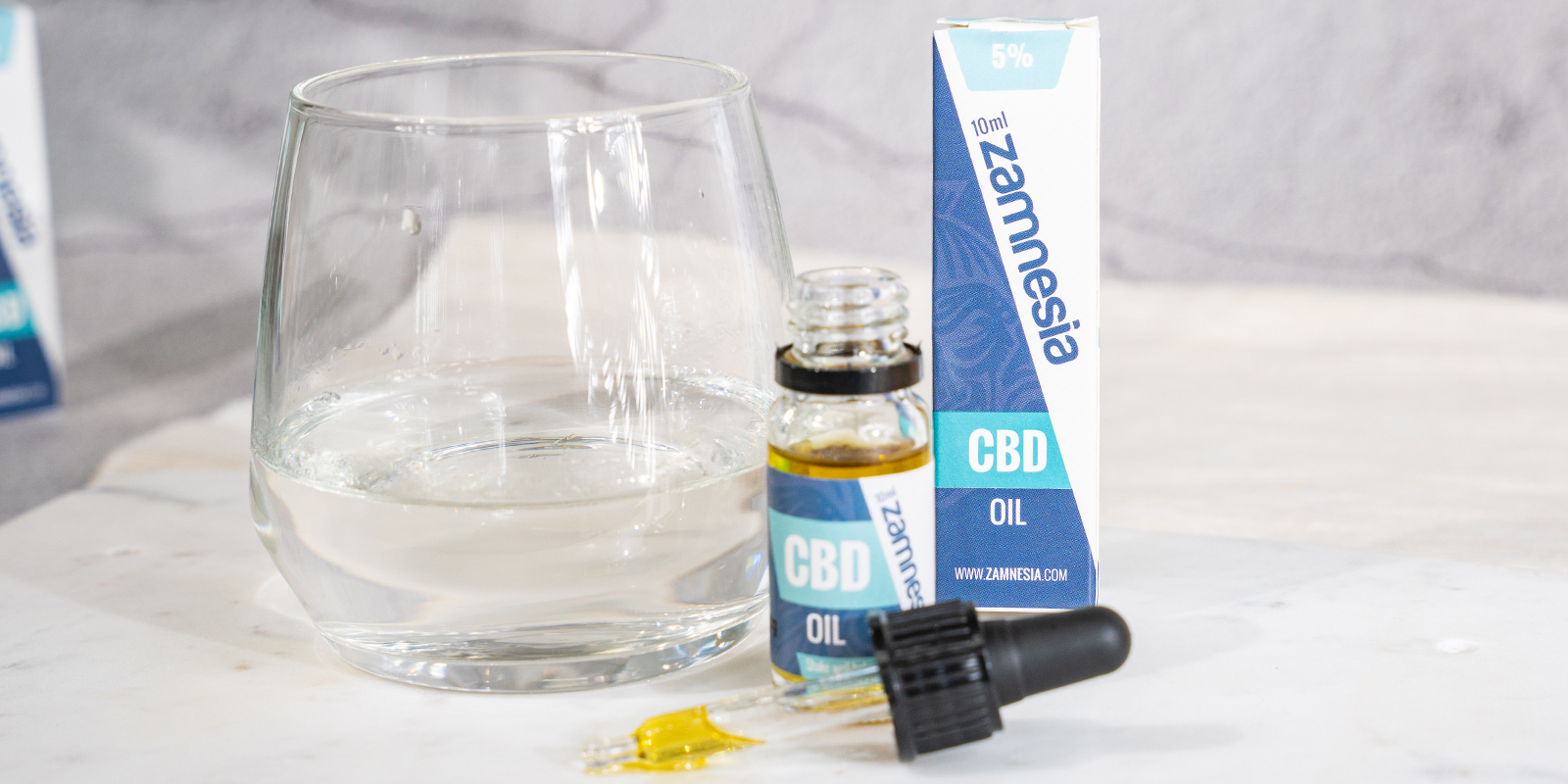
CBD oil is simply CBD extract diluted in a carrier oil, and it’s typically taken under the tongue or swallowed. It’s popular because it’s flexible: you can adjust your serving size drop by drop, and it’s usually absorbed faster than products that have to be digested.
Other CBD products deliver the same core ingredient, but the format changes how you take it, how consistent each serving is, and how quickly you might feel effects. For example, capsules and softgels are pre-measured and discreet, but they often take longer to kick in. Gummies and other edibles are easy to use, though they add extra ingredients (sweeteners, flavorings) and can be less precise per piece.
Topicals (creams, balms) are made for targeted use on the skin and generally aren’t used for whole-body effects in the same way oils or capsules are. Vapes can work fast, but inhalation isn’t for everyone, and product quality matters a lot.
In short, CBD oil is the “adjustable” option, while other formats trade flexibility for convenience, speed, or targeted use.
How does CBD oil work in the body?
CBD affects the body largely through the endocannabinoid system (ECS)—a network of signaling molecules and receptors that helps maintain balance (homeostasis), including functions like mood, sleep, stress response, appetite, and how we perceive discomfort. Rather than acting like THCA, CBD doesn’t strongly “switch on” CB1 receptors in the brain, which is one reason it isn’t intoxicating.
Researchers believe CBD may work in a more indirect way, by influencing how the body produces, breaks down, and responds to its own endocannabinoids, and by interacting with other receptor systems linked to inflammation and stress signaling. If you want the deeper science, our guide to the endocannabinoid system explains it clearly.
In practical terms, people often try CBD oil for support with everyday tension, winding down at night, or post-workout soreness. It’s important to keep expectations realistic: while early research is promising in areas like anxiety and pain, results vary, and CBD isn’t a substitute for professional medical care.
Benefits of CBD oil

CBD oil is used by many people as part of a broader wellness routine, especially if they want something plant-based that doesn’t intoxicate. While research is still developing and responses can vary widely, the most commonly reported reasons people reach for CBD include:
- Everyday stress and mood balance: some users find it takes the edge off tension and supports a calmer baseline.
- Sleep support: often used as part of a wind-down routine, especially when rest is disrupted by a “busy mind”.
- Post-workout recovery: some people use CBD after training to support relaxation and manage normal muscle soreness.
- General comfort: early research suggests CBD may influence pathways involved in how we perceive discomfort, though it isn’t a painkiller.
- Skin and topical use: CBD is also used in balms and creams for targeted, local application.
For a fuller, evidence-minded breakdown, see our guide to CBD oil benefits and what to realistically expect.
Possible side effects and precautions

CBD is generally considered well tolerated, but it can still cause side effects—especially at higher servings, or if you’re new to it. The most commonly reported ones are fairly broad and may include drowsiness (or feeling a bit “heavy”), dry mouth, and changes in appetite. Some people also notice mild stomach upset or light-headedness, particularly if they take CBD on an empty stomach.
The biggest precaution is how CBD may interact with other substances. If you’re taking any medications or have an underlying health condition, it’s smart to talk with a healthcare professional before adding CBD to your routine. This is especially important for medicines with a “grapefruit warning”, since CBD can affect how the body processes certain compounds.
A practical tip: start low, go slow, and keep notes on timing and how you feel. And if a brand makes bold medical claims, treat that as a red flag—CBD isn’t a cure-all, and responsible products should be transparent about limits as well as potential benefits.
Types of CBD oil and how to choose the right one
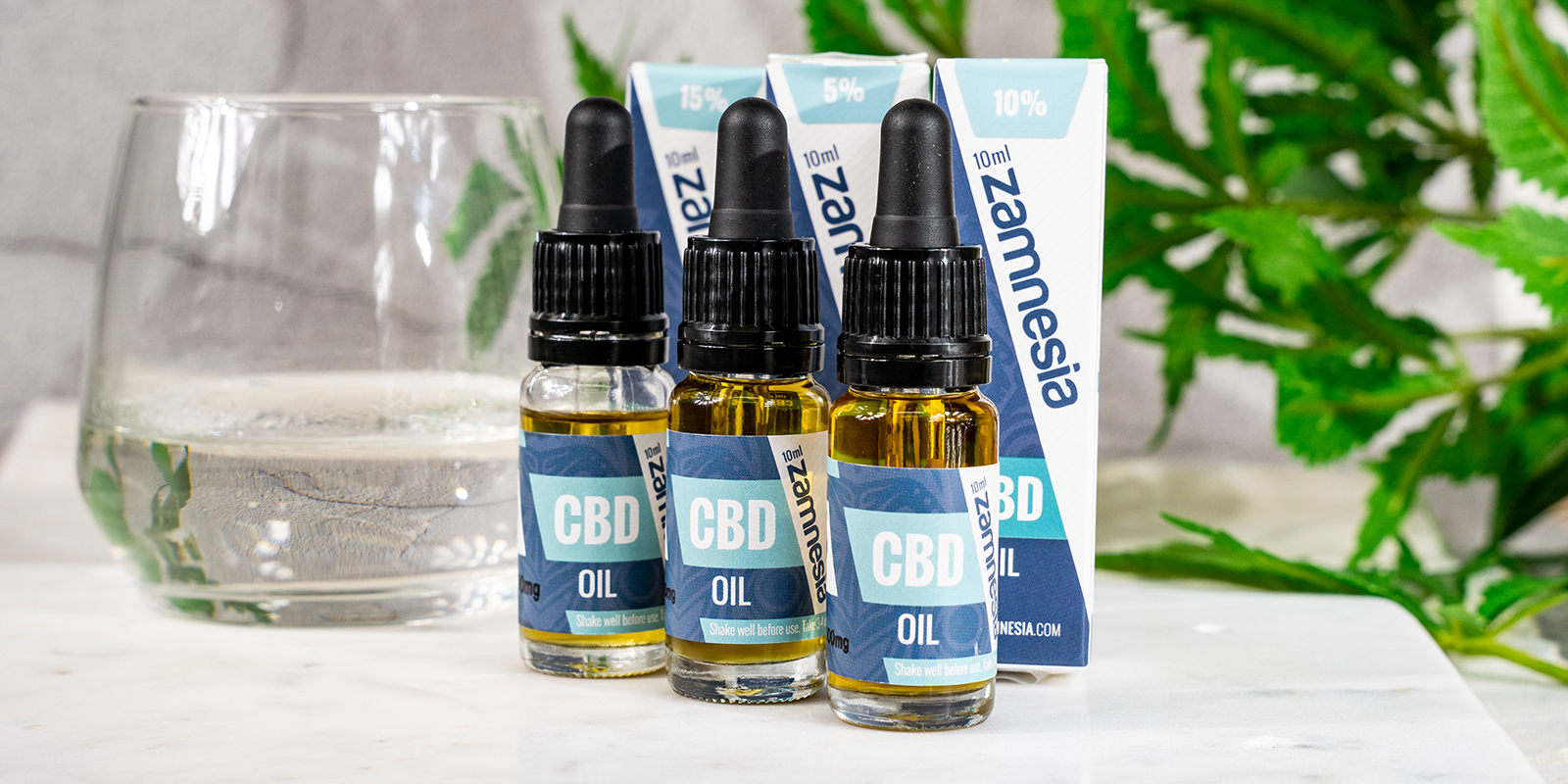
Not all CBD oils are the same. The main difference is how much of the hemp plant’s natural chemistry is preserved in the final extract.
Full-spectrum CBD contains CBD alongside other cannabinoids, terpenes, and plant compounds, including trace amounts of THCA (within legal limits). Many people choose it for a “whole-plant” approach.
Broad-spectrum CBD is similar, but the THCA is removed. It can be a solid middle ground if you want a wider range of compounds while avoiding THCA as much as possible.
CBD isolate is purified CBD with no meaningful amounts of other cannabinoids or terpenes. It’s a straightforward option for those who prefer simplicity and maximum THCA avoidance.
To decide, think about your priorities:
- If you want the most complete hemp profile, consider full-spectrum.
- If THCA is a concern (sensitivity, workplace testing), broad-spectrum or isolate may be safer choices.
- If you’re new to CBD, isolates can make it easier to gauge how you respond.
For a deeper comparison, see our guide to full-spectrum CBD vs isolate.
How to choose high-quality CBD oil
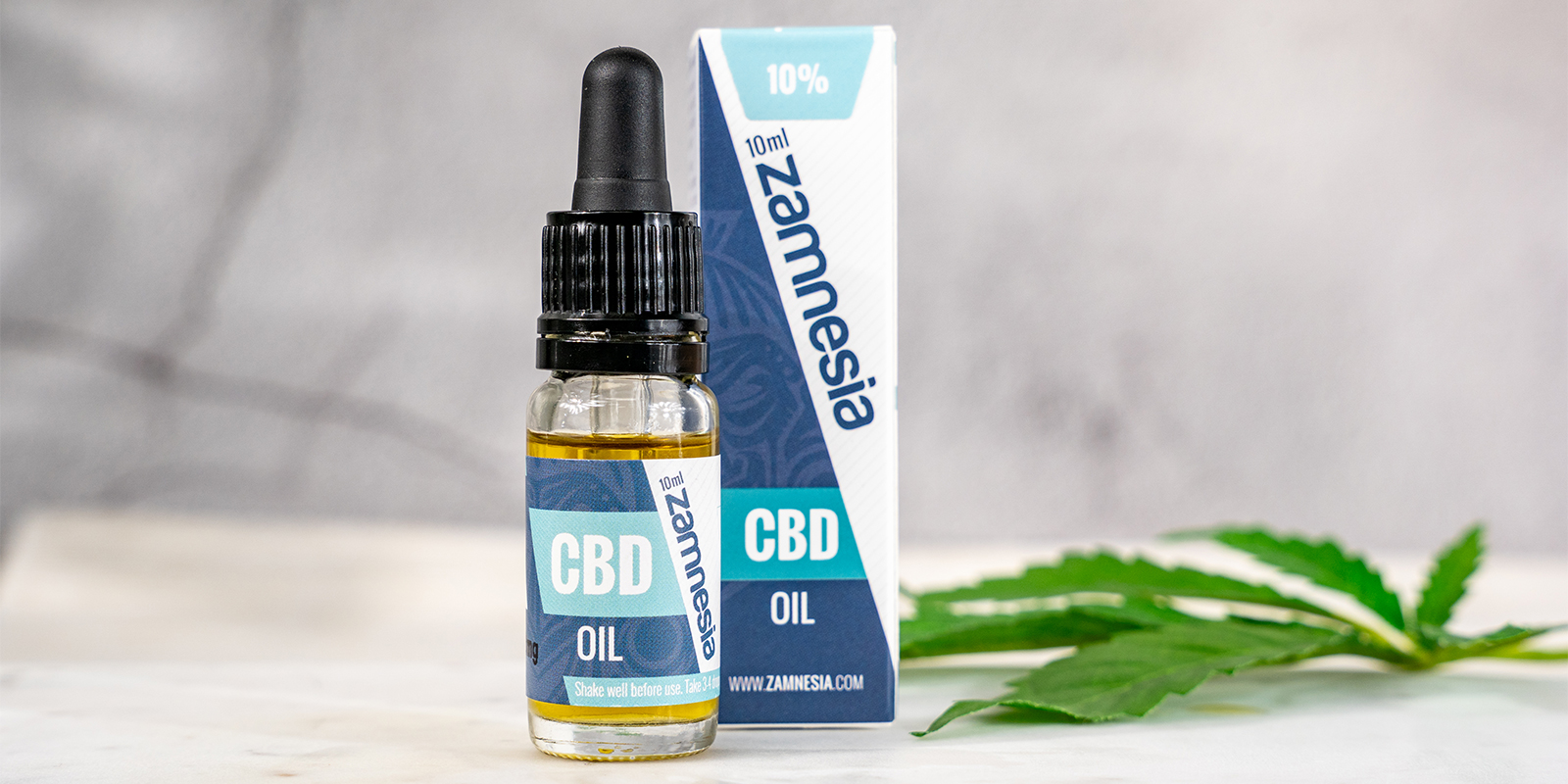
Quality matters with CBD oil because the label doesn’t always tell the full story. A trustworthy product starts with clean, well-grown hemp—ideally organic or grown with minimal pesticides—since hemp can absorb contaminants from the soil.
Next, look for third-party testing. Independent lab reports (often called COAs) should confirm the CBD content and screen for things like heavy metals, pesticides, and residual solvents. If a brand won’t share test results, that’s a sign to keep looking.
Clear labeling is another good sign. You should be able to see the amount of CBD per bottle and per serving, the type of extract (full-spectrum, broad-spectrum, or isolate), and the full ingredient list—including the carrier oil.
Finally, don’t ignore real-world feedback. Customer reviews can help you spot consistency issues (taste, dropper accuracy, batch-to-batch variation) and get a feel for how transparent a company really is.
On the Zamnesia store, product pages include customer reviews, making it easier to cross-check the specs against other users’ experiences before you buy.
How to use CBD oil safely

A smart approach to CBD is to start low and increase gradually. Begin with a small serving for a few days, note how you feel, then adjust in small steps until you find a level that works for you.
How you take it matters too:
- Sublingual: place drops under your tongue, hold briefly, then swallow.
- Oral: capsules or edibles are convenient but usually take longer to kick in.
- Topical: creams and balms are applied directly to the skin for localized use.
- Transdermal: patches deliver CBD through the skin over time.
The legality of CBD oil
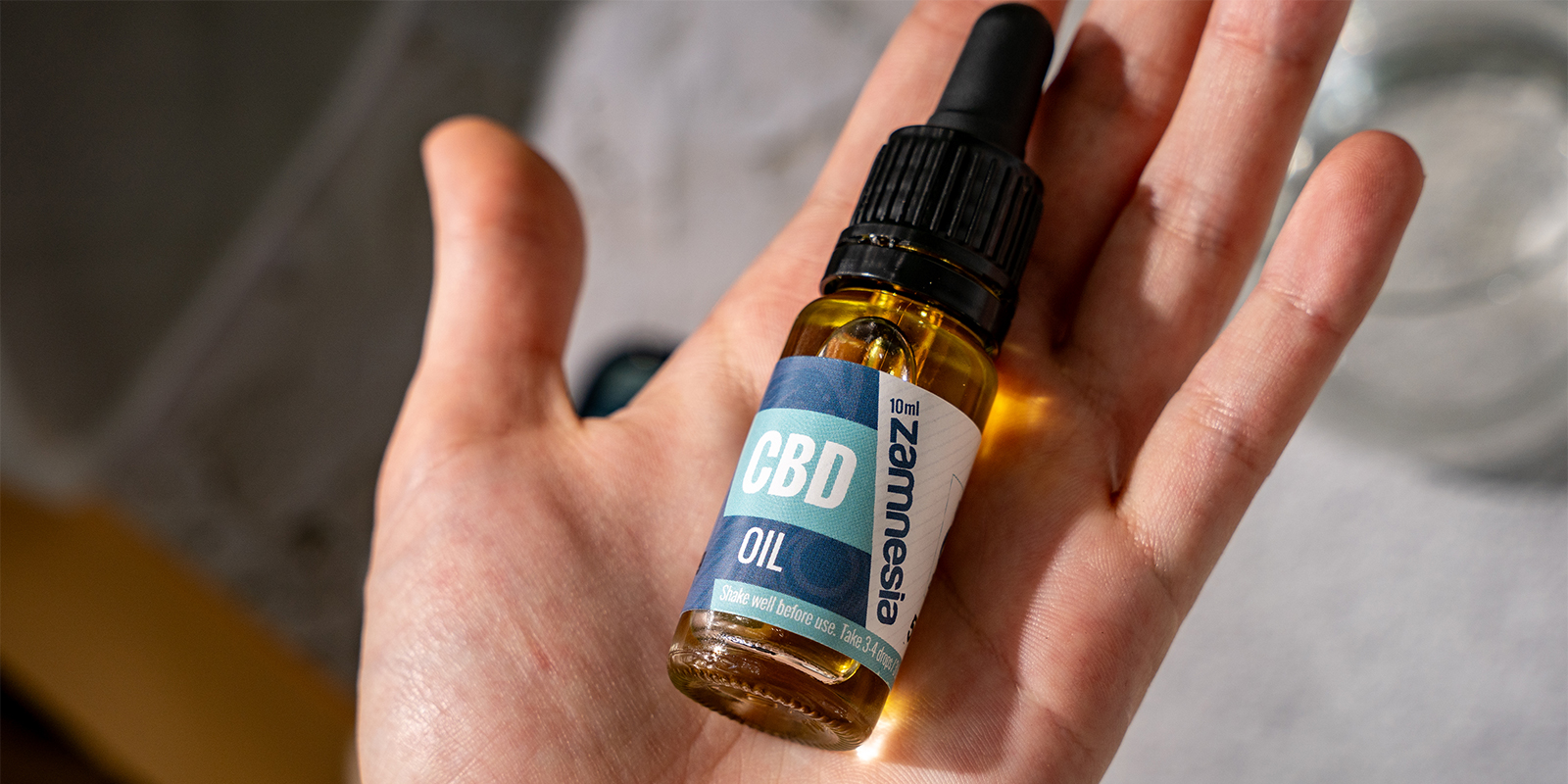
CBD oil laws can be surprisingly nuanced. In many countries, CBD itself isn’t treated the same way as high-THCA cannabis, but legality often comes down to the product’s THCA content, how it’s made, and what claims are made on the label.
Across Europe and beyond, it’s common to see CBD allowed when it comes from approved hemp varieties and stays below a strict THCA threshold. Elsewhere, rules may vary by state or region, and some places restrict certain formats (for example, ingestible oils) while allowing cosmetics or topicals.
It’s also worth remembering that “legal to buy” and “legal to import” aren’t always the same thing. Customs rules, novel food regulations, and local enforcement can vary—even within the same country.
Because laws change regularly, treat any general guide as a starting point only. Before purchasing or traveling with CBD, take a moment to research your local laws and check the latest official guidance for your area.
It’s time to see what CBD can do for you
Once you understand the different extract types, how to spot quality, and the basics of safe use, CBD becomes a lot easier to navigate. The best move is to match your pick to your personal wellness goals, then experiment patiently—small tweaks to strength, format, and timing can make a real difference.
If you’re ready to explore, browse our range of options and take notes on what works for you. For practical tips on routines and formats, our how to use CBD guide is a helpful next step.
-
 4 min
August 8, 2021
Top 5 Zamnesia CBD Products
Shopping for CBD can be a confusing experience. There are so many products and brands out there. At Zamnesia, we provide a high-quality CBD line featuring numerous easy-to-use products.
4 min
August 8, 2021
Top 5 Zamnesia CBD Products
Shopping for CBD can be a confusing experience. There are so many products and brands out there. At Zamnesia, we provide a high-quality CBD line featuring numerous easy-to-use products.
-
 5 min
September 7, 2020
CBD Vs CBN: What's The Difference?
As one of over 100 cannabinoids within the cannabis plant, CBN offers interesting effects. But science still has much to learn about the molecule. It shares some striking similarities with CBD, yet...
5 min
September 7, 2020
CBD Vs CBN: What's The Difference?
As one of over 100 cannabinoids within the cannabis plant, CBN offers interesting effects. But science still has much to learn about the molecule. It shares some striking similarities with CBD, yet...
-
 3 min
January 15, 2019
CBD Oil Benefits: Should You Use It?
CBD is fast becoming the star of the cannabinoid family. Taken in oil form, CBD is utilised for many purposes. Here's the scoop on why you should use CBD oil.
3 min
January 15, 2019
CBD Oil Benefits: Should You Use It?
CBD is fast becoming the star of the cannabinoid family. Taken in oil form, CBD is utilised for many purposes. Here's the scoop on why you should use CBD oil.