 8.6 out of 10 based on 81214 reviews








.svg)
.svg)
.svg)
.svg)
.svg)


 Autoflower Seeds
 Feminized Seeds
 Zamnesia Seeds


 Help
HelpFlushing Cannabis: What You Need To Know
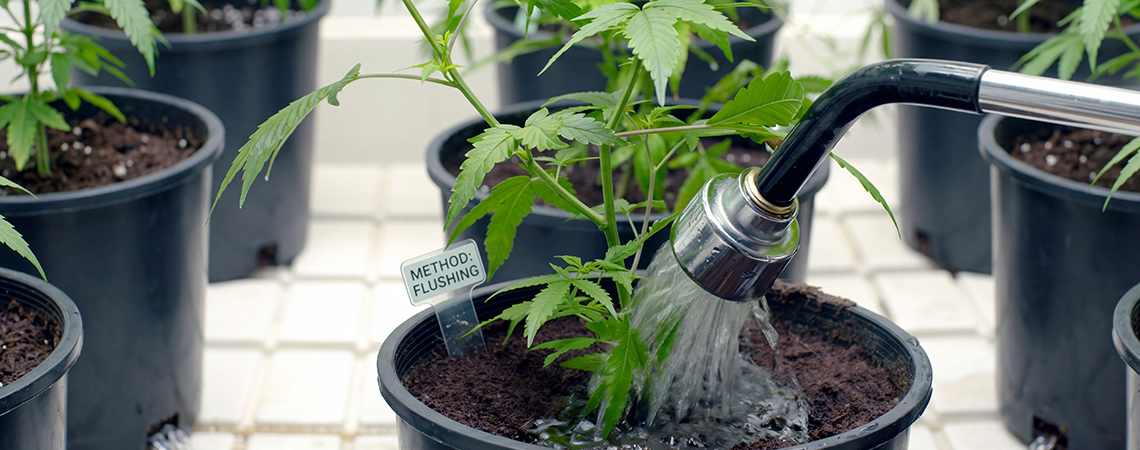 Flushing cannabis is one of those end-of-grow topics that can turn a calm conversation into a proper argument. Some growers treat it as essential for a cleaner, smoother final product. Others see it as an old habit with very little hard evidence behind it.


Is flushing cannabis necessary, or just tradition? Get clear steps for soil, coco, and hydro, plus practical tips on timing, runoff readings, and common mistakes.
At its simplest, flushing means giving your plants plain, pH-balanced water, or a very light solution, for a short stretch near the end of flowering instead of a normal nutrient feed. The goal is to reduce leftover fertilizer salts in the growing medium and, in theory, affect how the final harvest tastes and smokes.
That is where the disagreement starts. Depending on who you ask, what medium they use, and how they feed, you will hear everything from "cannabis flushing myth" to old-school grower wisdom.
Flushing is the practice of running plain, pH-balanced water, or a very light feed, through your growing medium late in flowering to reduce leftover mineral fertilizer salts before harvest.
Those salts can build up over time in soil, coco, or hydro systems, especially when nutrient strength is pushed hard, runoff is limited, or the medium dries out between feedings. When that happens, the root zone can become "hot," which can lead to problems like nutrient lockout and burnt leaf tips.
What Is Flushing Cannabis?
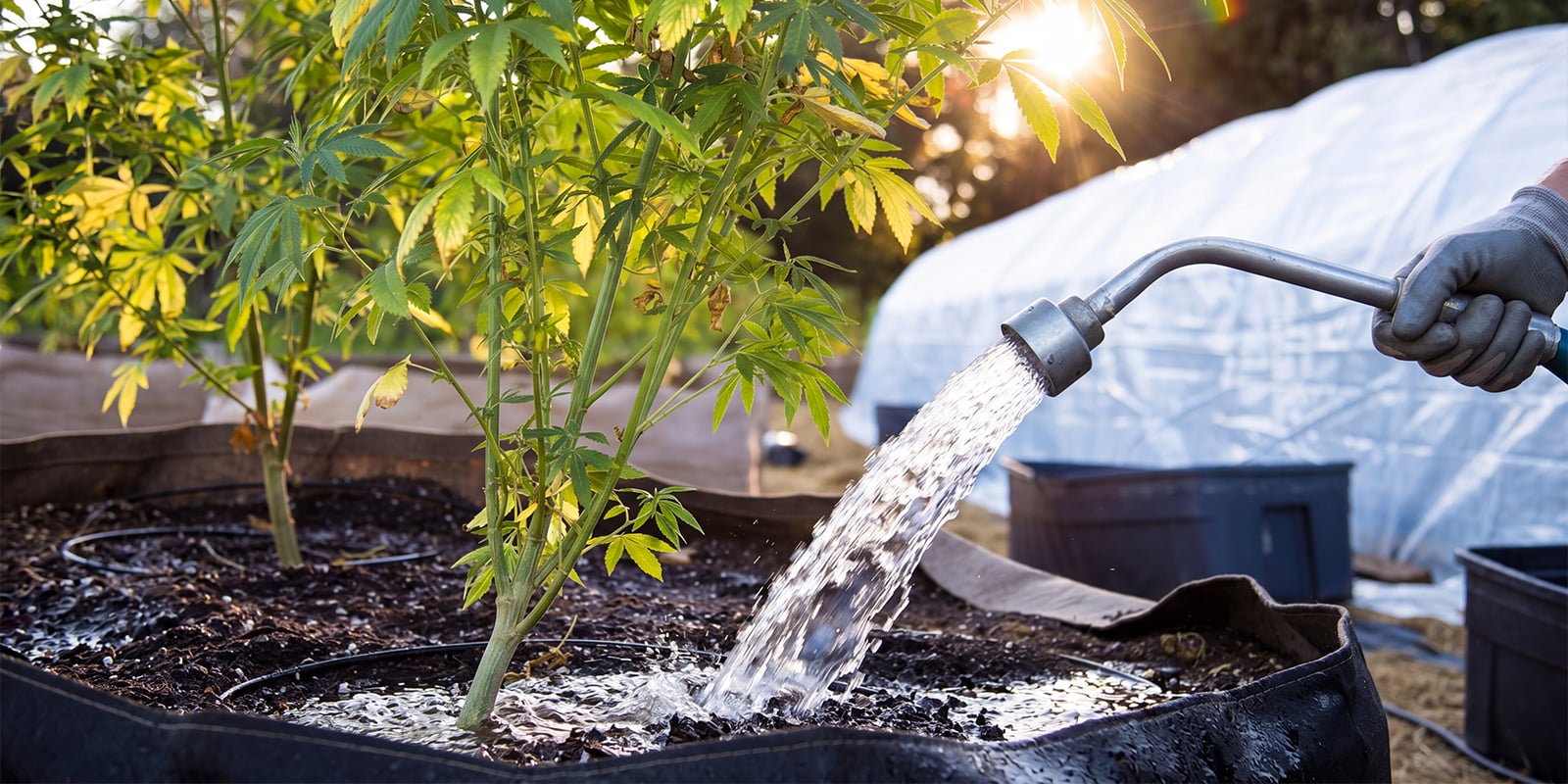 It helps to separate two ideas that often get mashed together. A pre-harvest flush is a planned step right at the end, while a corrective flush is something you do mid-grow to deal with overfeeding or EC that has crept too high. The method is similar, but the purpose is not.
One of the biggest misunderstandings is the idea that flushing literally "cleans" nutrients out of the buds. Current evidence points elsewhere. Taste and smoothness are shaped far more by genetics, drying and curing, and avoiding heavy overfeeding in the first place, so flushing can be useful in some cases, but it is not a magic fix.
What Happens to the Plant During Flushing?
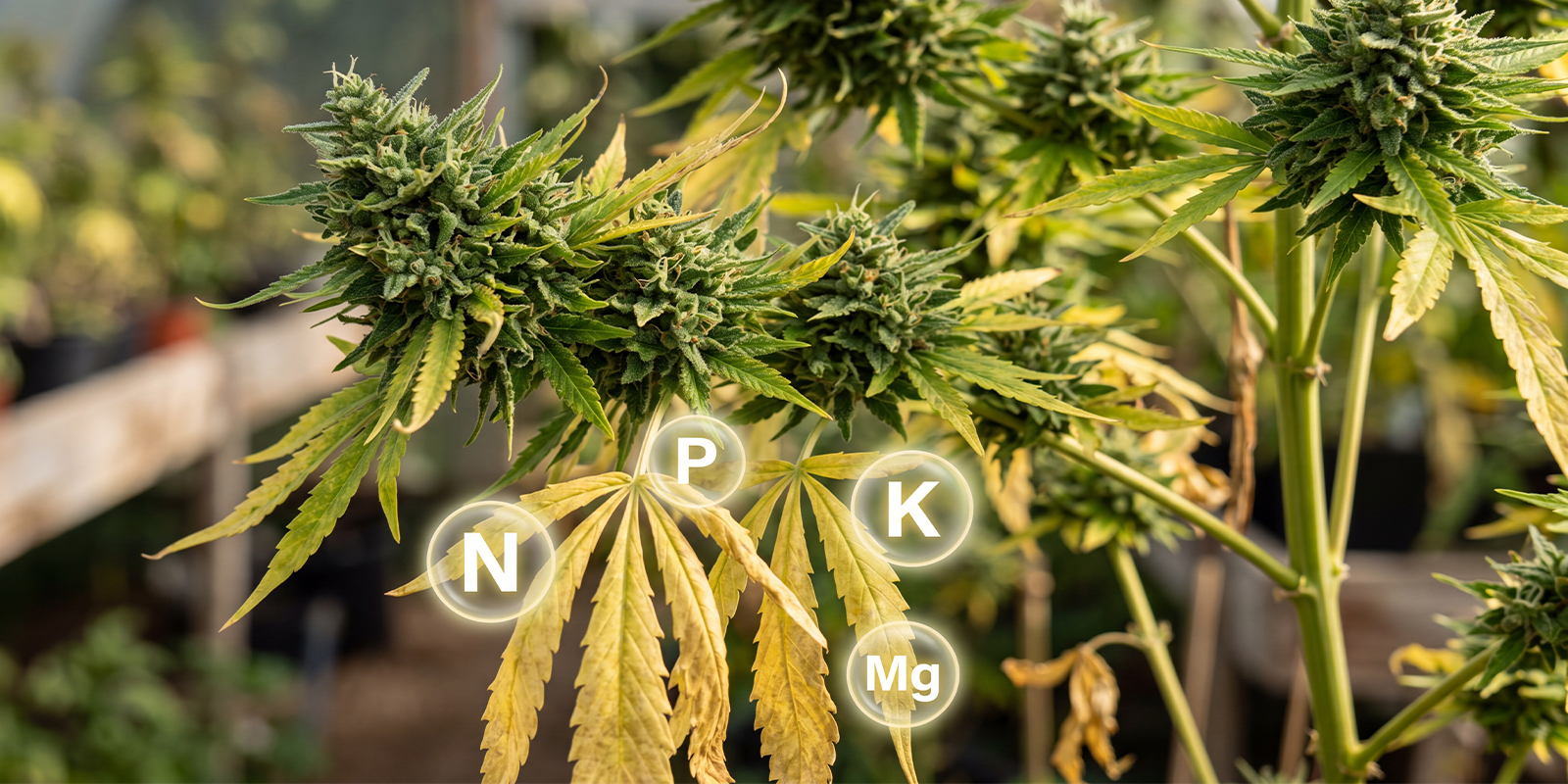
During a flush, the plant does not suddenly "purge" itself. It simply stops getting a fresh supply of nutrients in the root zone. As water moves through the medium, it can dilute and wash out some fertilizer salts, which lowers uptake intensity and reduces the risk of further buildup.
Inside the plant, what you usually see is a shift toward natural senescence. As it nears the end of its life cycle, it starts reallocating resources. Mobile nutrients, such as nitrogen, phosphorus, potassium, and magnesium, can be pulled from older leaves and moved to new growth and flowers, which is why fan leaves often fade or yellow. Immobile nutrients, like calcium and, to some extent, sulfur, do not move as easily, so those deficiencies do not just sort themselves out through flushing.
This is also where the cannabis flushing myth debate comes from. There is limited evidence that flushing removes nutrients from the buds themselves. Most of the change is more likely happening in the medium and the leaves, while flavor and smoothness still depend heavily on drying and curing.
When to Flush Cannabis Plants
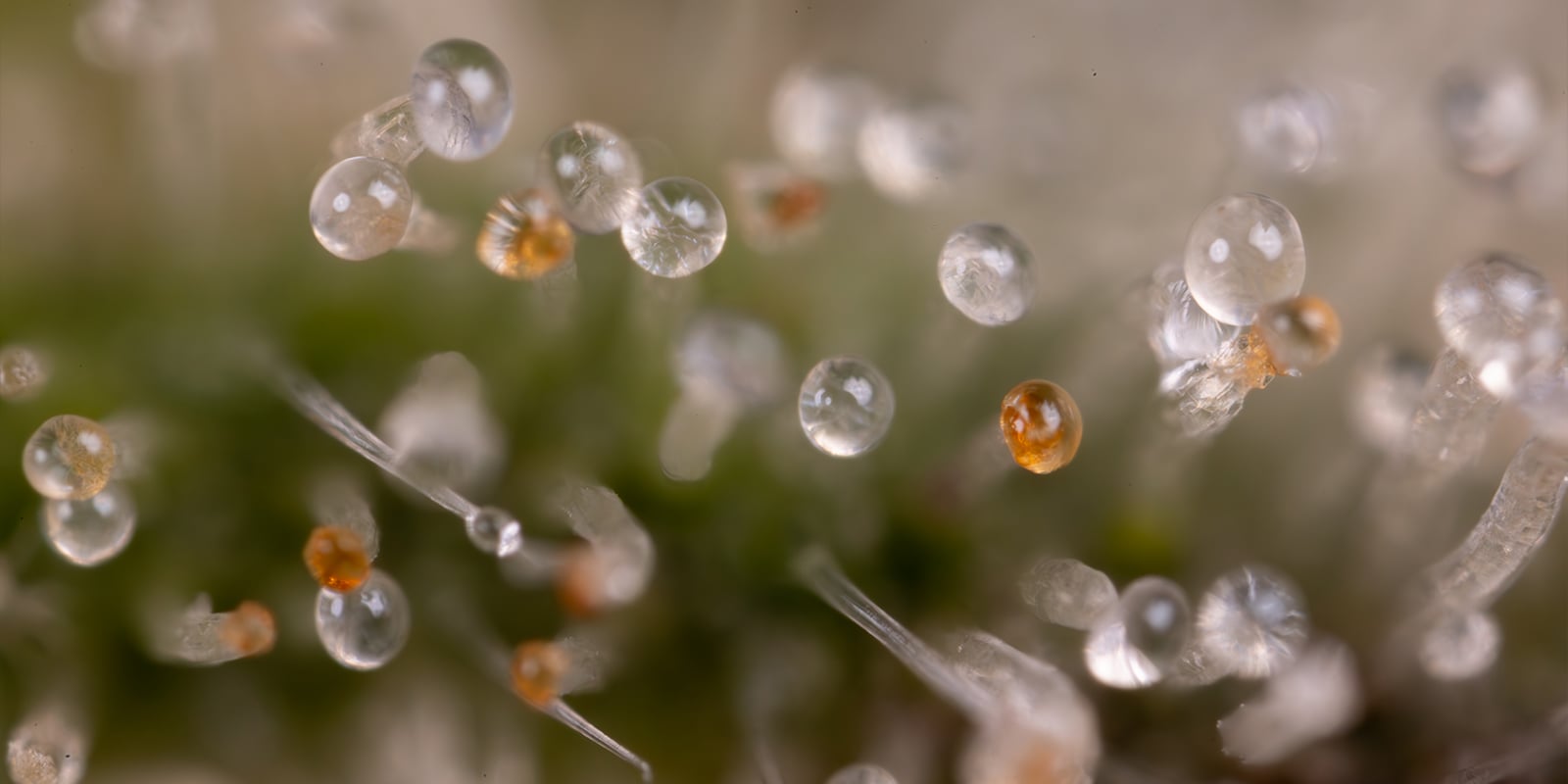
A pre-harvest flush usually starts near the finish, once you are confident the plant is in its final ripening window rather than still pushing lots of fresh white pistils.
As a rough rule, many growers flush for around 7–14 days, but the right window depends on the medium. Soil holds onto nutrients longer, so it often benefits from the longer end of that range. Coco usually sits in the middle, while hydro systems react fast and are often flushed for a shorter period.
Good signs that a plant is ready to flush include slowed vertical growth, swelling flowers, and an overall shift from lush dark green to a lighter end-of-cycle fade, alongside your usual harvest checks, such as trichome maturity.
Flushing Cannabis for Overfertilization
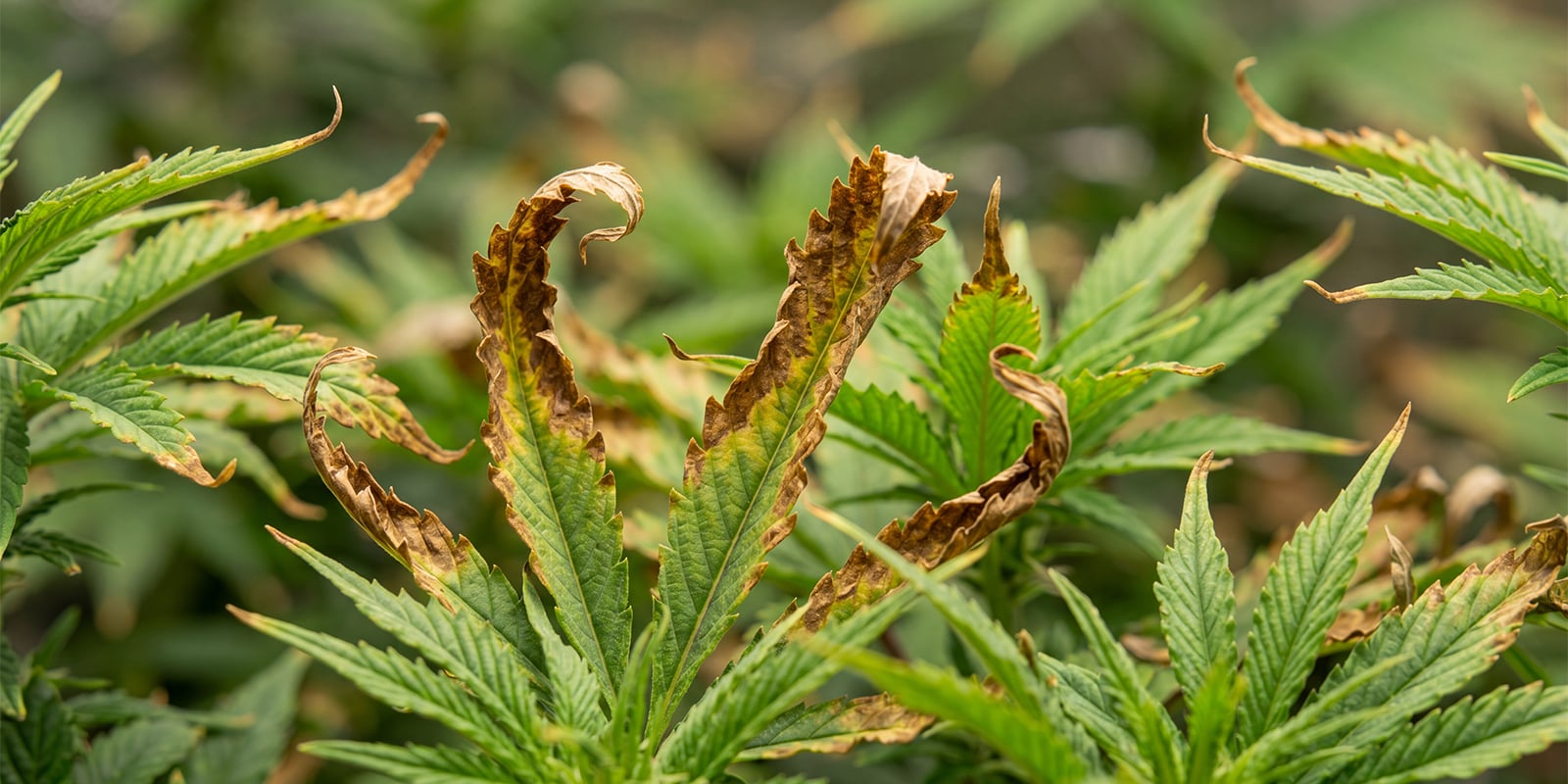
Flushing is not just a pre-harvest move. It is also useful when you are dealing with nutrient burn or salt buildup and need to bring the root zone back into a safer range.
Common signs of overfeeding include burnt leaf tips and edges, very dark, clawed leaves, slowed growth, and a crispy look that seems to get worse after each feeding. For a deeper breakdown, see our guide to nutrient burn.
For an emergency flush, stop feeding and run pH-balanced water through the medium until the runoff is much closer to what is going in. Then restart with a lighter nutrient mix and watch the new growth, not the damaged leaves. Recovery can take several days, and badly affected foliage may never fully recover.
Is Flushing Before Harvest Enough?
A 1-week flush can be enough, but it is not a universal rule. In fast-draining setups, especially hydro and many coco grows, 7 days is often plenty because salts do not hang around for long and the root zone changes fast.
A 10–14-day approach usually makes more sense in soil, in larger pots, or when you have been feeding heavily, with high EC, frequent bottled nutrients, or lots of additives. In those cases, a longer taper gives the medium time to release stored salts and encourages a more natural end-of-cycle fade.
Most of the flushing debate comes down to grower experience rather than hard evidence, so it is worth staying flexible. If the plant is already fading and drinking less, a week may be enough. If the leaves stay very dark and the runoff remains hot, extend the flush and reassess each day.
How to Flush Cannabis (Step-by-Step Guide)
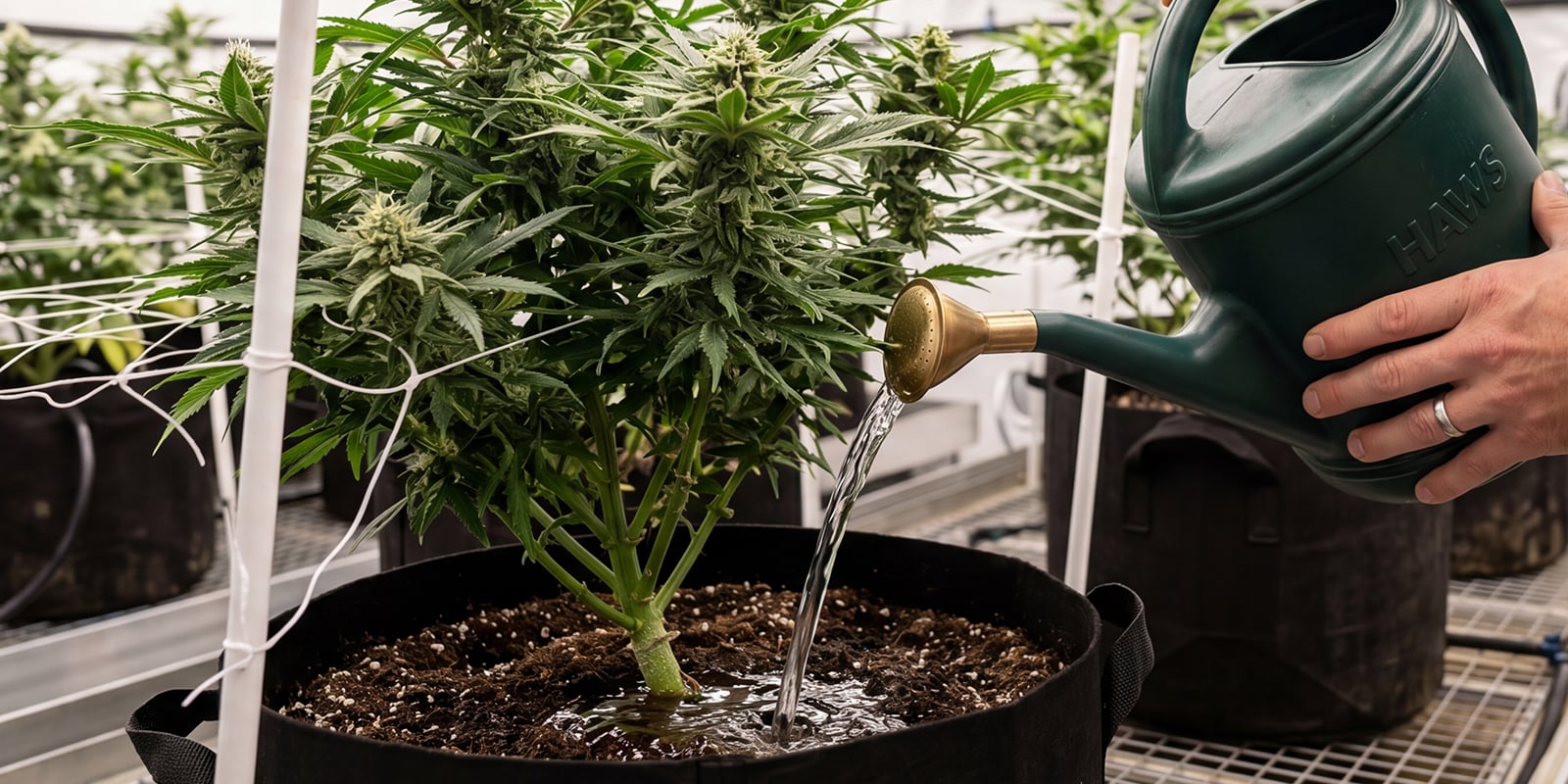
Flushing is basically controlled overwatering used to dilute and wash excess salts out of the root zone. The exact method depends on your growing medium.
- Prepare your water: Use clean, pH-balanced water that suits your setup, whether that is soil, coco, or hydro. Skip nutrients and boosters.
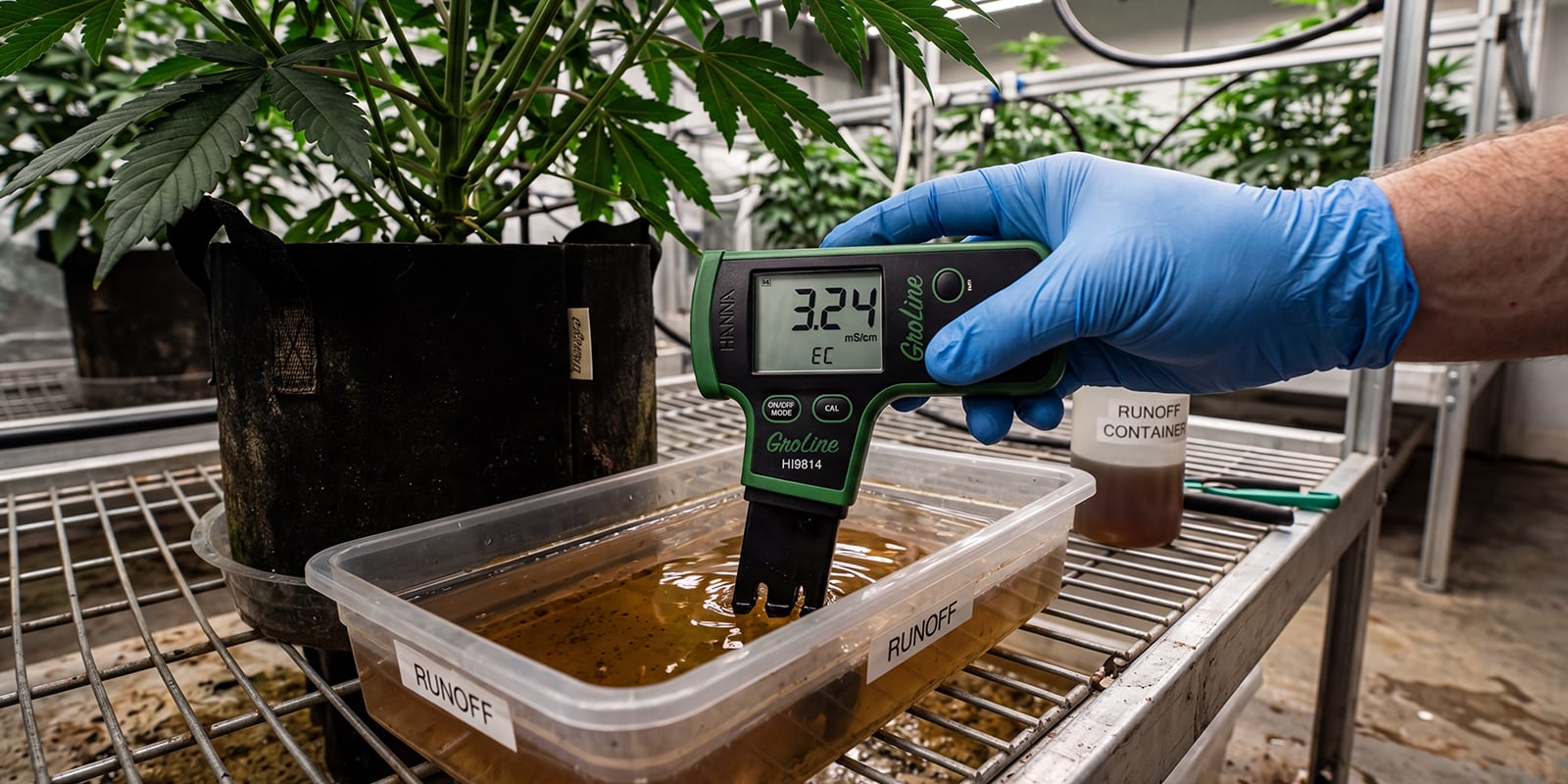
- Check your starting point: If possible, take a quick runoff reading first. Tracking runoff EC/PPM gives you a baseline, so you can see whether the flush is actually making a difference.
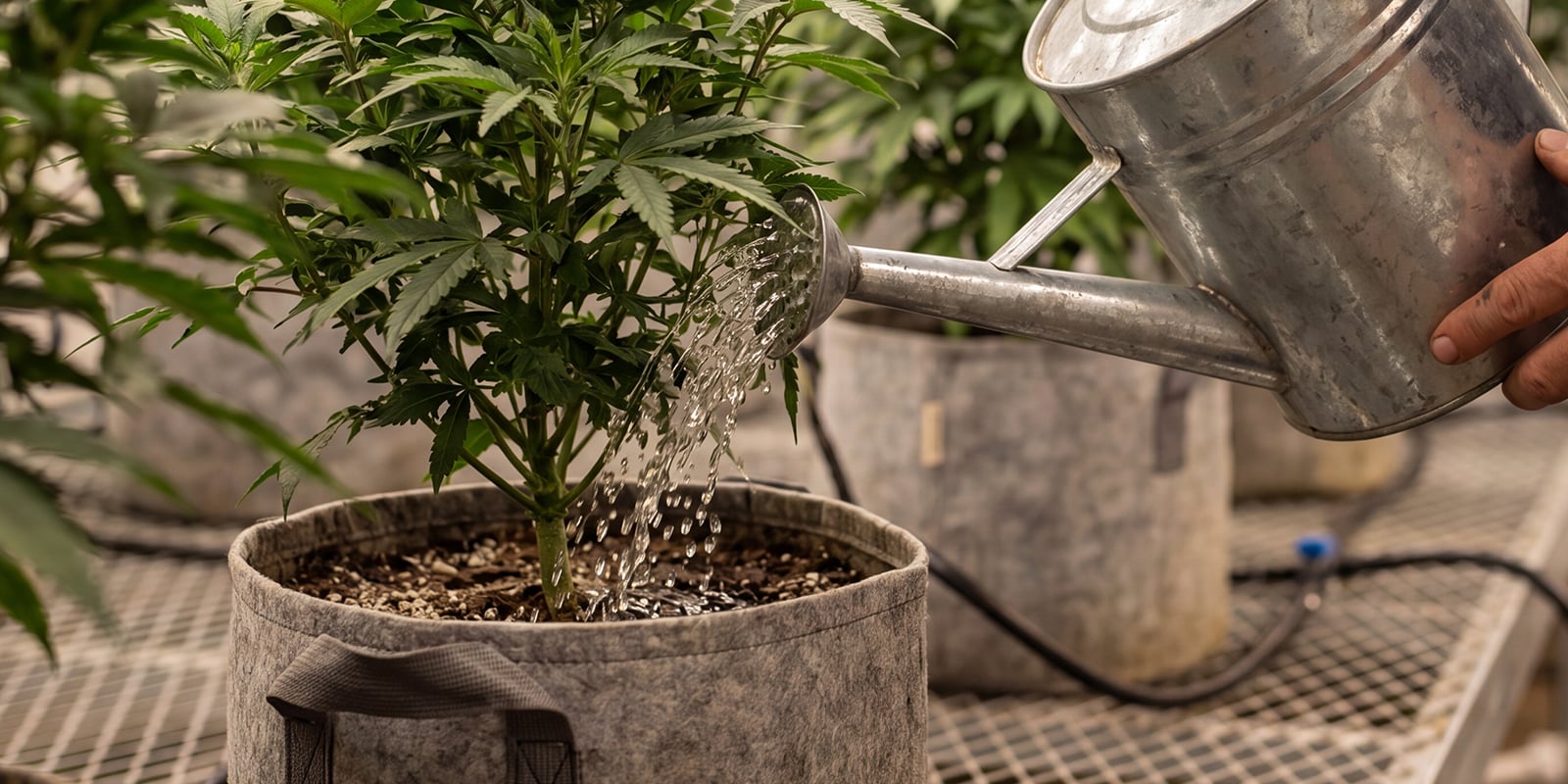
- Flush soil gradually: For soil grows, pour water slowly and evenly across the surface, aiming for steady runoff instead of blasting channels through the pot. A practical guideline is around 2–3× the pot volume in total, applied in stages so the medium can re-wet properly.
- Monitor runoff as you go: Collect the runoff and measure EC/PPM. Keep flushing until the readings drop close to your input water, or at least stop falling sharply, then let the pot drain fully.
- Adjust for coco: Coco usually needs less event flushing because many growers already water to runoff. If you need a reset, run pH-balanced water, or a very light, balanced feed, through the medium and aim for a lower runoff EC/PPM, then restart with a gentler feeding strength.
- Adjust for hydro: Drain the reservoir, refill it with pH-adjusted water, and run the system as usual. For stubborn salt buildup, repeat the change after 12–24 hours and wipe down the reservoir if needed.
- Return carefully to feeding, if it is not pre-harvest: Once the medium has drained and the plant looks stable, restart nutrients at a lower strength and watch new growth for signs of improvement.
Common Mistakes When Flushing Cannabis
- Starting too early: Flushing weeks before harvest can starve the plant while it is still building flowers, which can reduce vigor and cut yields.
- Not adjusting by medium: Soil holds salts differently than coco, and hydro reacts faster. Using one rule for every setup often leads to inconsistent results.
- Overwatering instead of true flushing: A flush is about moving enough water through the root zone to create runoff and shift EC/PPM, not keeping the pot constantly soaked.
- Ignoring plant signals: Wilting, slow drinking, or leaf clawing can point to root-zone stress. Use what you see alongside runoff readings, and lean on our cannabis problem solving guide when the symptoms do not add up.
- Misreading leaf fade: Some yellowing late in flower is normal, but sudden, patchy discoloration can also point to problems unrelated to nutrients.
Organic Growing: Do You Still Need to Flush?
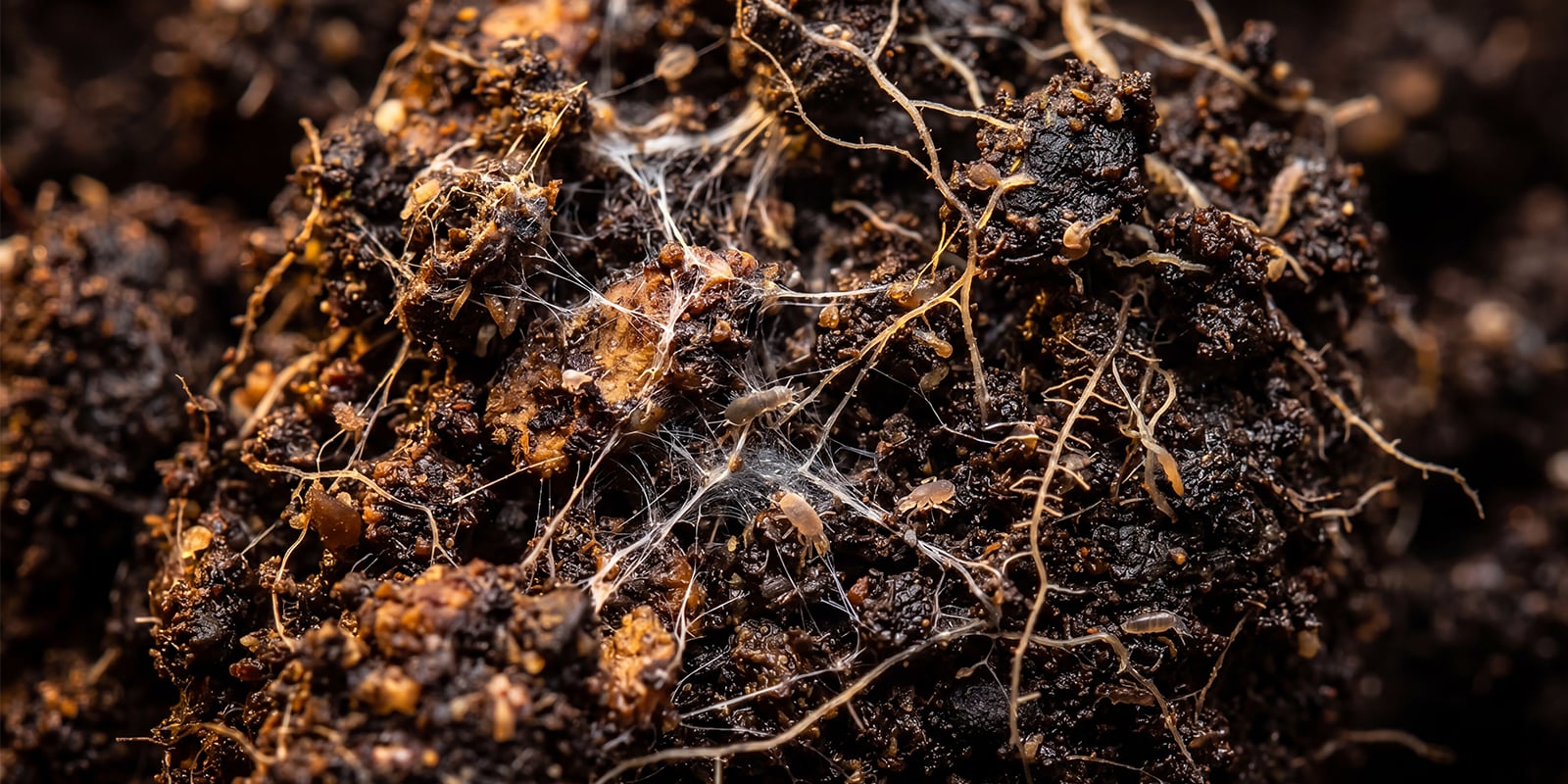
In living soil, nutrients are not just sitting in the water waiting to be rinsed out. They are cycled by microbes and released over time as the plant needs them. That is one of the biggest differences in organic systems. You are managing a whole ecosystem, not chasing a specific bottled EC.
Because of that, a hard flush is rarely essential in a well-run organic grow, and it can even disrupt the biology you have worked to build. A practical approach is to keep feeding and top-dressing sensibly in late flower, then switch to plain water for the final irrigations only if you suspect excess salts from amendments, teas, or earlier inputs.
If you want a deeper look at building a healthy soil food web from the start, see our organic cannabis growing guide.
Final Verdict: Is Flushing Cannabis Necessary?
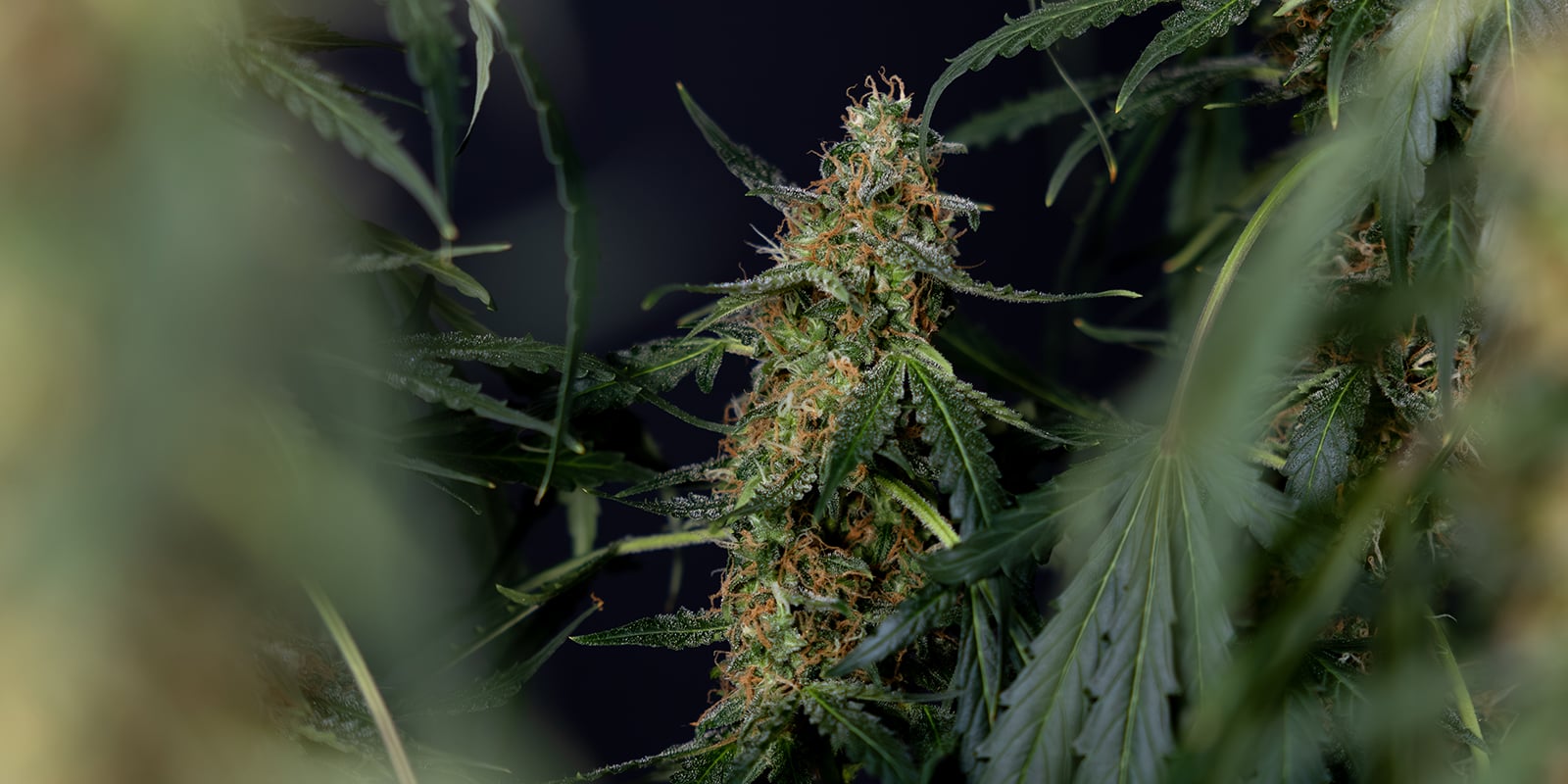
Flushing is not a universal must, but it can be a useful corrective tool when a plant has been overfed or the root zone is carrying excess salts. At the same time, the topic is still debated, with growers reporting different results depending on how they feed, which medium they use, and what they are trying to optimize at harvest.
The most reliable approach is evidence-based testing. Keep everything else consistent, change one variable, and track what happens to runoff, plant behavior, and the final result. In coco and hydro, flushing tends to produce a faster response. In living soil, it is often unnecessary unless something has drifted out of balance.
For more practical grow guidance, browse our cannabis grow guides.