 8.7 out of 10 based on 77140 reviews








.svg)
.svg)
.svg)
.svg)
.svg)


 Menu
Menu
-
 TRIBE
All CategoriesTRIBE
TRIBE
All CategoriesTRIBE
- My Membership
- Spend Gift Points
- TRIBE Sale
- Exclusive products
- Earn Extra Gift Points
- Early Access
- Refer a Friend
- Information
 Autoflower Seeds
 Feminized Seeds
 Zamnesia Seeds


 Help
Help United States
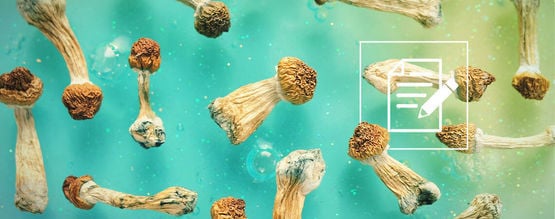
How To Dry Magic Mushrooms
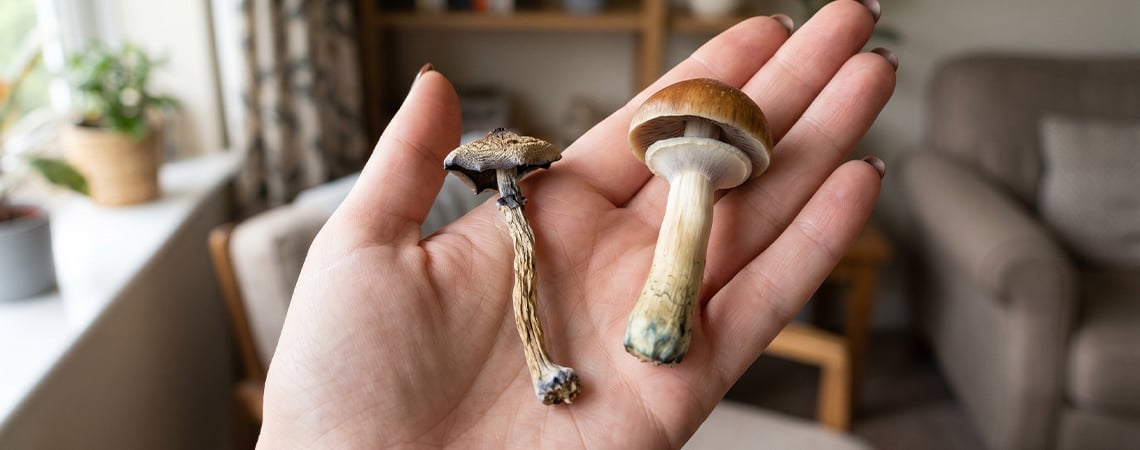



Not every method dries at the same pace. See when to slice thick mushrooms, what cracker-dry really means, and why steady heat usually wins.
Drying matters if you want to keep magic mushrooms in good shape for more than a brief window. Removing moisture properly helps prevent mold in storage and lowers the risk of potency dropping through slow degradation.
The most dependable method is a food dehydrator set to 160–170°F. It dries mushrooms efficiently, keeps conditions steady, and cuts out the guesswork that comes with air-drying or oven-drying. It also lines up with current, evidence-based guidance. Older advice often favored very low heat to "protect actives," but sensible dehydrator temperatures are considered safe and give you a faster, more reliable dry.
The Best Way to Dry Magic Mushrooms: Use a Food Dehydrator (160–170°F)
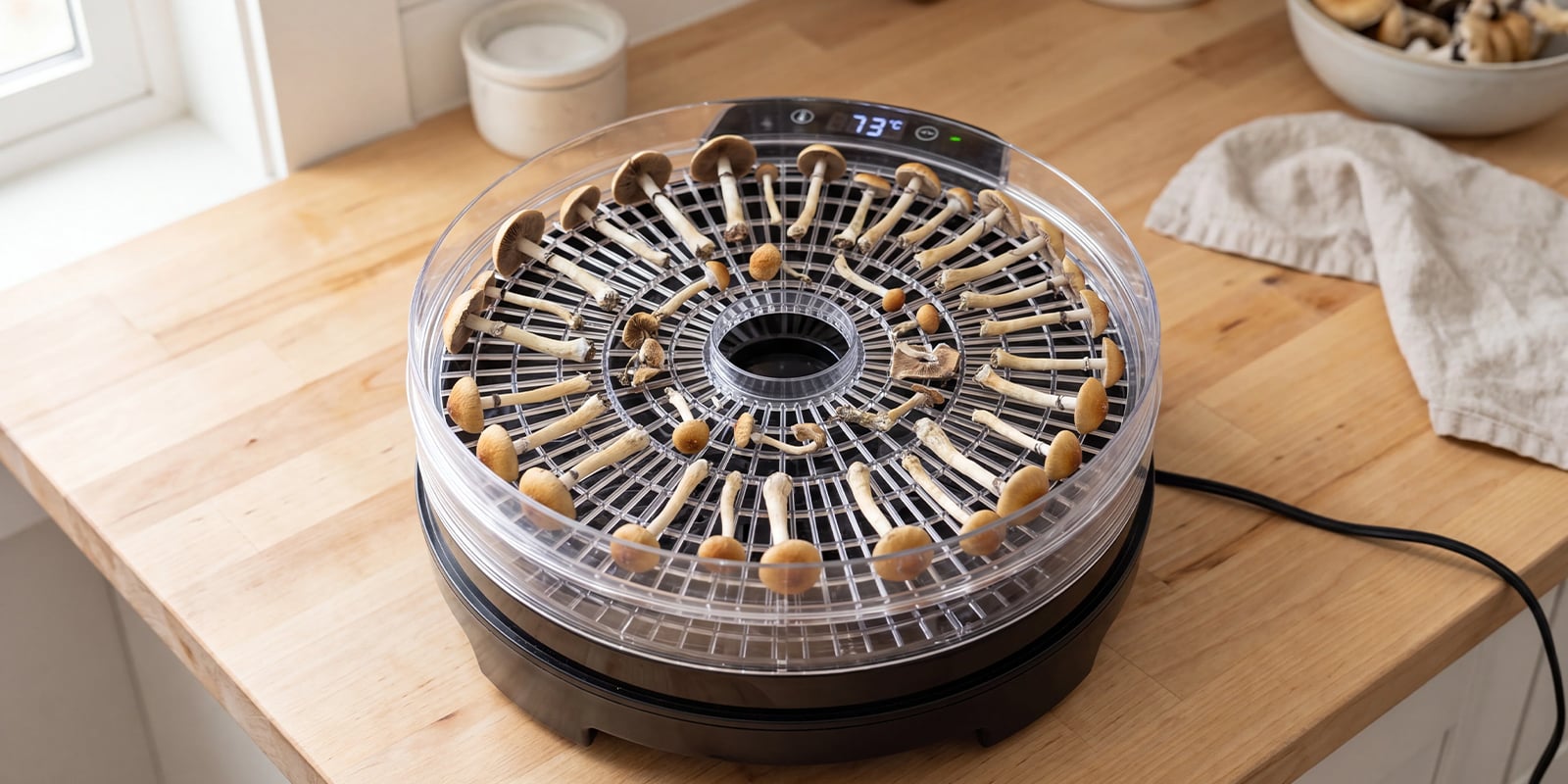
For most growers, this is the best method for drying magic mushrooms: a food dehydrator set to 160–170°F. A dedicated dehydrator provides steady heat and consistent airflow, so moisture leaves faster and with fewer variables than improvised setups.
Lower settings, like 120°F, are usually inefficient. The longer mushrooms stay warm and damp, the more time enzymes have to drive oxidation, the same process linked to blueing, which can wear down quality even if you avoid outright overheating.
- Brush off visible debris, avoid soaking, and trim away damaged parts.
- Leave small mushrooms whole; slice large or thick ones lengthwise so they dry evenly.
- Arrange the pieces in a single layer with gaps between them so air can circulate freely.
- Set the dehydrator to 160–170°F and dry until fully brittle.
- Check progress from time to time, rotating trays if your unit dries unevenly.
As a rule of thumb, drying magic mushrooms in a dehydrator usually takes 4–6 hours for small fruits and 8–12 hours for larger, thicker specimens. They're done when the stems snap cleanly and the caps crumble instead of bending, the classic cracker-dry test.
Alternative Methods for Drying Magic Mushrooms
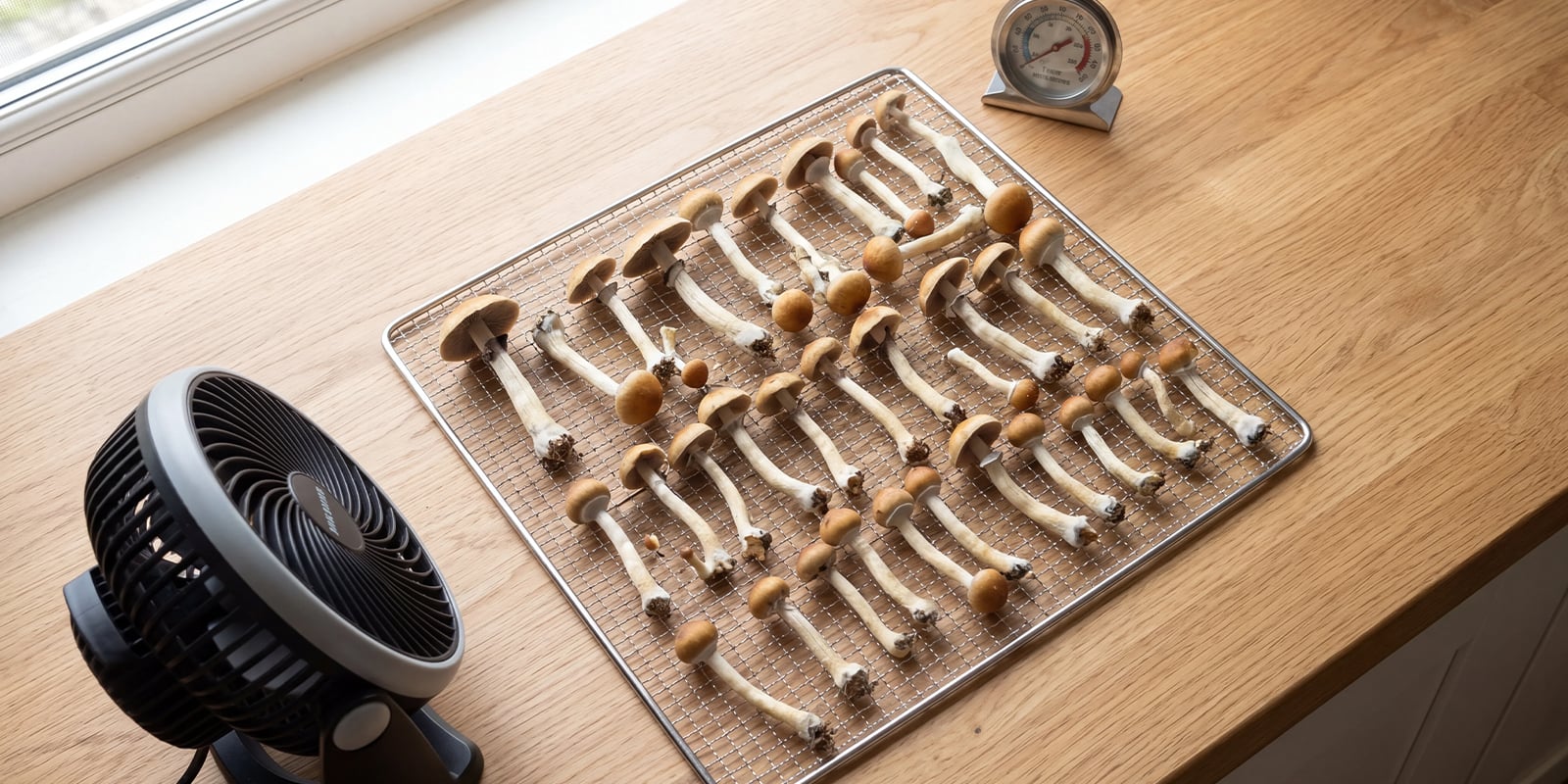
A dehydrator is the most consistent option, but it's not the only way to dry mushrooms safely. The methods below cover common at-home alternatives, from simple airflow setups to using an oven.
Each method has limits, mainly slower drying, uneven temperature control, and less room for error, so the goal stays the same: remove moisture quickly, evenly, and all the way to cracker-dry before storage.
Air Drying Magic Mushrooms
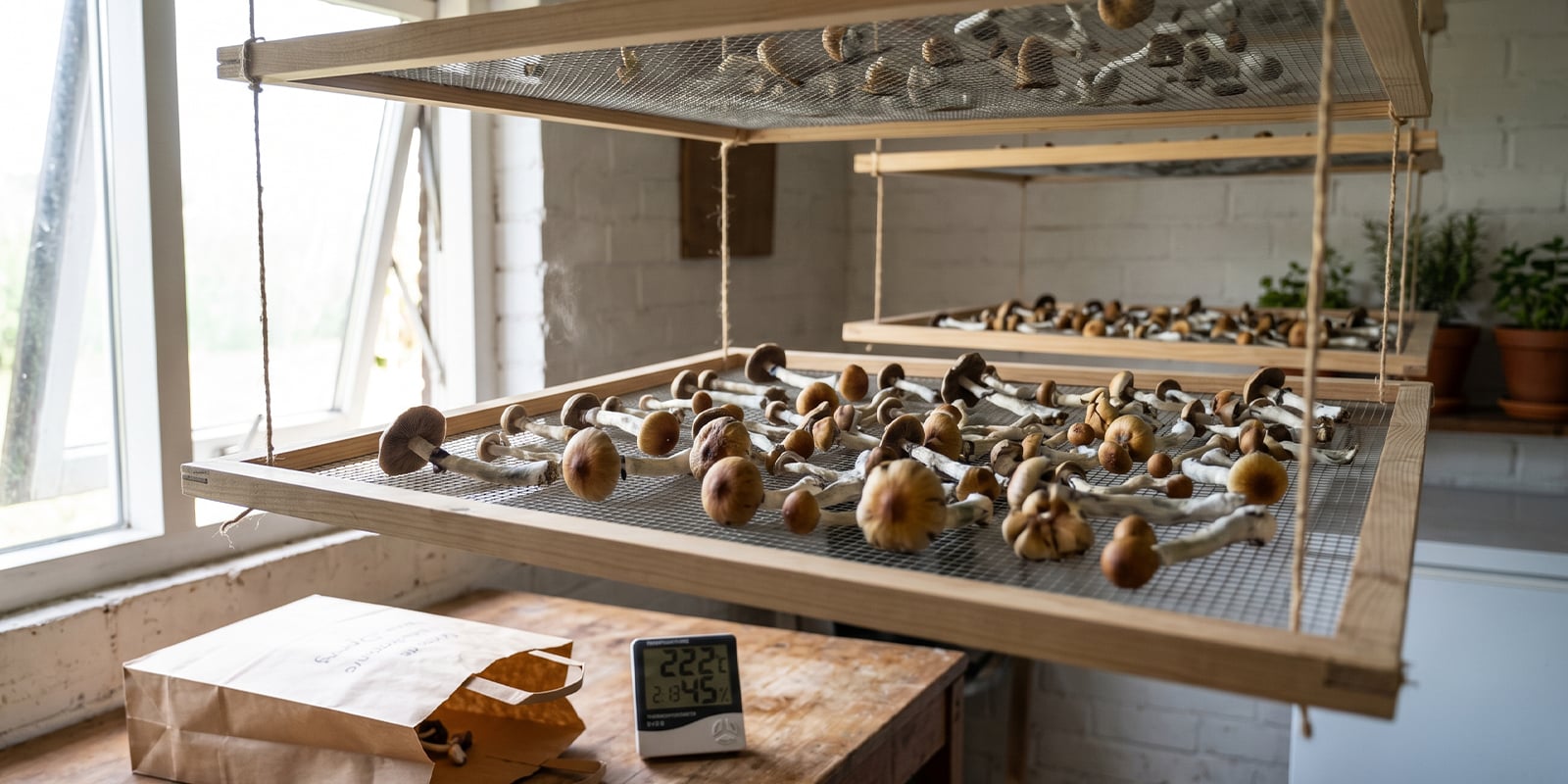
Air drying uses ambient airflow to evaporate moisture. In good conditions, with low humidity and steady ventilation, it usually takes about 24–72 hours, sometimes longer for thick stems.
- Brush off debris and remove any damaged sections.
- Slice large mushrooms lengthwise to speed up drying.
- Lay them in a single layer on a clean mesh rack or paper, leaving space between pieces.
- Run a fan nearby to keep air moving, but don't aim it so hard that the pieces blow around.
- Turn the mushrooms a few times a day and remove any that develop soft, wet spots.
The drawback is reliability. If your room is humid, moisture can hang around, and mold risk climbs fast, which is why air-drying magic mushrooms only makes sense when you can manage airflow and keep humidity low. Even then, it's slower and less predictable than using a dehydrator, so it's not the best way to dry magic mushrooms when consistency matters.
Drying Shrooms With a Desiccant
A desiccant, such as silica gel, is a useful backup when you don't have a dehydrator, but it works best as a finishing step rather than the main drying method. Expect about 24–72 hours in total, depending on humidity and mushroom size.
Start by fan-drying on a rack until the mushrooms feel mostly dry to the touch, often 12–48 hours. Then move them to an airtight container with a desiccant kept separate from the mushrooms, for example, in a sachet or on a raised layer. Desiccants pull leftover water vapor from the sealed air, gradually drawing the last moisture out of the fruiting bodies.
The limits matter here: if you seal mushrooms while they're still wet, you can trap moisture and encourage mold. Desiccants also become saturated, so they may need replacing or recharging, and drying can be uneven with thick stems unless you slice them first.
Magic Mushrooms in the Oven: Is It Safe?
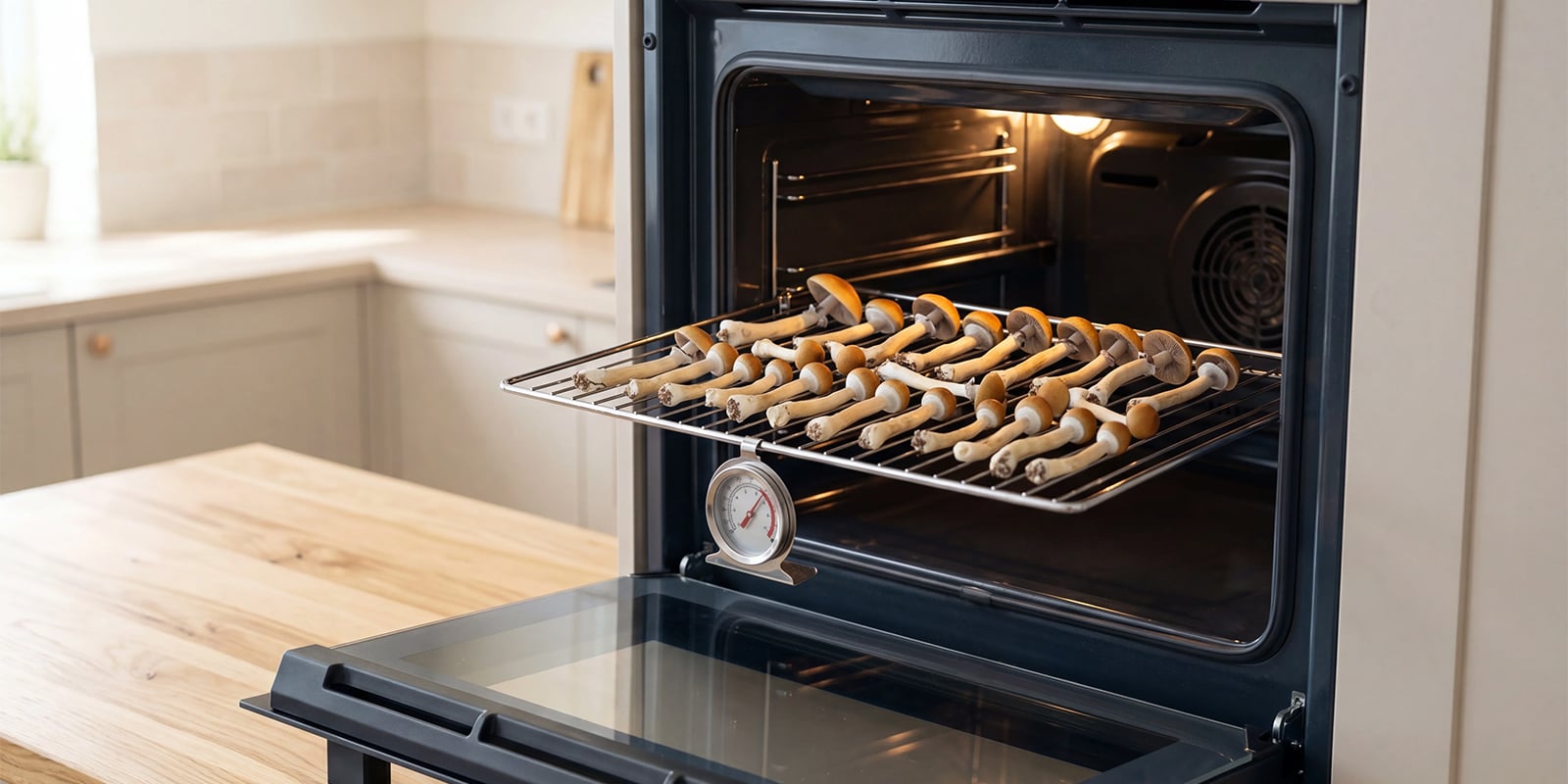
Oven-drying comes up all the time in Reddit threads, usually as a quick workaround. It can work, but it's harder to control than a dehydrator, and that lack of precision is the main risk to both safety and quality. Drying times vary a lot, but expect roughly 2–6 hours depending on your oven, the batch size, and the mushrooms themselves.
If you try it, use the lowest stable setting your oven can hold and keep the door slightly cracked so moisture can escape. Place the mushrooms in a single layer on a rack, not a solid baking sheet, and turn them now and then.
Temperature control is critical, so use an oven thermometer instead of trusting the dial. Many ovens run hotter than expected and create local hot spots. Uneven heating can leave some pieces damp, which raises mold risk, while others overdry, which is why this method is still less precise than using a dehydrator.
How to Cut Large or Thick Mushrooms Before Drying
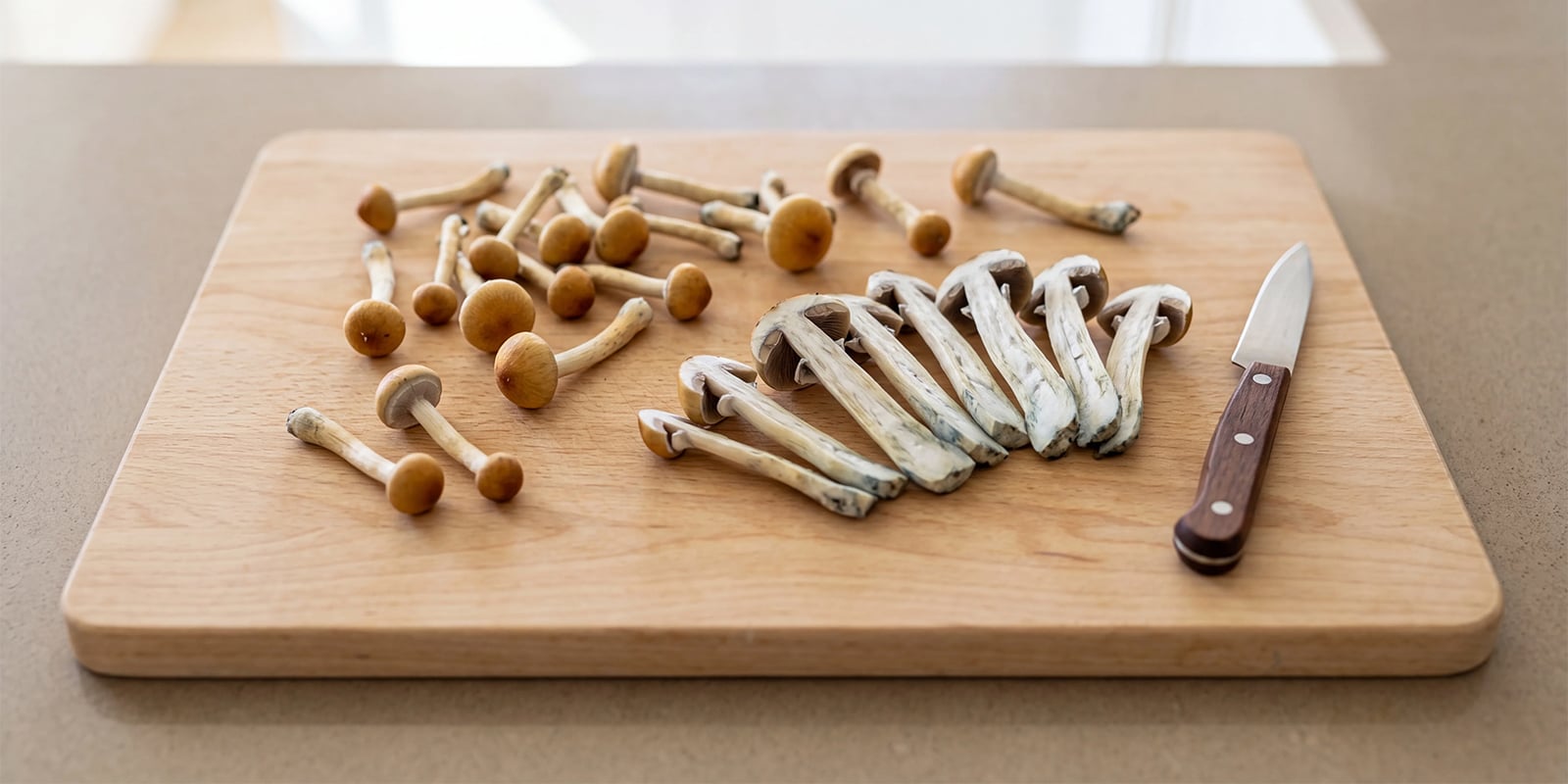
Large fruits and chunky stems hold water longer because moisture has farther to travel from the center to the surface. That's why thick mushrooms can feel dry enough on the outside while still staying damp inside, exactly what you want to avoid before storage.
As a rule, leave small mushrooms whole, but slice larger specimens lengthwise from cap through stem. Halving is often enough; very thick stems can be quartered. The goal is even thickness so every piece dries at the same pace, which cuts the risk of soft spots.
On dehydrator trays, spread the pieces in a single layer with a little space between them. Overlapping mushrooms blocks airflow and creates slow-drying pockets, even in a solid unit.
Size is the main factor that affects timing: small whole mushrooms often finish in about 4–6 hours, while thick, sliced fruits commonly take 8–12 hours. Whatever the estimate, stop only when everything is cracker-dry all the way through.
The Science Behind the Correct Drying Temperature
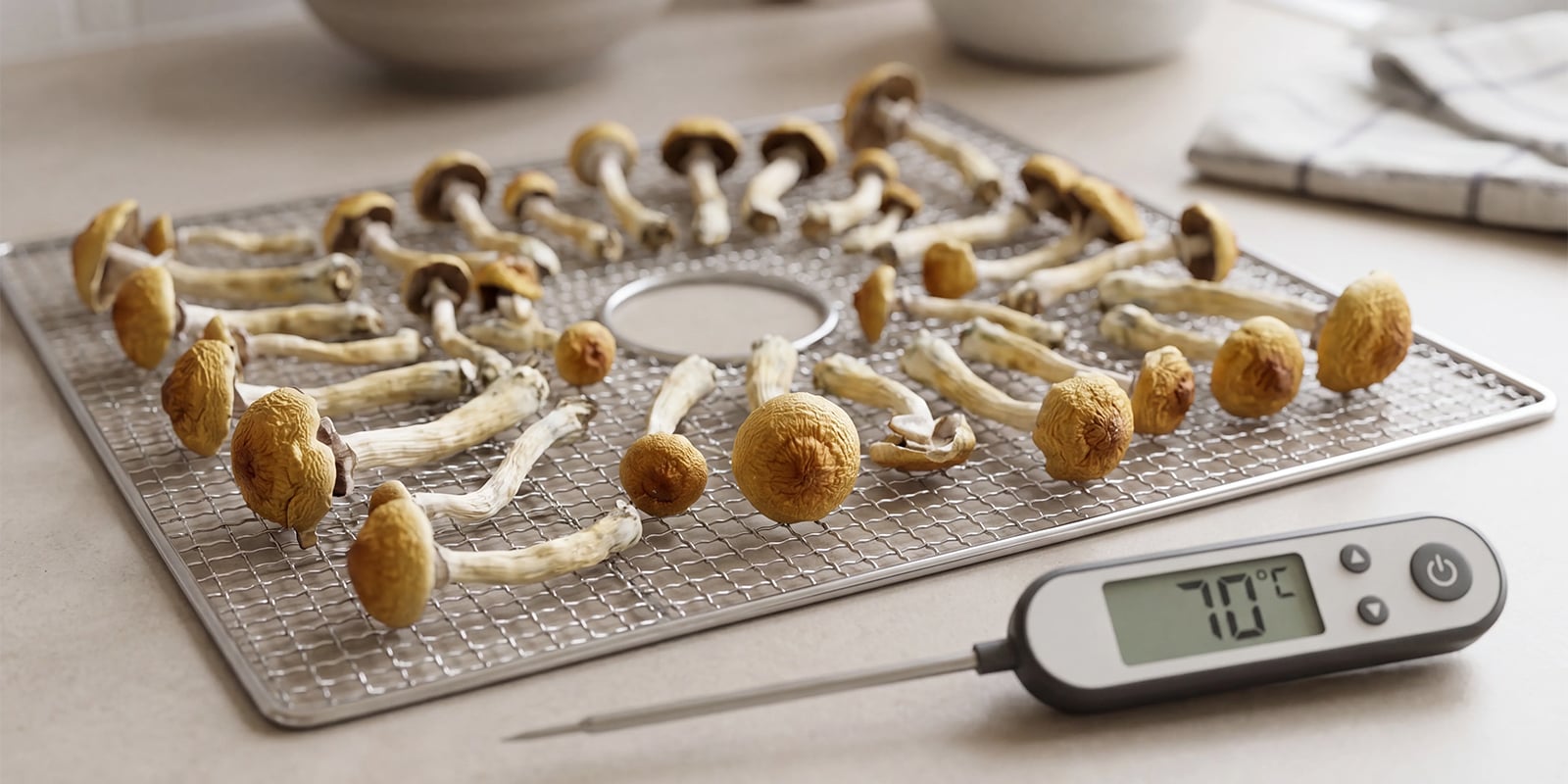
A lot of older advice treats heat as the main threat to potency, but the data doesn't support that at normal dehydration temperatures. Research suggests psilocybin stays stable at 212°F, with meaningful degradation starting only at higher temperatures, around 257°F and above.
It also helps to distinguish between psilocybin and psilocin; psilocybin vs. psilocin is a useful way to frame why handling and drying conditions matter. Much of the visible blueing is linked to enzymatic oxidation rather than thermal breakdown, and those enzymes keep working while mushrooms stay wet.
Drying at 160–170°F removes water quickly and helps deactivate degrading enzymes early, so you spend less time in the high-risk window where slow drying and oxygen exposure can chip away at quality. That's why controlled dehydration tends to preserve potency more reliably than long, humid air-drying.
Should You Pre-Dry Magic Mushrooms?
Pre-drying usually means leaving freshly picked mushrooms out on a rack, often with a fan, to start the process before finishing them in a dehydrator or with a desiccant. The problem is time. Longer exposure to humid air keeps the mushrooms wet and raises the risk of mold, especially in warm rooms.
If you're using a dehydrator, pre-drying isn't necessary. For more context on handling fresh versus dried material, see fresh vs. dried magic mushrooms.
Drying Done the Right Way
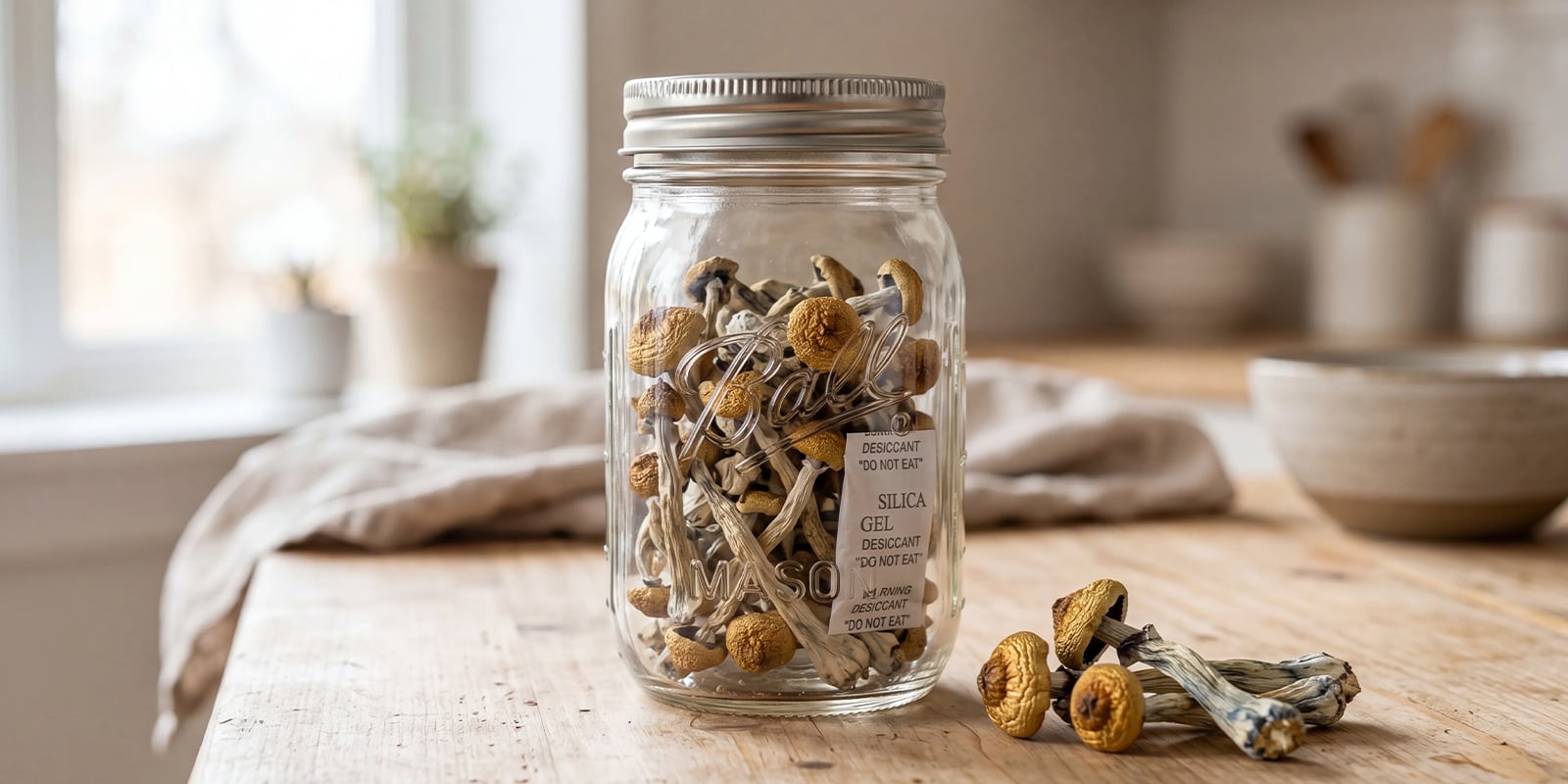
Drying properly is what separates a clean, stable stash from disappointing mold or gradual quality loss. For most home growers, a mushroom dehydrator set to 160–170°F is the best way to dry magic mushrooms because it removes water fast, keeps conditions consistent, and reduces the time enzymes and microbes have to do damage.
Air-drying and oven-drying can work when you're short on equipment, but both come with limits. Airflow, humidity, and temperature swings make results less predictable, and dry on the outside is not the same as fully dry.
Whatever method you use, slice thick stems lengthwise, avoid overcrowding trays, and keep going until everything is cracker-dry all the way through. Once dried, storage matters just as much. Use magic mushroom storage best practices, and explore our magic mushrooms hub for broader guidance grounded in up-to-date science.

-
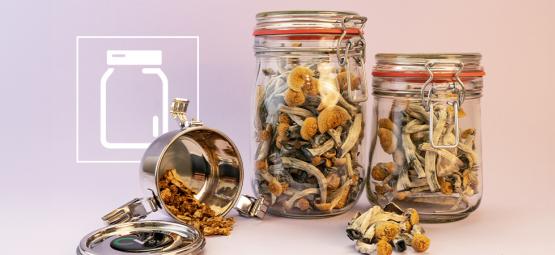
 5 min
July 29, 2024
How To Store Magic Mushrooms
If you want your shrooms to stand the test of time, then you'll need to not only dry them properly, but store them adequately too. While not difficult, it is important to get this right if you want th ...
5 min
July 29, 2024
How To Store Magic Mushrooms
If you want your shrooms to stand the test of time, then you'll need to not only dry them properly, but store them adequately too. While not difficult, it is important to get this right if you want th ...
-
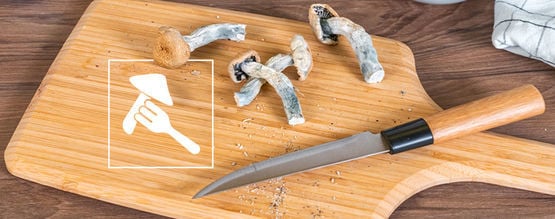 6 min
June 18, 2024
The Best Ways to Take Magic Mushrooms
Consuming shrooms doesn't have to be a nauseating experience. Enjoy that psychedelic trip, courtesy of our five best methods for consumption. ...
6 min
June 18, 2024
The Best Ways to Take Magic Mushrooms
Consuming shrooms doesn't have to be a nauseating experience. Enjoy that psychedelic trip, courtesy of our five best methods for consumption. ...
-
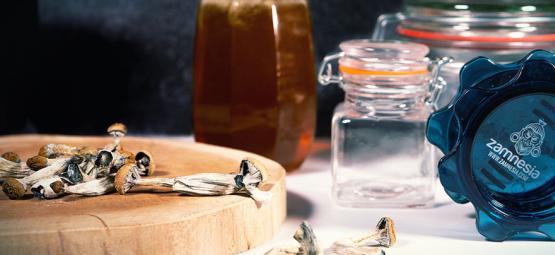 4 min
May 14, 2021
Blue Honey: Making Psychedelic Honey With Magic Mushrooms
Of all psychedelics, magic mushrooms offer the widest variety in terms of how they can be taken. You can munch them down as quickly as possible, make them into a lemony mess to blow your mind, and bre ...
4 min
May 14, 2021
Blue Honey: Making Psychedelic Honey With Magic Mushrooms
Of all psychedelics, magic mushrooms offer the widest variety in terms of how they can be taken. You can munch them down as quickly as possible, make them into a lemony mess to blow your mind, and bre ...
-
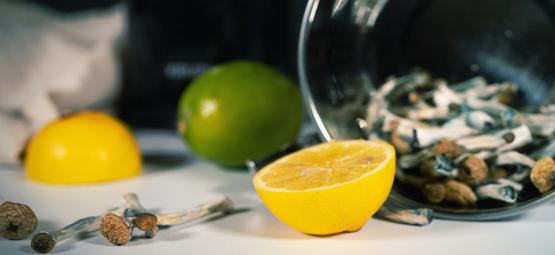 4 min
April 22, 2021
How To Make Lemon Tek For A Faster Mushroom/Truffle Trip
Sometimes, you just want to come up hard and fast. Luckily, there's a way. If you're after mind-bending trips in under twenty minutes, you've come to the right place. Just make sure you're prepared fo ...
4 min
April 22, 2021
How To Make Lemon Tek For A Faster Mushroom/Truffle Trip
Sometimes, you just want to come up hard and fast. Luckily, there's a way. If you're after mind-bending trips in under twenty minutes, you've come to the right place. Just make sure you're prepared fo ...
-
 8 min
June 13, 2019
What To Know About Shrooms (Magic Mushrooms)
Shrooms are treasured for their strong psychoactive properties, producing strong hallucinations, euphoria, altered thinking processes, and a distinct clarity unlike any other substance. Below we take ...
8 min
June 13, 2019
What To Know About Shrooms (Magic Mushrooms)
Shrooms are treasured for their strong psychoactive properties, producing strong hallucinations, euphoria, altered thinking processes, and a distinct clarity unlike any other substance. Below we take ...
-
 2 min
May 29, 2018
How To Make Magic Truffle/Mushroom Tea
Tea is an ideal way to ingest the magic - it is tasty, gentle on the stomach and absorbs faster. What’s not to like? ...
2 min
May 29, 2018
How To Make Magic Truffle/Mushroom Tea
Tea is an ideal way to ingest the magic - it is tasty, gentle on the stomach and absorbs faster. What’s not to like? ...