 8.6 out of 10 based on 80654 reviews








.svg)
.svg)
.svg)
.svg)
.svg)


 Autoflower Seeds
 Feminized Seeds
 Zamnesia Seeds


 Help
Help United States
 10 min
A safe inner journey with truffles: Understanding the process, guidance, and experience



Across Europe, more people are turning to guided truffle journeys to explore their inner world with care, curiosity, and support. This article looks at what these experiences involve, why safety matters, and how they can create space for meaningful insight.
Sometimes, even when you’ve tried everything you can think of, you may find yourself looping through the same feelings: stuck, disconnected, or weighed down by something you can’t quite name. Maybe you’ve talked it through, analyzed it from every angle, and searched for clarity. And still, something inside feels just out of reach.
If that resonates with you, you’re far from alone. More and more people across Europe are choosing inner journeys with truffles, not as a way to escape, but as a gentle way to turn inward with honesty, curiosity, and care.
This article walks you through what a safe, well-supported truffle journey can look like. Whether you’re simply curious or quietly considering something new, you’ll find clear, compassionate information about the overall process, the importance of guidance, and what to keep in mind if you feel called to this kind of inner work.
What an inner journey really is and why people seek it
There are times in life when you pause and realize you’ve been circling the same thoughts, emotions, or habits, as if something inside is gently asking to be noticed. For some people, this shows up as a subtle heaviness or a recurring emotional pattern. For others, it’s a pull toward something deeper: a wish to understand themselves more clearly, to grow, or to reconnect with what truly matters.
Whether you're looking for relief from emotional weight or simply feel ready to explore your inner world with more openness, you're not alone. More and more people are turning toward what’s often called an “inner journey”, not to escape, but to meet themselves more honestly and gently.
At its core, an inner journey is a guided exploration of your inner landscape: your thoughts, emotions, memories, beliefs, and the patterns that shape how you move through life. When approached with intention and proper support, it can create space for insights that everyday life often buries under distraction, routine, or self-protection.
Inner journeys with magic truffles are part of this growing movement. They’re not about “tripping” or chasing visuals; they’re about tuning in. With the right guidance, a truffle journey can bring moments of stillness, clarity, and emotional understanding. It’s a process of turning inward to really see what’s there.
Some people choose to take these journeys one-on-one, allowing for deep, personal focus. Others feel drawn to small group settings, where the presence of others can create a sense of shared recognition, connection, and mutual support. Both options offer unique value, and both rely on a strong foundation of trust and safety.
However, if you’re unfamiliar with truffles themselves and want an overview of what to expect, you can read more in our dedicated article.
Why inner journeys are growing across Europe
In recent years, there’s been a clear shift across Europe, with more people turning to inner journeys to explore their emotional and psychological landscapes. This isn’t just a passing trend; it’s a response to deeper, more meaningful needs. Research into psychedelics has expanded, and countries such as the Netherlands, Germany, Portugal, and the UK have become hubs for this kind of exploration. These regions are seeing a rise in guided psychedelic retreats that blend cutting-edge scientific research with holistic healing approaches.
The appeal of inner journeys comes from a growing desire for insight-based experiences. While traditional therapies often focus on talking through problems or managing symptoms, many people now want a way to actually see their emotional struggles more clearly. Inner journeys, especially with magic truffles, offer a chance to turn inward, not to numb or escape, but to uncover emotional blocks and patterns that may have been hidden under years of daily distraction.
The pull of truffle journeys especially resonates with people dealing with trauma, emotional heaviness, burnout, or recurring patterns they just can’t seem to break. These journeys offer an opportunity to gently peel back layers of emotional tension, creating space for a clearer, more compassionate understanding of yourself.
Scientific research also helps explain why this approach is gaining momentum. In his book How to Change Your Mind, Michael Pollan describes how psychedelics like psilocybin can temporarily quiet the brain's default mode network, which is responsible for rigid, self-critical thinking. This creates a brief window where new perspectives and insights can emerge. This mechanism helps explain why truffles, in the right setting, can interrupt the mental loops that so many people feel stuck in.
Guided retreats across Europe that offer structured, intentional support throughout the journey are a key part of this movement. It’s this combination of professional guidance and emotional safety that helps people feel secure, grounded, and open to the insights that can arise during an inner journey.
Why people choose truffle journeys
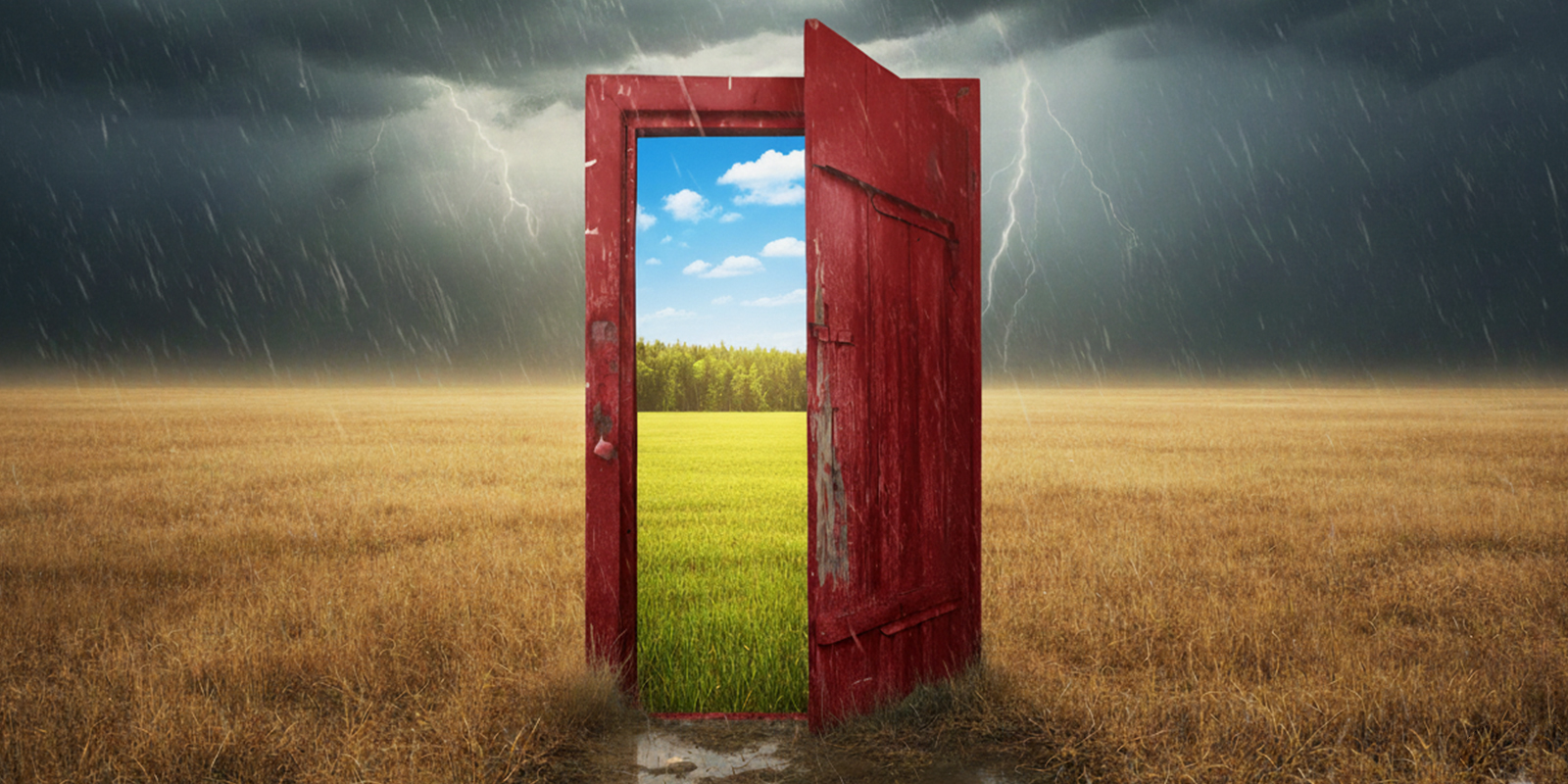
For many, the choice to begin a truffle journey comes from a deep inner sense that something just isn’t quite right. They feel stuck, weighed down by emotional patterns they can’t seem to shift, or they sense that something essential is missing in their life. These journeys are not a quick fix, but a gentle invitation to uncover what’s really happening beneath the surface.
People often arrive at the idea of truffles after trying other therapeutic or personal growth paths, such as therapy, mindfulness, or coaching. They may have already spent years in self-reflection and still feel that something is unresolved or misunderstood. This is where truffles can sometimes offer a different, complementary way forward.
Unlike traditional drugs, which often numb or suppress feelings, truffles can bring forward the emotional layers that need attention. They’re not about escaping reality, but about seeing it with greater clarity. The process may surface old wounds, repressed memories, or unresolved trauma, but in a way that can invite healing rather than retraumatization.
Truffles have a unique ability to help people face what’s blocking them on the inside. They don’t just blast open the emotional floodgates; they create space to meet the root causes of inner tension. By revealing these deep, often hidden layers, truffles offer a path toward understanding and integration instead of suppression.
With the support of experienced facilitators, a truffle journey becomes an opportunity to work directly with the emotional patterns and beliefs that have kept you feeling stuck. Neuroscientist Robin Carhart-Harris offers a useful image: the mind is like a hillside covered in snow. Over time, our habitual thoughts carve deep tracks into that snow. Psychedelics like truffles are like a fresh layer of snow, making it possible to form new paths and new possibilities for emotional and mental freedom.
What people often seek (and sometimes find)
While every journey is deeply personal and no outcome can be guaranteed, many people describe shifts like the following after guided truffle experiences:
- Clearer self-awareness: Noticing emotional patterns or habits with more honesty and kindness.
- Emotional release or clarity: Recognizing long-held feelings and giving them space, which can make them easier to carry.
- A sense of meaning or connection: Feeling more in touch with yourself, others, or life as a whole.
- Creative openings: Fresh ideas or new ways of seeing familiar problems.
- Renewed openness: Some people describe feeling lighter or more connected afterwards.
Of course, none of these outcomes are guaranteed, and a journey isn’t a shortcut. But for many, the draw is simple: truffles don’t distract from what’s inside; they help you see it more clearly. With careful preparation, skilled guidance, and thoughtful integration, that insight can become the starting point for real, grounded change.
Why guided support is essential and why it makes all the difference
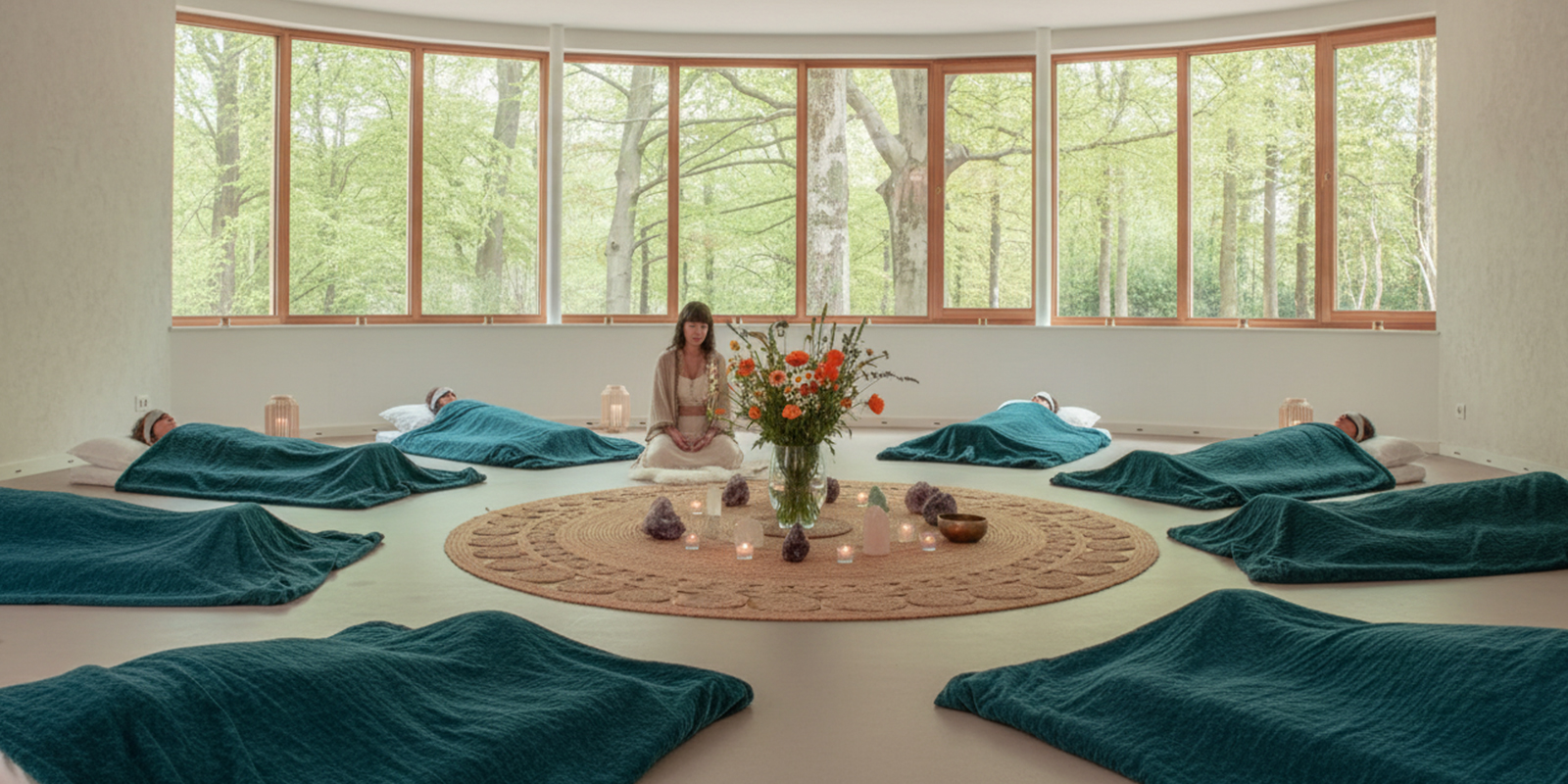
Choosing to explore your inner world through a truffle journey is a deeply personal decision, one that deserves care, clarity, and support from beginning to end. This is where guided support comes in. Rather than going through the experience alone, guided support means having a trained facilitator who helps you prepare, stay grounded during the journey, and make sense of what you experienced afterwards.
This kind of journey isn’t inherently dangerous, but it can become overwhelming without the right structure in place. Strong emotions, unexpected memories, or unfamiliar shifts in awareness can arise, and in these moments, the presence of a calm, steady guide can make all the difference.
What a guide actually does
A skilled guide does far more than simply “sit in the room.” Their role is to support you at every stage, including:
- Assessing readiness: Understanding your emotional state, intentions, and any sensitive history before the journey begins.
- Preparing you beforehand: Offering guidance on what to expect and how to approach the experience with openness and care.
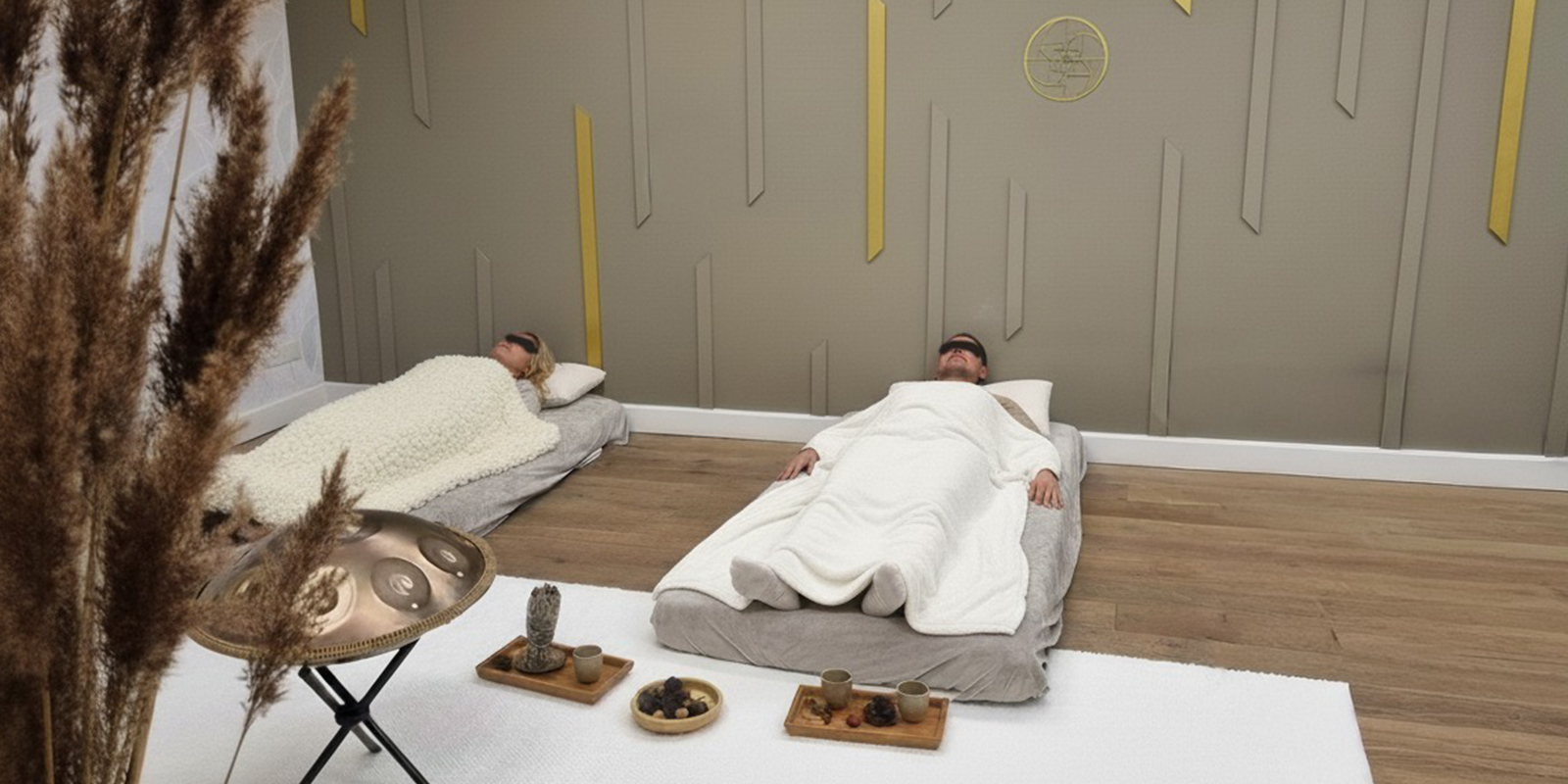
- Creating a safe setting: Designing a calm, predictable space with soft lighting, warmth, and supportive details that promote ease and relaxation.
- Offering grounding during the journey: Staying close, noticing changes in your body language or energy, and helping you stay connected if things begin to feel intense.
- Providing emotional safety: Ensuring you're never left alone in difficult moments and holding space for whatever arises.
- Supporting integration afterwards: Helping you reflect on what came up, so you can begin weaving those insights into your daily life.
For many, this support is especially important. Inner journeys can potentially bring emotional material to the surface, not to cause harm, but because they reveal what's often hidden. With the proper guidance, this material can be met in a way that feels safe, contained, and manageable. Without guidance, the experience can feel too open, too fast, or simply too much.
This is why truffle journeys should never be done alone or without trained support. It's not just about managing the experience; it's about creating the conditions where true insight, relief, or emotional movement can take place.
Across Europe, more organizations are offering guided experiences that prioritize emotional safety and care. One well-known organization recognized for its careful approach is Hier is Het (Here it is). This team specializes in holding truffle ceremonies in warm, structured, and deeply respectful ways.
What a safe truffle journey actually looks like
Every safe truffle journey follows a thoughtful, well-supported structure, not only to ensure emotional and physical safety but also to create an environment where the experience can unfold with calm, clarity, and care. Below is a step-by-step look at what typically happens during a guided journey.
Step 1: The intake conversation

Before anything else, every safe journey begins with a personal intake. This is a one-on-one conversation between the guide and the participant, designed to explore the emotional landscape you're bringing with you, not to judge, but to understand.
Topics might include your personal history, current emotional state, past experiences with psychedelics and altered states, any fears or hesitations, and your intentions for the journey. A professional guide may also ask about trauma, boundaries, and anything that helps them get a clearer picture of how best to support you.
This intake process enables the guide to determine whether the journey is suitable and safe for you at this time. Just as importantly, it helps build a sense of trust, which is essential for feeling secure once the journey begins.
Step 2: Preparing the setting
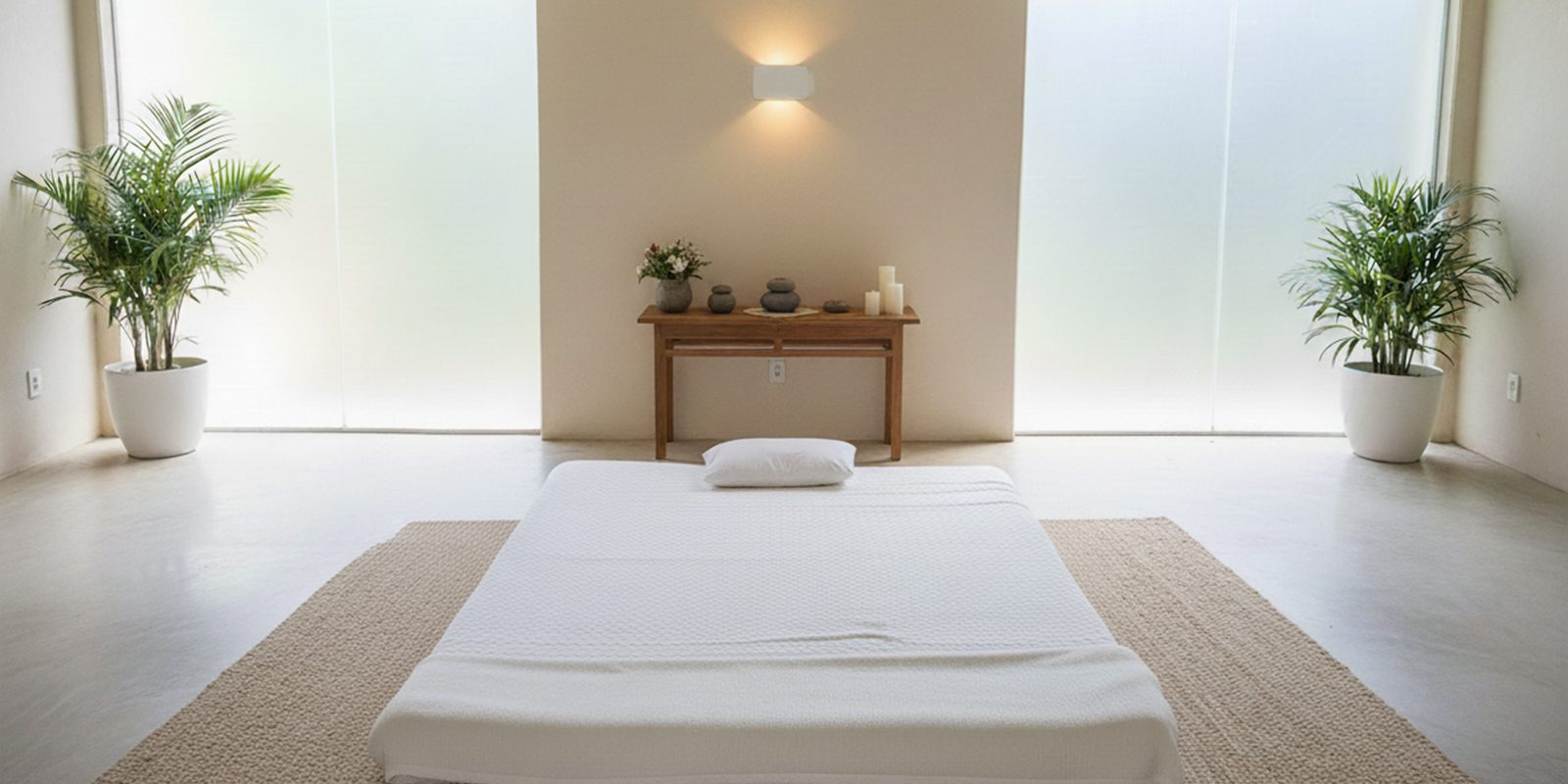
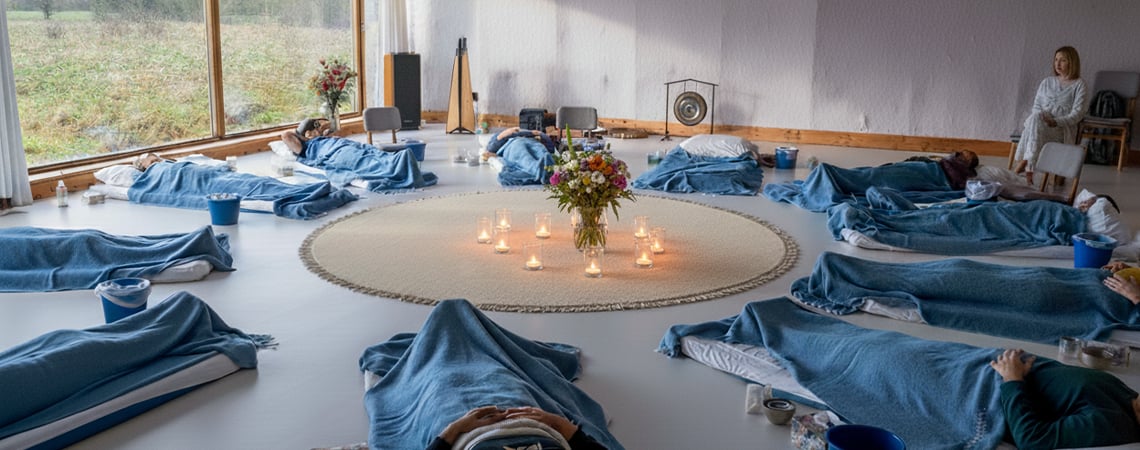
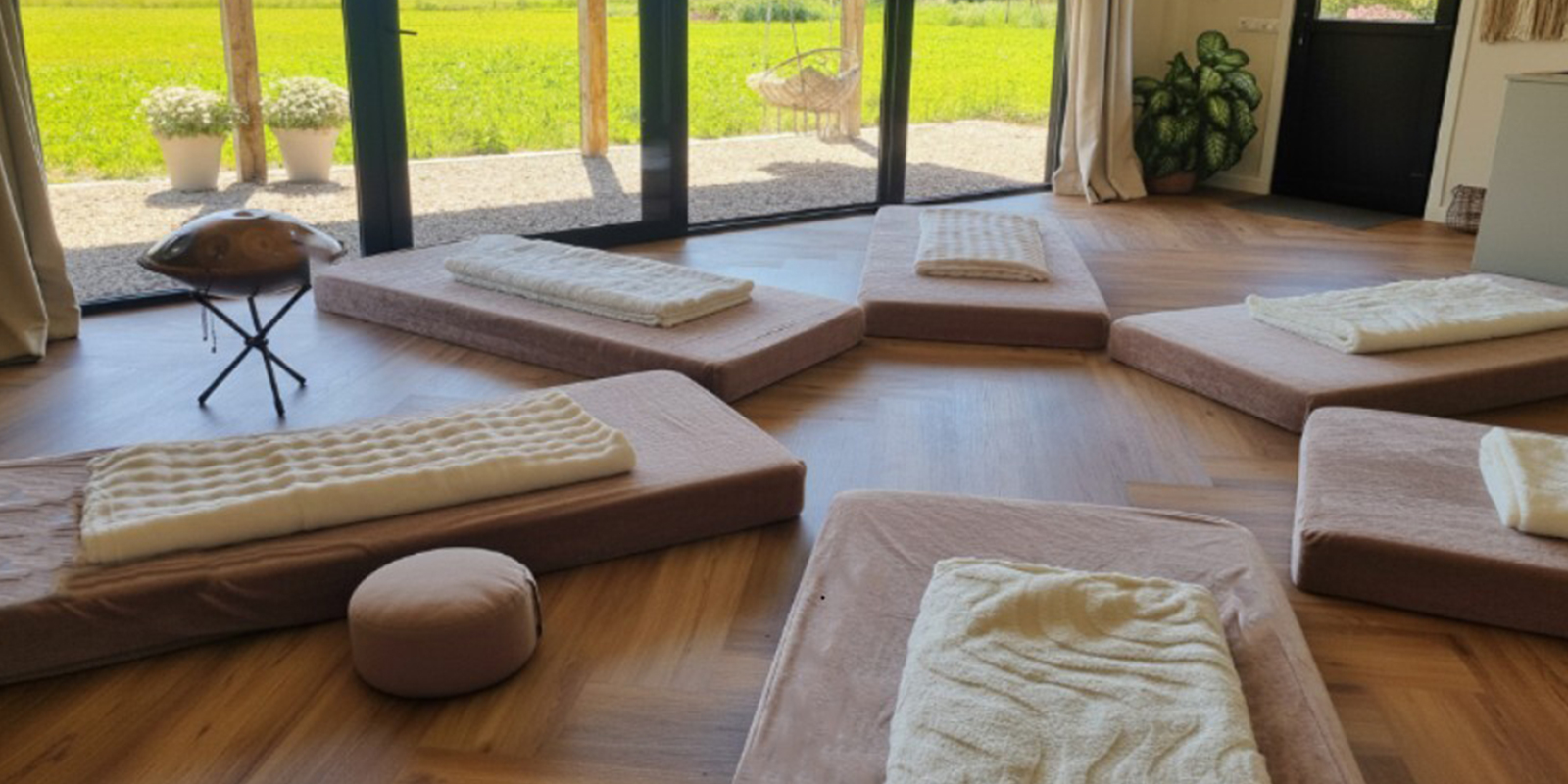
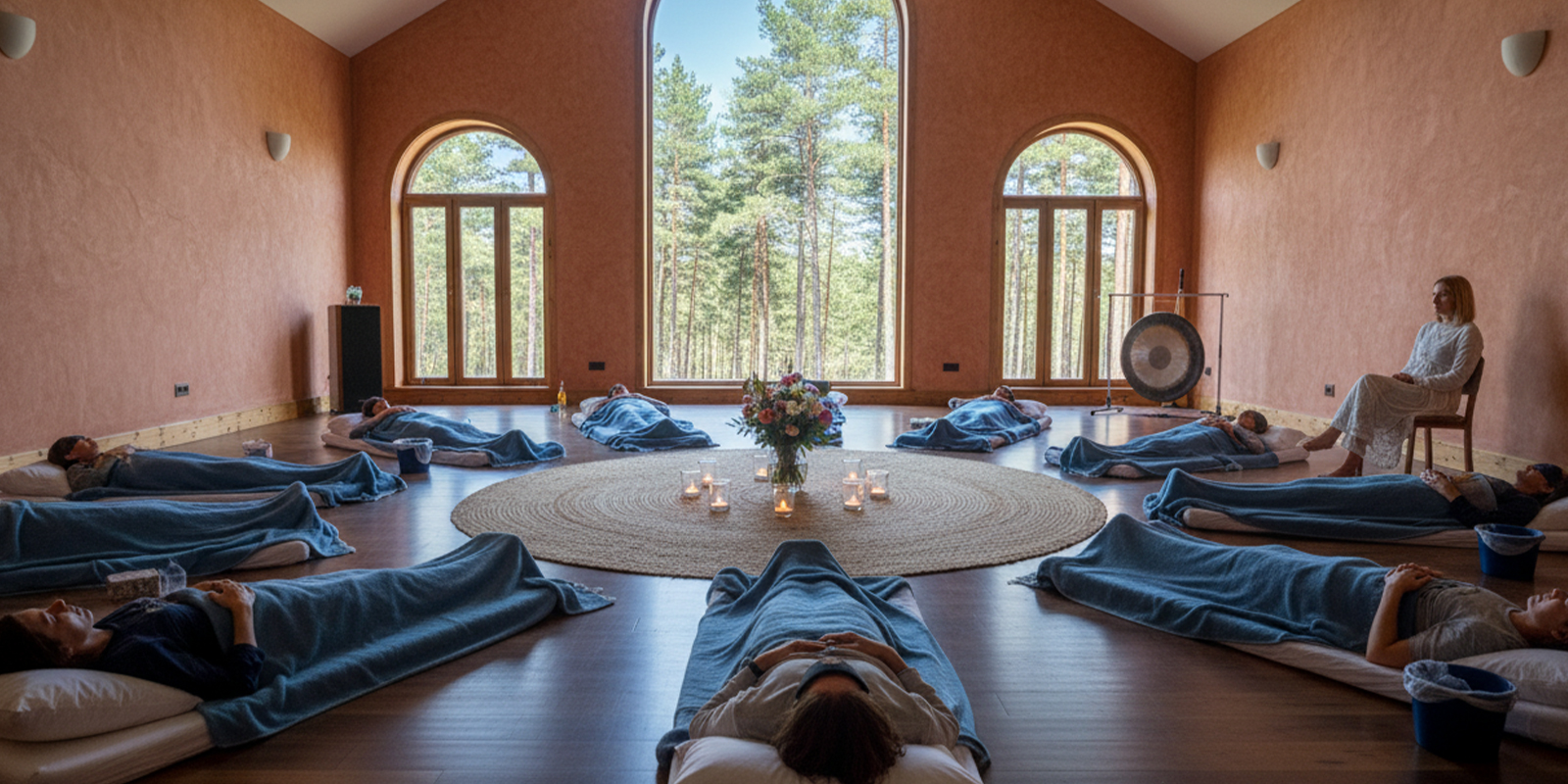
Once the intake is complete and the journey is confirmed, attention turns to preparing the physical and emotional space. Guided truffle experiences typically take place in calm, home-like environments that feel warm, welcoming, and safe.
Some areas to consider:
- Soft lighting that’s gentle on the senses
- Thick mats, comfortable seating, or reclining areas
- Blankets and cushions for warmth and grounding
- Soothing scents or natural aromas
- Mostly gentle background music or nature sounds
- A predictable, structured flow to the day
These details aren’t just about comfort; they’re essential. For people who are emotionally sensitive or trauma-aware, a calm, predictable space helps the body feel safe enough to relax and let go.
Before the journey starts, there’s often time for gentle preparation rituals such as breathwork, light stretching, quiet reflection, or grounding exercises. A light meal may be offered beforehand, followed by a short period of rest.
Step 3: Entering the journey
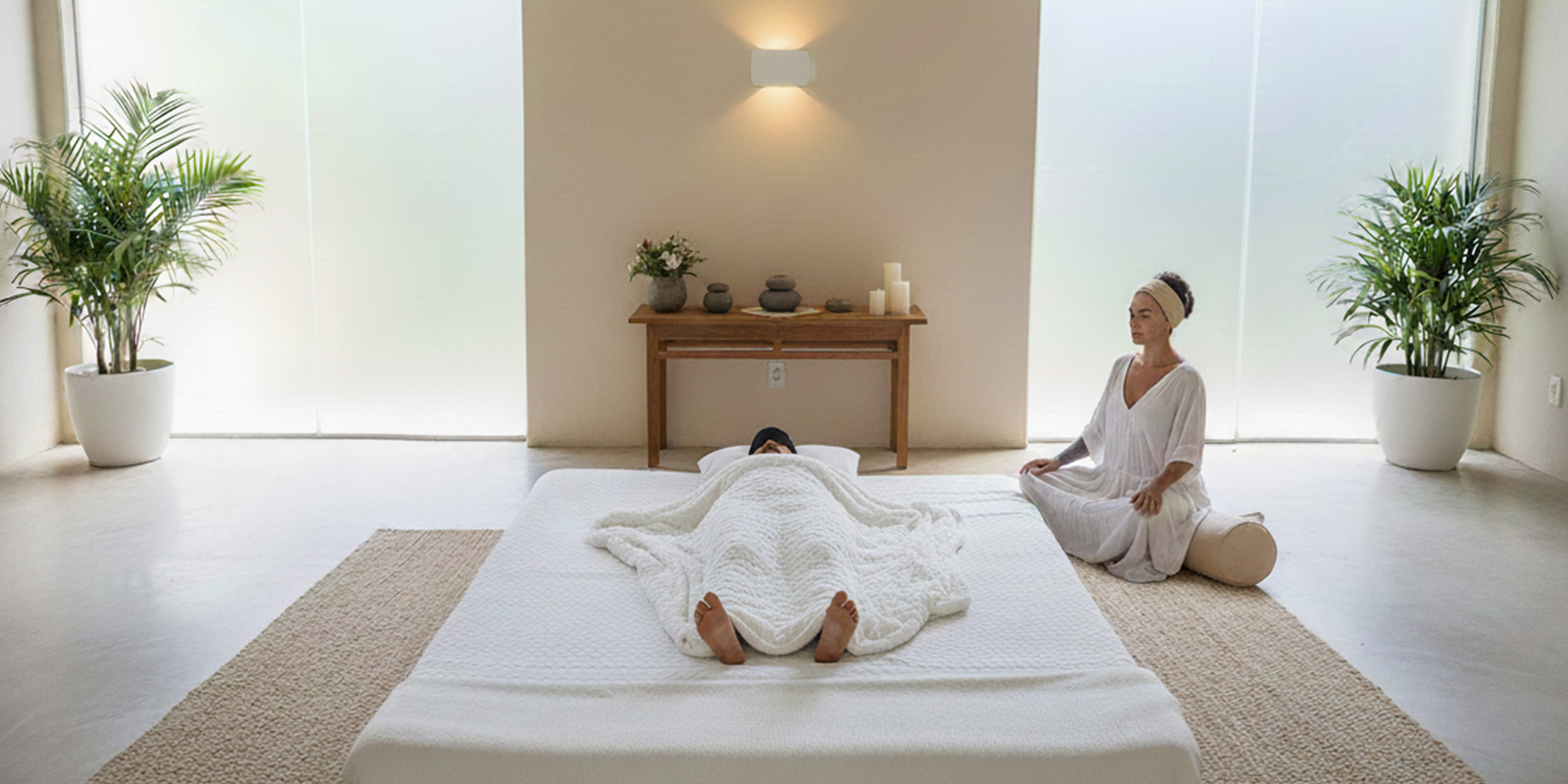
After consuming the truffles, the experience slowly begins. There’s no sudden switch; instead, there’s a gradual slowing down. You might start to feel more inward-focused, more tuned in to bodily sensations, or more emotionally open.
As perception begins to shift, many people notice a quiet unfolding of inner material: feelings, thoughts, memories, or images that rise to the surface. There’s no need to control or direct it. Instead, the invitation is to simply notice and observe.
Throughout this phase, the guide stays close but non-intrusive. They’re trained to notice subtle cues, including your breathing, body language, and overall presence. If you begin to feel overwhelmed or need support, they offer grounding through a calm voice, steady presence, or simple, reassuring physical cues.
To learn more about the effects of magic truffles, take a look at our dedicated article.
Step 4: Moving through the experience

Inner journeys usually unfold in waves. Moments of clarity may be followed by emotional release, memories, or insight, and then a quiet lull, or another wave. It’s rarely a straight line, and that’s part of the natural process.
Here, the presence of a guide is essential. They help you stay anchored as you move through whatever arises. Whether it’s an intense emotional moment, a powerful realization, or a deep, peaceful stillness, you’re not left to handle it on your own.
During this stage, there’s no pressure to “do” anything. You can rest, breathe, stay silent, speak if you wish, or simply allow the journey to unfold. The guide may offer gentle support or suggestions, but always with respect for your space and boundaries.
Step 5: Returning gently
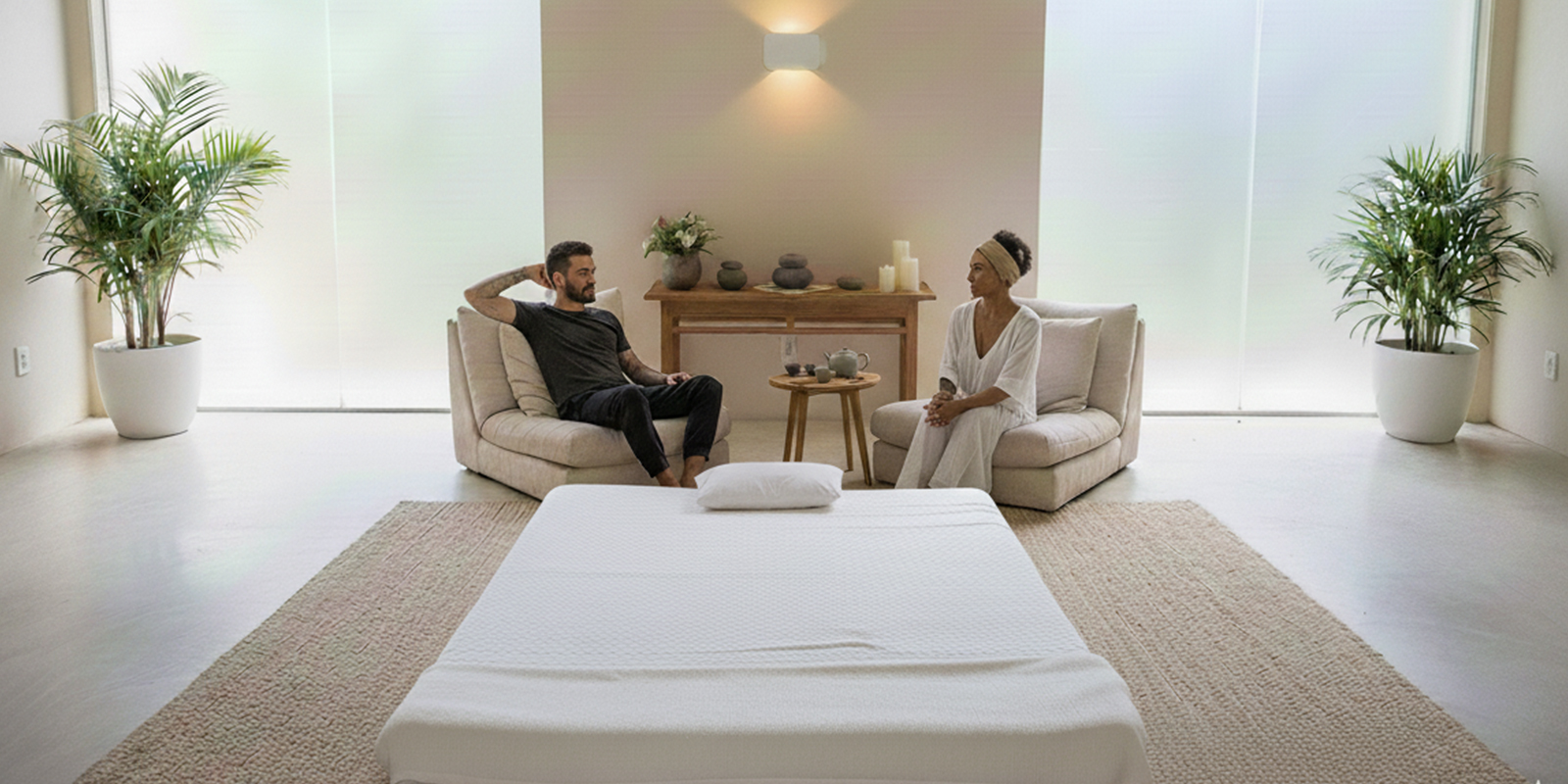
As the effects begin to fade, the guide helps you return slowly and gently to ordinary awareness. This phase is just as important as every other part of the journey.
There's usually time to sit together, sip water or tea, share a light snack, and let your body readjust at its own pace. Guides speak softly, offer comfort and stability, and help you stay grounded during the return.
For those who are emotionally sensitive, this gentle “landing” is vital. Coming back slowly, with presence and support, helps prevent confusion or emotional whiplash. It allows your insights to settle gradually, instead of being swept away by the rush of re-entry.
After the journey: integration is where change happens

The truffle journey doesn’t end when the effects wear off. In many ways, that’s when the real work begins. What follows in the days and weeks afterward is a slower unfolding, as the insights you touched start to sink in. This phase is called integration, and it’s where the potential for lasting change truly takes root.
For anyone working with trauma or long-held emotional patterns, integration is especially important. The journey may surface powerful realizations, but how you relate to them afterward is what really matters. Taking quiet time, journaling your reflections, moving your body gently, or simply talking with a guide can help you stay connected to what emerged. Practices like breathwork or meditation can also offer grounding as you process shifts in mood, perspective, or emotion.
Sometimes the impact is subtle, a gentle shift in how you see something or a feeling of lightness. At other times, you may feel tender or unsure. This is all part of the process. With the right support, integration can help prevent overwhelm and turn brief moments of insight into meaningful, lasting change. Without it, even the clearest realizations can quickly fade.
Insights from a truffle guide: an interview with Carl van de Wetering
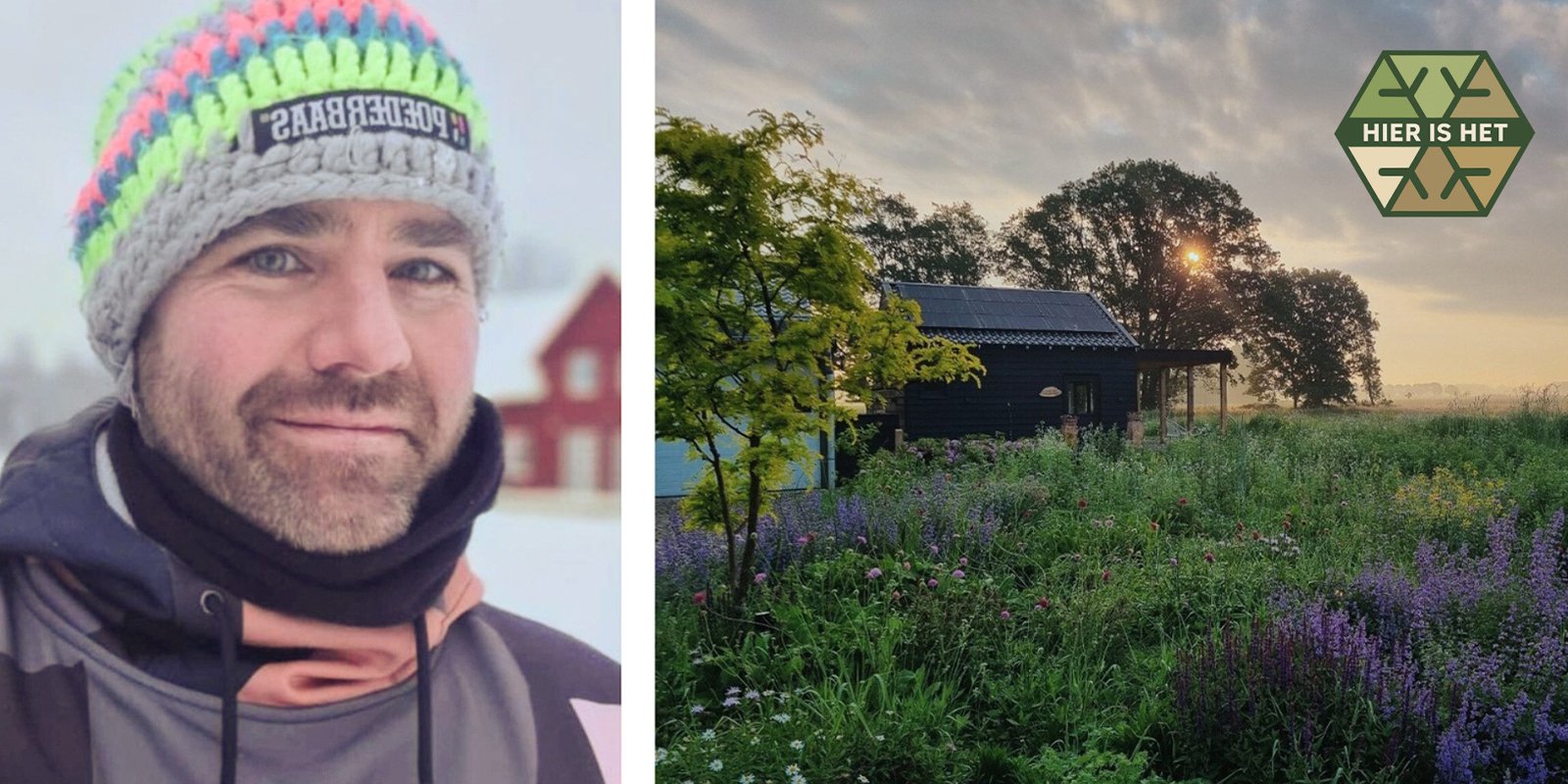
Carl van de Wetering, founder of Hier is Het, offers a clear, experience-based perspective on what makes a truffle journey truly meaningful. Carl guides intimate retreats that blend psilocybin with breathwork, time in nature, and body-oriented practices. What makes his approach unique is the integration of emotional safety, psychological awareness, and practical grounding techniques. It’s not about “just taking truffles,” he explains; it’s about entering a carefully held process that includes preparation, presence, and follow-up support. The experience isn’t a one-off event, but a doorway into something deeper and more profound.
Carl emphasizes that while truffles can bring up deep emotional material, it’s the guidance that makes the real difference. Without that support, participants may feel lost or overwhelmed. With it, there’s room to move through whatever comes up safely and with intention. As he puts it, “You can buy truffles yourself, but these sessions are intense. Without guidance, you can get stuck in emotions or memories.” Loes (his friend) adds, “That’s not a luxury; it’s essential.” For them, integration is where the real work begins. A truffle journey may open a window, but it’s the breathwork, reflection, and ongoing support afterward that allow real change to take root. Their approach reflects a growing movement across Europe: a shift away from recreational use toward inner journeys grounded in safety, trust, and deep attention.
A new look at magic truffles: a supported path inward
The growing interest in truffle journeys across Europe speaks to something many people quietly feel: a longing for change, deeper self-understanding, and relief from emotional heaviness that doesn’t come from quick fixes. For those who’ve tried many paths and still feel something unresolved, the idea of turning inward, with support, can feel both hopeful and empowering.
Guided truffle experiences offer more than just the substance itself. They create a safe, stable, and structured environment where people can meet themselves gently, without pressure or expectation. When approached with care, intention, and experienced guidance, these journeys can open new space within, not by offering answers, but by helping people ask the right questions more deeply.
In some parts of Europe, there are legal and professionally guided truffle experiences available for those who feel ready. As mentioned, one such organisation recognised for responsible, trauma-aware guidance is Hier is Het.
What matters most is choosing a path that feels safe, supported, and true to where you are now. If you're feeling the call inward, you're not alone, and there are people ready to walk beside you.