 8.6 out of 10 based on 80578 reviews







.svg)
.svg)
.svg)
.svg)
.svg)


 Autoflower Seeds
 Feminized Seeds
 Zamnesia Seeds


 Help
Help United States
 4 min
4 min
How Safe Are Magic Mushrooms? Risks, Evidence and What to Know


The real safety question with psilocybin isn't toxicity; it's headspace, setting, and what you take it with. We break down where the genuine risks actually sit, which combinations to avoid, and who has good reason to sit this one out.
On most drug-harm rankings, magic mushrooms sit at the lower end, well below alcohol and many other substances. How safe are magic mushrooms in practice depends heavily on the person and the situation, though. The honest picture covers how they compare to other drugs, where the real risks lie, and who has good reason to think twice before taking them.
How safe are magic mushrooms?
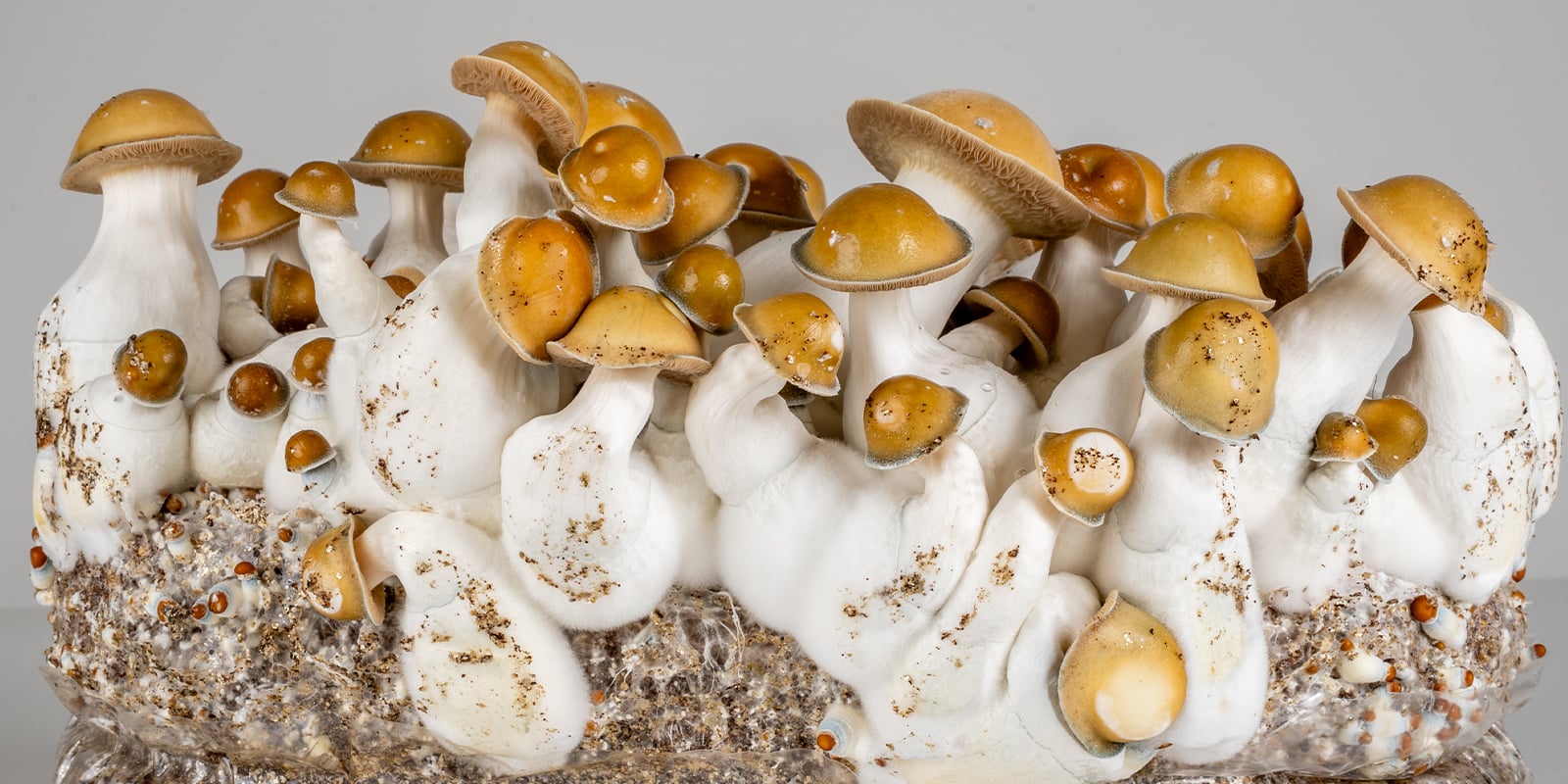 The honest answer comes in two parts. Physically, the impact is generally low, and the habit-forming tendency is low too. The bigger questions sit on the psychological and situational side, where the real risks live. How an experience goes depends heavily on the person involved, the setting around them, and whether anything else is in the mix, especially other substances. Four simple lenses help weigh that safety. Body impact looks at what mushrooms actually do physically. Habit potential asks whether they keep pulling you back. Psychological risk covers the harder edges of the headspace they can create. And risk to others considers how a trip affects the people nearby, from a worried friend to a genuine safety issue.
What does "safest drug" actually mean?
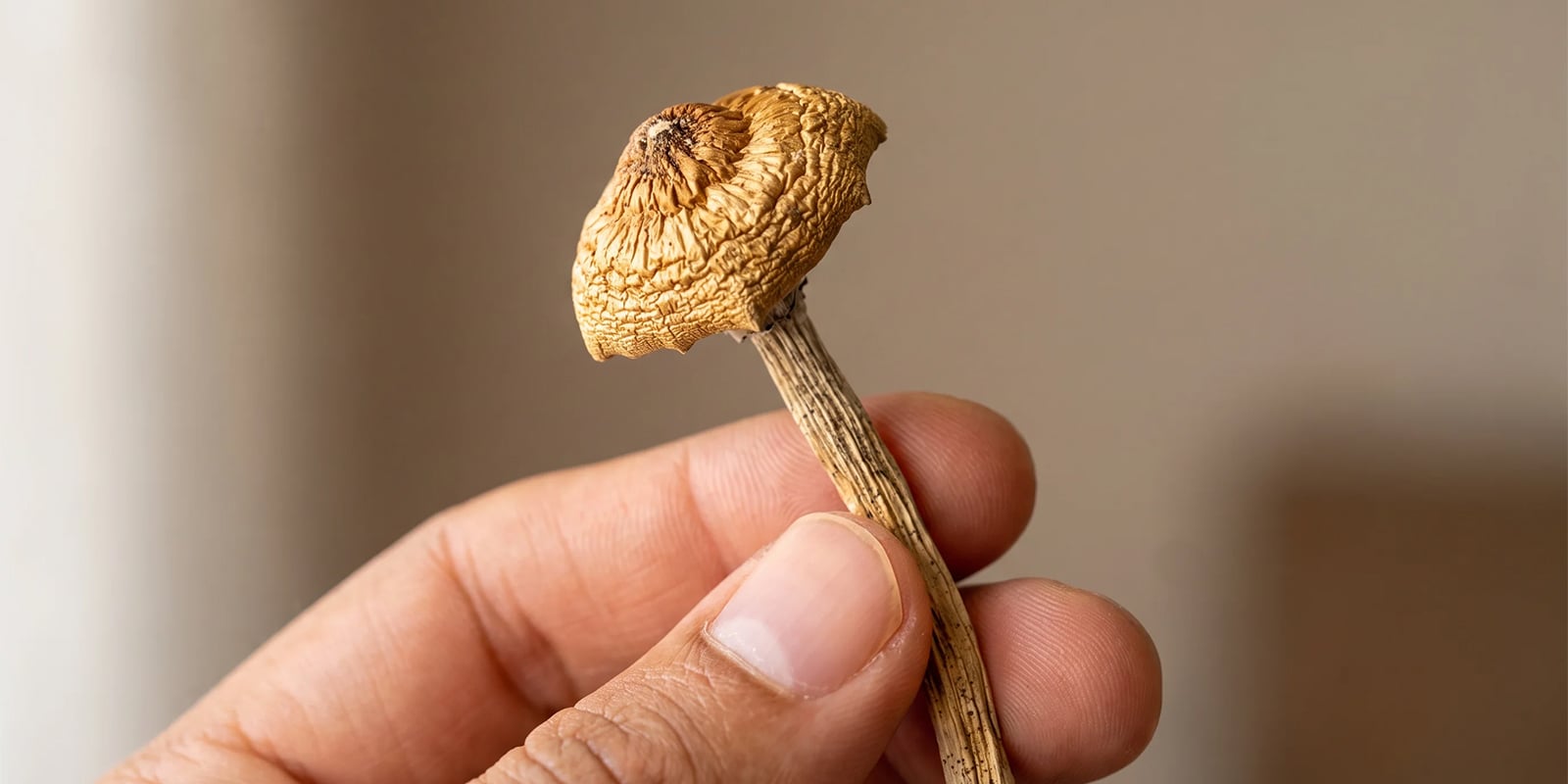
Rankings of the "safest" drug pull in several different measures at once, so no single number can settle it. Some measures look at physical harm, others at how easily a habit forms, others at the odds of a bad headspace. A drug can land low on one and higher on another, so a single label hides a lot. There is also a split between harm to yourself and harm to the people around you. Mushrooms tend to score very low on harm to others, while personal risk still varies with dose, mindset, and setting. That is also why studies disagree: rankings shift depending on what each one actually measures and who it studies.
Why mushrooms tend to rank lower than other drugs
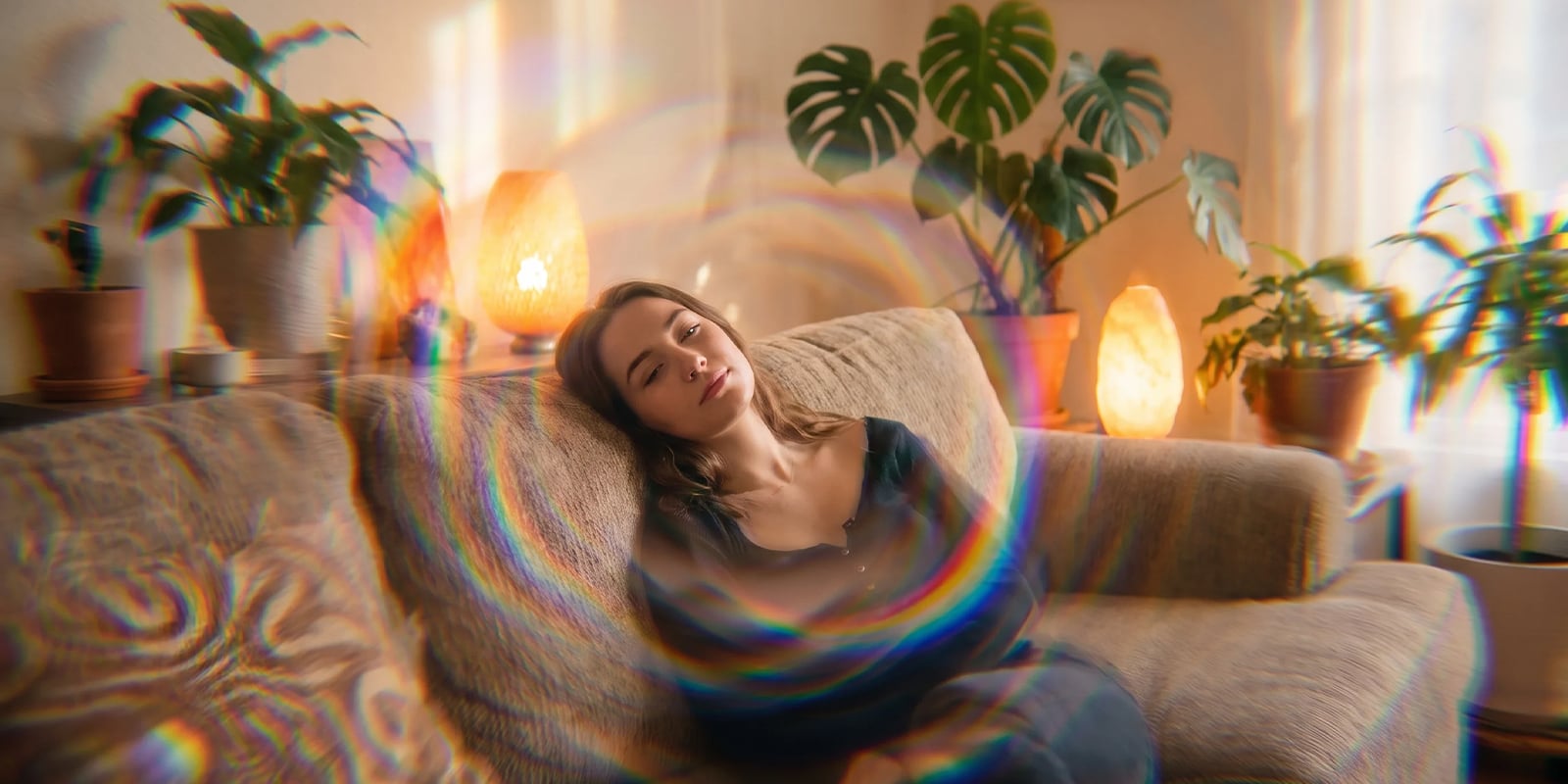
The case rests on what harm rankings actually weigh, and on those core measures mushrooms hold up comparatively well. The reasons are concrete, grounded in physical effects on the body, how readily a habit forms, and what large-scale survey data records.
They're not hard on the body
A fatal dose from psilocybin alone is considered extremely unlikely at typical recreational levels, and it is much harder to do lasting physical harm than with alcohol or opioids. That said, the experience can still go badly: taking too much and having a genuinely awful time is a real risk, but it is not the same thing as physical toxicity. This is why planning the best things to do on mushrooms matters more than chasing a bigger dose. One separate hazard deserves a plain warning: misidentifying wild-picked mushrooms is dangerous, and it should not be confused with known psilocybin species or the edible kinds in mushroom recipes.
They're not habit-forming in the usual way
Psilocybin mushrooms are not linked to the daily, compulsive use pattern seen with alcohol, nicotine, or opioids. Tolerance also builds fast: take them repeatedly over a few days and the effect quickly fades, which naturally limits heavy use. That said, low does not mean zero, so it is fair to ask whether magic mushrooms are addictive in any meaningful sense. And reaching for them to escape ongoing problems is a different story, one worth taking seriously rather than waving away.
What the surveys actually show
The Global Drug Survey has repeatedly recorded low rates of mushroom users needing emergency medical help, consistently among the lowest of any drug it tracks. That said, this is self-reported data drawn from a self-selected sample, so it is best read as a useful signal rather than a final verdict on relative risk. The same surveys also show that on measures of harm to others, mushrooms rank lower than alcohol. Taken together, these findings explain why magic mushrooms are often described as one of the safest recreational drugs, though no drug carries zero risk.
Are magic mushrooms safer than alcohol?
On most measures that matter, habit formation, physical impact, and harm to others, magic mushrooms come out safer than alcohol. The comparison is not quite that tidy, though.
| Measure | Magic Mushrooms | Alcohol |
|---|---|---|
| Habit formation | Low, no daily-use pattern | Can form strong dependence |
| Physical impact | Very low toxicity | Toxic, organ damage over time |
| Risk to others | Low | High: accidents, aggression |
| Long-term effects | Few known at typical use | Well-documented chronic harm |
The key difference is timing. Alcohol carries risk both in the moment and across years of use, a substance whose cultural baggage runs from everyday celebration to tall tales like the absinthe myths. Mushroom risk clusters around the experience itself: a difficult trip or an unsafe setting. So safer on paper is real, but it does not mean you can be careless with either one.
What are the actual risks?
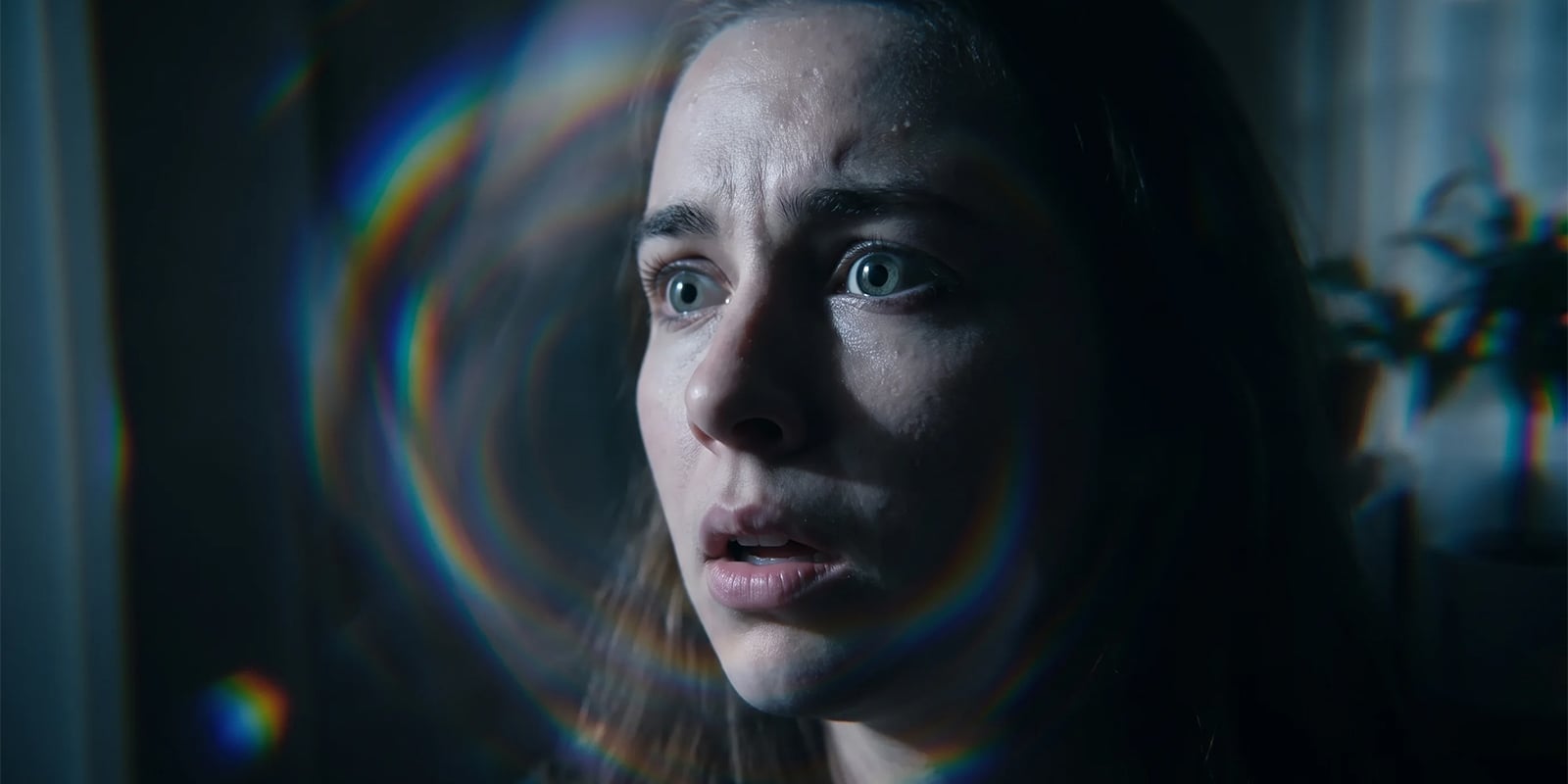
The genuine risks fall into four areas: a difficult psychological experience, ending up in an unsafe situation, worsening an existing mental-health struggle, and combining magic mushrooms with other substances. A bad trip usually means overwhelming anxiety or confusion that feels very real, even when nothing is physically wrong. It can be frightening, and that fear deserves to be taken seriously rather than brushed off, but it tends to pass as the effects fade. Situational risks matter too, since impaired judgment can lead to falls, water accidents, traffic danger, or trouble in public. After a hard experience, some people report low or unsettled feelings lingering for a while. Very rarely, some report persistent visual changes known as HPPD.
Things to know before you try
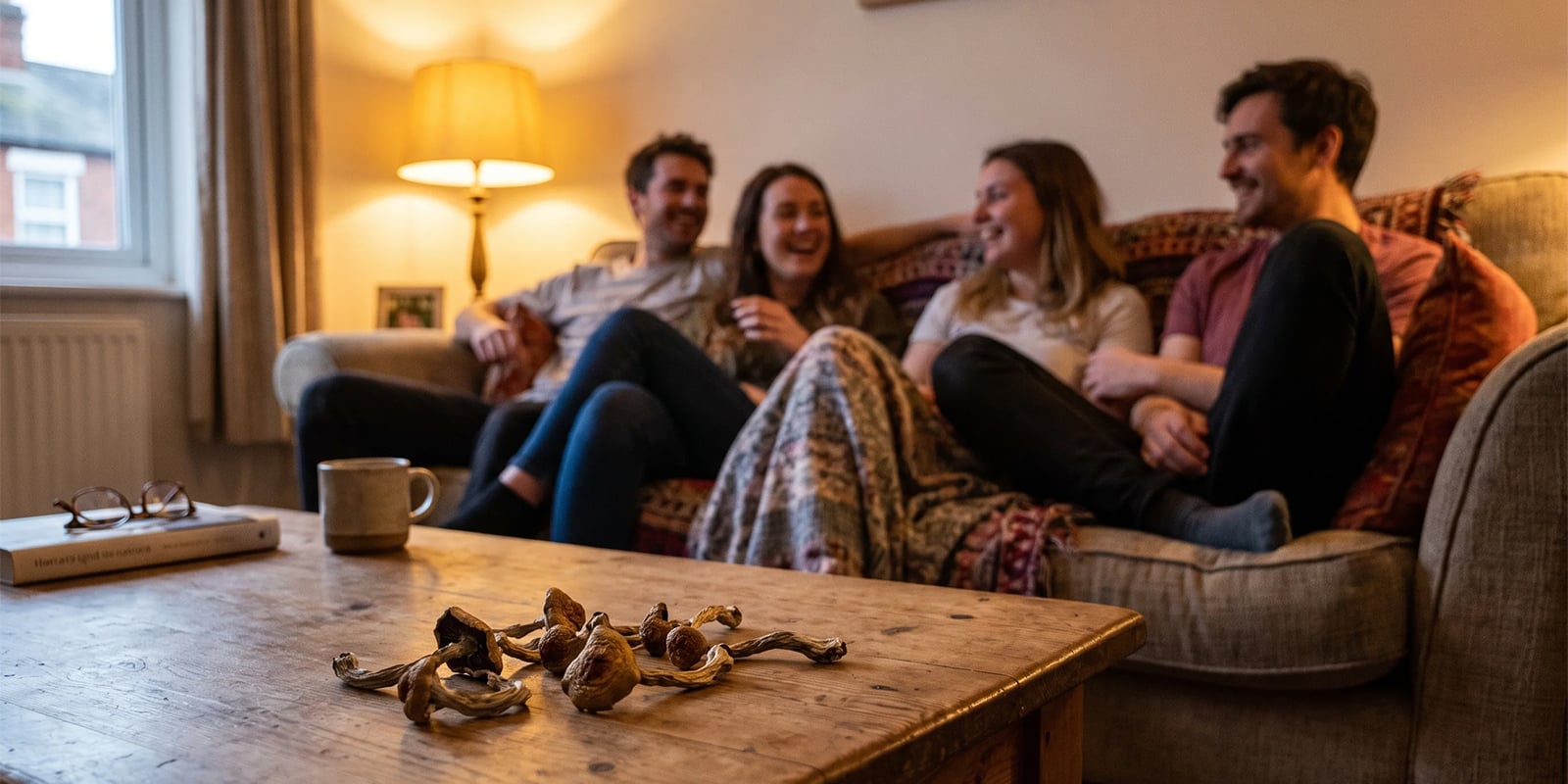
Some people, and some combinations, carry a much higher risk, so it is worth knowing which before you go ahead.
It's not for everyone
Some people have good reason to steer well clear. If you or someone in your family has a history of psychosis or bipolar disorder, this really isn't the right thing to try, and a quiet word with a professional first is more than fair. The same caution goes if anxiety runs high for you, if you're in a rocky patch emotionally, or if there's nobody close by you trust. Before anything else, ask yourself honestly whether you're in a stable place right now, whether you've got someone you trust beside you, and whether you can shape where you are and what happens next.
What not to mix
A few combinations are worth knowing about before you go ahead. SSRIs and SNRIs, two common families of antidepressants, can dull or flatten the effects. If you take either, do not stop or adjust anything yourself; questions about your prescription are best put to your prescriber or another professional. Lithium is a genuinely risky pairing and best avoided altogether, as are MAOIs. It is also sensible to skip alcohol and stimulants that day, since they tend to cloud judgment, ramp up anxiety, and leave you dehydrated.
Can you overdose on magic mushrooms?
A fatal overdose from psilocybin alone is considered very unlikely, as the amount that could pose that risk sits far beyond a normal dose. It helps to separate two ideas: taking too much, which brings an overwhelming and frightening experience, and a physical overdose, which is rare. People do seek help for both, but for different reasons. Treat a situation as urgent and get medical help if you notice chest pain, seizures, severe agitation, or suspected poisoning from a mushroom you cannot reliably identify.
So are magic mushrooms the safest recreational drug?
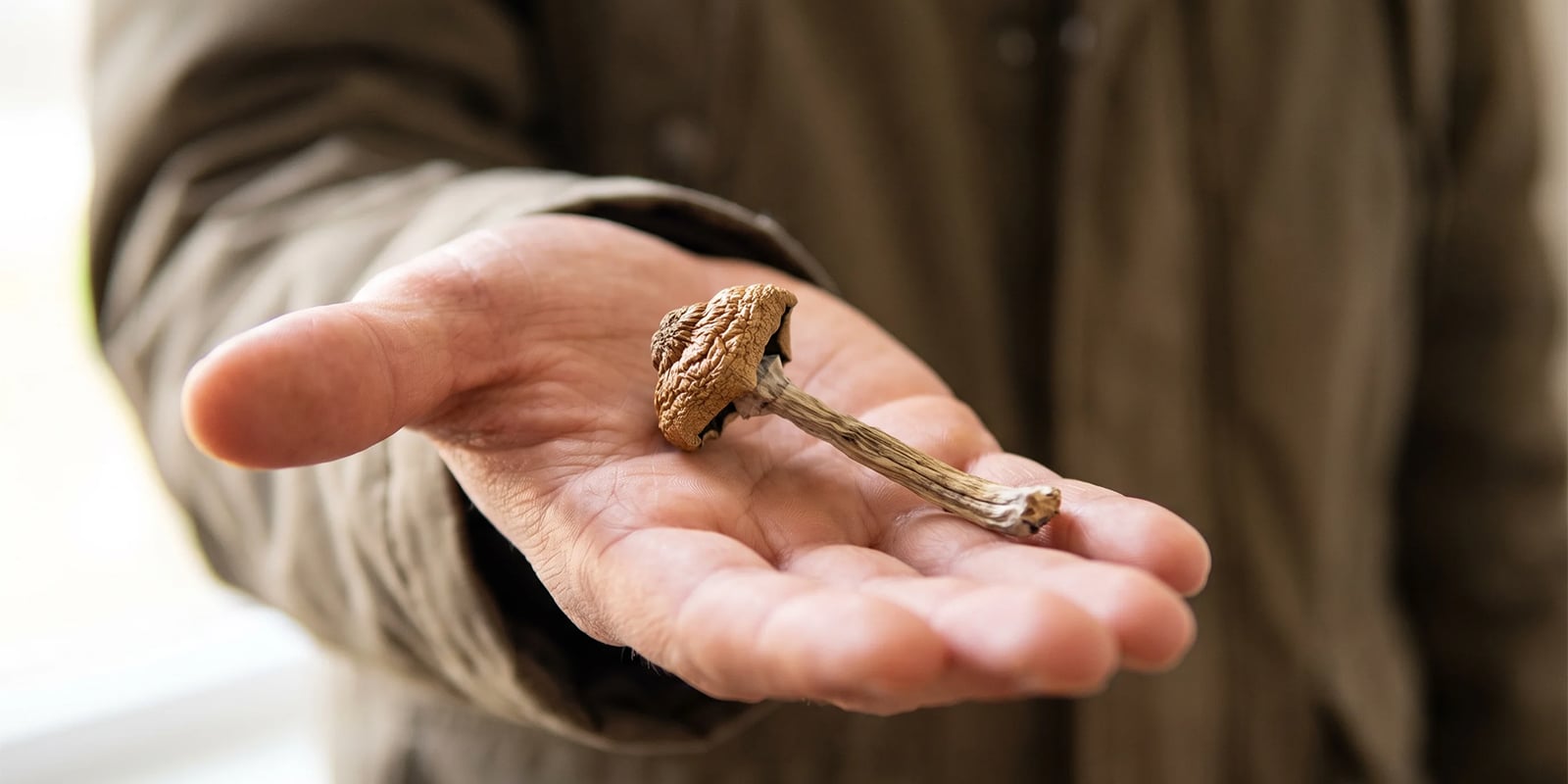
They tend to sit at the lower end of harm rankings, but "safest" is always a conditional word. The split is clear: physical toxicity and habit-forming potential are low, while the psychological and situational risks run higher. That split is exactly why care matters, and the wider benefits of magic mushrooms only hold up when those risks are respected. Three things shift the picture more than anything else: a poor setting, careless combinations, and personal vulnerability such as a family history of serious mental health conditions. Get those wrong and any ranking stops meaning much.
- (n.d.). - https://www.globaldrugsurvey.com
- (n.d.). Alcohol 'more harmful than heroin' says Prof David Nutt - BBC News - https://www.bbc.com
- (n.d.). SAGE Journals: Your gateway to world-class journal research - https://journals.sagepub.com
- (n.d.). Psilocybin Paves Path For Addiction Research At Johns Hopkins | WAMU - https://wamu.org
- (n.d.). Magic Mushrooms Change Brain Connections - Business Insider - https://www.businessinsider.com
- van Amsterdam J, Opperhuizen A, & van den Brink W. (2011 Apr). Harm potential of magic mushroom use: a review. - PubMed - NCBI - https://www.ncbi.nlm.nih.gov
-
 6 min
May 6, 2025
Catnip: Everything you need to know
What is catnip, and why do cats go crazy for it? Explore everything about this beloved plant—from its effects and benefits to tips on giving it safely to your feline friend.
6 min
May 6, 2025
Catnip: Everything you need to know
What is catnip, and why do cats go crazy for it? Explore everything about this beloved plant—from its effects and benefits to tips on giving it safely to your feline friend.
-
 6 min
May 2, 2025
How to prepare for a safe psychedelic trip
Psychedelic experiences benefit from knowledgeable and careful planning. It doesn't need to be over-the-top, but a little prep can make a trip absolutely wonderful. Find out how to prepare for a...
6 min
May 2, 2025
How to prepare for a safe psychedelic trip
Psychedelic experiences benefit from knowledgeable and careful planning. It doesn't need to be over-the-top, but a little prep can make a trip absolutely wonderful. Find out how to prepare for a...
-
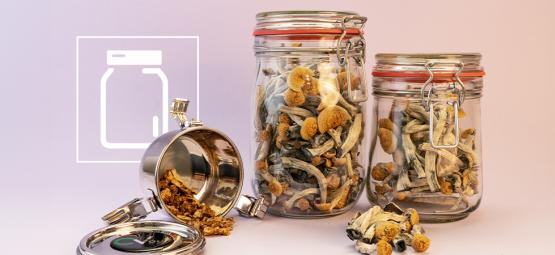 5 min
July 29, 2024
How To Store Magic Mushrooms
If you want your shrooms to stand the test of time, then you'll need to not only dry them properly, but store them adequately too. While not difficult, it is important to get this right if you want...
5 min
July 29, 2024
How To Store Magic Mushrooms
If you want your shrooms to stand the test of time, then you'll need to not only dry them properly, but store them adequately too. While not difficult, it is important to get this right if you want...
-
 3 min
August 17, 2020
5 Surprising Benefits of Magic Mushrooms
There are so many factors to consider when taking magic mushrooms, and it can be daunting overall. However, there are many benefits to taking this psilocybin-packed hallucinogen. Continue reading...
3 min
August 17, 2020
5 Surprising Benefits of Magic Mushrooms
There are so many factors to consider when taking magic mushrooms, and it can be daunting overall. However, there are many benefits to taking this psilocybin-packed hallucinogen. Continue reading...