 8.6 out of 10 based on 80701 reviews








.svg)
.svg)
.svg)
.svg)
.svg)


 Autoflower Seeds
 Feminized Seeds
 Zamnesia Seeds


 Help
Help United States
Low-Stress Training (LST) for Cannabis: Complete Guide
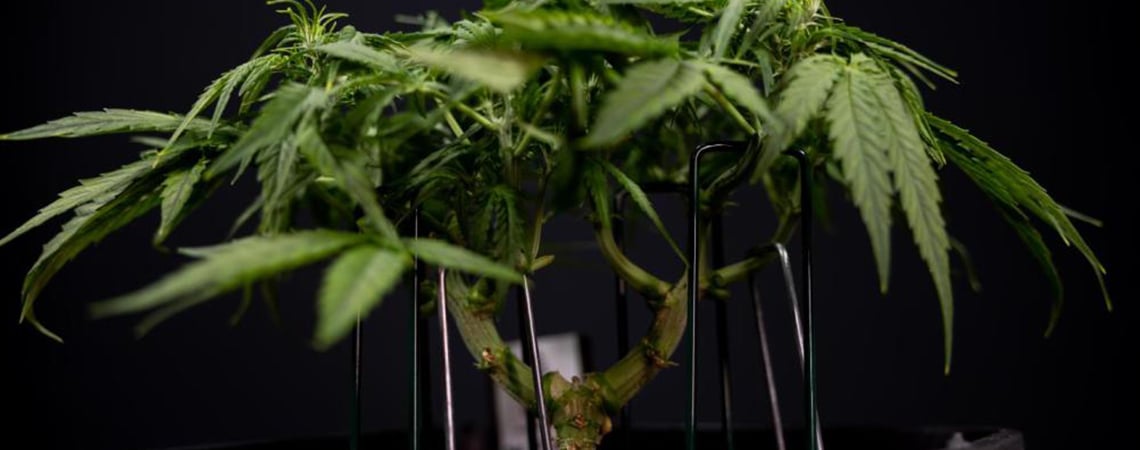 Low-stress training is a go-to for growers because it’s simple, low-cost, and surprisingly effective for shaping a plant without the drama of heavy pruning. Instead of cutting, you gently bend and tie branches to open up the canopy. That helps light reach more productive sites and makes your garden run more efficiently.



Want more tops without topping? This LST cannabis walkthrough shows how to start in veg, set safe tie-down points, and keep an even canopy as growth takes off.
This guide focuses on photoperiod plants, where you control the length of veg and have plenty of time to dial in structure before flowering. As a training technique, LST gradually pushes plants toward a flatter, more even canopy, which can mean neater plants, obvious “before and after” changes, and better yield optimization when the rest of your setup is on point.
When it’s done right, the payoff is easy to see: fewer shaded spots, more uniform bud development, and a plant that uses its space, whether it’s a tent corner or a whole room, way more intelligently.
What is low-stress training (LST)?
-(2).jpg "What is low-stress training (LST)?")
Low-stress training is a plant-shaping method that guides cannabis growth with gentle pressure rather than “high-stress” moves like topping or hard pruning. In practice, you slowly bend stems and branches away from the center and secure them with soft ties, garden wire, or clips, keeping the plant intact while changing its overall shape.
By pulling the top growth down and outward, LST shifts a plant’s structure from a tall, Christmas-tree shape to a wider, more even canopy. Around mid-veg, a lot of growers notice that LST helps light reach lower growth that would normally be shaded out, while also improving airflow through the plant. That extra exposure helps more bud sites develop evenly, instead of stacking most of the weight on one main cola.
If you’re new to it, patience is everything. Small adjustments every few days are much safer than trying to crank a stiff stem into place all at once. If you want a wider overview of different methods, our training techniques guide covers LST alongside other popular options so you can pick what fits your setup.
Low-stress training vs high stress training
.jpg "Low-stress training vs high stress training")
LST is all about shaping a cannabis plant while keeping stress low, mainly by bending and tying stems into position. High-stress training (HST) aims for similar control, but it relies on more aggressive moves such as topping, mainlining, and FIMing.
The big difference is that HST involves cutting or removing plant material, such as leaves, shoots, stems, or entire sections, to force a new growth pattern. That intensity comes with more risk: do it at the wrong time or go too hard, and you can stall growth or seriously damage the plant. When it’s executed well, though, HST can push yield potential beyond what LST alone can deliver, which is why many growers start with LST as the safer, more beginner-friendly option.
Why growers use low-stress training
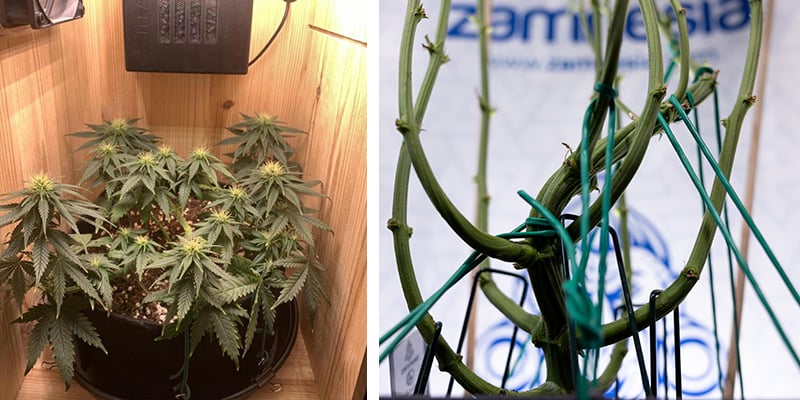
LST is popular because it spreads light more evenly across the canopy, turning what would be shaded lower growth into productive bud sites. It’s also great for canopy control in indoor grows, where limited headroom and uneven tops can turn into a problem fast.
Since you’re bending instead of cutting, low-stress training can help optimize yield without the recovery time that often comes with more aggressive techniques. That makes it a solid first method: easy to learn, pretty forgiving, and effective in almost any setup.
Advantages and disadvantages of LST
One of the biggest advantages of LST is the level of control you get without putting plant health on the line. By guiding growth gradually, you can spread tops out, keep the canopy even, and adjust as the plant responds, especially helpful in tight indoor spaces and when stretch is hard to predict.
The downside is that it takes time and attention. LST works best with small, regular tweaks, so it can feel more like an ongoing routine than a one-and-done job. Push a branch too far, too fast, and you can snap a stem, especially once branches start to harden off. For beginners, that’s the main learning curve: take it slow, support your bends, and let flexibility build over time.
When to start LST on photoperiod cannabis
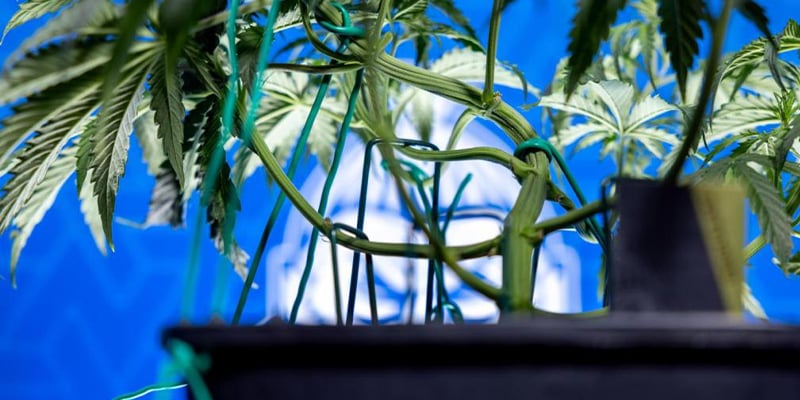
The best time to start is early in the vegetative stage, once your plant is established, but still flexible. As a rule of thumb, aim for about 4–6 nodes and a healthy, actively growing main stem. At that point, branches bend more easily, and the plant can redirect growth fast without skipping a beat.
This is what most growers are getting at when they search for when to start LST, because waiting too long can turn a gentle bend into a wrestling match. Once stems thicken and get woody, you’re much more likely to crease or snap them.
Plant vigor matters, too. Fast-growing, hungry cultivars can handle earlier and more frequent adjustments, while slower growers or stressed plants usually do better with a little more time between ties so they can keep building momentum.
Step-by-step: How to do low-stress training
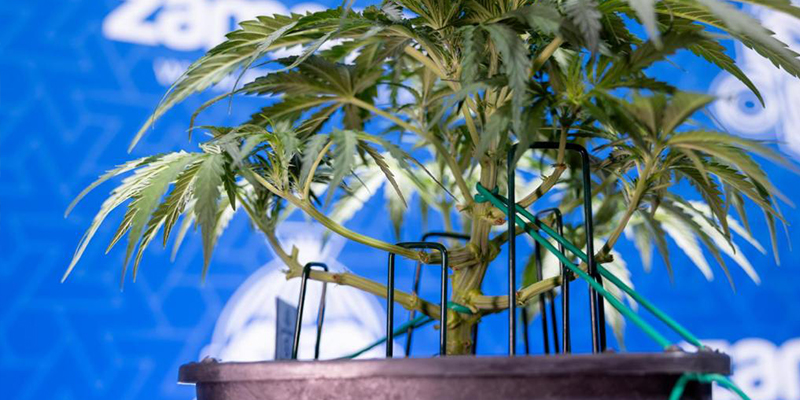
When you do it right, low-stress training is simple, gentle, and pretty forgiving, perfect for first-time growers who want more control without risking a setback.
- Water first so stems are supple, then choose a healthy plant in early veg.
- Anchor the base of the main stem, then slowly bend the top to one side.
- Tie branches outward to create an even canopy, making small adjustments every couple of days.
Tools and materials for low-stress training
You don’t need much gear for LST, but using the right materials makes training smoother and a lot less likely to bruise or pinch stems.
- Soft plant ties (fabric, rubber-coated wire, or garden twine) to hold bends without cutting in
- Garden wire or pipe cleaners for quick, adjustable anchors
- Training clips like Royal Queen Seeds LST Clips for consistent angles
- Stakes, pot rim holes, or eyelets to create solid tie-off points
Avoid thin string, uncoated metal wire, or anything that can bite into the stem as it swells. Before you start bending, water the plant and map out your anchor points so you’re not pulling and retying in a hurry.
Bending the main stem safely
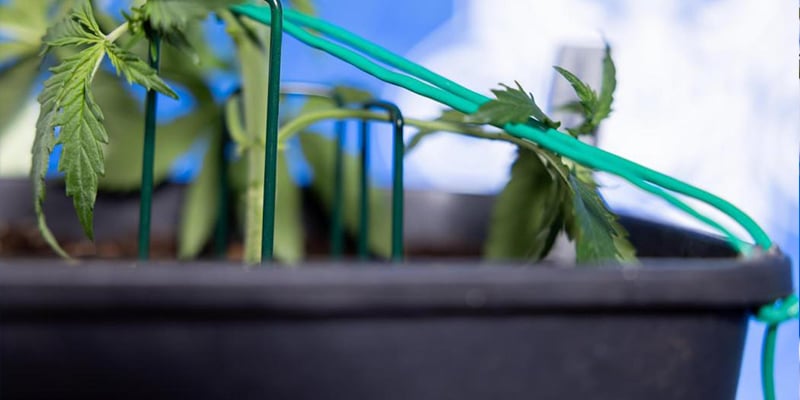
Start by picking a bend point a few nodes below the top, where the stem is still green and flexible. Support the stem with one hand above the bend and one below it, then apply slow, steady pressure until it arcs; never yank or crease it.
A solid first session is usually a gentle lean of about 30–60 degrees, rather than trying to force the main stem flat in one shot. If you feel strong resistance, stop and try again the next day.
Support is everything: anchor the base of the plant to counter the pull, and use a soft tie to hold the top in place. Keeping the curve smooth spreads the stress and helps prevent kinks or snaps.
Training side branches for an even canopy
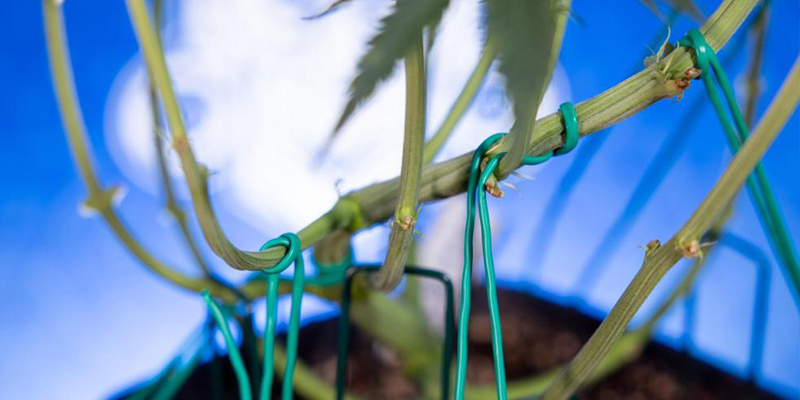
Once you’ve pulled the top over, the side branches will surge upward. Tie each branch outward from the center, aiming to fill open space instead of letting tips pile up on top of each other. Loop your tie around the branch just above a node, then anchor it to the pot rim or a stake so the tension pulls sideways, not downward.
Check your ties every day or two. Veg growth moves fast, and a loop that’s “just snug enough” can turn into a choke point before you know it. Leave a little slack, stick with soft materials, and make small adjustments to avoid kinks, splits, or torn side shoots.
Before and after low-stress training: What to expect
Before training, most photoperiod plants naturally grow like a Christmas tree: one dominant cola, shaded lower branches, and a canopy that peaks in the middle. After a few well-placed ties, the structure shifts into a wider, flatter shape, with multiple tops reaching a similar height and more light landing on productive growth sites.
The before-and-after change with low-stress training isn’t instant. You’ll often see the top start turning back toward the light within hours, but the “even canopy” look typically shows up over 3–7 days as side branches pick up speed.
If you’re new to training, keep your expectations realistic. LST is about steady, minor adjustments, not dramatic bends. A slightly messy first attempt is totally normal, and the plant will keep correcting itself as long as you stay gentle.
Tips and tricks for better LST results
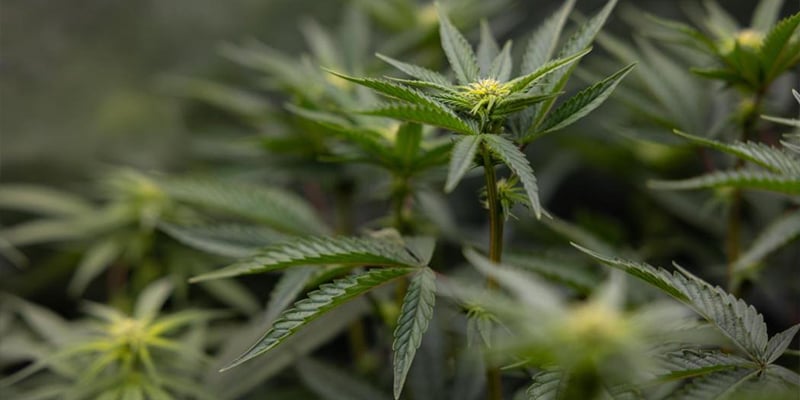
Better results come from patience, not pressure. Make small adjustments every 24–48 hours, giving the plant time to respond between sessions instead of trying to force a branch to “stay put” with one big bend.
Training along the edge of the pot helps keep things neat. As stems lengthen, move your tie-down points around the rim so the tops grow into open space and follow the plant’s natural drive to turn toward the light.
Late veg is where a lot of growers slip up. When you’re getting close to the flip, ease up on major repositioning so the plant can focus on building strong flowering sites rather than constantly correcting its posture.
Common mistakes include tying too tightly, bending dry stems, and not anchoring the base. For a wider look at methods beyond LST, check out our guide to cannabis training techniques.
What makes a cannabis strain suitable for LST?
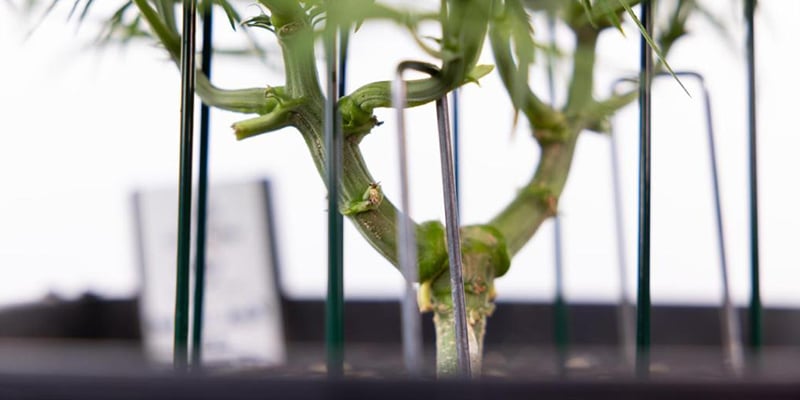
The best candidates for LST are vigorous plants with a naturally branchy structure, since you’ll have more shoots to spread out and level into a single canopy. Flexible, green stems are a big plus, too; they’re easier to guide into place with less risk of creasing.
Internode spacing matters as well. Super-tight nodes can turn into a dense knot that’s harder to open up, while very long spacing can leave you with fewer strong tops. A moderate gap between nodes usually trains the best. Strong growth speed and good recovery help, too, because a plant that bounces back quickly will keep pushing fresh tips toward the light after each adjustment.
Plenty of classic hybrids take to LST really well. You’ll often see strong results from Skunk-leaning lines, Kush crosses, and sturdy modern Cookies-style genetics.
LST for photoperiods vs autoflowers
This guide focuses on photoperiod plants because they give you breathing room if you make a mistake. Since you control how long veg lasts, you can train slowly and keep things forgiving. Autoflowers are typically more sensitive because their life cycle is fixed, so any stress-related slowdown can cut into final size and yield.
LST can still work on autos if you start early and keep it extra gentle, with minimal tie adjustments and no major reshaping once flowering kicks in. If your plant is already stretching hard or showing signs of stress, it’s usually smarter to back off and let it do its thing.
For a dedicated walkthrough, check out our autoflower LST guide.
Common mistakes to avoid with low-stress training
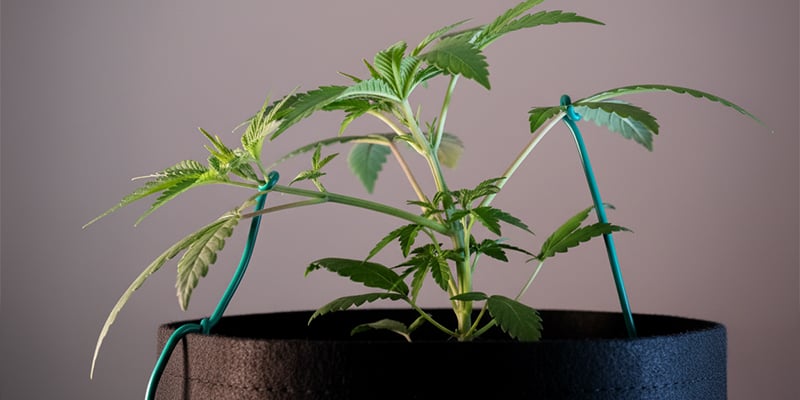
- Starting LST too late: once stems have hardened and the plant is locked into the flowering stretch, you’ll get less movement and more risk. Start while shoots are still pliable so you can shape the canopy without a fight.
- Bending dry or rigid stems: training right after lights-on (or after a light watering) is usually safer than working on a thirsty plant, because brittle branches crease and split more easily.
- Forgetting daily adjustments: ties that were loose yesterday can start biting fast. Check often and nudge positions gradually instead of making big corrections.
- Overcrowding the canopy: pulling everything into the same zone blocks airflow and light. Spread tops out and leave a little breathing room between sites.
For broader troubleshooting, our common grower mistakes guide is a useful refresher.
Is low-stress training worth it?
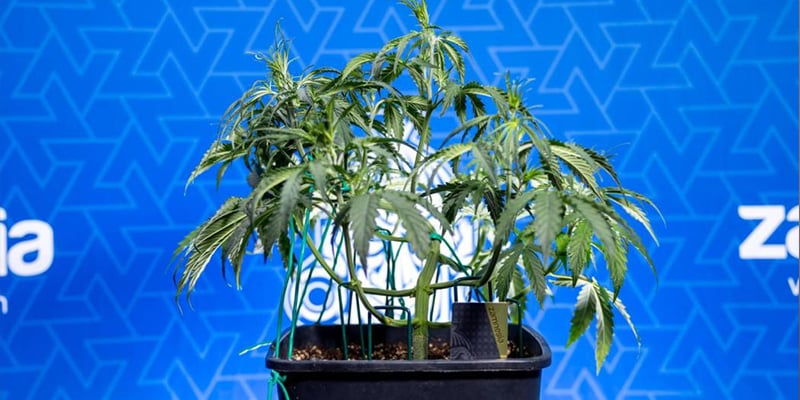
For most home growers, low-stress training is worth it. It helps you control height, build a more even canopy, and push more bud sites into strong light, without the downtime that comes with harsher techniques. It’s especially useful in small tents where every inch of headroom counts.
LST is a good fit for growers who can check plants regularly and don’t mind a little hands-on tinkering during veg. You may want to skip it if you’re running very short veg times, prefer a hands-off approach, or you’re already getting the shape you want naturally.
When you keep bends gentle and check ties often, it’s a low-risk method that builds confidence fast. For more practical guidance beyond this section, explore the cannabis grow hub.