 8.6 out of 10 based on 79303 reviews








.svg)
.svg)
.svg)
.svg)
.svg)


 Menu
Menu
-
 TRIBE
All CategoriesTRIBE
TRIBE
All CategoriesTRIBE
- My Membership
- Spend Gift Points
- TRIBE Sale
- Exclusive products
- Earn Extra Gift Points
- Early Access
- Refer a Friend
- Information
 Autoflower Seeds
 Feminized Seeds
 Zamnesia Seeds


 Help
Help United States
A Closer Look At The Dream Enhancing Silene Capensis
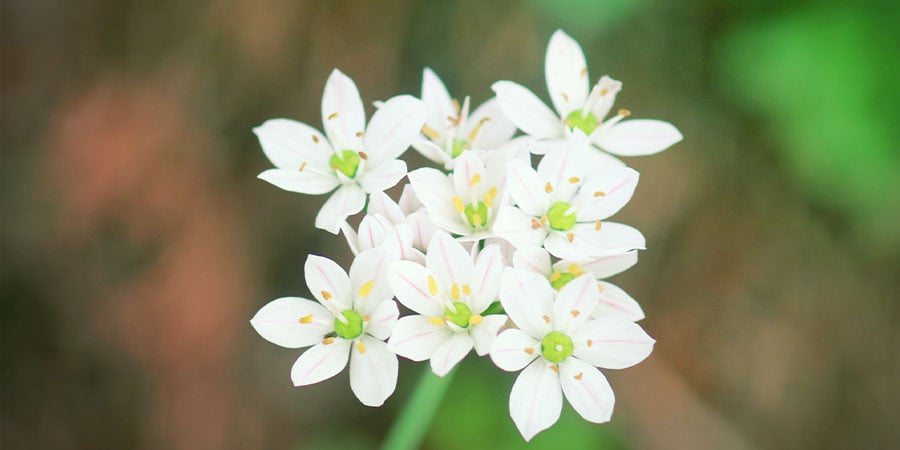



Silene capensis, commonly known in Europe as African Dream Root or Gunpowder Root, is a psychoactive plant originating from the Eastern Cape of South Africa. It is a tender perennial that is very easy to grow and highly resilient to heat – although it does require vast amounts of water to thrive. The flowers of the plant have a very distinct fragrance, and are often described as being a blend of cloves, banana and jasmine. It is however the root of the plant that contains the psychoactive parts which induce vivid and sometimes lucid dreams.
The dream enhancing properties of the African dream root have been used in entheogenic practices for hundreds of years. The Xhosa people of South Africa use the root to communicate with their ancestors, asking for guidance and advice through dreams. The plant plays a significant role in the initiation ceremony of Xhosa shaman.

It is assumed that the psychoactive qualities of African dream root are caused by the triterpenoid saponins found within the root. Although they have minimal effect of the waking self, their effects can be profoundly felt when asleep.
Effects of Silene capensis

The main effect of African dream root is to induce vivid and lucid dreams, as well as enhancing the quality of sleep. Dreams become more intense and memorable, and with practice even fully lucid. Silene capensis enhances lucidity, but this state is easiest achieved by those who already have experience in navigating the dreamworld.
It is worth noting that the effects of African dream root are not always immediate, often the plant has to be taken for a few days to experience the vividness of dreams. However, once it has kicked in, you can expect to enter the bizarre world of dreams on a more conscious level. Also, the root leaves you feeling refreshed upon wakening.
In large singular quantities, African dream root can have a purging quality. Although no harmful effects have ever been recorded, it can cause vomiting – so it is advisable to stick to recommended doses.
Preparation
There are two main methods of preparing Silene capensis. The first is the traditional method used by the Xhosa. To do this, the root is pulverized before being put into a cup container of water. The mixture is then whisked until a lot of white foam has been created. This foam is then ingested before sleeping.
The ‘foam’ method is the traditional way of consumption and the most common one. However, since Silene capensis is best taken regularly for it to take effect, the easiest way is to consume it in capsule form. To do this, you need to grind the root into a powder and put it in gel caps. Generally speaking, you want to consume between 500mg and maximally 3g a day, over a period of a few days. It is best to start with a smaller dose to get used to the plant, and work your way up. It is worth noting that a larger dose doesn’t necessarily cause a greater effect; for this reason 1g tends to be the settled on standard daily dose. Also, powdered Silene capensis oxidizes very quickly, so it is important to only grind it into a powder when preparing for direct use.

-

 8 min
October 10, 2022
How To Use Cannabis To Improve Sleep
Cannabis is used for a wide variety of purposes, including to promote a healthy night's rest. But does weed really benefit your slumber, or does it harm sleep quality? Furthermore, which cannabis stra ...
8 min
October 10, 2022
How To Use Cannabis To Improve Sleep
Cannabis is used for a wide variety of purposes, including to promote a healthy night's rest. But does weed really benefit your slumber, or does it harm sleep quality? Furthermore, which cannabis stra ...
-
 1 min
November 6, 2017
Best Incense For Relaxation And Sleep
Here at Zamnesia, we bring you all sorts of herbs. Herbal incense is a safe and cost-effective way to unwind. Discover our best varieties of incense for easing the mind, body and soul. ...
1 min
November 6, 2017
Best Incense For Relaxation And Sleep
Here at Zamnesia, we bring you all sorts of herbs. Herbal incense is a safe and cost-effective way to unwind. Discover our best varieties of incense for easing the mind, body and soul. ...
-
 2 min
August 27, 2014
Exploring The Dreamworld With Calea Zacatechichi
Originating from Mexico, Calea is a fascinating dream herb that has long been used by indigenous tribes as way of seeking guidance from the spirits. ...
2 min
August 27, 2014
Exploring The Dreamworld With Calea Zacatechichi
Originating from Mexico, Calea is a fascinating dream herb that has long been used by indigenous tribes as way of seeking guidance from the spirits. ...