
 8.7 out of 10 based on 77767 reviews







.svg)
.svg)
.svg)
.svg)
.svg)
.svg)



 Mushroom Dosage Calculator


 Help
Help United States
Fimming cannabis for bigger yields: When and how to FIM your plants
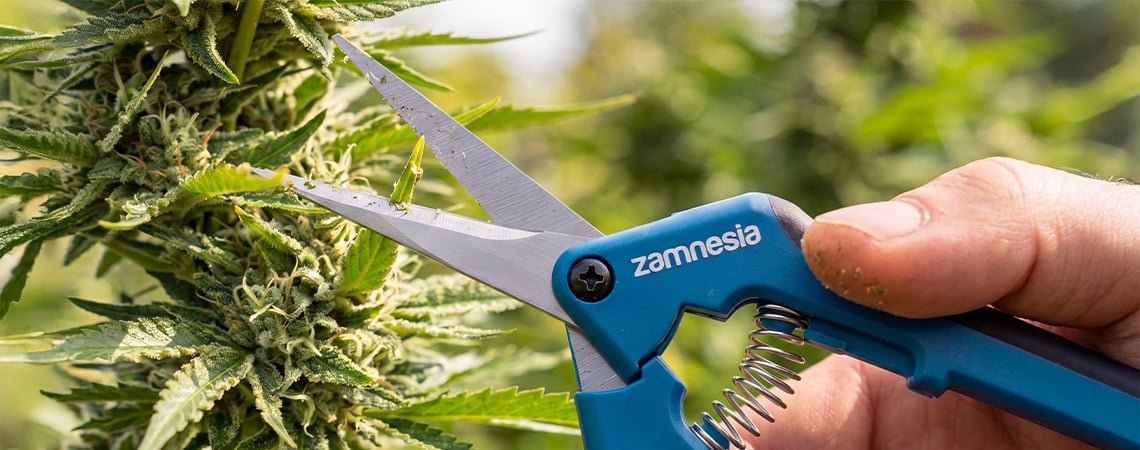



Not sure what to remove, or when? This hub explains how to prune marijuana plants with clean cuts, sensible limits, and a clear plan from veg through flower.
Pruning can be the difference between a crowded, problem-prone plant and a canopy that’s easy to manage and quick to dry. Done well, it improves airflow, helps light reach productive sites, and can support stronger, more even flowering.
Pruning cannabis isn’t mandatory, though. Many plants will still perform well if you leave them alone, especially if you’ve got plenty of space and a forgiving environment. The key is knowing what you’re trying to achieve, then making small, clean cuts rather than going in heavy-handed.
Whether you grow under LEDs in a tent or in the garden, the same principles apply, even if the timing and intensity change. For growers searching for cannabis pruning guidance, this hub breaks down the main techniques and when to use them.
What is cannabis pruning?
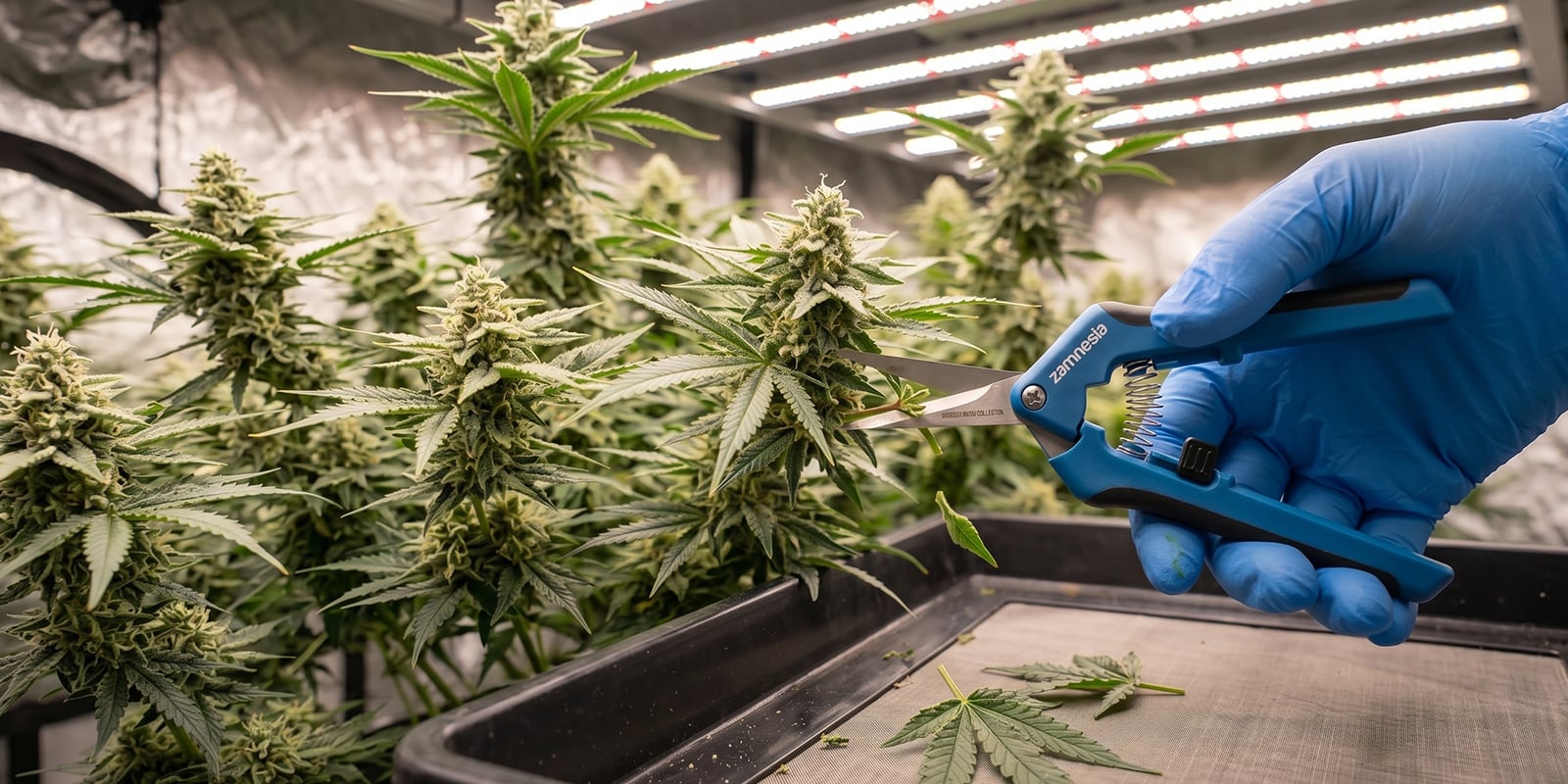
Cannabis pruning is the deliberate removal of selected leaves, shoots, and branches to guide a plant’s structure and direct its energy where it counts. It’s used to open up the canopy, reduce congestion, and encourage more even development as the plant grows.
It’s easy to confuse pruning with trimming marijuana plants, but they’re not the same job. Trimming is usually a harvest task focused on manicuring buds, while pruning happens during the grow to shape the plant and manage growth.
Growers prune weed plants at different stages depending on their goal: Cleaning up lower growth in veg, tidying weak sites around the stretch, or lightly removing problem leaves later on. Beginners often worry they’ll ruin a plant, but small, clean cuts and a slow approach are usually safer than drastic “haircuts”.
Why prune cannabis plants?
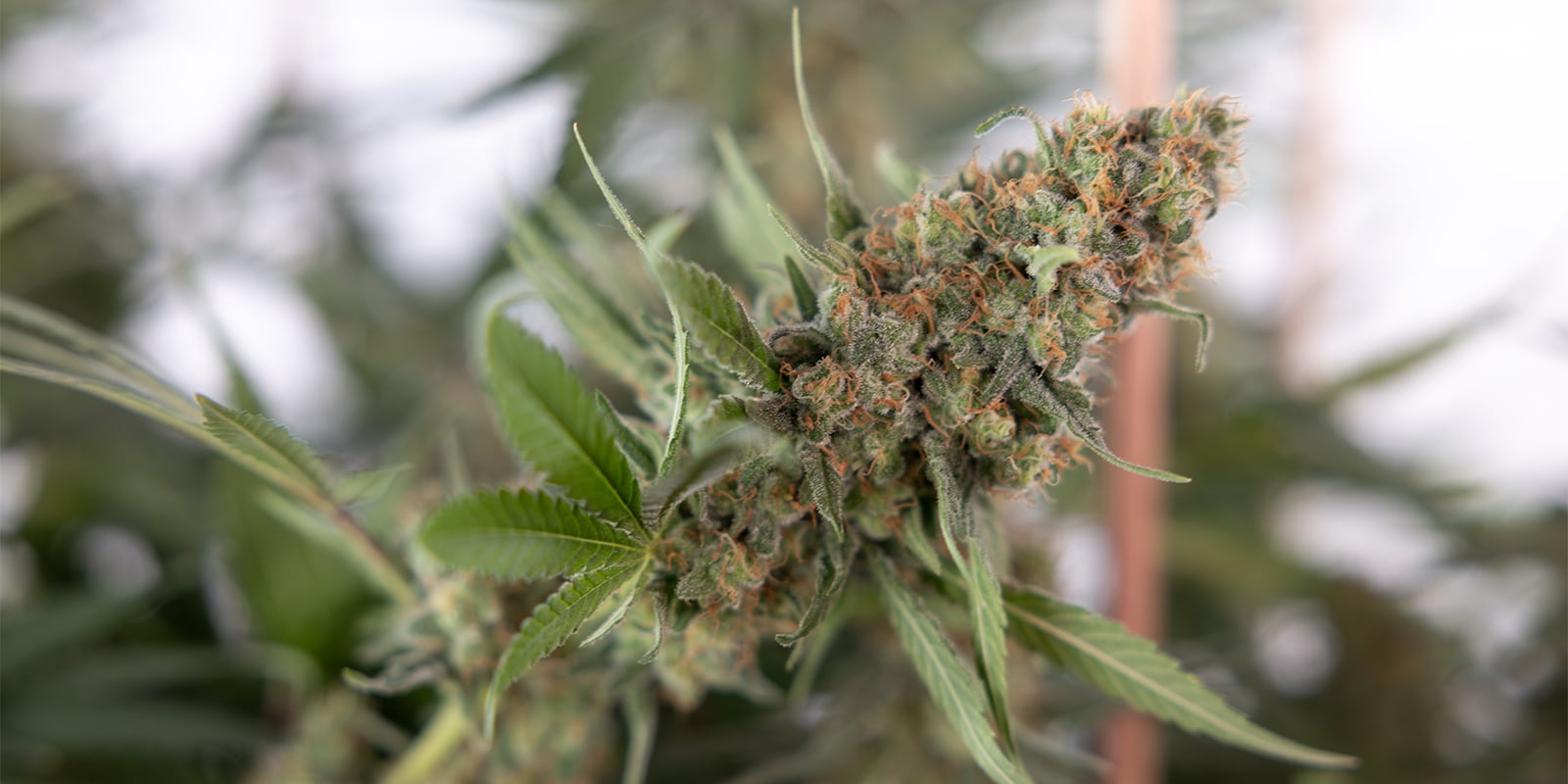
Pruning is mainly about improving the conditions around your buds. By thinning crowded growth, you boost airflow through the canopy and help light reach sites that would otherwise sit in shade; two simple changes that can reduce humidity pockets and promote more even development.
With a solid plan and careful timing, pruning to increase yield is less about “making” the plant produce more and more about helping it focus on the strongest tops rather than wasting energy on weak, lower growth. It also creates a tidier structure that’s easier to feed, water, train, and inspect.
The benefits show up differently depending on your setup. Indoors, pruning helps manage limited headroom and encourages a level canopy under artificial lighting. Outdoors, it can open up bushy plants so sun and breeze penetrate better, which is especially handy in wetter climates. For a deeper look at the trade-offs, see our indoor vs outdoor growing guide.
Risks and mistakes to avoid when pruning cannabis
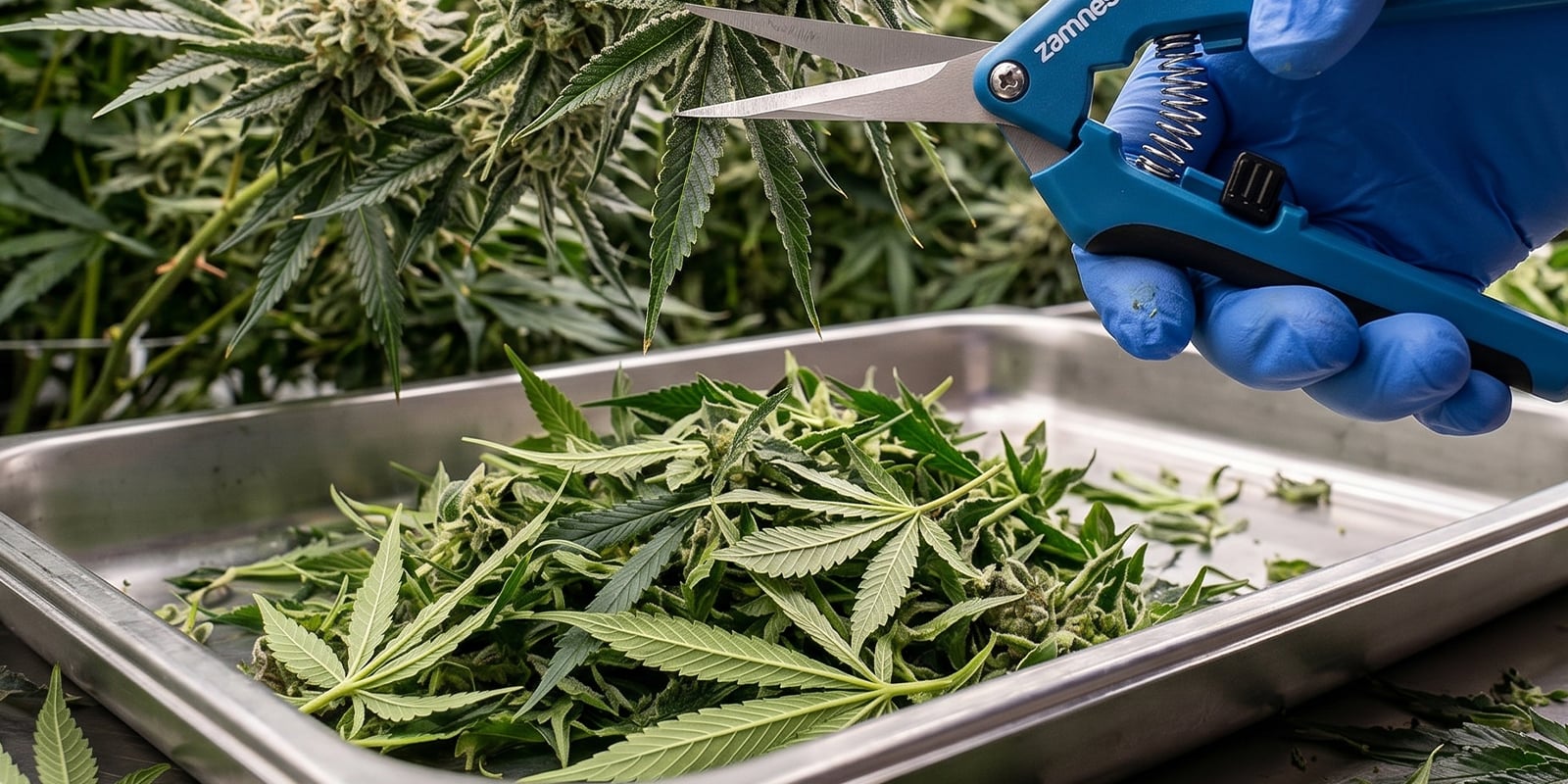
The most significant risk is over-pruning, which can shock plants, slow growth, and leave you with less healthy leaf mass to power flowering. When cuts are poorly timed or too aggressive, you can end up with reduced yields rather than better buds.
Avoid pruning any plant that’s already struggling. If you’re seeing nutrient issues, pests, heat stress, or drooping from watering problems, fix the cause first and let the plant regain momentum before you remove more tissue.
Hygiene and recovery matter just as much as technique. Use sharp, cleaned scissors to minimise damage and reduce the chance of infection, then give plants a few days of stable conditions to bounce back. Many of these slip-ups overlap with other common grower mistakes, so it’s worth tightening up the basics before you start cutting.
When should you prune cannabis?
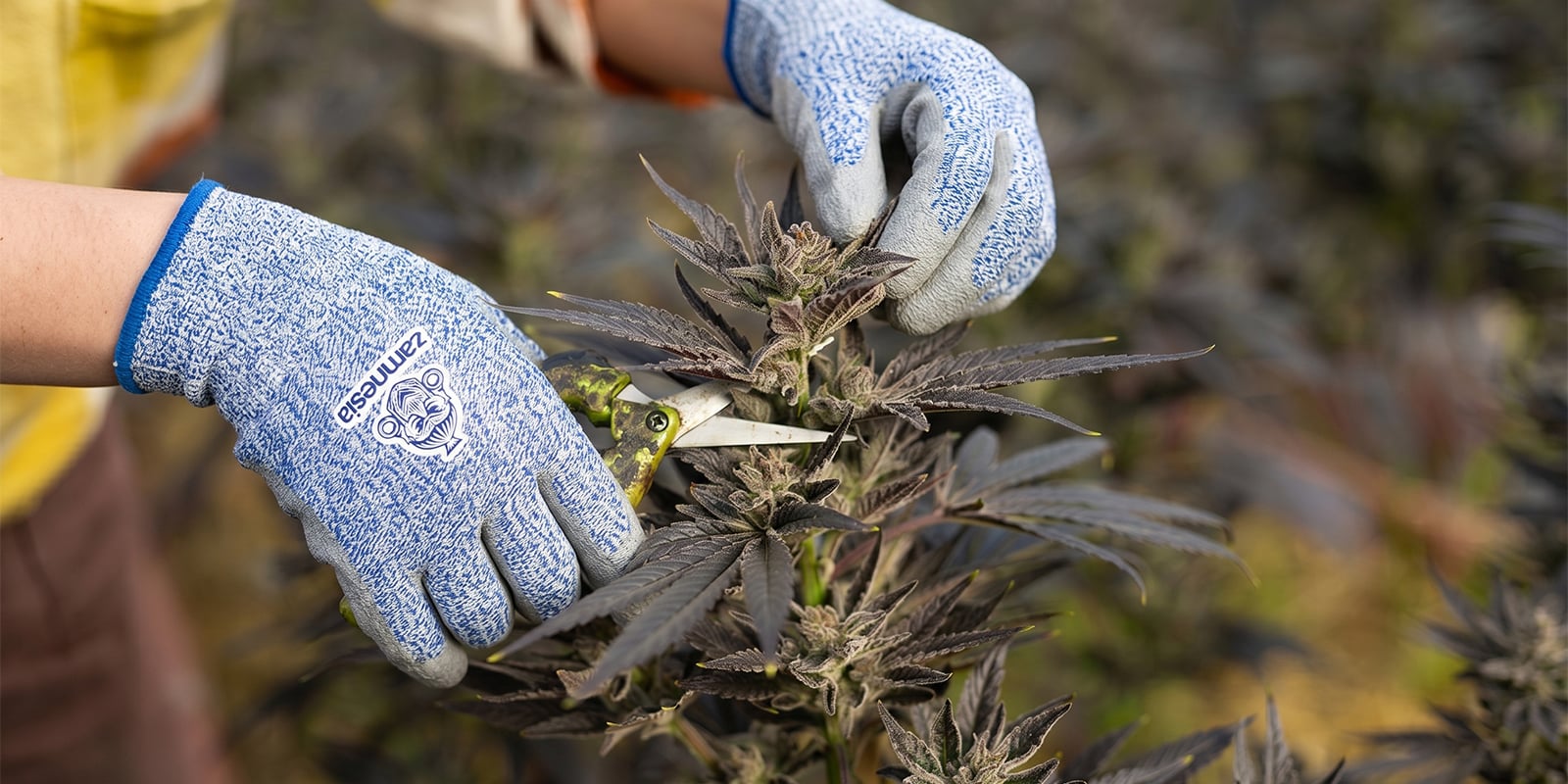
Timing is what keeps pruning helpful rather than stressful. For most growers, the vegetative stage is the sweet spot, because plants are growing fast and can replace lost tissue quickly.
Early veg is best for light, corrective cuts, removing damaged leaves, clearing tiny shoots, and setting up a clean structure without slowing momentum. Later veg is when you can be more intentional about shaping the canopy, but bigger removals need a longer recovery window. In practice, when to prune cannabis comes down to leaving enough time for the plant to bounce back before you flip to flower, especially after heavy pruning.
As a rule, give at least several days of stable conditions after any meaningful session, and avoid stacking multiple stressful techniques at once. The same logic applies to growers thinking about cannabis pruning: Build up gradually, then watch how your plant responds.
Can you prune cannabis during flowering?
Flowering is where pruning becomes a game of risk management. Structural pruning, removing branches, topping, or taking big chunks of growth, can interrupt bud development and extend recovery time, so it’s usually best avoided once plants are properly in flower.
Low-risk work is different. Light defoliation, like removing a few large fan leaves that are blocking key bud sites or trapping moisture, can be useful when done sparingly and with a clear reason. Pruning during flowering is therefore a qualified “yes”: keep it minimal, prioritise plant health, and stop if you see slowed growth or stress signals.
A good rule of thumb is to make small changes, then give the plant time to respond under steady conditions. Most growers get the best results by doing the heavy shaping in veg and treating flower as a period for consistency rather than experimentation.
How to prune cannabis plants safely
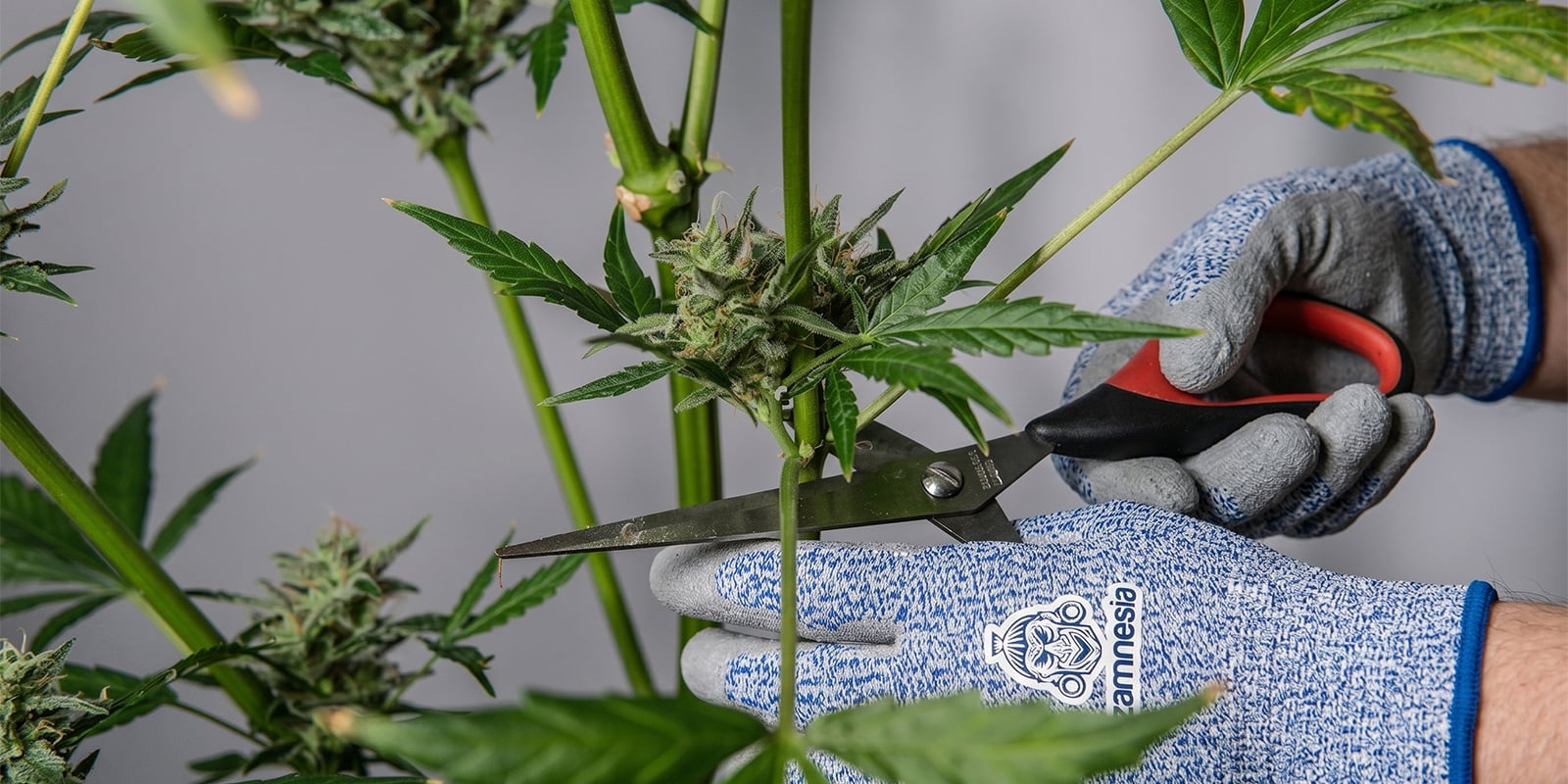
A safe approach is slow, deliberate, and consistent, especially if you’re still learning how to prune cannabis.
- Check plant health first: only prune vigorous, well-fed plants with no obvious stress.
- Clean and sharpen tools so cuts are quick and tidy.
- Start with the obvious: remove dead leaves, damaged growth, and weak shoots that will never reach the canopy.
- Thin for airflow and light, taking a little from several areas rather than stripping one side.
- Step back, reassess the shape, then stop before you get carried away.
- Give recovery time in stable conditions, then make a second pass a few days later if needed.
As a general safety limit, aim to remove no more than 10–20% of leafy growth in a single session. Indoors, you’ll usually prune to keep a flat canopy under the light; outdoors, focus on opening the plant so wind and sun can move through it. Visual aids and infographics can really help you “spot” what to cut before you commit.
Overview of cannabis pruning techniques
Different techniques exist for different goals, from shaping plant architecture to improving airflow and canopy exposure. To keep things clear (and avoid mixing methods that don’t play nicely together), the sections below give brief, practical overviews rather than deep dives.
Once you’ve found an approach that fits your space, strain, and confidence level, it’s worth exploring the dedicated guides for full step-by-step instructions, timing advice, and the specific dos and don’ts for each method.
Topping cannabis plants
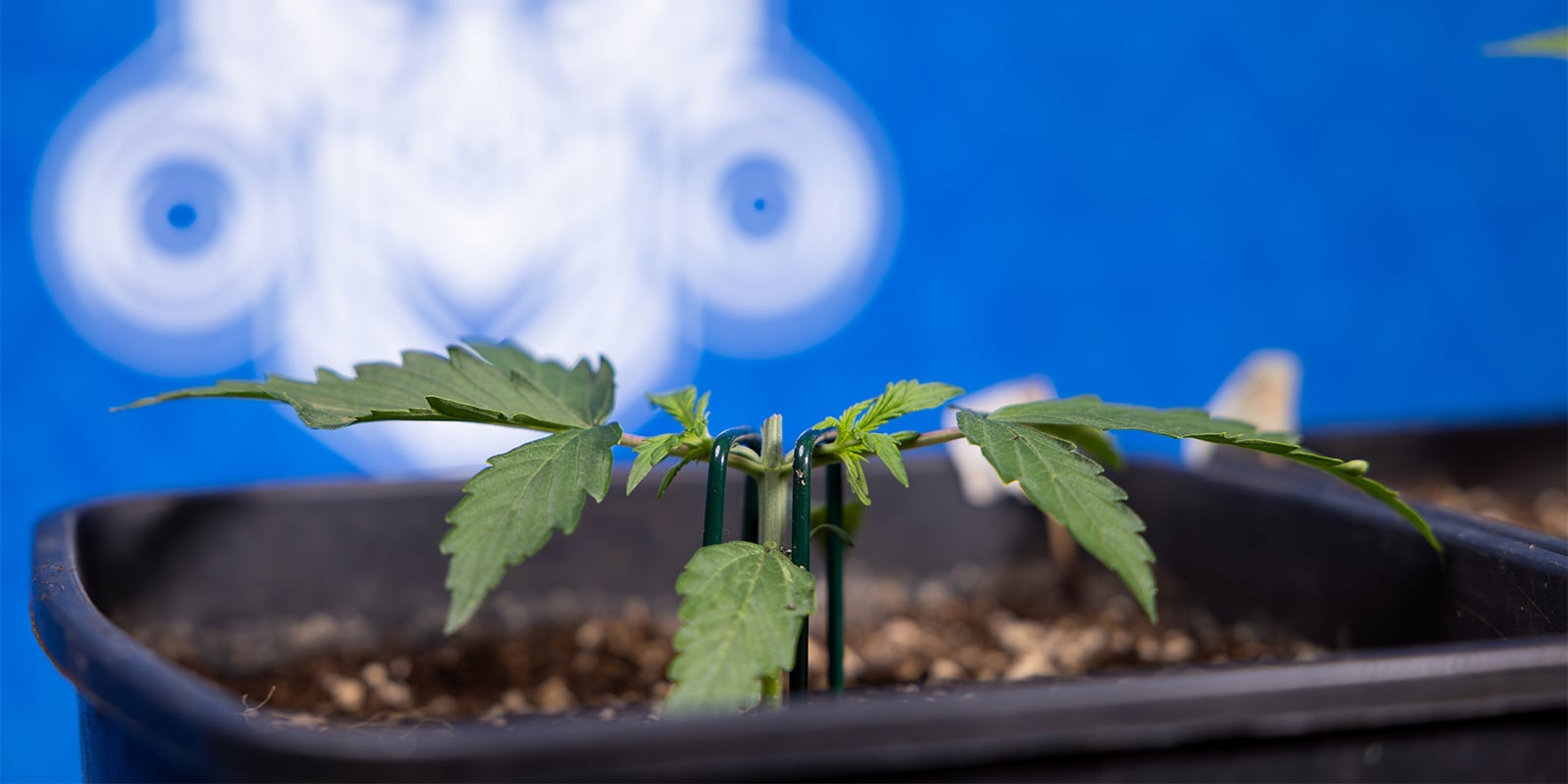
Topping means cutting off the main growing tip to encourage the plant to split into multiple leading shoots, creating a bushier structure and a more even canopy. Growers often use it to manage height and spread growth across several colas.
The best time is in the vegetative stage, once the plant is established and actively growing, giving it enough time to recover before flowering. For full timing and cut placement, see our topping guide.
Fimming cannabis plants
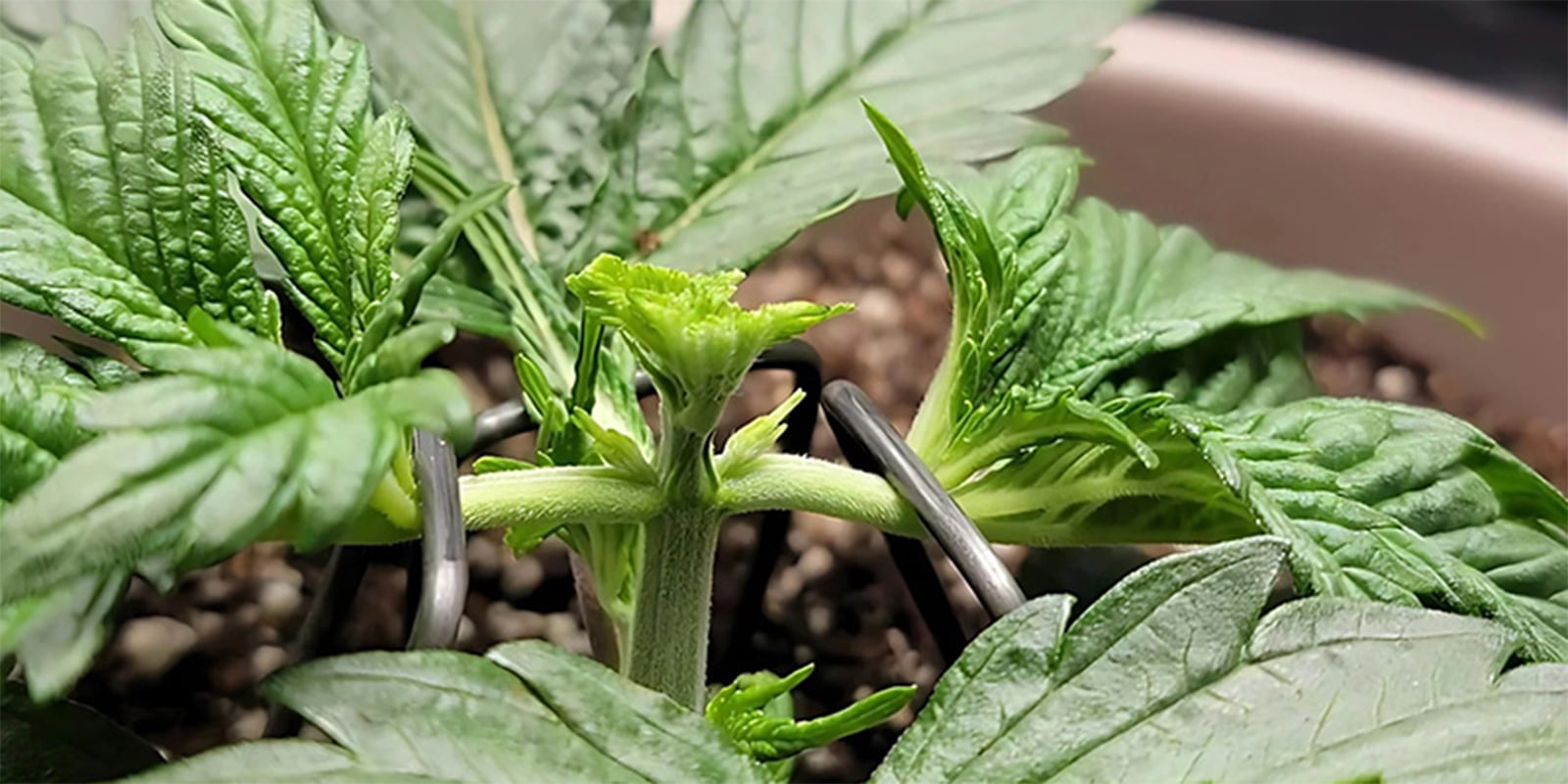
Fimming is similar to topping, but instead of removing the entire tip, you make a partial cut into the new growth. Done well, it can trigger multiple shoots and a bushier canopy, sometimes with less height loss than a full top.
The trade-off is consistency: Outcomes can be less predictable, and a messy cut can slow growth. For growers who like the potential reward and don’t mind a bit of trial and error, our fimming guide breaks down the safest way to do it.
SCROG and pruning
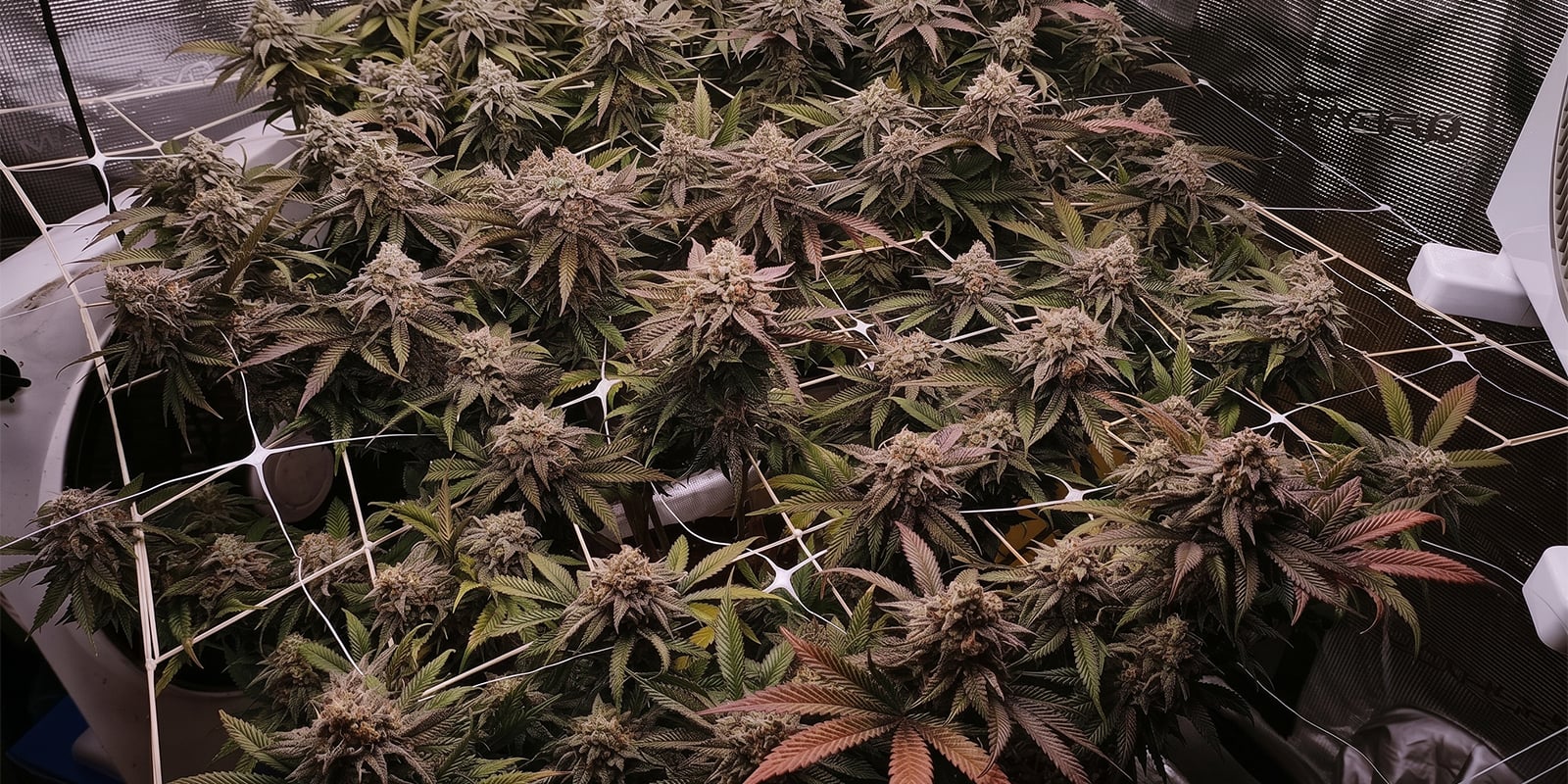
A Screen of Green works best when the canopy is even, and the light hits a uniform “table” of tops. Pruning supports SCROG by removing lower growth that won’t reach the net and by thinning crowded areas to allow airflow through the screen.
That combination of canopy control and light management helps keep energy focused on the sites you’ve trained into position, rather than on shaded, wispy branches underneath. For a full walkthrough, including timing and how to tuck vs cut, see our SCROG guide.
Defoliation
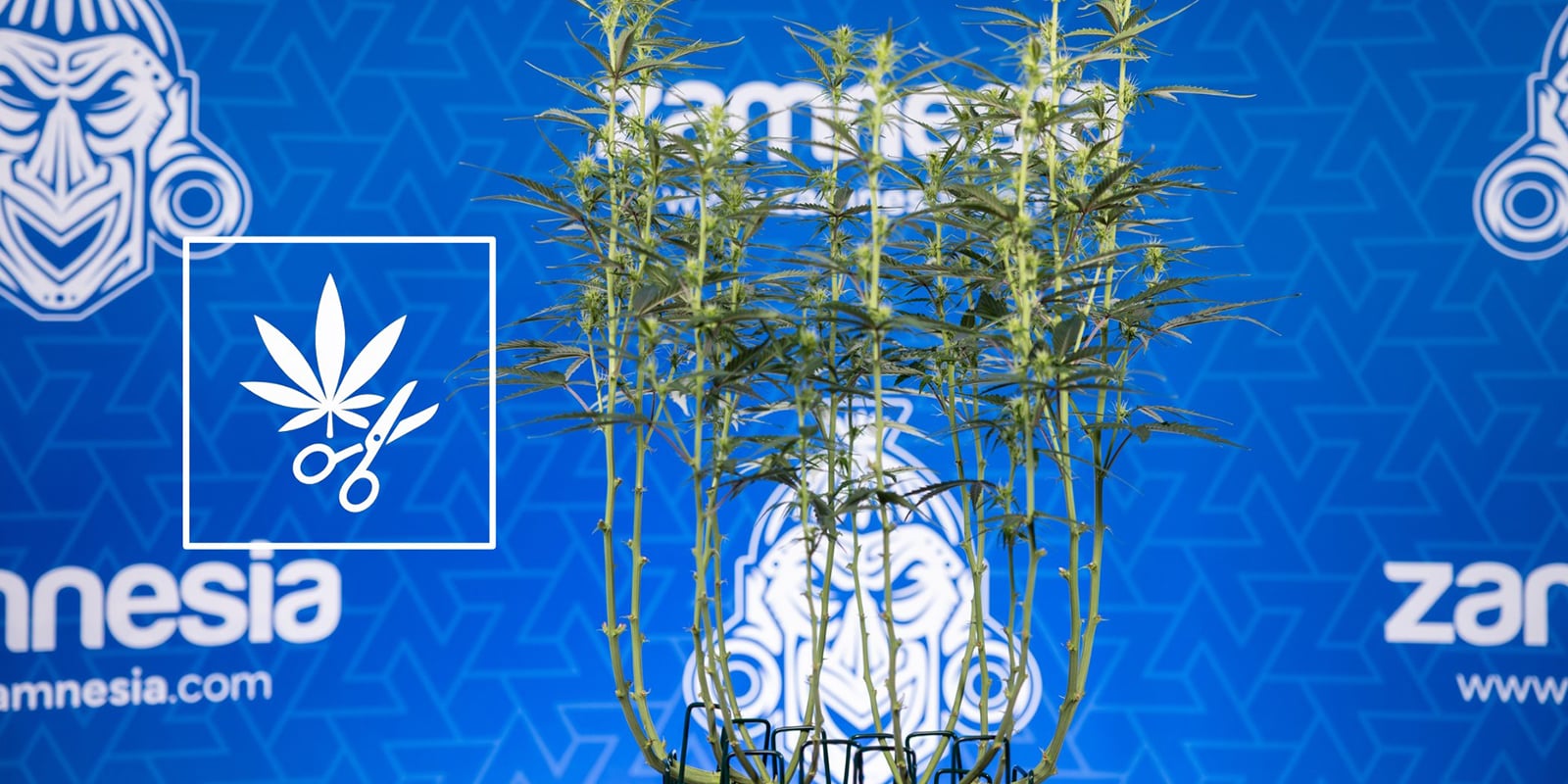
Defoliation is the selective removal of fan leaves to improve light penetration and airflow through the canopy. It can make sense when large leaves are heavily shading bud sites, or when dense growth is trapping humidity and raising mould risk.
Because it’s easy to overdo, go gradually and prioritise leaves that block key flowering sites. Growers searching for cannabis pruning guidance will find a more precise breakdown of timing, limits, and recovery in our defoliation guide.
Lollipopping cannabis plants
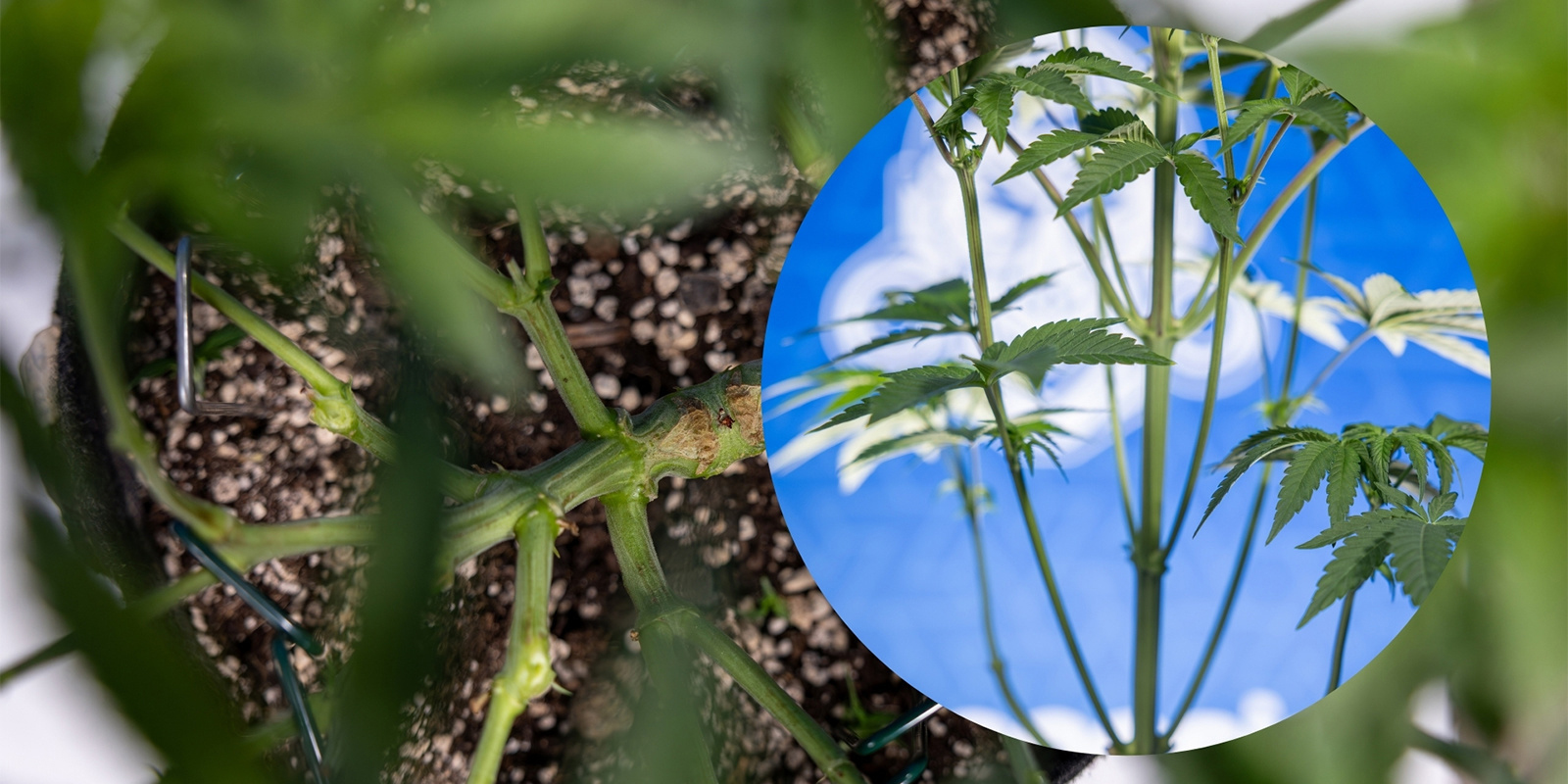
Lollipopping is the practice of stripping away lower branches and growth that won’t receive enough light to develop properly, leaving a cleaner “stem” beneath the productive canopy. The aim is to reduce popcorn buds and concentrate the plant’s energy where it counts.
It’s most effective during veg and early flower, once you can clearly see which sites will stay shaded. For the safest approach and how much to remove, read our lollipopping guide.
Pruning cannabis: Indoor vs outdoor plants
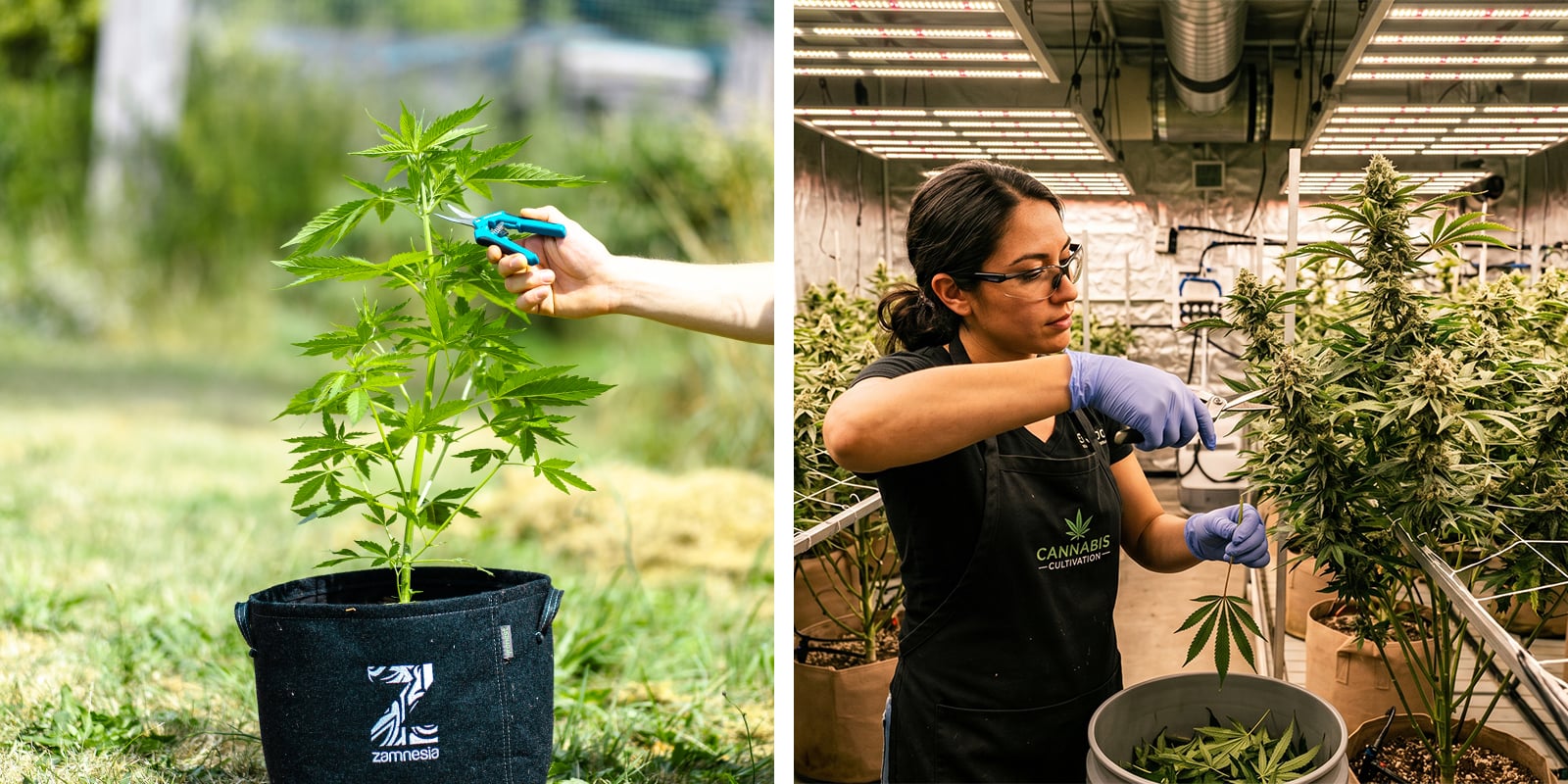
Indoor plants usually tolerate more frequent, deliberate pruning because conditions are stable and recovery is predictable. Under lights, growers often prune with canopy management in mind, keeping airflow moving and shaping plants to fill a defined footprint for yield optimisation.
Outdoor plants face shifting weather, pests, and big temperature swings, so intensity matters. Heavy cuts right before a cold snap, heatwave, or prolonged rain can add environmental stress and slow growth, so a lighter touch and longer recovery windows are sensible. Outdoors, pruning is often more about reducing disease risk in dense foliage and supporting strong branch structure than about constant fine-tuning.
Frequently asked questions about pruning cannabis
Q: Does pruning cannabis increase yield?
A: Pruning can support higher-quality yields when done correctly. By directing the plant’s energy toward well-lit bud sites instead of excess foliage, growers can improve airflow, light penetration, and overall flower development.
Q: Should beginners prune cannabis plants?
A: Beginners can prune carefully, focusing first on removing dead, damaged, or heavily shaded leaves. Start gradually and observe how the plant responds. Removing too much growth at once can stress the plant and slow development, so restraint and timing are key.
Q: What happens if you prune too late?
A: Pruning late in flowering may stress the plant and potentially affect bud development. Because plants are directing energy into flower formation during this stage, heavy pruning is generally best avoided after early flowering.
Q: Can you prune autoflowering cannabis?
A: Autoflowering cannabis plants have a shorter lifecycle and limited recovery time compared to photoperiod strains. High-stress pruning techniques are usually not recommended. If pruning autoflowers, keep it minimal and focus only on removing clearly damaged or obstructive leaves to avoid stunting growth.
Q: How does pruning differ across climates and setups?
A: Pruning techniques may vary depending on whether plants are grown indoors or outdoors, as well as local climate conditions. Factors such as humidity, airflow, and light intensity influence how much foliage should be removed. Adjusting your approach to your environment helps maintain plant health and consistent results.
Final tips for pruning cannabis successfully
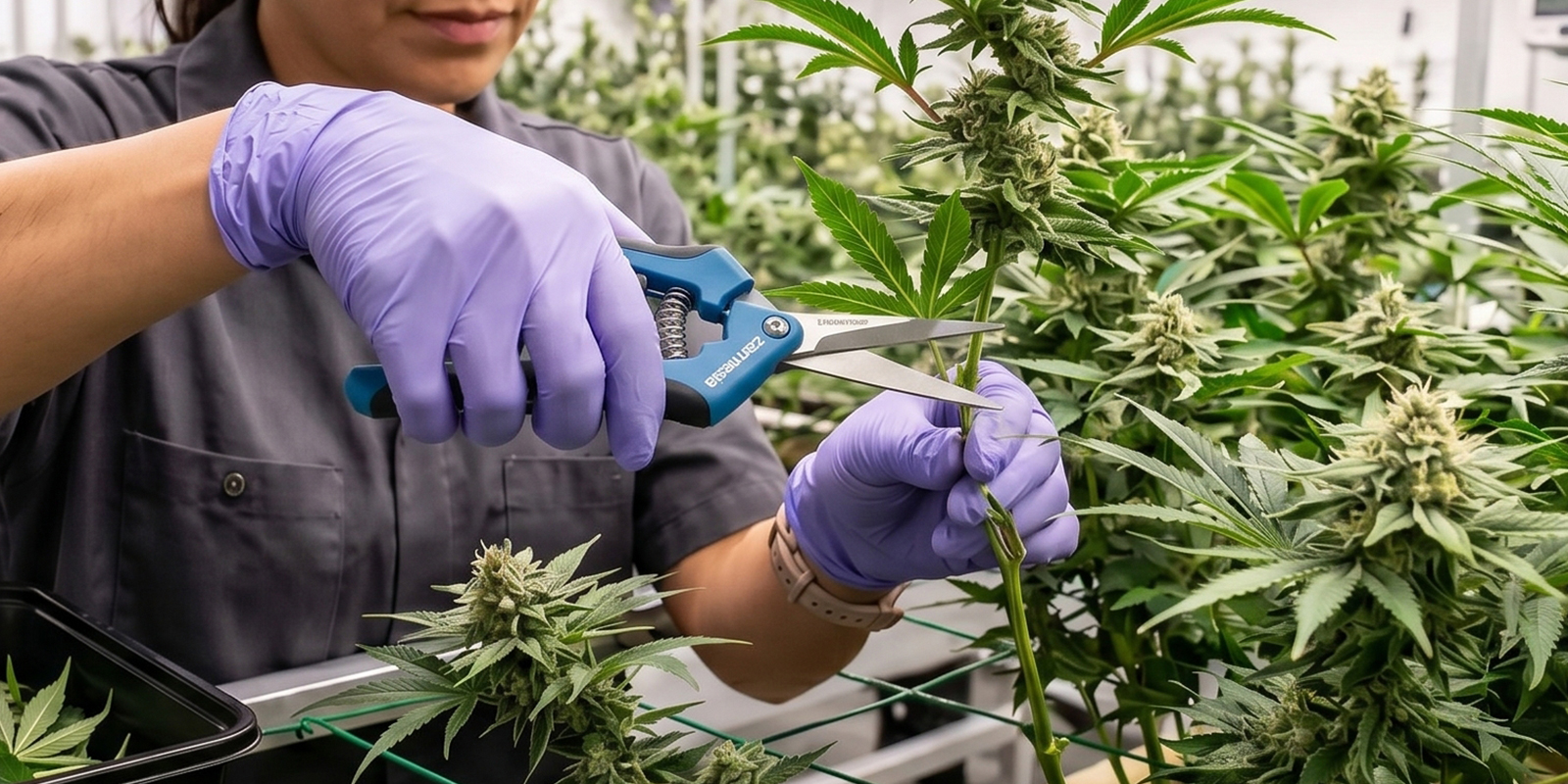
Success comes down to a few fundamentals: make clean cuts with sterile tools, remove growth with a clear purpose, and give plants time to recover before making more changes. Moderation beats bravado; take a little, watch how the plant responds over the next few days, then adjust.
Keep notes on what you removed and why, especially when you’re experimenting with training or running new genetics. Over time, you’ll learn which techniques suit your space, lights, and cultivar.
For deeper, step-by-step walkthroughs, explore the technique-specific guides linked throughout this hub. Zamnesia is here as a trusted grow resource, so you can build skills with confidence and keep every run moving in the right direction.